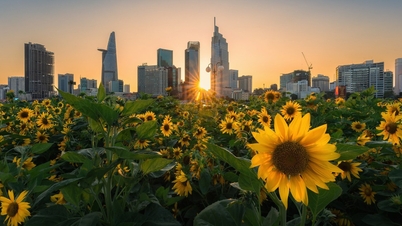
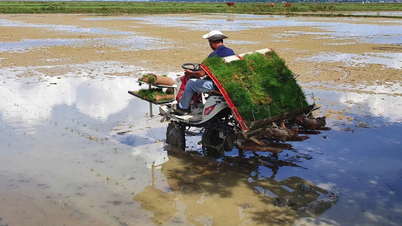
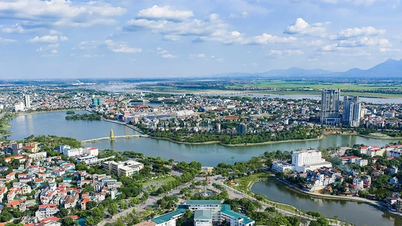
The map of Lam Dong has been redrawn as three regions merge into a single administrative border. A decision can be made in a day, but for the people of that land to truly look towards the same future is a much longer story, written in the rhythm of each day's life.
Báo Lâm Đồng•29/06/2026
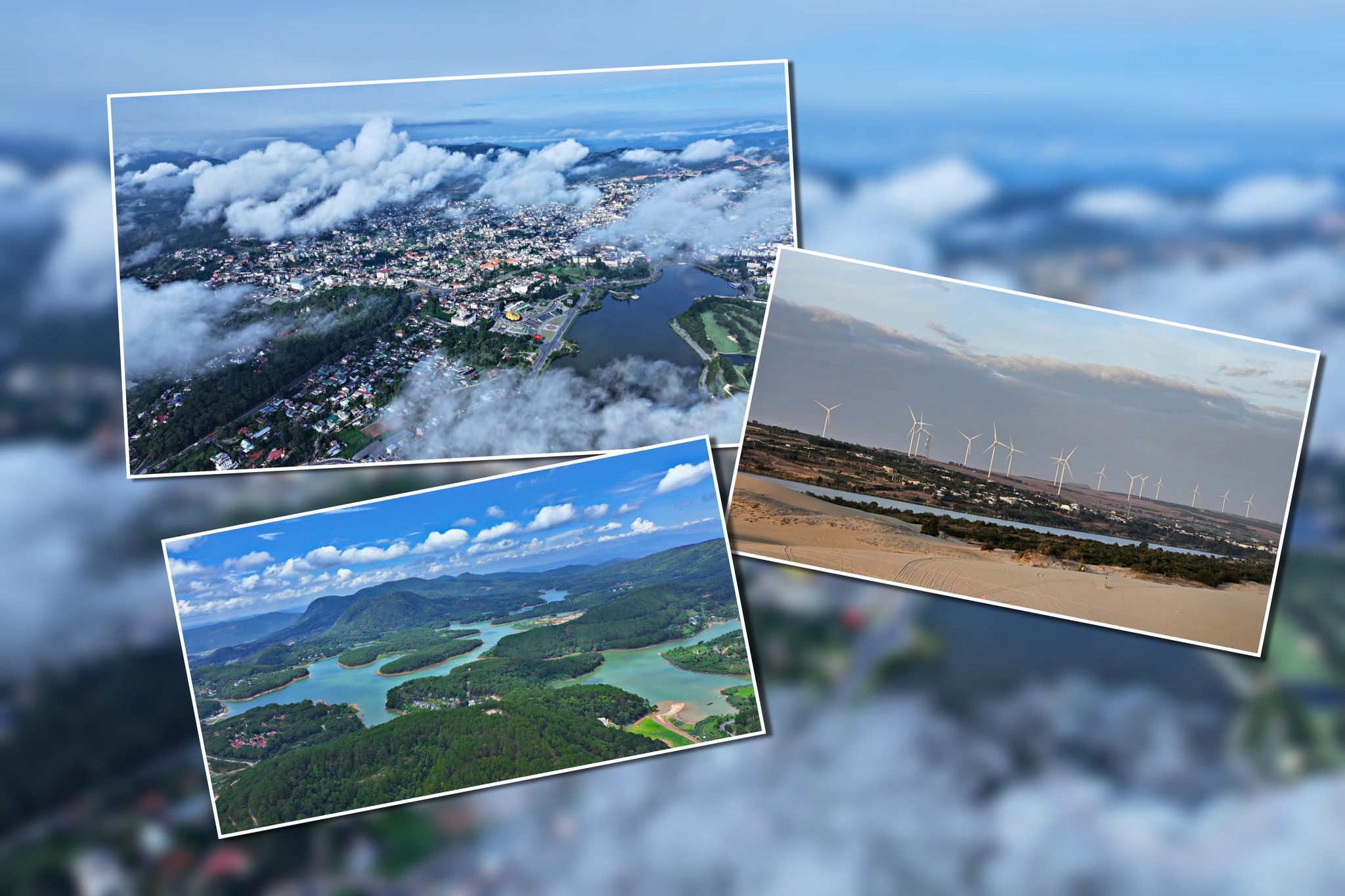
Lam Dong province was recently formed from the merger of three development zones, opening up a shared path for the people in this new land.
Part 1: Those Who Sow the Future
In every stage of national transformation, lasting change always begins with people's choices. In Vietnam's largest landmass today, many young people are choosing to stay, return, or start anew right where they live.
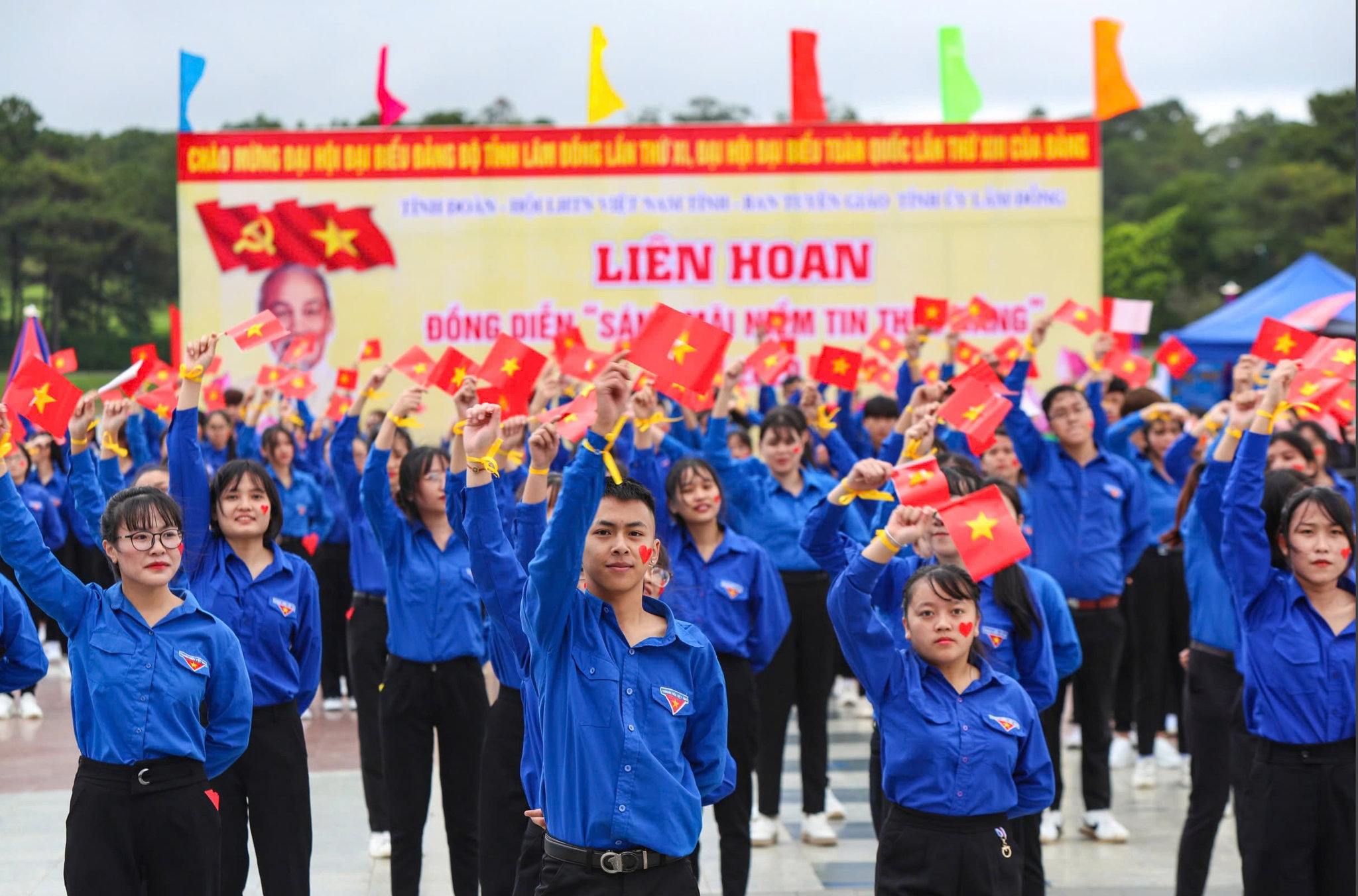
Amidst the changes in a newly developed province, young people are contributing to the community's shared journey.
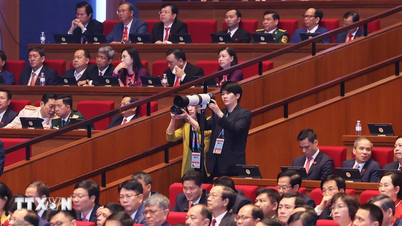
On the morning of June 25, 2026, at the 13th National Congress of the Ho Chi Minh Communist Youth Union, General Secretary To Lam emphasized: “Every stage of the country’s development bears the profound imprint of young people who know how to put the Fatherland first, transforming patriotism into a will to act, into aspirations to rise up, into practical deeds to serve the people, and to build and develop the country.” In Vietnam’s largest region, that message is being continued through the very specific choices of young people in the first year after the province’s formation.
New boundary line
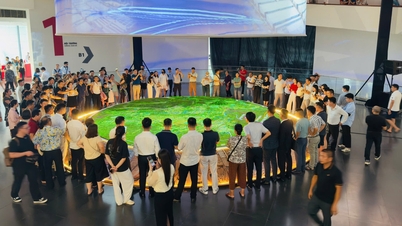
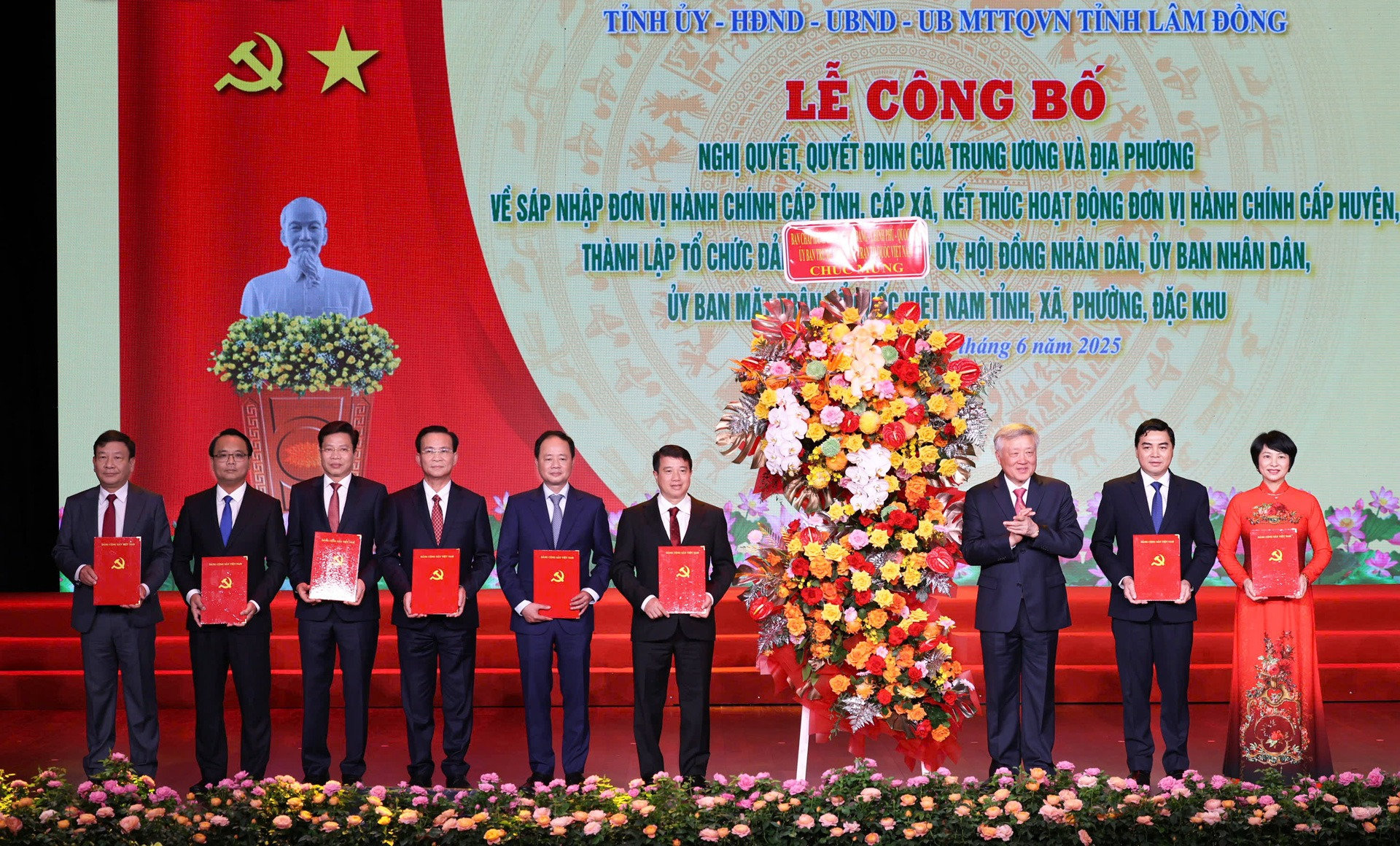
On June 12, 2025, the National Assembly passed Resolution No. 202/2025/QH15. The newly established Lam Dong province was officially created on that same day, at least on paper. Eighteen days later, on the morning of June 30, 2025, the official announcement ceremony was held in Da Lat . 124 communes, wards, and special zones were connected directly via screen. The newly established commune and ward Party secretaries received the resolution from the provincial leaders. The ceremony was broadcast live so that officials, Party members, and citizens throughout the province could witness it.
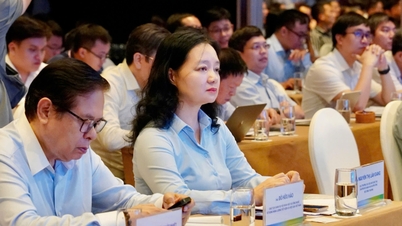
The ceremony announcing the establishment of the new Lam Dong province on June 30, 2025, marks the moment when the two-tiered local government apparatus officially comes into operation after the implementation of Resolution No. 202/2025/QH15.
Speaking at the ceremony, Provincial Party Secretary Y Thanh Ha Nie Kdam emphasized: "Although the culture, lifestyle, and regional characteristics may differ, as 'one family,' we must unite, foster a spirit of self-reliance and self-improvement, and a desire to rise above." This statement highlights the reality that while the consolidation of the administrative apparatus can be completed in a very short time, for the three regions to become a single community, more time, consensus, and concrete actions are needed.
At the first Congress of the Vietnam Youth Union of Lam Dong province, the Standing Deputy Secretary of the Provincial Party Committee, Dang Hong Sy, addressed this challenge in a different way, affirming that it is "the convergence of three development spaces: the green plateau, the coastal region rich in marine economic potential, and the gateway region of the Central Highlands rich in resources and cultural identity." Within this development space, he expressed his hope that youth would be the pioneering force in shaping the future.
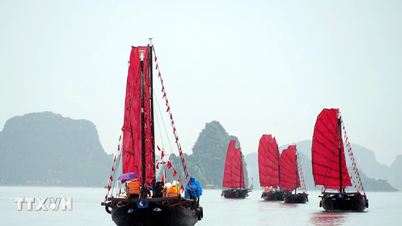
24,233 km²; 3.9 million people; 49 ethnic groups. Three regions that once experienced three different stages of development – the Lam Dong plateau, the gateway region to the Central Highlands of Dak Nong, and the coastal strip of Binh Thuan with its 192 km of coastline – now share a common name.
The resolution has accomplished its part in establishing a new geographical boundary. The task that follows is more difficult to quantify: to bring people from different regions together towards a shared future, and to gradually transform differences in living spaces, culture, and development into advantages for a unified province.
Every stage of national transformation requires individuals to take on the task through their own choices. Even in the first year of the newly merged Lam Dong, many young people quietly began their journey from their homes, each in their own way, but together contributing a link in the chain that helped the newly merged land gradually become a unified community.
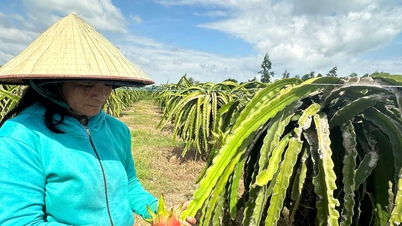
Market access for agricultural products.
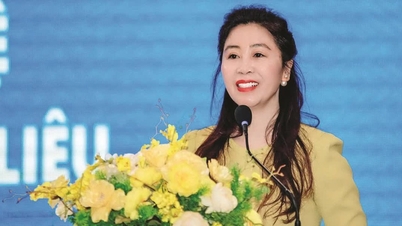
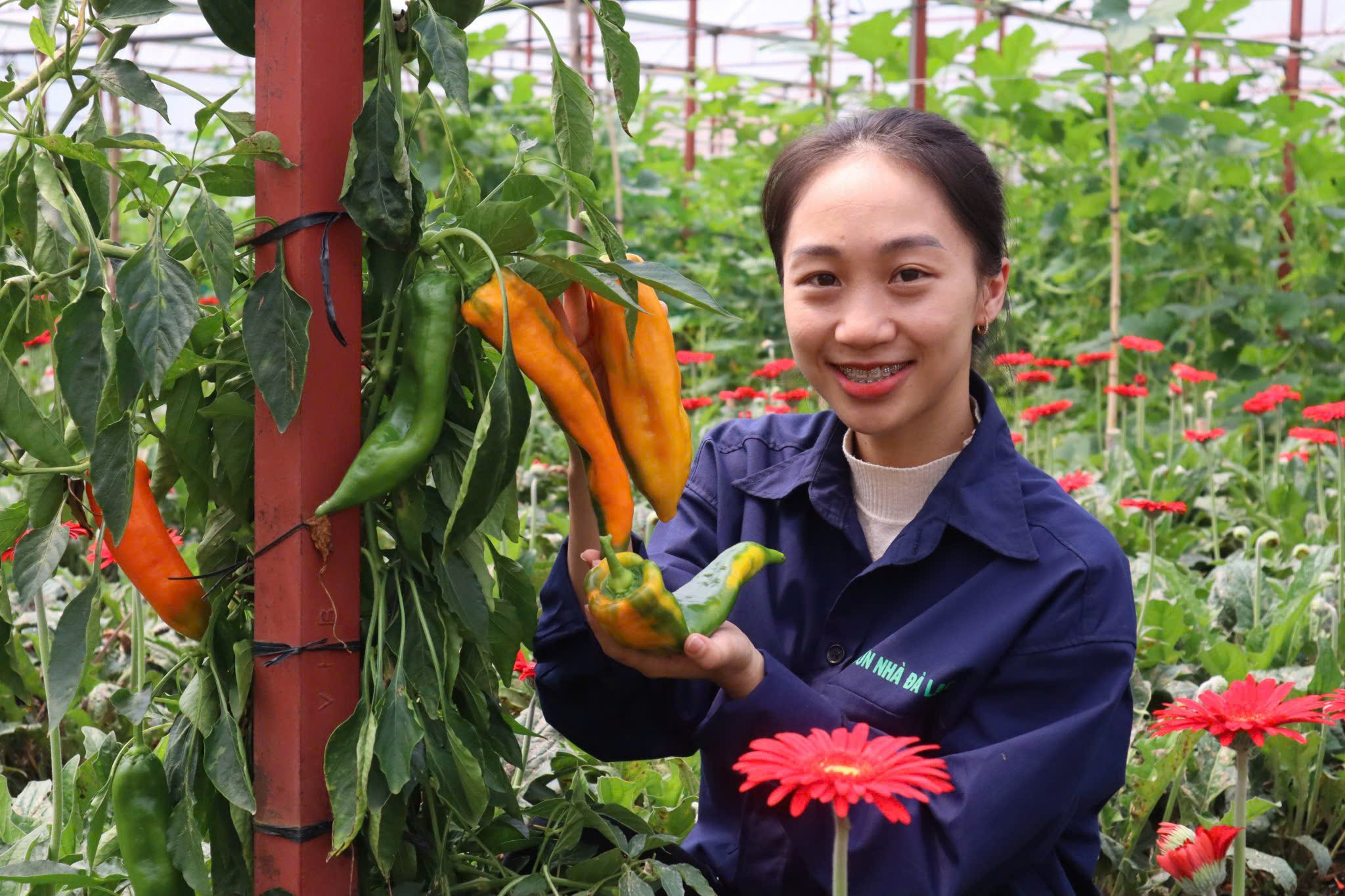
Through her livestream sessions, Ms. Thao has contributed to opening up more outlets for Lam Dong's agricultural products and helping many producers access the digital market.
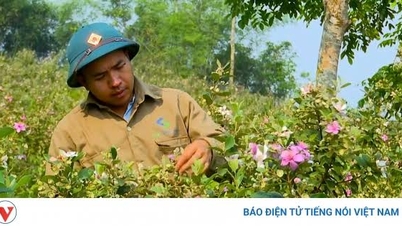
Before dawn broke in Da Lat, Nguyen Thi Tuong Thao's (born in 1995) phone screen was already constantly flashing with orders and livestream schedules. Thao was born in Ka Do commune, considered the vegetable capital of Lam Dong province. From the third grade, she was familiar with standing by her mother's vegetable stall at the market. Later, she moved to Ho Chi Minh City to study chemical engineering at the University of Agriculture and Forestry and then economics. Even during her student days, vegetables sent from her hometown were still her way of partially covering her expenses, maintaining an unbroken connection with the fields and gardens.
After graduating, Thao worked as a chemical inspector for a foreign company. It was considered a "stable" career path. But that very stability couldn't answer the question that arose during her quarantine in Ho Chi Minh City due to the COVID-19 pandemic: "Why, living in the capital of vegetable production, can't I access clean vegetables from my hometown?"
In September 2022, Thao left Ho Chi Minh City, bringing with her two excellent university degrees and over five years of work experience back to Lam Dong. She didn't start with a big project; on her first day, Thao applied to work at the Da Lat Garden Cooperative, packing vegetables like an ordinary laborer. Ms. Le Thi Yen Van, the cooperative's director, was surprised to see a young woman with two university degrees sitting before her asking for that job. "For someone who was already settled, what I did at that time seemed like a strange choice," Thao recalled.
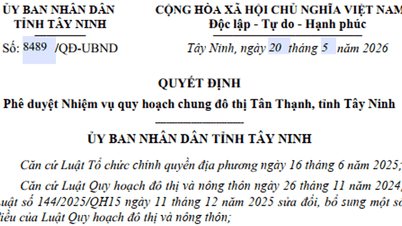
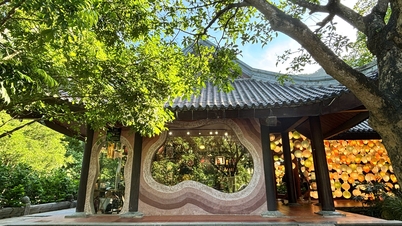
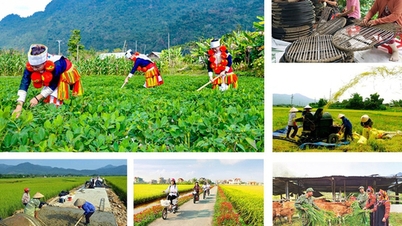
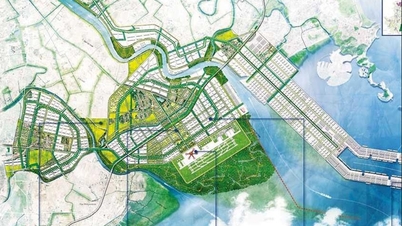
Multi-centered urban planning - preserving cultural identityExpanding administrative boundaries opens up significant development opportunities for Lam Dong province, but also poses challenges in preserving the living spaces and cultural identities of its ethnic groups.
In the early days at the cooperative, Thao quickly realized a clear bottleneck: although the produce was grown according to proper procedures, it mainly left the farm through traders, leaving growers with little direct access to the market and little knowledge of what customers truly needed. From then on, Thao began to change her approach. She spent her nights refining packaging, her days writing product descriptions, and then proposed promoting the produce on TikTok.
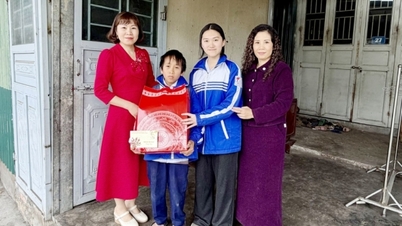
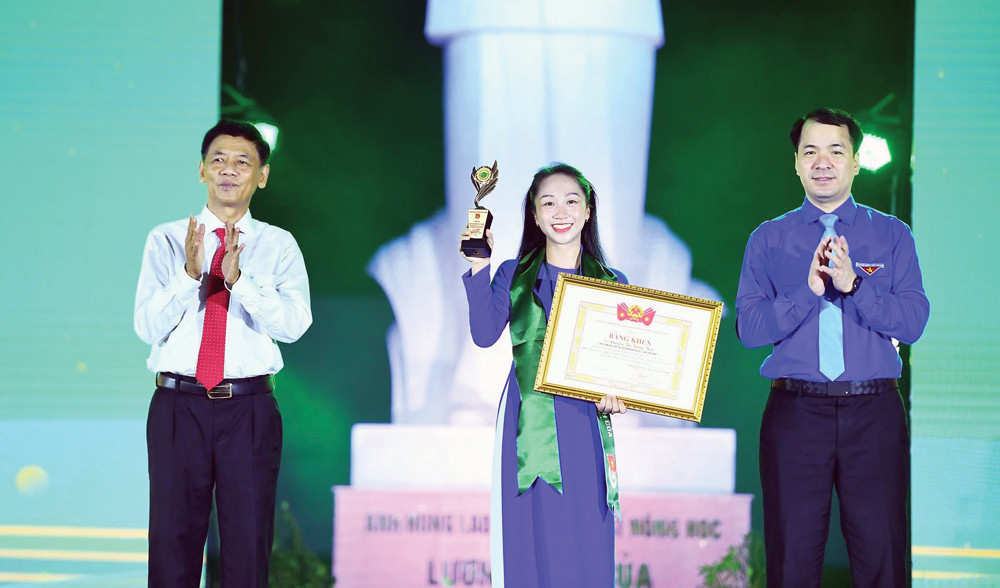
Ms. Thao was honored to receive the Luong Dinh Cua Award from the Central Committee of the Youth Union in 2023.
Initially, the proposal didn't garner much support, as traditional sales methods were already well-established. But when the first videos appeared in the vegetable garden, the response began to change. Nearly a month later, the clips attracted tens of thousands of views, opening up a new way of selling.
The first livestream session lasted only about 15 minutes, but nearly 1,000 orders were finalized. What changed more than those numbers was the way the cooperative operated. Growers began to pay attention to packaging, product stories, customer feedback, and the sales rhythm based on each online order. E-commerce, once a foreign idea, became a daily routine for the entire cooperative. The first livestream session ended, but many vegetable growers still stood in front of their screens, as if seeing their products reach such a wide audience for the first time.
The TikTok channel "Unique Dishes from My Home Garden" has gradually attracted over 300,000 followers, with many videos reaching millions of views. Approximately 6 tons of agricultural products are shipped nationwide every day. In 2023, Ms. Thao was honored to receive the Luong Dinh Cua Award from the Central Youth Union.
After working with the cooperative for some time, Thao decided to build the MOLAD brand and continue to collaborate with many local production facilities to bring agricultural products to the digital market. What she brings with her is not only sales experience but also the ability to connect producers with the market through the story of their products.
"
How can we be committed to producing clean vegetables, without compromising the concept for the sake of money? E-commerce only creates opportunities to meet customers; whether buyers return or not still depends on the quality of the agricultural products.
Ms. Nguyen Thi Tuong Thao, Ka Do commune, Lam Dong province
In an article commemorating the 95th anniversary of the Youth Union, General Secretary To Lam emphasized that the country needs young people who know how to "transform dreams into capabilities, transform capabilities into products, and transform products into value for the country." On the Da Lat plateau, that value is not measured by the number of views or orders, but by a more subtle change: from familiar vegetable plots, farmers are beginning to seek markets using their own brands and stories.
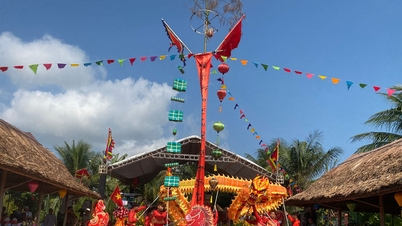
The Bu Đắk – Sar Pa inter-village gong club creates an environment for young people to continue the M'nông cultural heritage.
The Way Home of the Gong Sound
As evening falls over Bu Dak hamlet, Thuan An commune, the sound of gongs resounds once again. The practice session takes place like any other afternoon of the week. For YA Ron (born in 1992), however, it is the most anticipated time.
Born in Bu Dak village, where over 99% of the population are M'nong and many traditional cultural values are still preserved, YA Ron quickly understood that the sound of gongs is not just the sound of festivals, but also the memory of the entire community. After graduating in Social Work, while many of his friends stayed in the city, he chose to return to his village.
Three years after his return, he was elected Deputy Secretary of the Bu Dak village Youth Union, and then Deputy Secretary of the Thuan An commune Youth Union. He participated in many local activities, from volunteer movements to supporting young people. But amidst the increasing workload, he noticed another silence: the sound of gongs in the village was becoming less frequent. The adults still remembered each gong melody, but few young people knew how to play them anymore.
In 2021, he began going door-to-door to encourage young people to learn to play the gong. What he remembers most is a young man's question: "Why learn to play the gong?" That question accurately reflects the choices of many young people as opportunities for education, employment, and the world of mobile phones gradually overshadow the gong practice areas of their villages.
He didn't argue; he simply asked, "If we don't learn, who will preserve it?" Eventually, he gathered 31 young people from the two villages of Bu Đắk and Sar Pa, forming the inter-village gong club. 31 people – just enough to create a complete gong performance, just enough to ensure a generation isn't alone.
To find a teacher, he sought out artisan H'Plơ in Sar Pa village – one of the few people who still knew the M'nông folk songs by heart and understood the rhythm of each gong associated with each ritual. Artisan H'Plơ didn't begin the lesson with the gong rhythm. She recounted each folk song, each ritual, and the meaning of each gong rhythm in the life of the M'nông people. YA Rôn carefully wrote down every word. He understood that this memory would be lost if one day no one remembered a folk song completely from beginning to end.
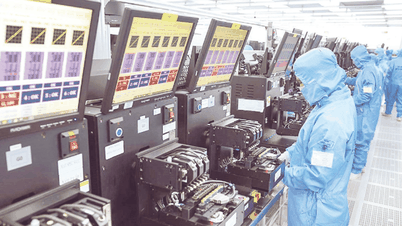
Vietnam encourages US businesses to expand investment in high technology.On the morning of June 26th, at the Government Headquarters, Deputy Prime Minister Ho Quoc Dung received Mr. Jeff Place, Supply Chain Director of Coherent Group (USA). During the meeting, the Deputy Prime Minister affirmed that Vietnam encourages US businesses to expand investment, especially in high-tech, innovation, and semiconductor industries.
By 2026, exactly 11 years since he joined the Youth Union, the Bu Dak - Sar Pa inter-village Gong Club had 35 members. Four more joined in the past five years, including someone who once asked him, "What's the point of learning to play the gong?" For YA Ron, this was the clearest sign that the sound of the gong had found its way back to the younger generation.
"
Preserving the gongs isn't about preserving a performance. We preserve them so that the younger generation will remember who we are and where we came from.
Mr. YA Ron - Secretary of the Youth Union of Thuan An Commune
YA Rôn is now the Secretary of the Youth Union and Chairman of the Youth Association of Thuận An commune, which is no longer part of Đắk Mil district of the former Đắk Nông province, but is now part of the new Lâm Đồng province, the largest province in Vietnam. The area is larger, the responsibilities are heavier. But every week, when the gongs resound in the courtyard of Bu Đắk village, he is still there, not as an inspector, but as someone standing in the training circle with the young people he himself once invited to join.
General Secretary To Lam reminded: "We must not let the legitimate dreams of young people be left behind due to a lack of information, opportunities, support, and confidence." YA Ron did not wait for anyone to give him that support; he became a support for the young people in his village himself.
In 10 years, some of the 35 members of the club may leave to study, work, or start a career elsewhere. What YA Rôn hopes for is not that they all stay. What he hopes for is that wherever they go, they will still remember the sound of their ethnic group's gongs. Some lands are preserved by large-scale projects, while others are preserved by a generation that has not forgotten the sounds that nurtured them as they grew up.


.jpg)


.jpg)



.jpg)
![[Image] A look back at the capital's preparations for the century-long master plan.](https://vphoto.vietnam.vn/thumb/1200x675/vietnam/resource/IMAGE/2026/06/29/1782750453122_quy-hoach-100-nam-minh-duy-1-2118-jpg.webp)

![[Photo] General Secretary and President To Lam works with the Party Committee of the Government on the work of preventing and combating storms, floods, extreme natural disasters and climate change.](https://vphoto.vietnam.vn/thumb/1200x675/vietnam/resource/IMAGE/2026/06/29/1782729441945_a1-bnd-0385-9454-jpg.webp)