

Since 2018, Dinh Xuan Minh (born in 1997, of the Bahnar ethnic group, from Dien Bien village, Son Lang commune) has become a familiar tour guide for tourists exploring K50 waterfall, Chu Nam mountain, Kon Bong waterfall, or Bien Ho lake on the Gia Lai plateau.
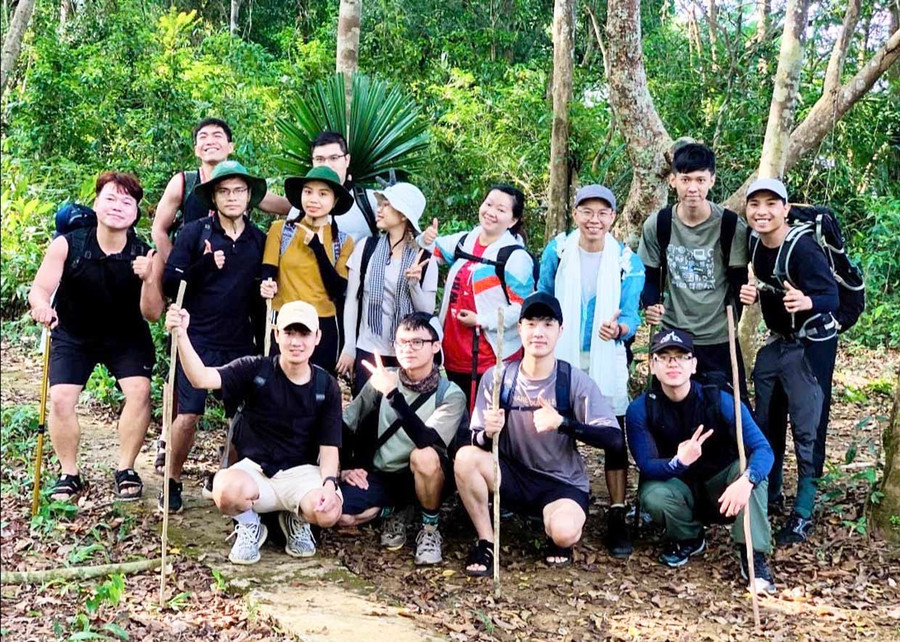
From a young age, Minh accompanied his parents to the forest to pick mushrooms, gather bamboo shoots, and search for honey. He also spent two years as a member of the Kon Chư Răng Nature Reserve's protection team. Thanks to this experience, he knows every stream, field, and forest by heart. With his enthusiasm and willingness to learn more about local culture and history, in busy months, Minh leads 28-30 tours, earning around 20 million VND.
On each trip, in addition to ensuring safety and a great experience for tourists, Minh also incorporates messages about protecting forests, preserving water resources, and maintaining the customs and traditions of the Bahnar people. "In my opinion, ecotourism and community-based tourism are not just about generating income, but also about connecting people with nature. This helps people understand and work together to conserve nature," Minh shared.
Since 2020, Mr. Dinh Xuan He (born in 1990, Dak Asel village, Son Lang commune) has been working as a tour guide with the desire to introduce the landscapes of his hometown. Initially, he only guided small groups on tours around the commune, but gradually realized the potential for tourism development and encouraged young people in the village to join in guiding tourists on sightseeing tours.
In 2023, Mr. Hè participated in a community tourism training course organized by Gia Lai College in collaboration with the commune. Thanks to the systematic knowledge he gained, he became more confident when leading tours, especially in introducing the customs and traditions of the Bahnar people.
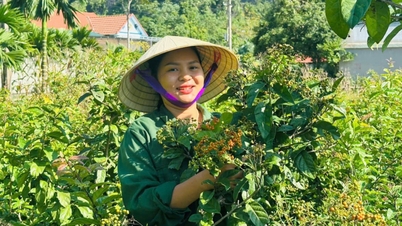
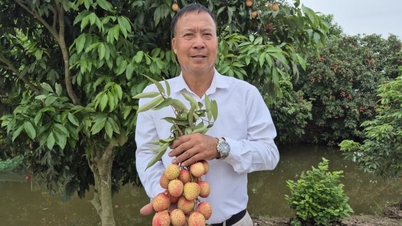
Besides sightseeing tours, Mr. Hè also creates innovative trips for tourists, such as going into the forest to collect honey, trying their hand at farming by picking coffee beans, and harvesting corn.
“These trips give tourists a firsthand experience, while the villagers earn extra income from homestay services, selling agricultural products, and making souvenirs. Seeing the villagers utilize available resources to generate income motivates me even more to develop tourism. For me, this is not just a side job, but also a way to preserve and promote Bahnar culture,” Hè expressed.
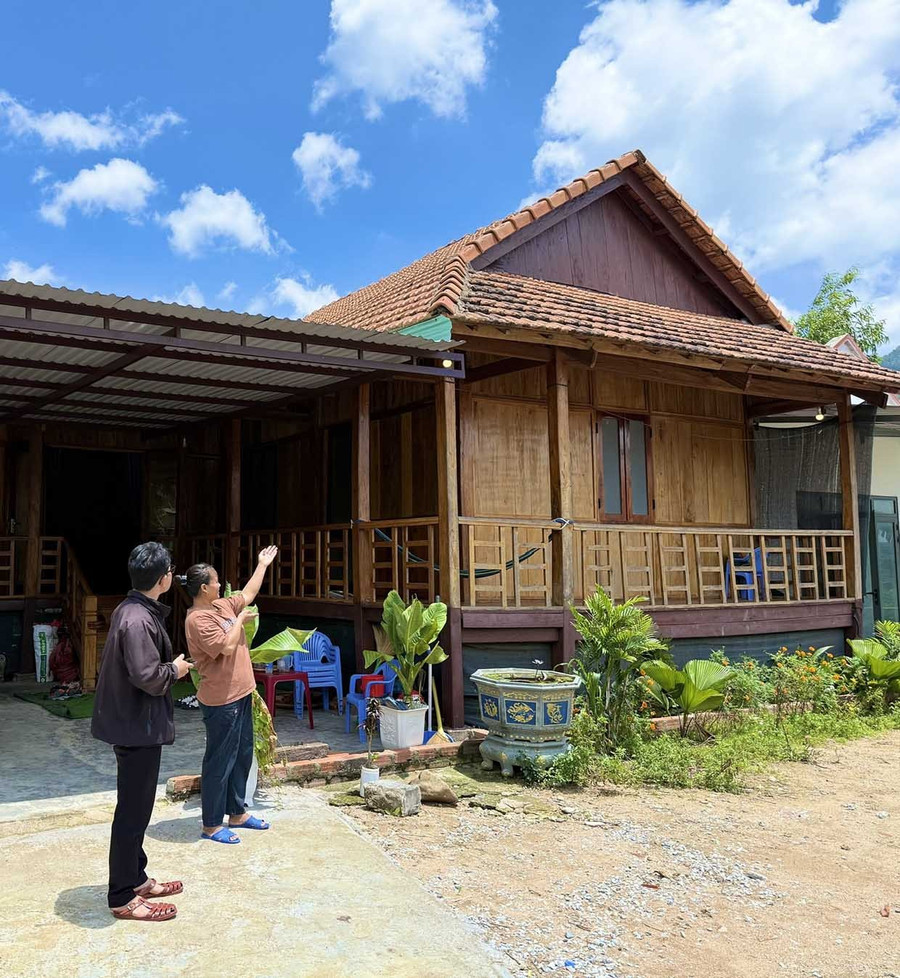
Upon arriving at Stơr resistance village (Tơ Tung commune), visitors will find the homestay of Mr. Đinh Mỡi and Ms. Đinh Thị Nhung. The homestay is only about 500 meters from the Hero Núp Memorial House. This is a popular accommodation choice for tourists who want to learn about the life and culture of the Bahnar people.
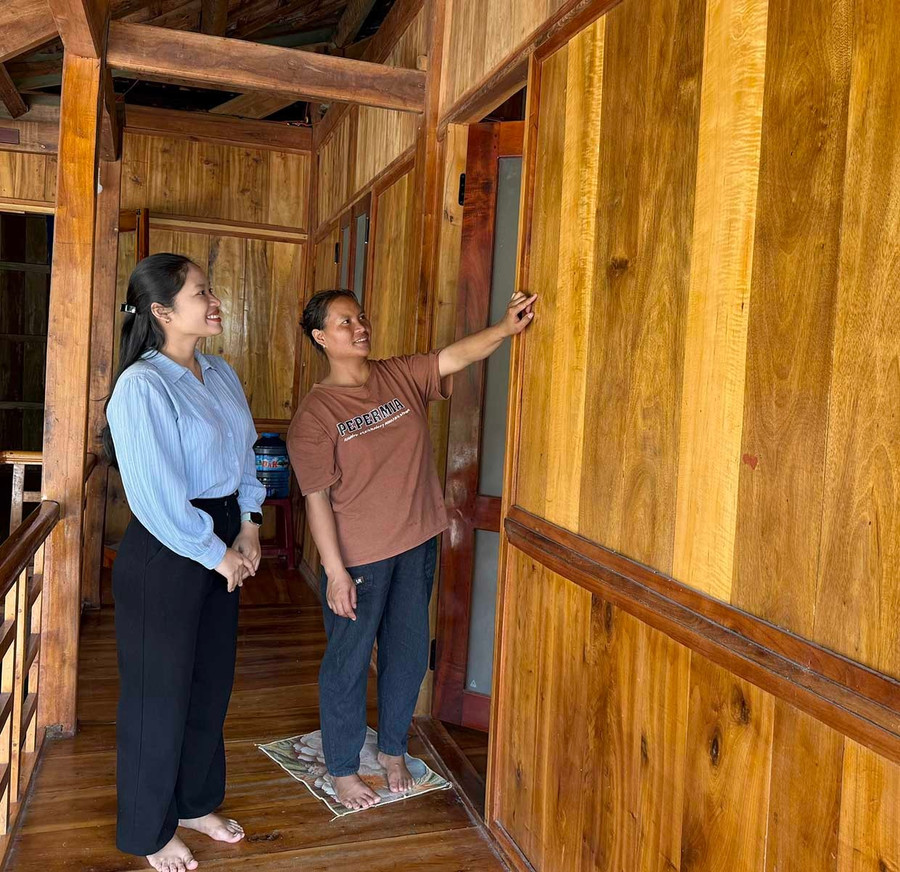
Born in a village rich in revolutionary traditions, Nhung and her husband aspire to promote the culture and history of their homeland. In 2020, they built a wooden homestay in the style of a Bahnar stilt house, gradually completing it by 2023 and welcoming their first guests in 2024. The homestay can accommodate 30 guests, with the busiest season being summer; during the rainy season, there are fewer guests, and the couple goes to work in the fields.
When staying at the homestay, visitors will have the opportunity to enjoy the everyday traditional dishes of the Bahnar people, such as: stir-fried cassava leaves with bitter melon, nham pung (vegetable porridge), stream fish, rock snails, grilled chicken, wild vegetables, etc.
Nhung and her husband also organize many activities for tourists, such as enjoying rice wine, traditional dances, and gong performances at the village's communal house, or watching artisans weaving, making brocade, and carving statues. Tourists also have many beautiful emotions and impressions when they are taken to visit the Hero Núp Memorial House. Through this, the couple not only creates a livelihood for their family but also contributes to helping the villagers earn income from things closely related to the life and culture of their ethnic group.
“When we first started the homestay business, my husband and I were worried because no one in the village had done it before. But thinking about how tourists would understand more about Bahnar culture when they came here gave us more motivation to continue. When we see tourists happily experiencing the place, enjoying meals with wild vegetables and stream fish, or being captivated by the sounds of the gongs, we feel very happy,” Nhung confided.
Source: https://baogialai.com.vn/khi-nguoi-bahnar-lam-dai-su-du-lich-post565759.html


































































Comment (0)