

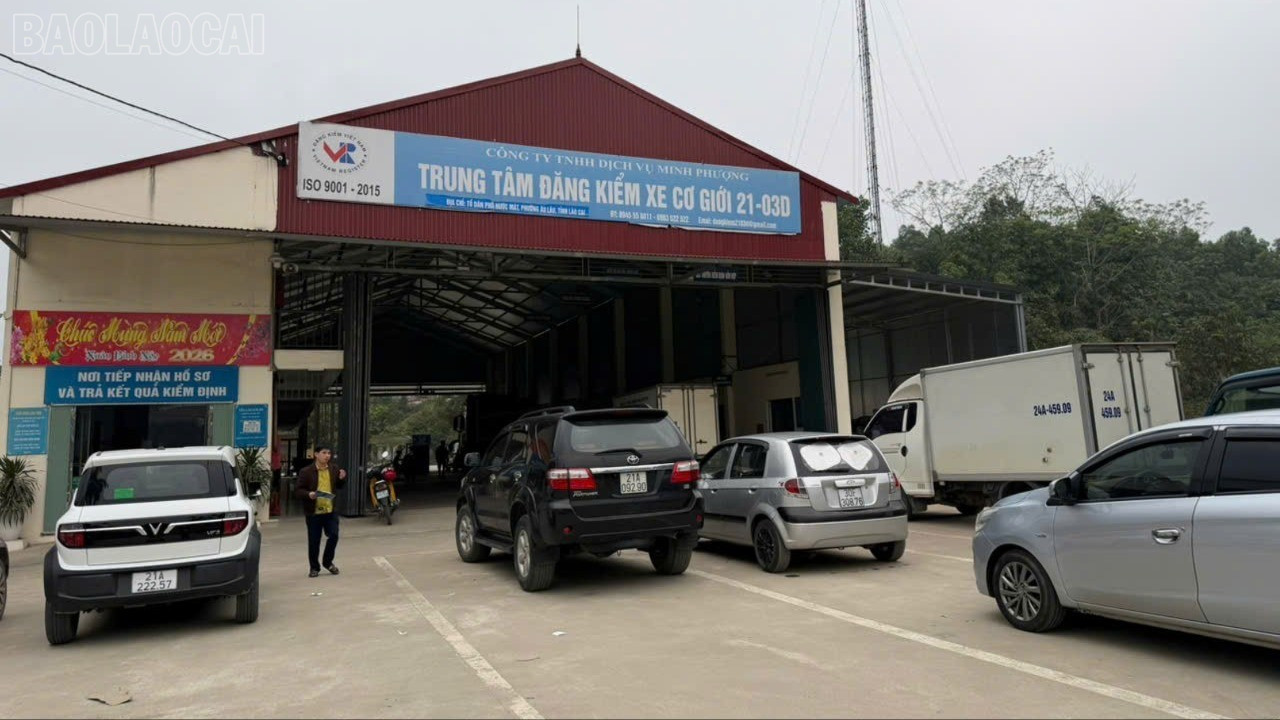
Vehicle inspection activities are proceeding normally.
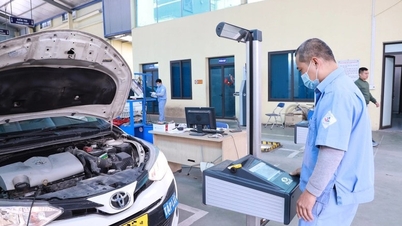
At the 2101S Motor Vehicle Inspection Center on Nguyen Thai Hoc Street, Yen Bai Ward, there were no vehicles waiting outside the gate. Inside, 12 vehicles were lined up for inspection; with this number, the inspection process was proceeding normally according to procedure.
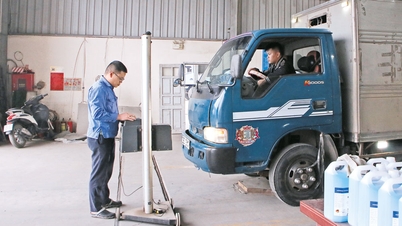
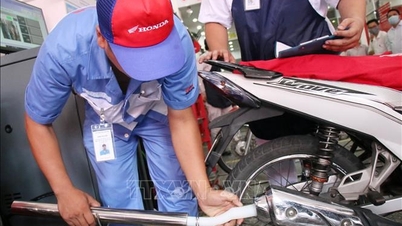
At the emissions testing station, inspector Nguyen Tuan Anh installed the equipment on the engine and exhaust pipe, then sat in the cabin and pressed the accelerator according to the inspection procedure. After updating the data into the computer, a few minutes later, the inspector announced that the vehicle met the emissions standards and instructed the driver to move the vehicle to the next inspection station.
During the vehicle inspection process, some drivers waiting for inspection, along with a few others, used their phones to record videos as a way of monitoring the inspection activity. In reality, the inspection process was not overly strict and did not affect the engine as some information circulating on social media suggested.
Mr. Tran Kien, a resident of Hong Nam neighborhood, Yen Bai ward, who brought his car for inspection, said he was quite worried beforehand, fearing that his 7-seater diesel car would not meet the standards when the inspector accelerated to check emissions. However, after the inspector completed the inspection steps, he felt completely reassured about the inspection process.
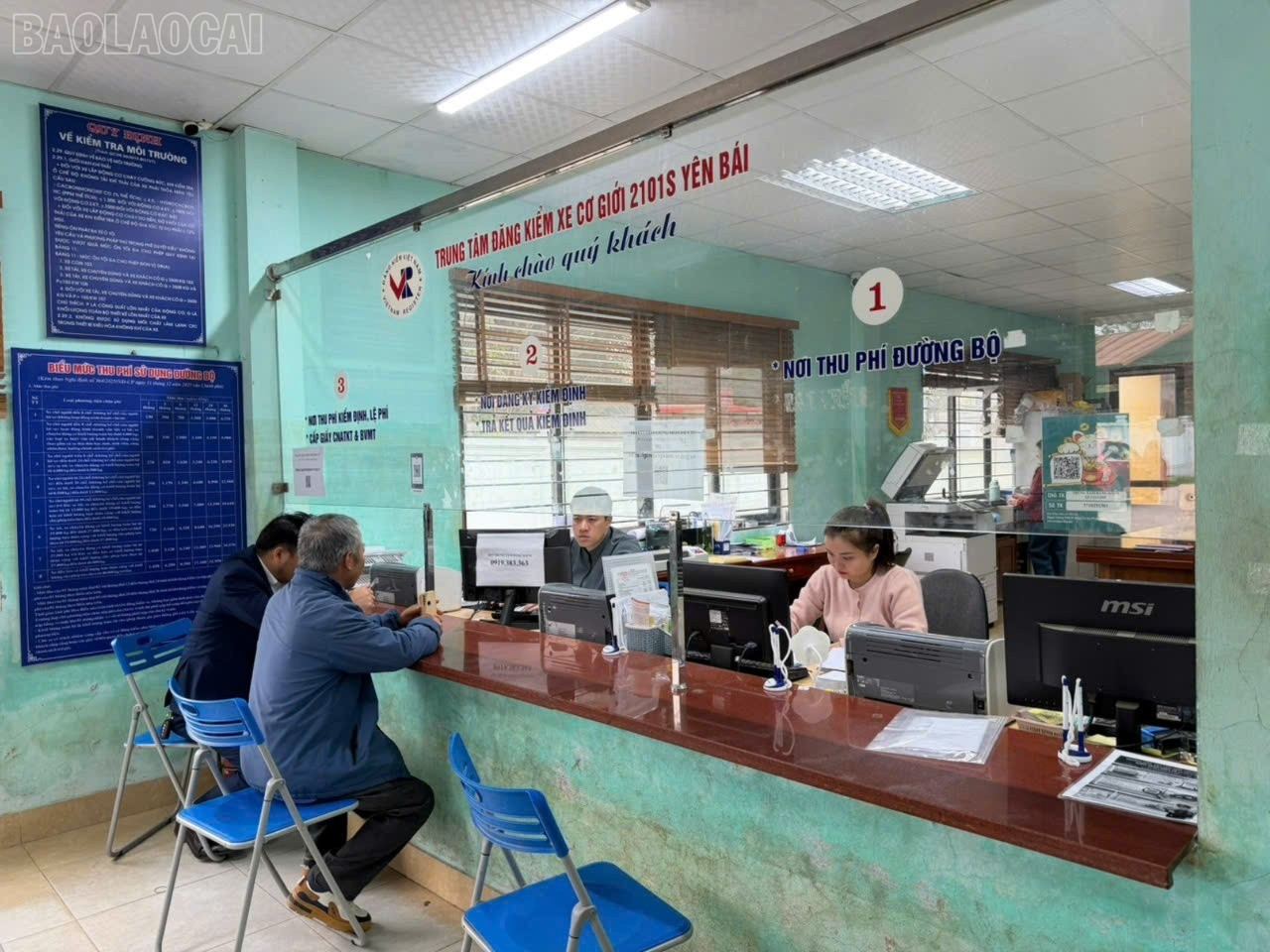
6-8% of vehicles do not meet technical safety standards.
According to Mr. Le Truong, Director of the 2101S Motor Vehicle Inspection Center, since the implementation of the new inspection process, vehicle inspection activities have continued as normal. The center inspects 50-60 vehicles daily, a number that does not cause congestion.
Statistics show that the percentage of vehicles failing to meet technical safety standards has increased by approximately 1.5-2% compared to before. Mr. Le Truong stated: "The figure of 6-8% of vehicles failing to meet technical safety standards is calculated based on the number of vehicles entering the inspection line, not all vehicles that come to the center. Because, before inspection, the inspectors conduct checks and advise the vehicle owners; if they see signs of not meeting technical safety standards, we advise the owner to have the vehicle serviced and repaired before returning for inspection."
According to him, this method may make the work of the center's staff more difficult, but it helps vehicle owners save time and costs, while ensuring technical safety and reducing emissions during use.
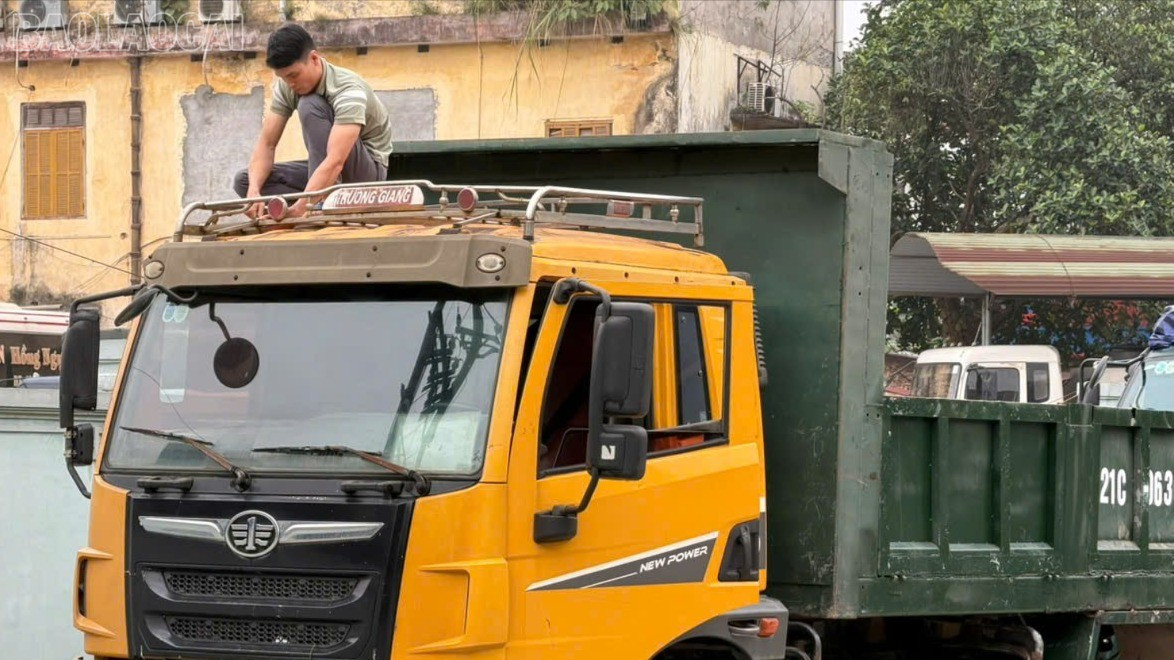
Driver Nong Van Tung from Luc Yen commune said: "The vehicle inspector advised that if I didn't remove the roof rack and replace the broken left headlight, the car wouldn't meet safety standards. Thanks to their guidance, I was able to fix it before the inspection, saving time and money."
While most vehicle owners proactively maintain their vehicles before inspection, some still bring their cars to the inspection center with dim headlights, worn tires, or unauthorized modifications such as installing roof racks or tire watering systems. These are common mistakes that can easily lead to failing the inspection.
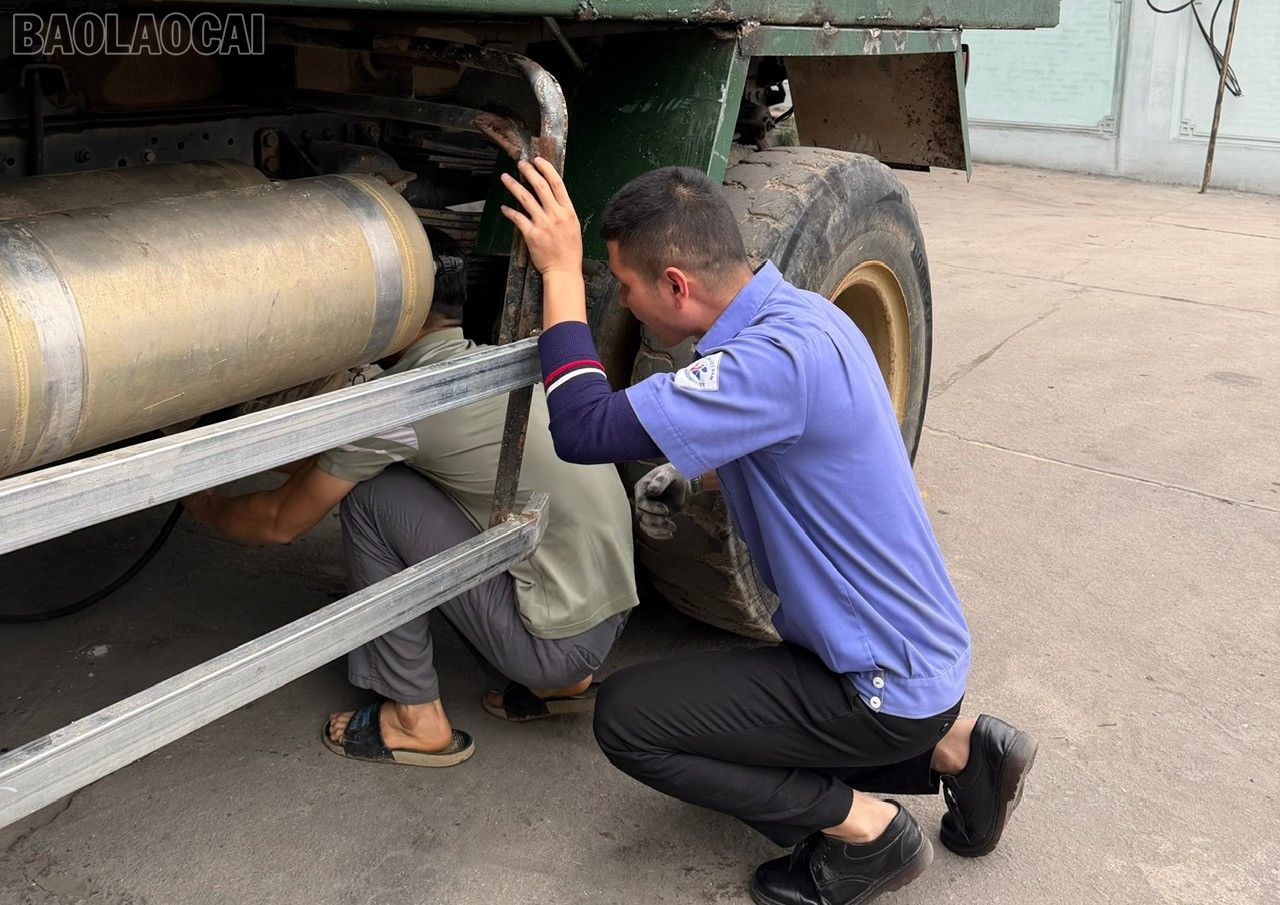
According to vehicle inspectors, emissions testing is the most stringent step in the vehicle inspection process. According to Decision 43 of the Prime Minister , automobiles must meet minimum emission levels corresponding to their year of manufacture at the time of inspection.
An official from the 21-03D Motor Vehicle Inspection Center stated: "Many older vehicles manufactured before 1999 still function well if regularly maintained. Conversely, some newer vehicles, due to heavy use, deteriorate quickly. Therefore, vehicle owners need to regularly maintain their vehicles to ensure technical safety and protect the environment."
According to Decision 43 of the Prime Minister , automobiles must meet minimum emission levels corresponding to their year of manufacture at the time of inspection.
From March 1, 2026, to before January 1, 2027, the following emission levels will apply:
Level 1: Cars manufactured before 1999
Level 2: Cars manufactured from 1999 to the end of 2016
Level 3: Cars manufactured from 2017 to the end of 2021
Level 4: Cars manufactured from 2022 onwards.
The regulations are still being refined.
In response to public concerns about the emissions testing process, the Vietnam Registering and Inspection Department has consulted with inspection centers to review and adjust regulations to better suit practical realities, while still ensuring technical safety and environmental protection.
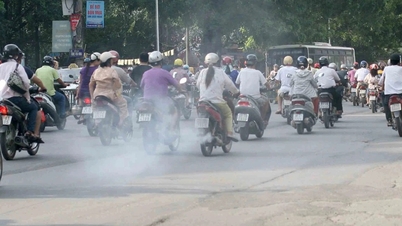
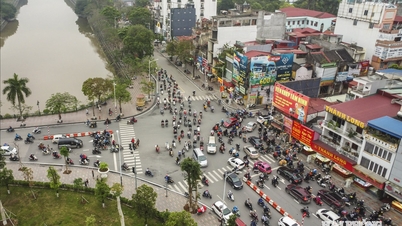
This is seen as a necessary step in the context of increasingly alarming air pollution in urban areas, with car emissions being one of the major sources of pollution.
Following the correct procedure will not damage the engine.
According to Mr. Nguyen To An, Deputy Director of the Vietnam Register, the inspection only lasts a few seconds, the engine is not under load, and the maximum speed is actually the speed limit set by the manufacturer. When the procedure is followed correctly (engine reaches sufficient temperature, short cycle, limited number of tests), the exhaust emission test does not damage the engine.
Furthermore, the free-acceleration emission testing method (quickly and continuously pressing the accelerator pedal all the way down to reach maximum fuel delivery by the high-pressure pump before releasing the pedal) is currently applied in over 70 countries and territories, including the entire European Union, Japan, South Korea, Australia, and most ASEAN countries. This is an internationally recognized scientific method for controlling diesel engine emissions. (According to Nguoi Lao Dong Newspaper)
Source: https://baolaocai.vn/tam-ly-lo-lang-dan-duoc-xoa-bo-post895682.html

































































































Comment (0)