From small-scale, fragmented production, many households have proactively formed associations, professional groups, cooperatives, and associations to share experiences, improve product quality, build brands, and find stable markets. These linkages are creating a foundation for farmers to prosper right in their own hometowns.
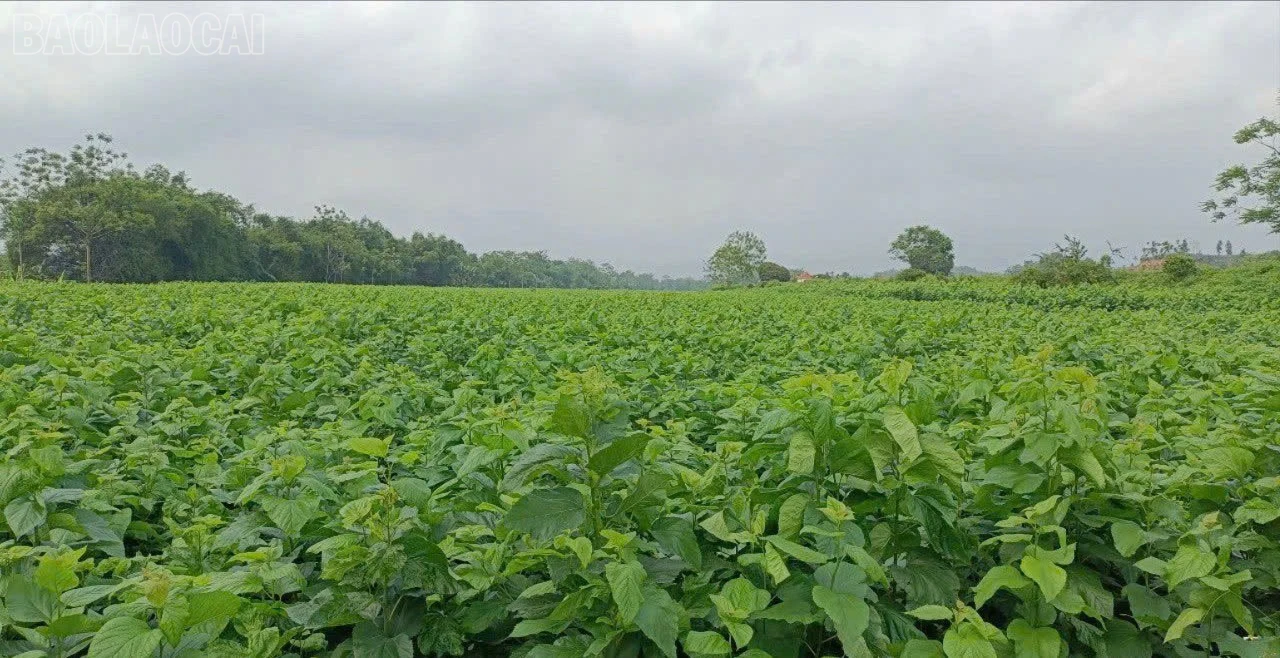
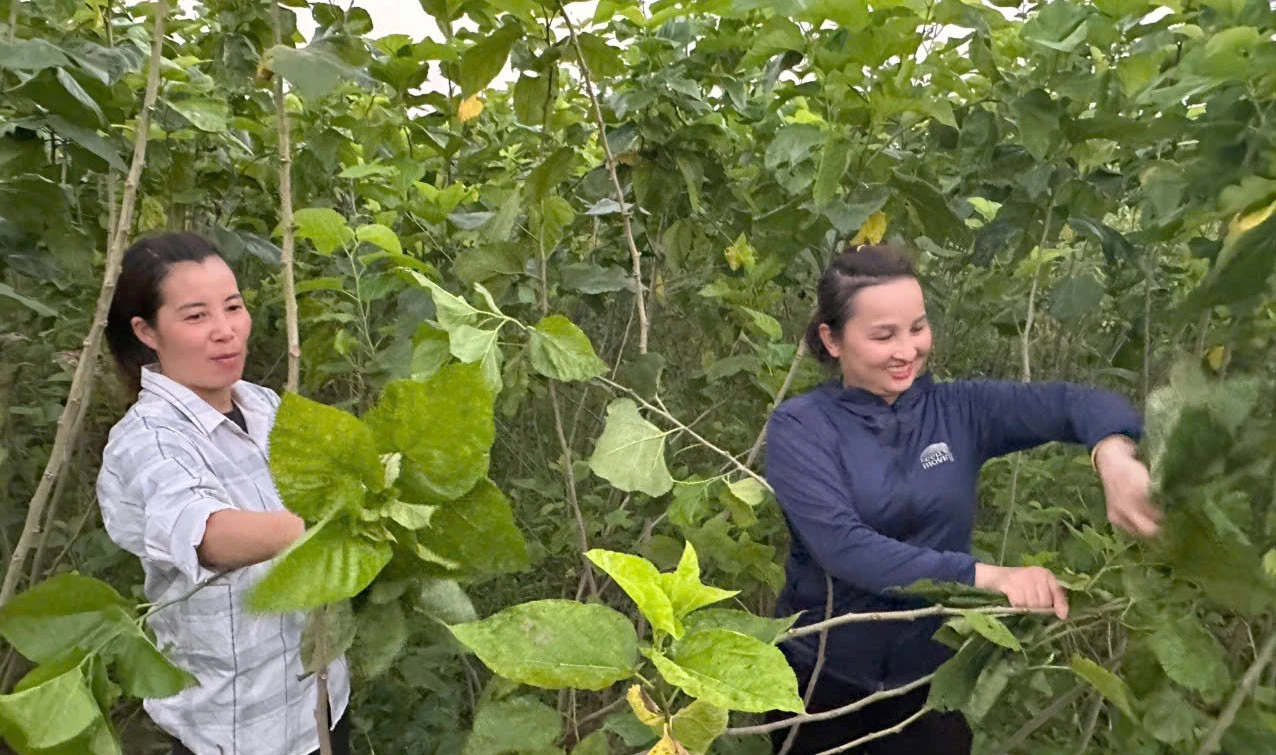
In Tran Yen commune, mulberry trees are becoming a high-income crop for many households. One of the exemplary models is the Dong Sam village's Professional Farmers' Association for Mulberry Cultivation and Silkworm Rearing, covering approximately 40 hectares.
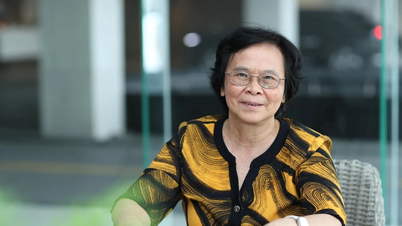
Ms. Tran Thi Nga , Head of the Professional Farmers' Association for Mulberry Cultivation and Silkworm Rearing in Dong Sam village, shared: "Taking advantage of the land and the desire to develop sustainable production, households in the village have boldly joined the professional association under the guidance and support of the Commune Farmers' Association."
During the production process, members regularly exchange farming techniques, share experiences, and apply scientific and technological advancements to improve productivity and product quality. In addition, the Farmers' Association of the commune organizes training courses, supports access to preferential loans from the Social Policy Bank, and connects with cooperatives, associations, and businesses to build a production and consumption chain.
As a result, the branch achieves revenue of nearly 12 billion VND per year, with an average profit of approximately 8 billion VND. Many members earn hundreds of millions of VND from this model.
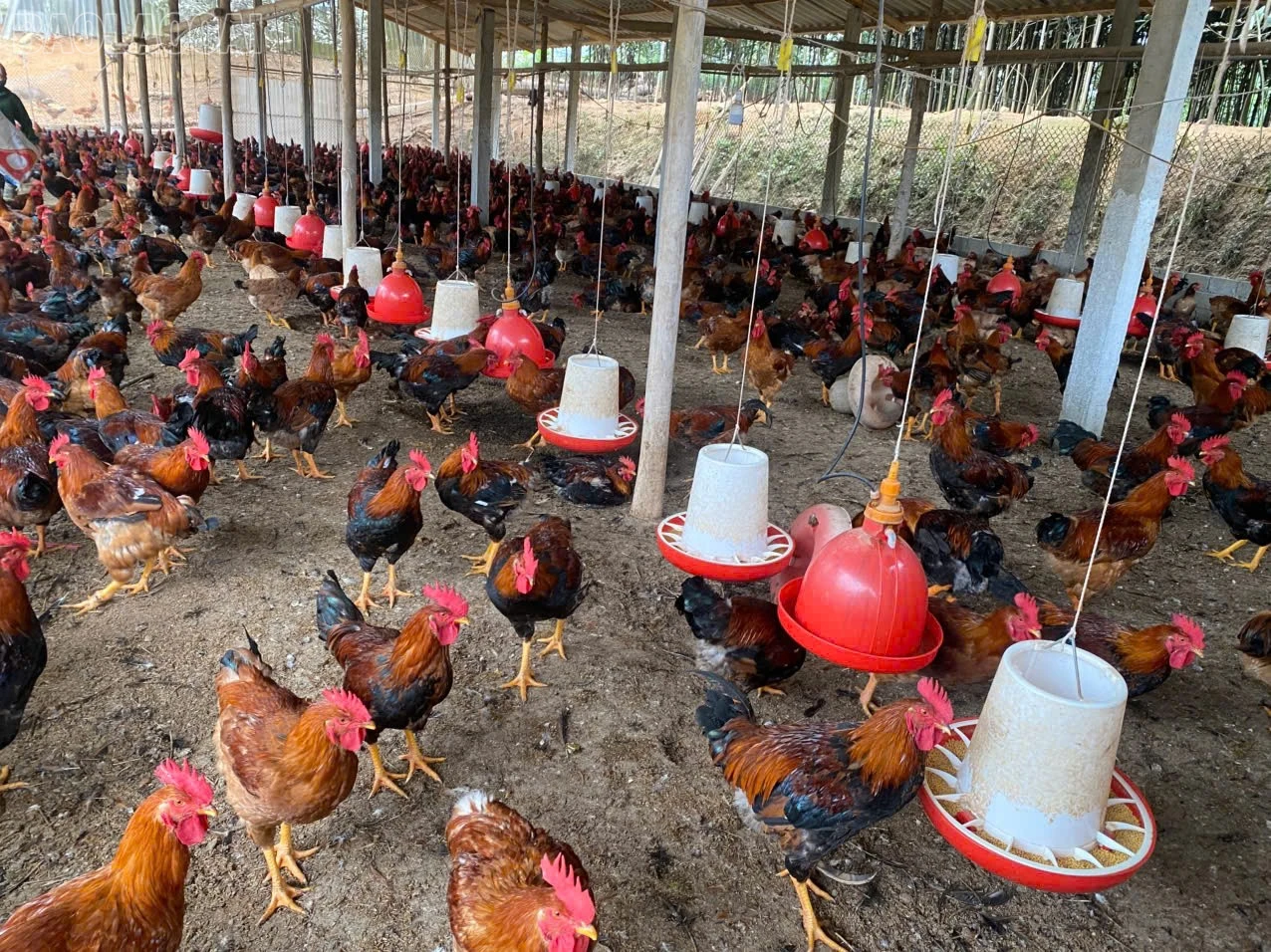
If the mulberry cultivation and silkworm rearing model demonstrates the effectiveness of linkages in crop production, then the An Tien village professional farmers' association for free-range commercial chicken farming in Bao Thang commune shows the strength of linkages in livestock farming.
Ms. Mai Thi Soi, a member of the branch association, said: "The members have built a network of mutual support, from selecting breeding stock, sharing care experiences, providing feed and labor, to warning about disease outbreaks."
Moreover, households facing capital difficulties or production risks receive timely support from other members. Members collectively apply safe farming practices, control product quality, and proactively seek markets for their products. As a result, many households in the branch achieve revenues and incomes reaching billions of dong each year.



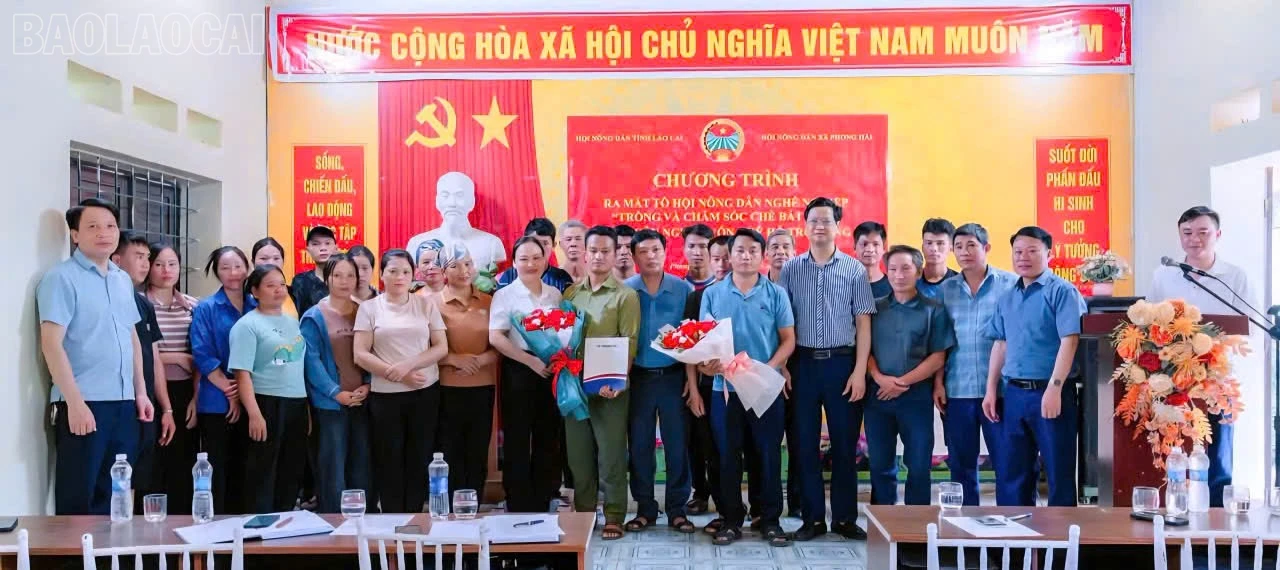
Mr. Nguyen The Truong, Chairman of the Farmers' Association of Bao Thang commune, said that when people in the same profession are brought together, they have the opportunity to exchange techniques, support production, link consumption, and share responsibility for product quality. This makes the association's activities more practical, strengthens member bonds, and further reinforces community spirit.
According to the Lao Cai Provincial Farmers' Association, in implementing the policy of developing the collective economy in agriculture, the associations at all levels have actively propagated, mobilized, and guided the establishment of production linkage models.
Over the past period, the association has established 166 professional farmers' branches with over 4,500 members and 687 professional farmers' groups with over 8,300 members. By the end of the first quarter of 2026, the entire province will have 707 professional groups and 170 professional branches.
Mr. Do Minh Huan, Vice Chairman of the Lao Cai Provincial Farmers' Association, stated: "The goal is not just to increase the number of cooperative groups or cooperatives, but more importantly, to foster a collaborative mindset among farmers, shifting from agricultural production to agricultural economic development. The local branches and professional associations are the core elements for forming cooperative groups, cooperatives, and sustainable production linkages in the future."
Building upon these initial models, many professional associations and branches throughout the province have proactively linked with businesses in the production and consumption of products, yielding clear economic benefits.
A prime example is the Professional Association for Pig Farming and Animal Feed Supply in Coc Sam 3 village, Xuan Quang commune, with an annual output of approximately 550 tons, revenue exceeding 20 billion VND, and an average profit of over 2.1 billion VND per year.
In Phong Hai commune, the Khoi Khe village's fish farming and breeding association has a scale of 18.5 hectares, generating nearly 2 billion VND in revenue per year, with an average profit of approximately 680 million VND.
In Ta Phin commune, the Ta Chai village orchid growing association, with a scale of 5,000 orchid pots, has achieved revenue of over 3 billion VND/year in the last three years, with an average profit of about 900 million VND.
Meanwhile, the Lam Thuong Commune Professional Farmers' Association for glutinous rice cultivation maintained an area of over 30 hectares, yielding over 165 tons, generating revenue of approximately 3.6 billion VND and a profit of about 1.8 billion VND.
Behind the development of collective economic models is the unwavering support of the Farmers' Association. Association branches at all levels not only disseminate the Party and State's policies and guidelines but also directly guide the establishment of models, organize technical training, support digital transformation, connect with markets, and create conditions for members to access capital.



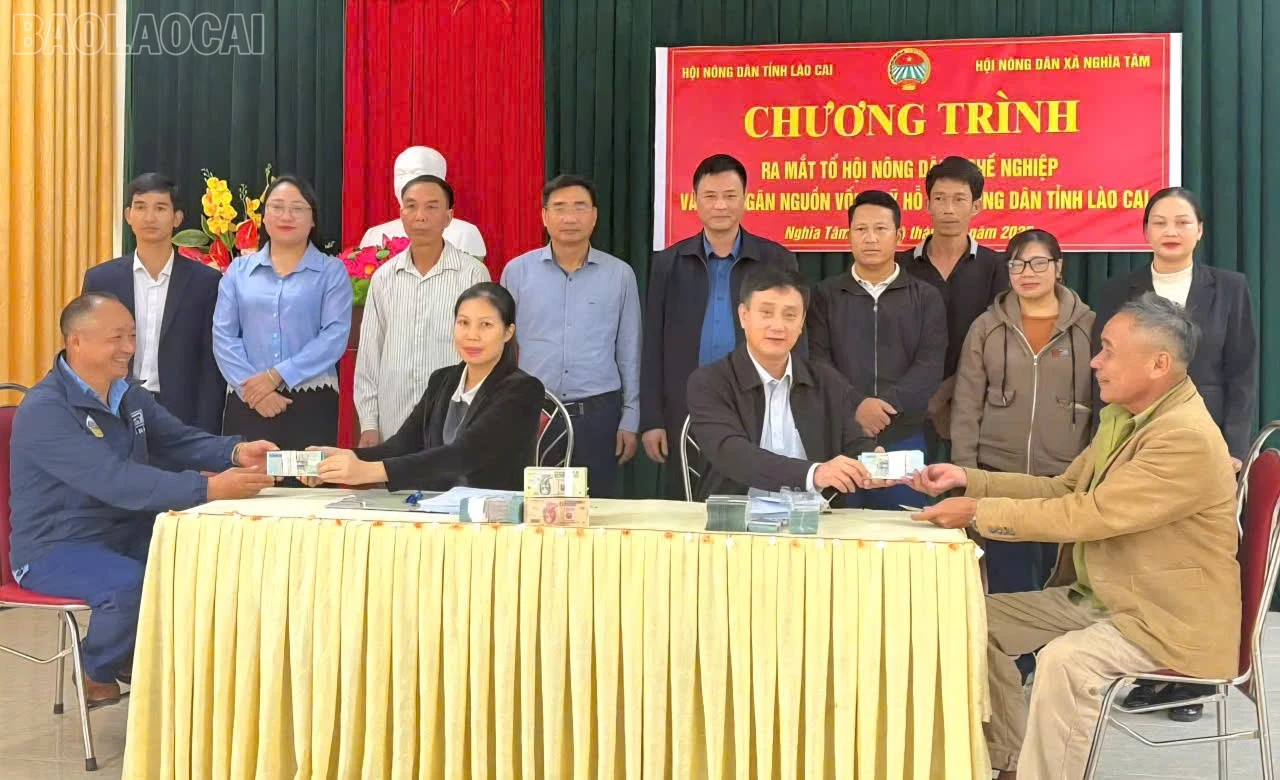
Excluding entrusted loan funds, by the end of the first quarter of 2026, the total outstanding debt from funds managed and supported by the Farmers' Association reached over 84.1 billion VND with 166 projects, creating conditions for 1,238 households to borrow for production development.
This resource has become a crucial leverage point, helping many farming households expand their production scale, increase their income, and gradually become wealthy in their own hometowns.
From effective production linkage models, it can be seen that when the Party's policies are concretized through practical actions, when farmers know how to cooperate and support each other for mutual development, and when associations truly become a solid support for their members, the path to prosperity in the homeland will become increasingly open. This is also the foundation for building a sustainable agricultural sector, improving people's lives, and contributing to the socio-economic development of the locality.
Source: https://baolaocai.vn/khi-nong-dan-sat-canh-lam-giau-post901409.html
![[Image] National conference summarizing one year of operation of the overall organizational model of the political system, the three-tiered government model.](https://vphoto.vietnam.vn/thumb/1200x675/vietnam/resource/IMAGE/2026/07/01/1782882811691_ndo_br_1-jpg.webp)