The market still prefers it.
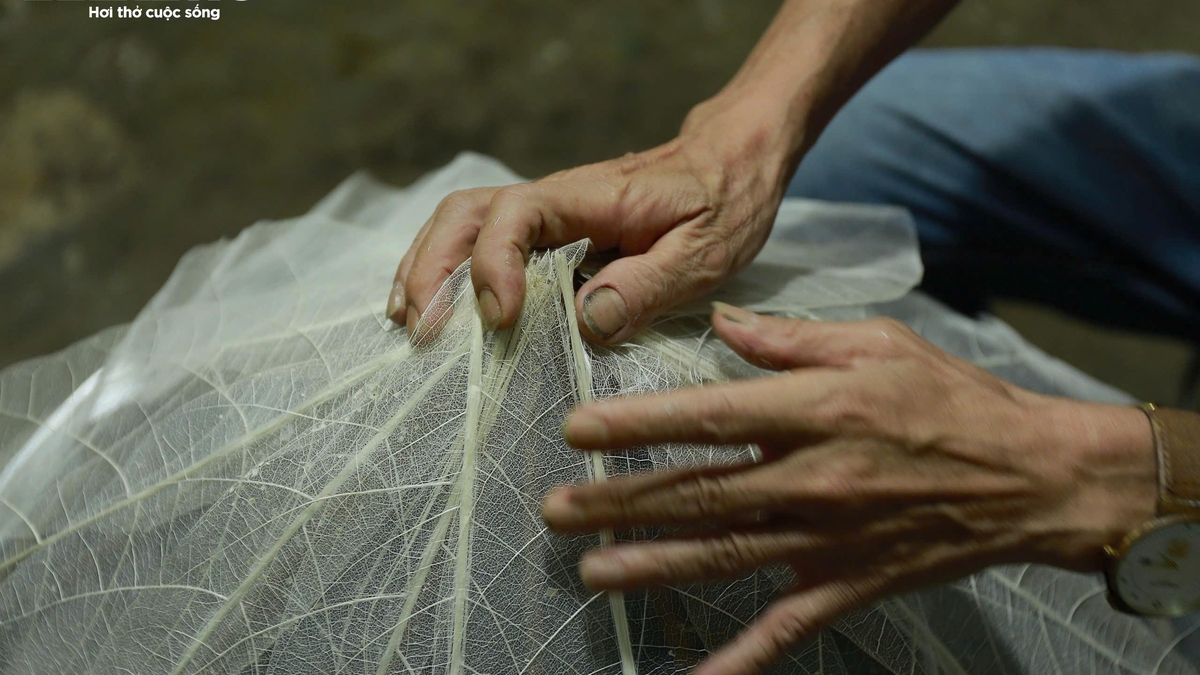
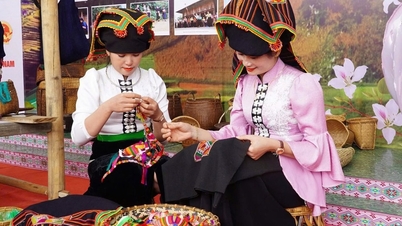
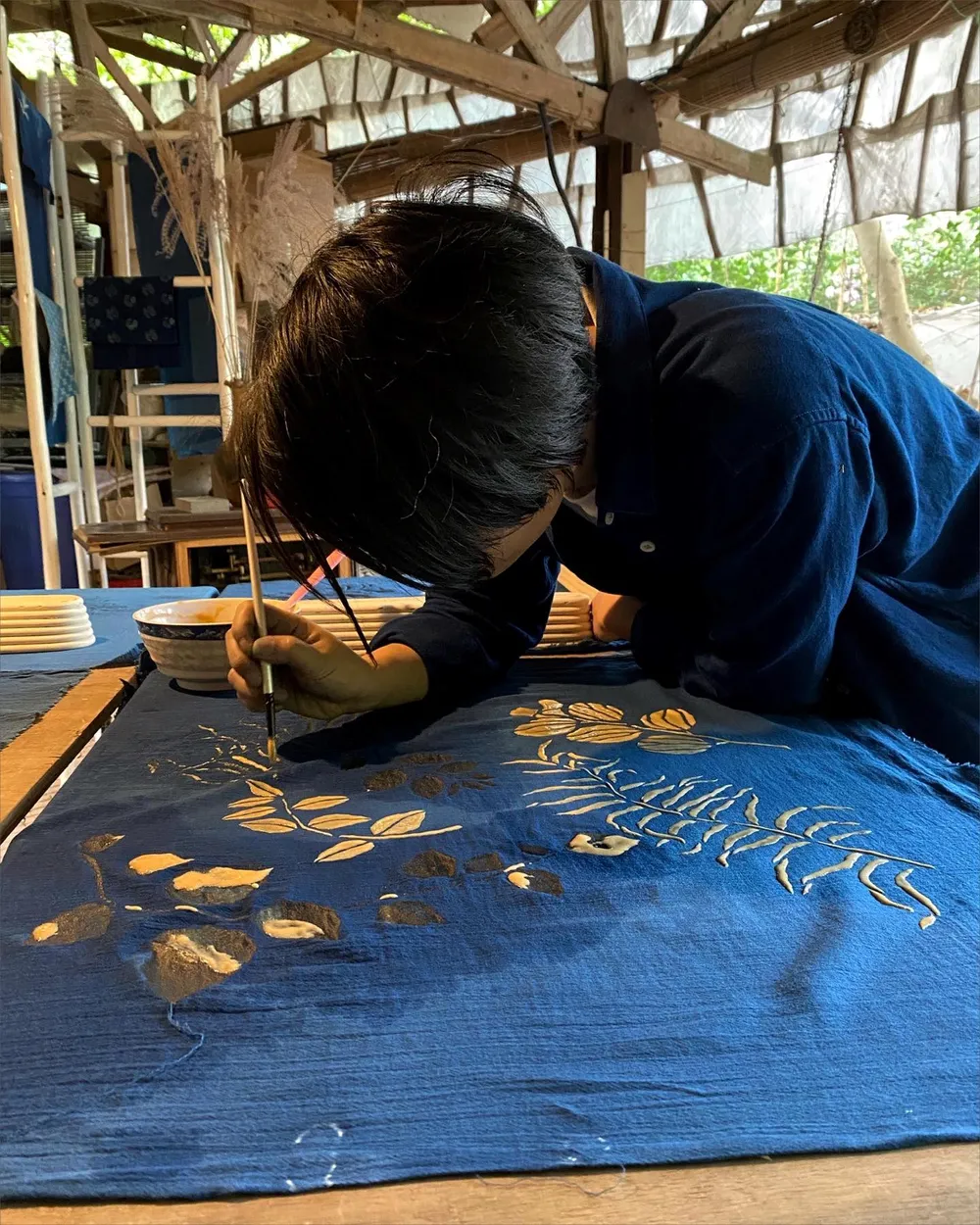
AI and modern tools have become powerful tools for creative individuals. From an initial idea and appropriate commands, AI can quickly generate a wide variety of products according to user requests. This could be a custom-styled painting, a meticulously edited photograph, or a unique video . All of these contribute to a vibrant and colorful digital landscape. However, amidst this constant flow, many people still choose to find a "break" with simple, unique handcrafted products.
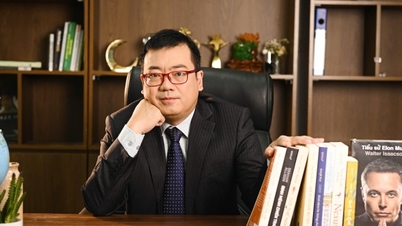
Mr. Hoang Thanh Phuong (director of a software company in Ho Chi Minh City) shared: “On my desk, I have a desk lamp with a lampshade made of handmade paper, depicting the ‘Mouse Wedding’ scene. Whenever I feel stressed or tired, I look at it and feel like I see the craftsman meticulously drawing each stroke. Here, the mouse slightly turns its head to smile; there, the horse sways… That feeling is something that industrial products, no matter how sophisticated, cannot replicate.”
The value of handicrafts is maintained by the skill of the artisans and the appreciation and understanding of customers. A prime example is the bat motif on Nha Xa silk shirts ( Hanoi ), which initially became known to consumers when it appeared on the clothing of some famous artists. However, it was only when the unique characteristics of "hand-woven" silk were understood that Nha Xa silk truly won over customers. Many are willing to spend a large sum of money to own a product created by the hands of skilled artisans, with significant time and effort dedicated to each stage of the process.
Timeless value


Unlike mass-produced industrial products, customers appreciate handcrafted items not only for their functionality or aesthetics. The story, emotions, and personal touch embodied in each handcrafted item are what truly matter.
“Understanding the potential for growth and the true value of handicrafts, we focus more on the creative process and the emotional value that the products bring. Instead of trying to please everyone, we choose to create the best products within our capabilities, bearing unique characteristics,” said Ms. Kim Ngan (owner of Cera Magic pottery shop, based in Hanoi).
However, developing handicrafts is not an easy task. Ms. Hang Anh (owner of Do Do lamp shop in Thai Nguyen ) said that all handicraft businesses share a common difficulty: the production process is complex, time-consuming, and heavily dependent on objective factors such as the quality of raw materials, weather conditions, and the skills of the craftsman.
In addition, many small-scale craft establishments and businesses struggle to balance production time with the increasing demands of customers.
“Recently, customers have favored products that strongly reflect national identity. Our products also follow that trend, using traditional dó paper and linen fabrics, along with drawings based on patterns from the Ly-Tran dynasties. However, the supply of materials for traditional production is very low, and hand-painting to ensure quality cannot be done quickly. Under these circumstances, to maintain our reputation for quality, we have to accept losing many customers,” Ms. Hang Anh shared.
The existence and development of handcrafted art products in the context of industrialization demonstrates a reality: when artistic value is more clearly recognized, products associated with the stories, emotions, and efforts of artisans always have a place in social life. And this increased attention has created a strong motivation for craftspeople to strive for creativity, assert their unique style, and preserve artistic values.



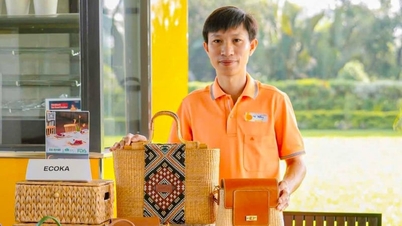
On social media, the interest in handcrafted products partly reflects current consumer trends. The products showcased are very diverse, ranging from common items like jewelry and household goods to high-value home decorations such as ceramic statues, hand-folded paper flowers, and art models... all of which are well-received and attract customer attention.
Source: https://www.sggp.org.vn/khi-su-moc-mac-duoc-lua-chon-post857419.html

![[Photo] The 13th National Congress of the Youth Union conducts personnel work.](https://vphoto.vietnam.vn/thumb/1200x675/vietnam/resource/IMAGE/2026/06/24/1782299943080_ndo_br_1-6868-jpg.webp)

![[Photo] Opening Ceremony of the 13th National Congress of the Ho Chi Minh Communist Youth Union](https://vphoto.vietnam.vn/thumb/1200x675/vietnam/resource/IMAGE/2026/06/24/1782286753905_ndo_br_1-8510-jpg.webp)
![[Photo] General Secretary and President To Lam attends the Central Public Security Party Committee Conference](https://vphoto.vietnam.vn/thumb/1200x675/vietnam/resource/IMAGE/2026/06/24/1782302063612_a1-bnd-9302-9166-jpg.webp)