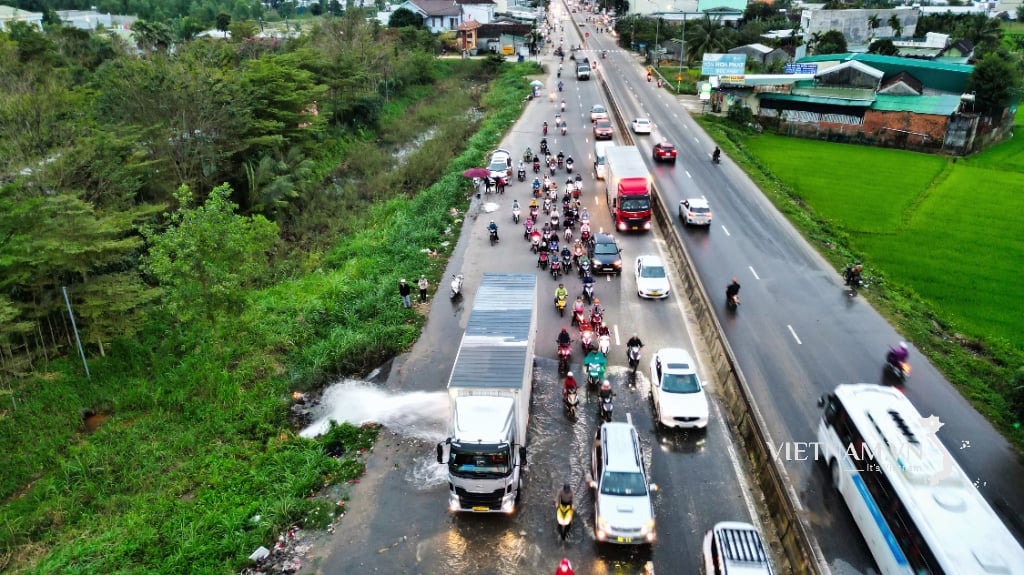
Photo: Hoang Tuyet/News and Ethnic Groups Newspaper
The Resolution of the 14th National Congress of the Communist Party of Vietnam clearly defined the requirement to build a new growth model based on science, technology, innovation, digital transformation, and green transformation; promoting the digital economy and the green economy... This is a strategic direction, reflecting the long-term development vision of the country in the new context.
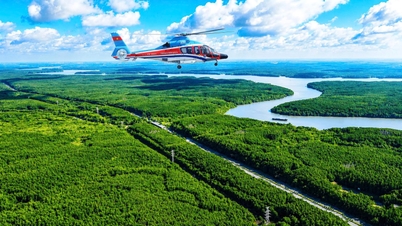
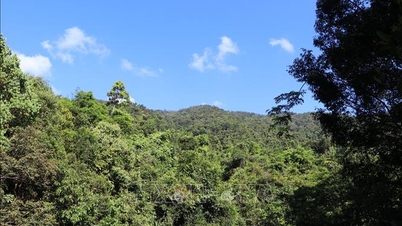
The story of Can Gio, Ho Chi Minh City, is a prime example of green transformation towards sustainable development. With its low-lying terrain, surrounded by rivers and the sea, Can Gio is considered one of the areas directly affected by climate change in Ho Chi Minh City. Therefore, along with the development of renewable energy and a green economy, the conservation of the mangrove ecosystem has always been a prerequisite in the local development strategy.
Dr. Huynh Duc Hoan, Head of the Ho Chi Minh City Protective Forest Management Board, believes that the Can Gio mangrove ecosystem is considered an "ecological shield" that helps reduce the impact of climate change, limit erosion, and protect the living environment for coastal communities. Mangrove forests have a very large capacity to absorb and store carbon, especially a large amount of carbon is stored long-term in the mangrove soil and natural sediments. This is considered a particularly important resource in the goal of reducing greenhouse gas emissions and developing a carbon credit market in the future. In Can Gio, green livelihood models are considered a suitable approach to solve this problem. From solar power models on shrimp ponds, harvesting nipa palm sap to developing ecotourism, these models create economic value while minimizing the impact on the mangrove ecosystem.
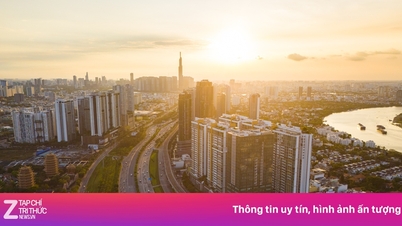
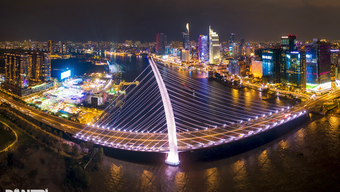
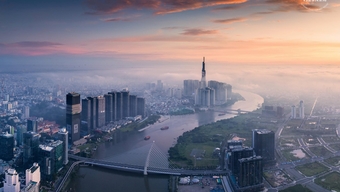
Not only Can Gio (Ho Chi Minh City) but many localities across the country, especially large cities like Hanoi and Da Nang, are playing a pioneering role in green transformation, aiming to reduce emissions, respond to climate change, and build smart cities.


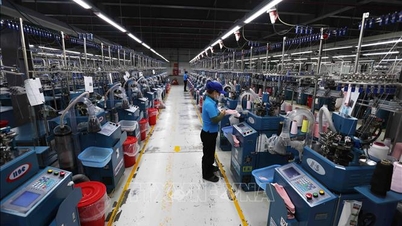
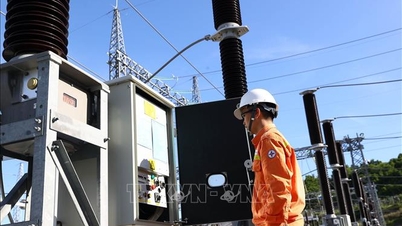
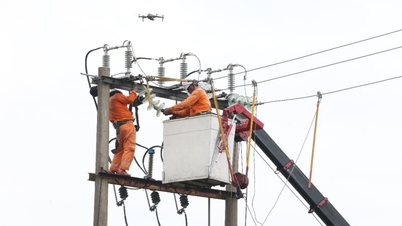
From a business perspective, awareness of green transformation has increased significantly. According to Mr. Nguyen Trung Kien, Northern Region CEO of An Cuong Wood Joint Stock Company, a major enterprise in the field of materials, solutions, and furniture made from engineered wood in Vietnam and Southeast Asia, An Cuong develops material lines that meet low-emission standards; in operation, it optimizes energy, enhances automation, and conducts greenhouse gas inventories according to ISO 14064-1, verified by an independent body. At the same time, the company also operates a management system according to international standards ISO 9001, ISO 14001, and ISO 45001 to ensure synchronized quality, environmental, and safety management, supporting the business in controlling emissions and improving operational efficiency. Currently, the company is also gradually applying clean energy such as solar power systems.
"An Cuong is steadfast in its journey towards Net Zero and considers this a central direction in the company's sustainable development strategy. We implement a comprehensive ESG (Environmental - Social - Governance) strategy; in which emission reduction is carried out throughout from materials to operations and community activities," Mr. Nguyen Trung Kien emphasized.
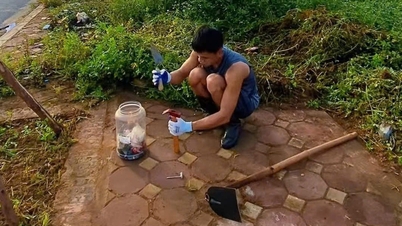
For the people, the green transition is gradually taking shape in their awareness. Mr. Tran Trung Nghia, a resident of Phuc Loi ward, Hanoi, shared: "My family always seriously implements energy saving measures, installing a solar power system to utilize clean, natural energy sources, while minimizing plastic waste. Changing our consumption mindset and using clean, green, and environmentally friendly energy is a direct contribution to reducing emissions and protecting the living environment."
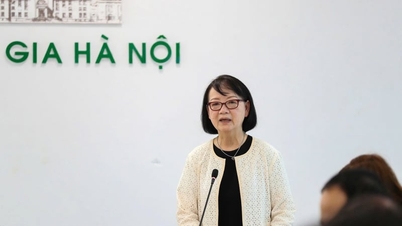
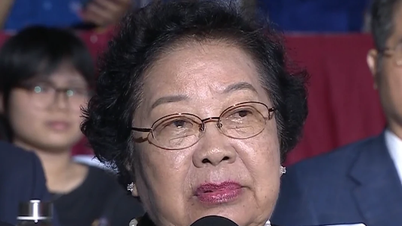
However, green transformation currently faces many difficulties. According to Ms. Pham Thi Truc Hoa Quynh, M.A., from the Institute of Economic and Financial Strategy and Policy (Ministry of Finance), green transformation is currently mainly occurring in isolation, lacking synchronization to fully utilize its potential to increase productivity and efficiency for businesses and economic activities; Vietnam's institutional and ecosystem for green transformation is still not fully developed and not strong enough to promote it on a large scale. In addition, many domestic businesses face financial difficulties related to the costs of green transformation...

To make green transformation a driving force for growth, Deputy Minister of Agriculture and Environment Le Cong Thanh affirmed that green transformation needs to be placed at the center of the new growth model; at the same time, resources must be unlocked through green credit, green bonds, sustainable finance, carbon markets, and environmental economic instruments. For businesses to transform their technology, for people to change their means of transportation, and for the economy to reduce emissions, there must be clear policies, capital, criteria, and appropriate incentive mechanisms.



"Green transformation is not a fixed destination but a continuous journey of innovation and creativity. Each locality and enterprise needs to take concrete action, not wait, and not stand aside," Deputy Minister Le Cong Thanh emphasized.
Suggesting several solutions for green transformation, Ms. Pham Thi Truc Hoa Quynh stated that it is necessary to improve the institutional and legal framework for green transformation; continue to raise awareness and support businesses, especially in the process of implementing green transformation; promote the green finance market and sustainable financial instruments...
Green transformation is no longer solely an environmental issue, but has become a direct requirement for economic development, production, consumption, and the competitiveness of the economy. Green transformation must be viewed as a comprehensive process; in which the State creates institutions, standards, policies, and a favorable environment. Businesses innovate technology, use energy efficiently, and develop environmentally friendly products and services. People change their consumption habits, choosing greener, more energy-efficient means of transportation and reducing plastic waste. When these three entities move together, green transformation has the opportunity to become a sustainable trend.
Source: https://baotintuc.vn/kinh-te/kieng-3-chancho-chuyen-doi-xanh-20260703084145026.htm