

Coral reefs are a precious gift from the sea, and also proof of a clean marine environment, ensuring conditions for the growth and development of this primitive animal. In Ha Long Bay, coral reefs are even more valuable because they are located in warm waters with naturally high turbidity. According to surveys by scientists , Ha Long Bay is one of the three marine areas in Quang Ninh province that still have coral reefs...
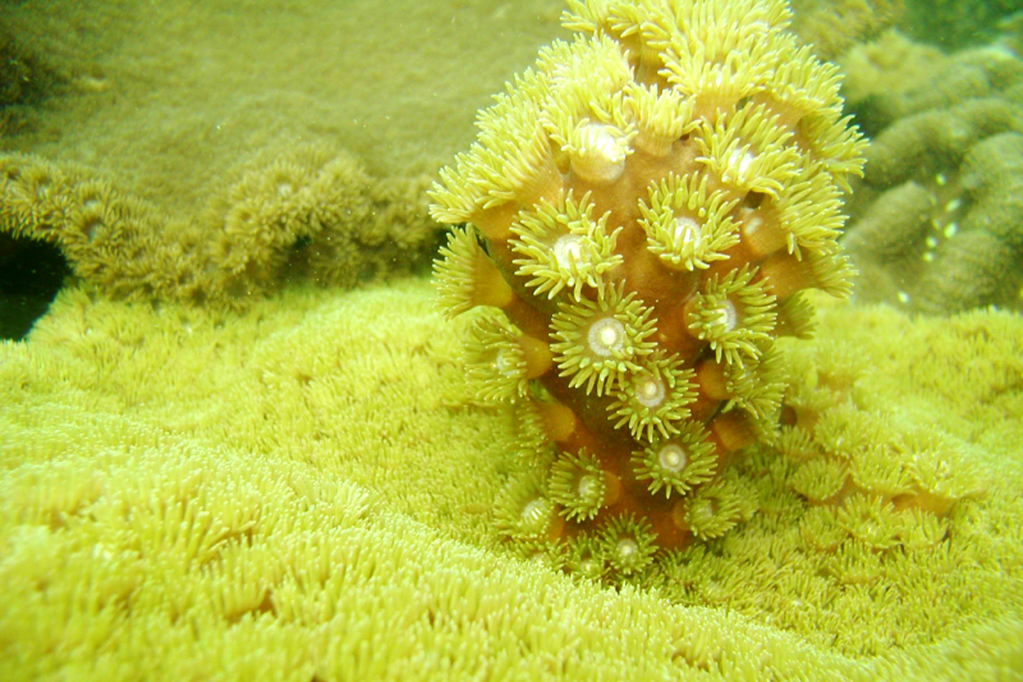
Coral reef ecosystems are one of the most representative ecosystems of Ha Long Bay. The coral reefs here are mainly composed of hard coral species. According to the results of the 2015 biodiversity survey of Ha Long Bay, there are 110 species of hard coral and 37 species of soft coral in the bay. The areas with the highest concentration of coral in Ha Long Bay are Cong Do, Tra San, Hang Trai, and Dau Be (with coral cover ranging from 30% to 45%). Sharing with us, Dr. Do Dinh Minh, Head of the Fisheries Sub-Department (Department of Agriculture and Rural Development), assessed that Ha Long Bay at that time, compared to the entire province and similar sea areas in the North such as Cat Ba ( Hai Phong ) and Hon Me (Thanh Hoa), still had the richest number of coral species.
Beneath the sea surface, thanks to a relatively stable environment with many caves and crevices for shelter and protection from predators, the coral reefs of Ha Long Bay are home to thousands of different marine organisms, such as phytoplankton, zooplankton, seaweed, annelids, sponges, mollusks, crustaceans, echinoderms, fish, and many species of significant economic value, such as geoduck clams, razor clams, grouper, pearl oysters, and lobsters.
In addition, the coral reefs of Ha Long Bay are home to many endangered and rare species listed in the 2007 Vietnam Red List, such as: wrinkled seagrass, spiny seahorse, Japanese seahorse, black seahorse, flat-branched horn coral, rough-capped coral, capped coral, nine-holed abalone, three-spined horseshoe crab, male conch, female conch, spiral-shelled snail, black-lipped pearl oyster, mantis shrimp, tiger-striped cuttlefish….
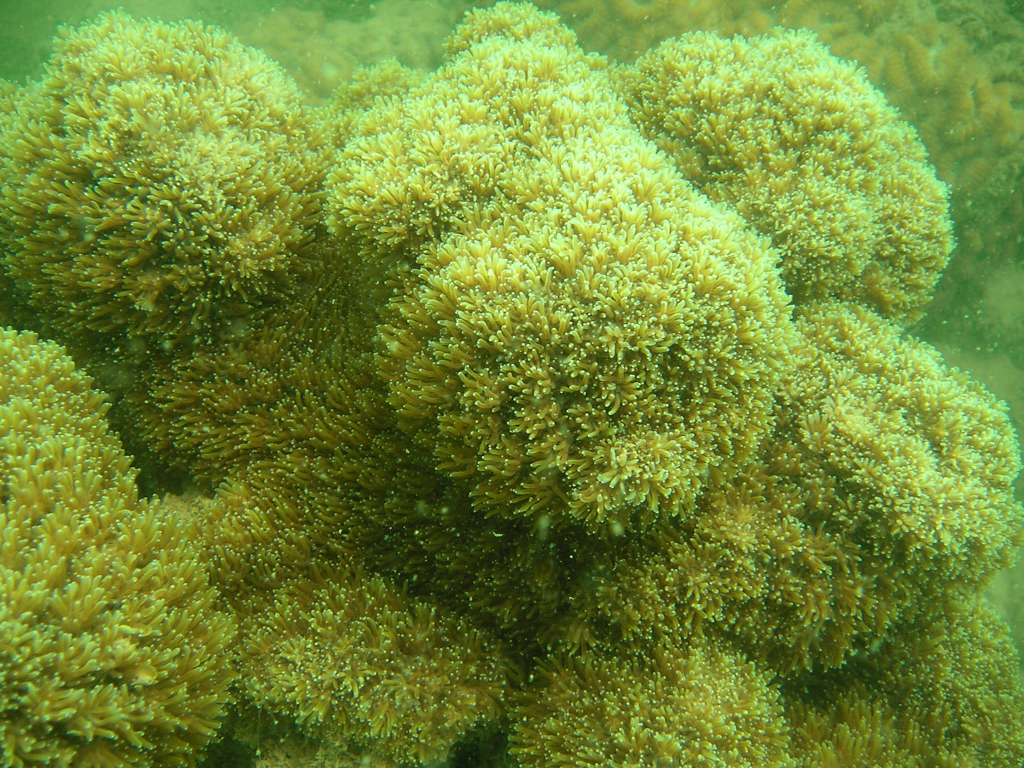
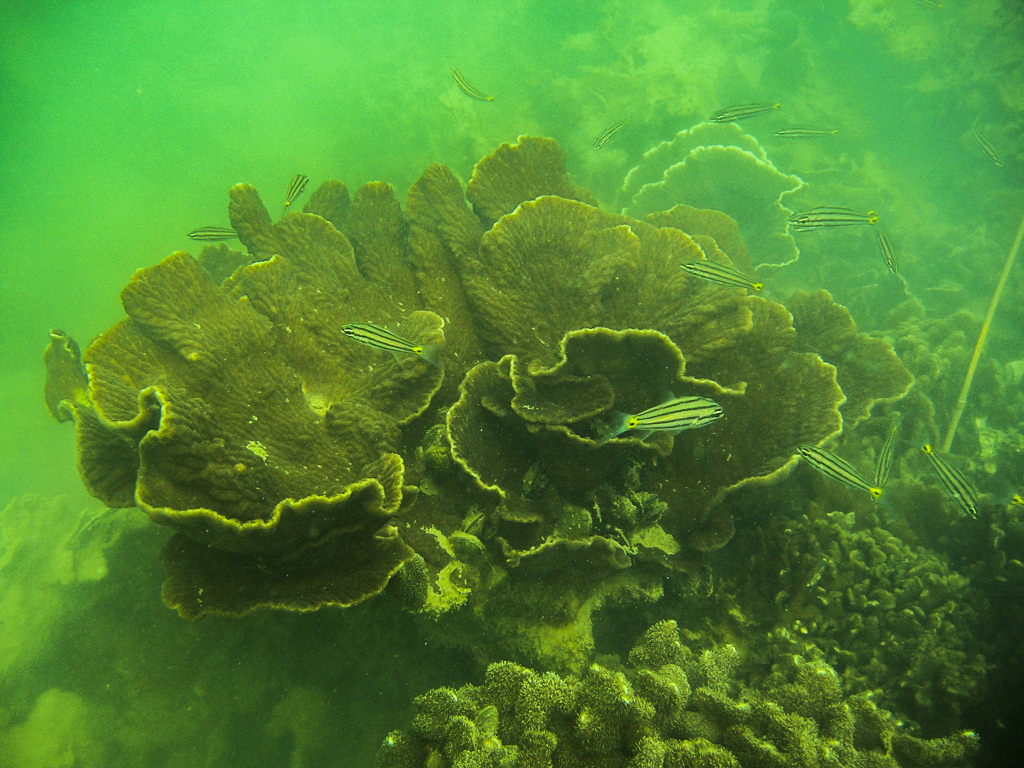
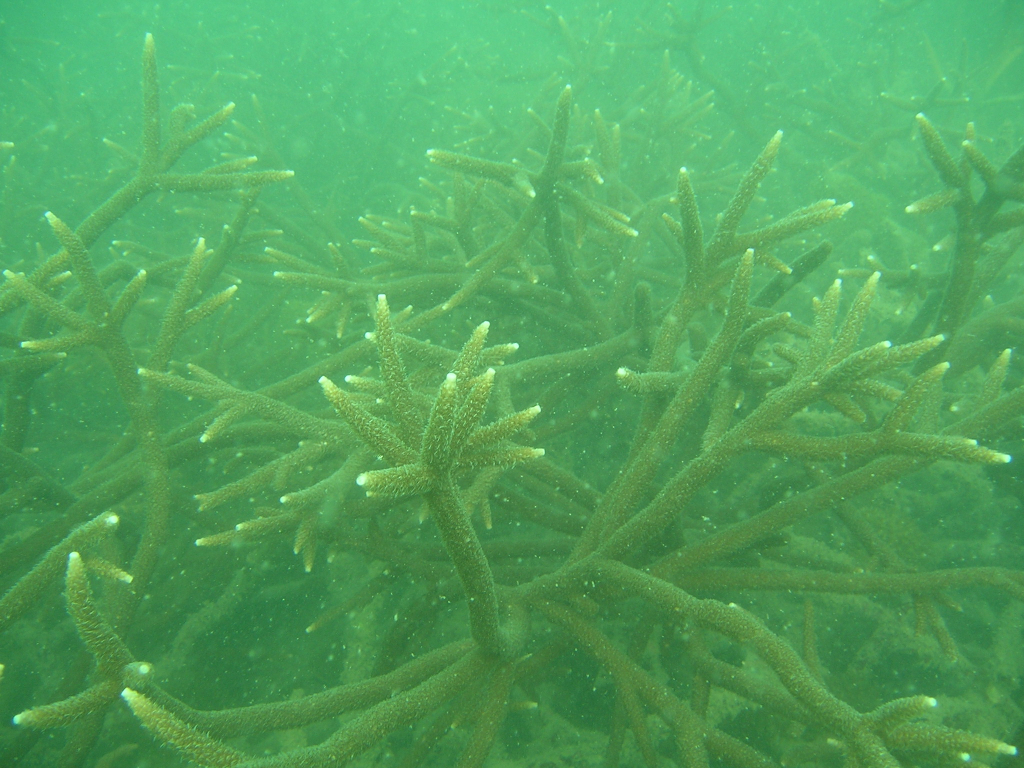
The coral reefs beneath the sea, with their myriad colors and shapes, create incredibly fascinating natural landscapes, likened to a tropical forest at the bottom of the ocean. It's truly hard to imagine the vibrant colors of countless coral species beneath the murky waters. Some corals resemble tiny, charming mushrooms, others have branching stems like deer antlers, some form clusters of thousands of stars or tiny, blooming flowers, some resemble mushroom-like growths, others look like strange green cabbages, and some release delicate, silken threads like the flowing hair of a fairy…
Research reveals that coral reefs in Ha Long Bay before 1998 were quite lush, with some reefs classified as good or very good, corresponding to coverage of over 51% and over 76%, respectively. These reefs were mainly distributed around the limestone islands in the bay, including those near the shore, with many reefs stretching hundreds of meters in length and width. However, like many other marine areas, the coral reefs here have significantly declined in coverage and area over the years. A 2015 survey showed that no reefs were considered good, the coverage of the best reefs was below 50%, and the average coverage across the entire bay was only about 20%. Not only the coverage, but the range and distribution of species in the reefs are also much lower than before.
During the conversation, experts from the Institute of Marine Resources and Environment (Vietnam Academy of Science and Technology) stated that coral is among the oldest organisms on Earth, having survived numerous climate and environmental changes. Therefore, besides the major visible causes of coral decline such as climate change and human impact, there are still many specific factors that cannot be explained and require further investigation and research.
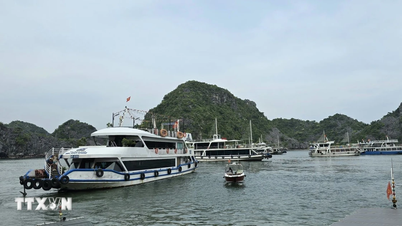
Commenting on the decline of coral reefs in Ha Long Bay, Dr. Nguyen Dang Ngai, Deputy Director of the Institute of Marine Resources and Environment, analyzed: Ha Long Bay is better preserved, thanks to factors such as aquaculture and fishing being better managed. However, the disadvantage is that Ha Long Bay is affected by continental environmental factors, such as turbidity and coal mining, so during the rainy season, the water flowing into the sea has a significant impact on the environment of Ha Long Bay. Or, the activities of vessels and the port channels, when the water level is low, the propellers of ships stir up the water, affecting the water environment and the coral reefs.
To protect marine ecosystems in general, and preserve the coral reef ecosystems of Ha Long Bay in particular, in 2019, Quang Ninh province issued the Regulations on the Management of Ha Long Bay, which stipulates that fishing is prohibited in the core area of the heritage site. In addition, regulations prohibiting destructive fishing methods are in place in all sea areas. This helps to limit fishing vessels that pose a potential risk of water pollution and coral death. It also prevents exploitation activities in coral reef areas, such as trawling, dredging, and using drag nets to break coral and create sediment layers that kill coral.
Recently, expert assessments have shown that many coral reefs in Ha Long Bay are recovering well. Surveys have even revealed reefs with high coral cover (60-70%), with branch coral, a valuable species, showing good recovery. Dr. Nguyen Dang Ngai commented: This is reasonable because branch coral is a very sensitive group of species but grows faster than others. When faced with unfavorable conditions, branch coral is the first to be affected, but when the environment recovers, it grows very quickly.
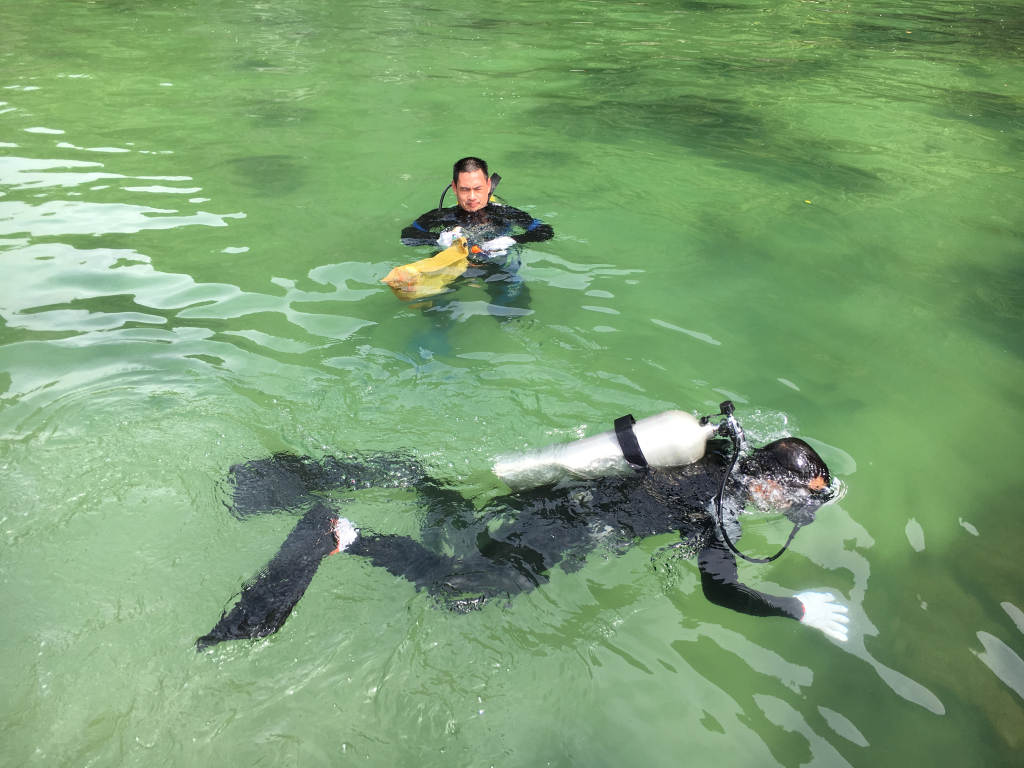
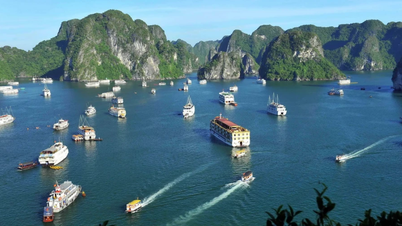
Ha Long Bay is a heritage site that attracts a huge number of tourists throughout all four seasons. Many visitors hope to go diving to explore the magical beauty of the coral reefs beneath the sea. However, according to the leaders of the Ha Long Bay Management Board, in order to protect the coral species, this service is not currently developed in Ha Long Bay and is mainly used for surveying, studying, and researching by scientists.
Furthermore, the unit is also conducting research on establishing the Ha Long Bay Marine Protected Area according to the Plan for the Protection and Exploitation of Aquatic Resources for the period 2021-2030, with a vision to 2050, which has been approved by the Prime Minister. It is expected that by 2030, the Ha Long Bay Marine Protected Area will be established with a proposed total area of approximately 55,000 hectares. This will contribute to the sustainable restoration of ecosystems, including the coral reef ecosystem of Ha Long Bay.
Source

![[Photo] Prime Minister Pham Minh Chinh receives the Chinese Ambassador to Vietnam](https://vphoto.vietnam.vn/thumb/1200x675/vietnam/resource/IMAGE/2026/04/05/1775397481797_ndo_br_dsc-5512-jpg.webp)




































































Comment (0)