


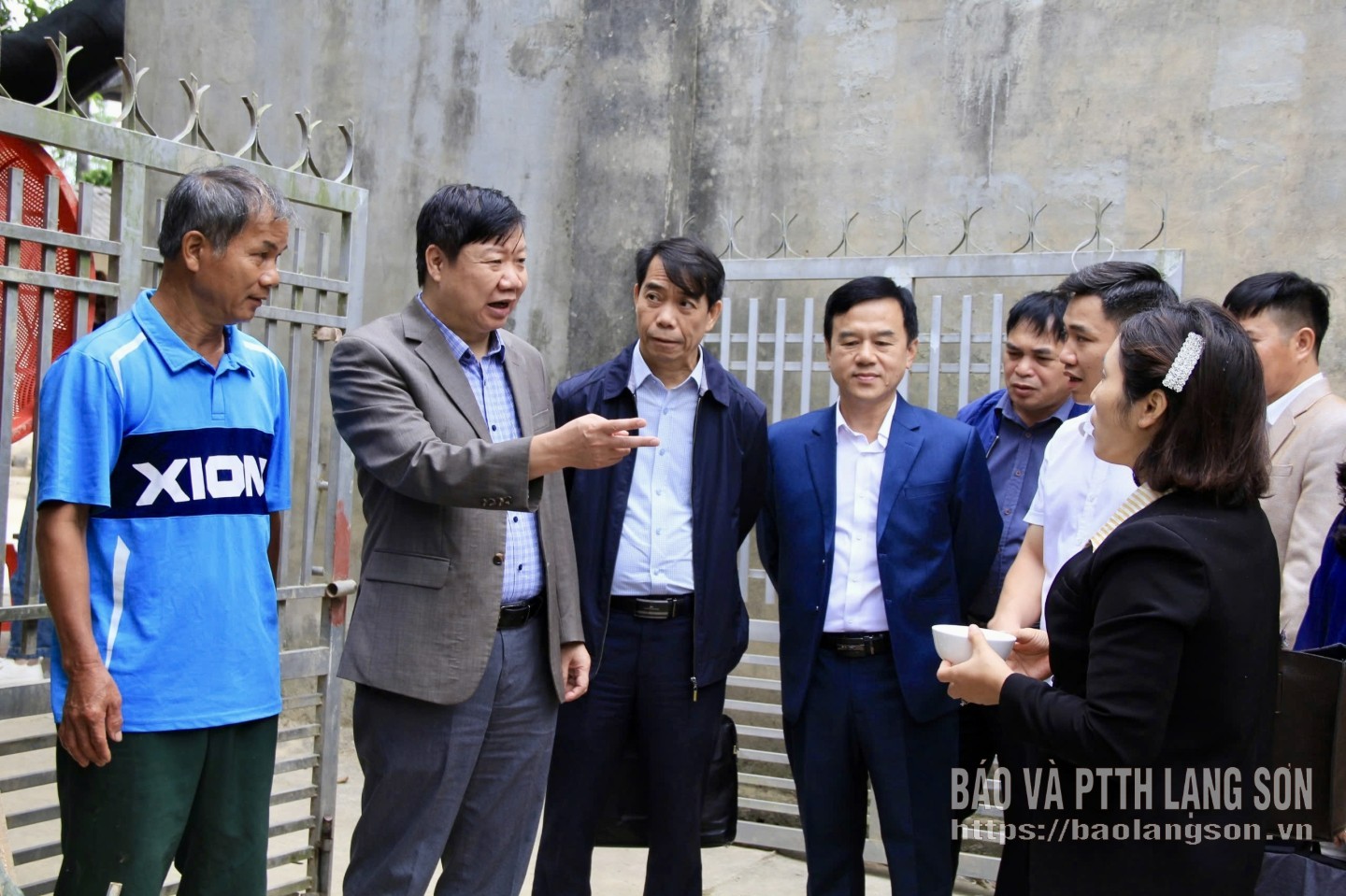
In 2025, facing the risk of many infectious diseases re-emerging, the provincial health sector proactively implemented a comprehensive set of disease prevention and control measures, from surveillance and forecasting to communication and environmental remediation.
Monitoring and containing the outbreak.
In early October 2025, in Ky Lua ward, officials from the Provincial Center for Disease Control and Prevention, in coordination with the ward's health department, conducted large-scale chemical spraying, collected water containers, and instructed residents on eliminating mosquito larvae and breeding grounds. The sounds of loudspeaker announcements mixed with the noise of chemical sprayers became a familiar sound in many residential areas.
According to the Provincial Center for Disease Control, from June 2025 to the present, along with the rest of the country, dengue fever outbreaks have also occurred in Lang Son , with a sudden surge in the number of cases in October 2025. In response to this situation, the health sector has established rapid response teams, strengthened epidemiological surveillance at all 10 regional health centers, and maintained key surveillance points to monitor and handle outbreaks early.

Recognizing that forecasting and communication are two crucial aspects, the Provincial Center for Disease Control regularly implements a strict weekly and seasonal disease surveillance regime; when unusual signs appear, it immediately warns communes and wards. Simultaneously, campaigns to eliminate mosquito larvae, distribute leaflets, and conduct mobile broadcasts help people become more proactive and less complacent than before.
Alongside technical measures, community communication efforts were intensified. Thousands of leaflets and posters were distributed to every household; many residential areas launched comprehensive environmental sanitation campaigns to eliminate mosquito larvae and pupae. Thanks to coordinated efforts, by the beginning of November 2025, the dengue fever epidemic in the province was basically under control.
Preventing epidemics from overlapping with natural disasters.
Immediately after days of heavy, prolonged rain, while the ground was still waterlogged, local health officials continued on another "front line": preventing and controlling post-storm disease outbreaks. In many places, the work began very early with long journeys, carrying chemicals, medicine bags, and a constant worry about public health.
In Yen Binh commune, one of the areas heavily affected by Typhoon No. 11, as soon as the floodwaters receded, staff from the commune's health station, in coordination with the Huu Lung Regional Health Center, were present in all 22 villages to guide residents in disinfecting drinking water, treating wells, spraying to kill mosquitoes, and spreading lime powder to disinfect livestock pens. In the entire Huu Lung area, 105 out of 176 villages were flooded, nearly 3,000 wells were treated with chloramine B, and 1,399 family medicine kits were distributed. More than 2,500 households received education and guidance on environmental hygiene, waste collection, and preventing the outbreak of diseases.
Dr. Kim Ngoc Thuy, Deputy Director of the Huu Lung Regional Health Center, reported: "As soon as the storm subsided, we activated the 'four on-the-spot' plan: command, personnel, supplies, and equipment. Mobile medical teams went to each village to monitor, disinfect, and conduct public awareness campaigns. After the storm, people usually focus on cleaning their houses, so we disseminated information and provided guidance on water treatment, disinfection, and environmental sanitation. Thanks to this coordinated effort, no outbreaks occurred after the storm."
At the Trang Dinh Regional Health Center, an area also severely affected by the storm and floods, rapid response teams coordinated with local forces to disinfect schools and health stations, and monitor post-storm cases. Thanks to effective disease prevention efforts alongside disaster relief, the entire area recorded no cases of food poisoning and no outbreaks of infectious diseases.
Ms. Hoang Thi Luu from Trang Dinh commune shared: "Affected by typhoon No. 11, many families in our area suffered losses. The stench from carcasses and garbage caused severe environmental pollution. However, just a few days after the water receded, health officials came to our area to guide us on disinfection, spreading lime powder, spraying insecticide to kill flies and mosquitoes, and treating the water source. We were given disinfectant for wells and instructed on how to clean livestock pens and living areas, which has made the environment cleaner."
Proactive prevention
Mr. Phan Lac Hoai Thanh, Deputy Director of the Department of Health, said: "Disease prevention and control is not just about responding when an outbreak occurs, but a process of regular and systematic preparation. In 2025, the sector will focus on three major priorities: improving the capacity of grassroots healthcare; strongly applying technology in disease surveillance and forecasting; and promoting communication to change behavior. We aim to effectively control diseases and protect the health of the people."
With that spirit in mind, health facilities in the area organized hundreds of direct communication sessions, radio broadcasts, and published articles to promote disease prevention and control and public health care. Throughout the year, the province implemented over 300 community communication sessions, integrating content on infectious disease prevention and control, expanded immunization, food safety and hygiene, reproductive health, and winter-spring disease prevention. Thousands of leaflets, banners, and posters were distributed to villages and hamlets, helping to raise awareness among the people, especially in remote and border areas.
The Department of Health has directed 10 regional health centers to organize regular training for commune and village health workers on monitoring, investigating, and handling outbreaks, communication skills for behavioral change, and ensuring vaccination safety. Hundreds of health workers have attended specialized training courses organized by the Provincial Center for Disease Control, contributing to improving disease prevention and control skills for health workers and increasing the proactive role of grassroots health services.
In conjunction with awareness campaigns and training, in 2025, the entire province will maintain vaccination for children under 1 year old in all 65 communes and wards, ensuring safe procedures and preventing vaccination-related adverse events. The health sector also completed 3 rounds of measles vaccination with a rate of 97.3%, and continued to maintain the results of eliminating neonatal tetanus at the district level, achieving 100% of the planned target. This not only helps children develop immunity against dangerous infectious diseases but also contributes significantly to maintaining "community immunity," preventing the risk of widespread outbreaks.
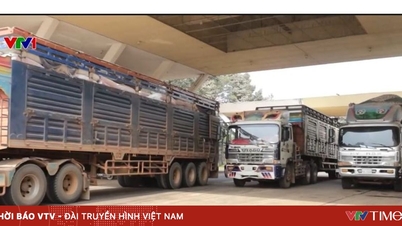
Given its unique location as a border area, the provincial International Health Quarantine Center's staff are on duty 24/7 at border checkpoints, strictly implementing epidemiological surveillance procedures for people, vehicles, and goods crossing the border. Daily, health officials conduct temperature checks, collect health declarations, disinfect vehicles, and collect samples for monitoring infectious diseases at risk of entry, such as influenza A, COVID-19, measles, and hand, foot, and mouth disease. Thanks to the consistent quarantine efforts, the province's border checkpoints have prevented any outbreaks of disease, contributing to maintaining epidemiological safety, protecting public health, and ensuring stable and safe import and export activities.
Thanks to the synchronized implementation of these solutions, Lang Son province continues to maintain a safe environment, preventing major outbreaks. Public awareness campaigns, training, and the application of technology have truly become the "three spearheads" in disease prevention and control and protecting public health, reflecting the consistent guiding principles of the sector: proactiveness, discipline, and action for public health.
In the coming period, the Department of Health will continue to standardize the grassroots healthcare system after the reorganization of the two-tiered government structure, strengthen preventive healthcare capacity, ensure readiness to respond to natural disasters and epidemics, protect the health of the people, affirm its position as the frontline, a solid "shield" against all diseases, so that every citizen of Lang Son can live, work and develop in a safe and healthy environment.
Source: https://baolangson.vn/la-chan-bao-ve-suc-khoe-5066830.html
![[Photo] White pear blossoms bloom across the border of Pho Bang](https://vphoto.vietnam.vn/thumb/1200x675/vietnam/resource/IMAGE/2026/02/24/1771927665653_a8-8280-jpg.webp)


![[Photo] Head of the Central Propaganda and Mass Mobilization Department visits and congratulates the Ministry of Health and the Military Traditional Medicine Institute.](https://vphoto.vietnam.vn/thumb/1200x675/vietnam/resource/IMAGE/2026/02/24/1771938483290_img-2682-3562-jpg.webp)

![[Image] A dreamy "livable city" under pink clouds](https://vphoto.vietnam.vn/thumb/1200x675/vietnam/resource/IMAGE/2026/02/24/1771930060937_tp4-jpg.webp)








































































Comment (0)