

Speaking with the World & Vietnam Newspaper, Dr. Phan Thanh Chung, Lecturer in Economics, Faculty of Business, RMIT University Vietnam, stated that the positive outlook on Vietnam's economic growth in 2024 from financial institutions such as the IMF and HSBC is based on reform efforts, the strategic position of the economy in the global supply chain, and a strong domestic market.
 |
| Dr. Phan Thanh Chung, Lecturer in Economics, Faculty of Business, RMIT University Vietnam. |
As 2023 draws to a close, what are your observations regarding the development and growth of the Vietnamese economy?
Over the past year, the Vietnamese economy has demonstrated resilient recovery with an estimated GDP growth rate of 5.05%. While lower than the target of 6.5%, this is still quite impressive compared to the global average growth rate.
Vietnam has maintained macroeconomic stability and effectively managed inflation and public debt. Despite global inflationary pressures, the consumer price index (CPI) only increased by 3.25% last year. The effectiveness of fiscal and monetary policies is evident, particularly through tax reductions and interest rate cuts, supporting businesses and strengthening economic stability.
Disbursement of public investment capital increased significantly, reaching approximately VND 549.1 trillion in the first 11 months, a 22.1% increase compared to 2022. Foreign direct investment (FDI) was one of the main drivers of growth, reflecting Vietnam's continued attractive investment destination despite the weakening global economy. In 2023, FDI into Vietnam reached a record US$36.6 billion, a 32.1% increase year-on-year. This positive result is partly due to increased investment from major partners such as Singapore, China, and Japan, as well as proactive government policies to support business activities and improve the investment environment.
Furthermore, Vietnam's deep integration into global value chains through free trade agreements (FTAs) has contributed to this achievement. Vietnam's foreign relations, particularly its upgraded partnership with the United States, have opened many new avenues for economic, trade, and investment development, further enhancing the country's global standing and economic prospects.
The agriculture, forestry, and fisheries sectors make a significant contribution to the economy, with Vietnam being a major exporter of commodities such as rice, coffee, and seafood. Growth in these sectors is due to improvements in both the quantity and quality of products.
Furthermore, technological advancements, particularly in digital manufacturing and services, have contributed to the economy by driving a shift toward higher value-added industries.
Besides the positive aspects, what, in your opinion, are the weaknesses and challenges facing the Vietnamese economy? What should government agencies and the business community do to overcome these difficulties?
A major challenge is the modest growth in the services sector, which previously contributed significantly to overall growth. The slowdown in services growth, coupled with global economic uncertainty, has posed a significant challenge to maintaining the growth momentum achieved in previous years. The global economic environment, marked by uncertainty and the risk of recession, is impacting Vietnam's export-oriented economy, creating further obstacles.
To mitigate these challenges, the Vietnamese government and business community need to adopt a multi-faceted approach. Diversifying the economy, particularly beyond the service sector, can play a key role. It is necessary to promote other sectors such as manufacturing, technology, and agriculture – sectors that can offer new growth opportunities.
Improving the business environment to attract more FDI and support local businesses is also necessary. The government can focus on policy reforms aimed at reducing bureaucracy, providing financial incentives, and improving business convenience.
Furthermore, strengthening the domestic consumer market can offset some of the damage caused by global economic fluctuations. Through these measures, Vietnam can aim to maintain its growth trajectory and address the challenges it faces.
2024 is projected to be another challenging year for the global economy. What is your assessment of Vietnam's economic outlook for this year? What will be the drivers of growth?
Vietnam's economic outlook for 2024 is cautiously optimistic, with some forecasts suggesting a GDP growth target of around 6% is achievable.
The International Monetary Fund (IMF) predicts Vietnam's GDP will reach 5.8% in 2024, placing it among the top 20 fastest-growing countries globally. Meanwhile, HSBC forecasts this figure to reach 6.3%, demonstrating Vietnam's superior potential compared to many other countries.
These positive outlooks are based on reform efforts, the economy's strategic position in the global supply chain, and a strong domestic market. However, it should be noted that global economic instability could create challenges, potentially requiring adjustments to these forecasts.
Vietnam's main growth drivers in 2024 are predicted to be public investment, consumer spending, and a recovery in exports and imports.
Public investment is likely to continue playing a crucial role in stimulating economic activity, particularly through key infrastructure and development projects. Consumer spending, driven primarily by a growing middle class and increasing disposable income, will fuel domestic demand. Furthermore, the recovery of import and export activities, supported by FTAs and Vietnam's strategic position in global supply chains, will contribute significantly to economic growth. Focusing on diversifying export markets and products will be instrumental in mitigating risks associated with global economic fluctuations.
Furthermore, Vietnam's ongoing efforts to improve its business environment, attract FDI, and invest in technology and innovation are likely to further strengthen the country's economic resilience and growth. Therefore, despite the challenges posed by the global economy, Vietnam's economy possesses a solid foundation and strategic momentum to continue growing in 2024.
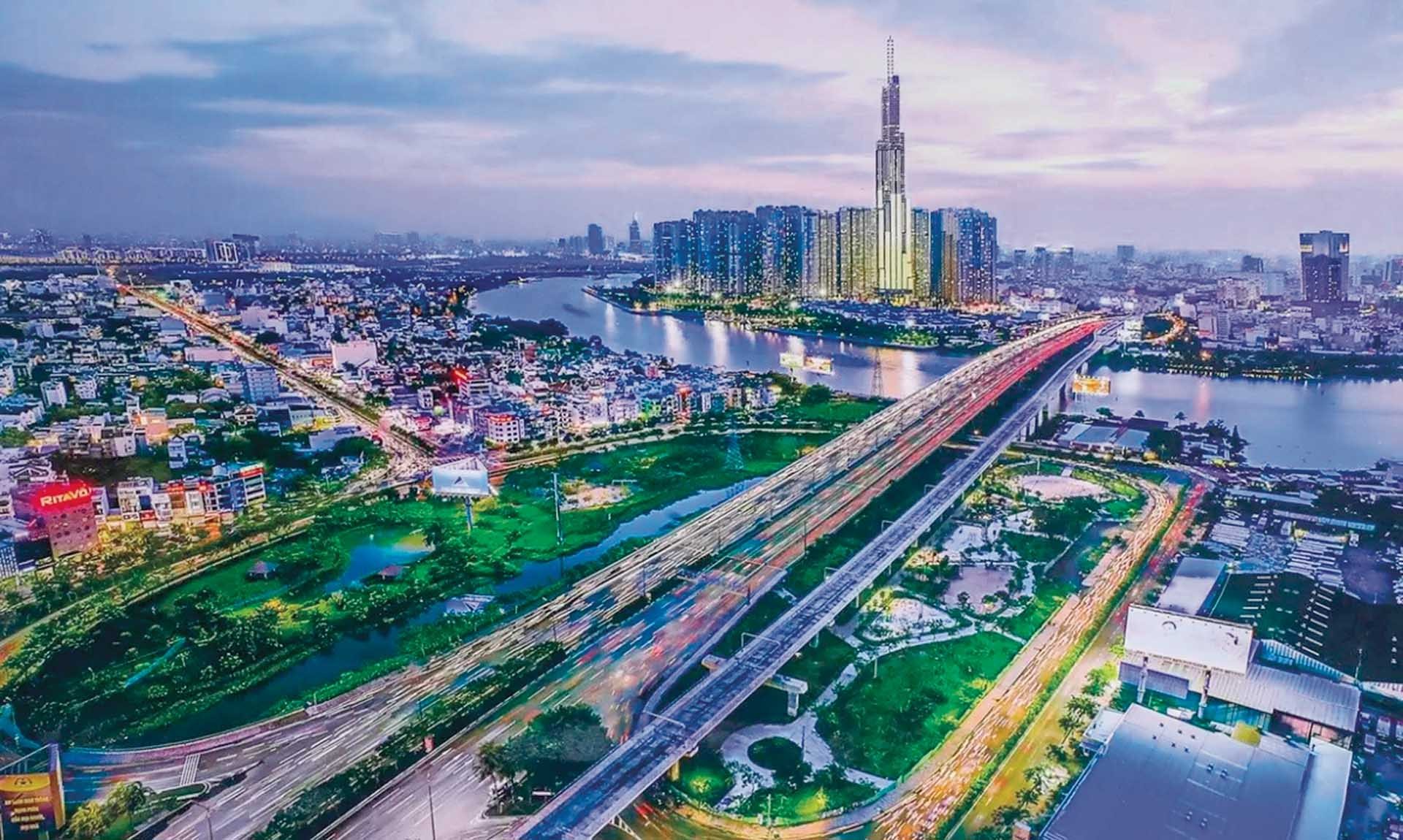 |
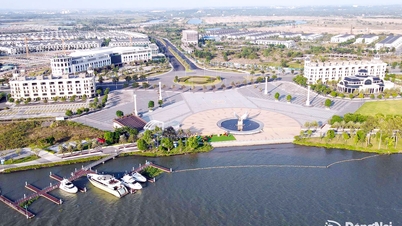
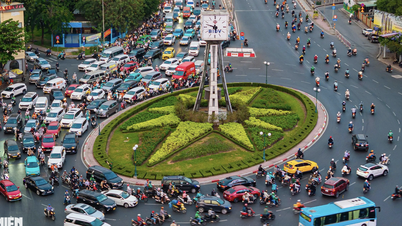
| The Vietnamese economy possesses a solid foundation and strategic momentum to continue growing in 2024. (Illustrative image. Source: Vietnam Insider) |
In this context, what recommendations does he have for regulatory bodies and the business community to unlock resources, leverage advantages, and achieve sustainable development?
To achieve its 2024 goals, Vietnam should adopt a flexible approach, drawing inspiration from the lessons learned by other countries.
Similar to the European Central Bank's approach, Vietnam should closely monitor international economic trends to adjust its macroeconomic policies effectively, focusing on balancing inflation control and growth. This includes adjusting interest rate and exchange rate strategies.
Furthermore, it is necessary to leverage a combination of public investment, FDI, and private investment, similar to Singapore's investment strategy, to balance the budget and promote growth.
Economic growth needs to be stimulated through both traditional means such as public investment in infrastructure projects (e.g., the Ho Chi Minh City metro project) and new drivers such as the digital economy, inspired by Estonia's e-resident program. Similar to Canada, Vietnam needs to maintain a balance between monetary, fiscal, and macroeconomic policies to support sustainable and stable growth.
Furthermore, Vietnam could learn from South Korea's experience in supporting businesses affected by declining exports and investment by enhancing the utilization of FTAs, while promoting administrative reforms as New Zealand has done. Economic restructuring should focus on state-owned enterprises and financial institutions, drawing inspiration from China's efficiency-enhancing reforms.
Developing strategies to enhance the resilience and independence of the economy in the face of global changes is crucial, similar to Japan's energy diversification after the Fukushima disaster.
Finally, enhancing the productivity, quality, and competitiveness of the economy through the development of diverse market types and the integration of domestic and international markets, as seen in Germany's Industry 4.0 Strategy, will be crucial for Vietnam's sustainable and stable growth in the context of global integration.
Source































































![[Photo] Hue: Admire the 2.4 trillion VND sea bridge, the longest in Central Vietnam.](https://vphoto.vietnam.vn/thumb/402x226/vietnam/resource/IMAGE/2026/05/24/1779614018347_anh-man-hinh-2026-05-24-luc-16-13-29.png)

































Comment (0)