

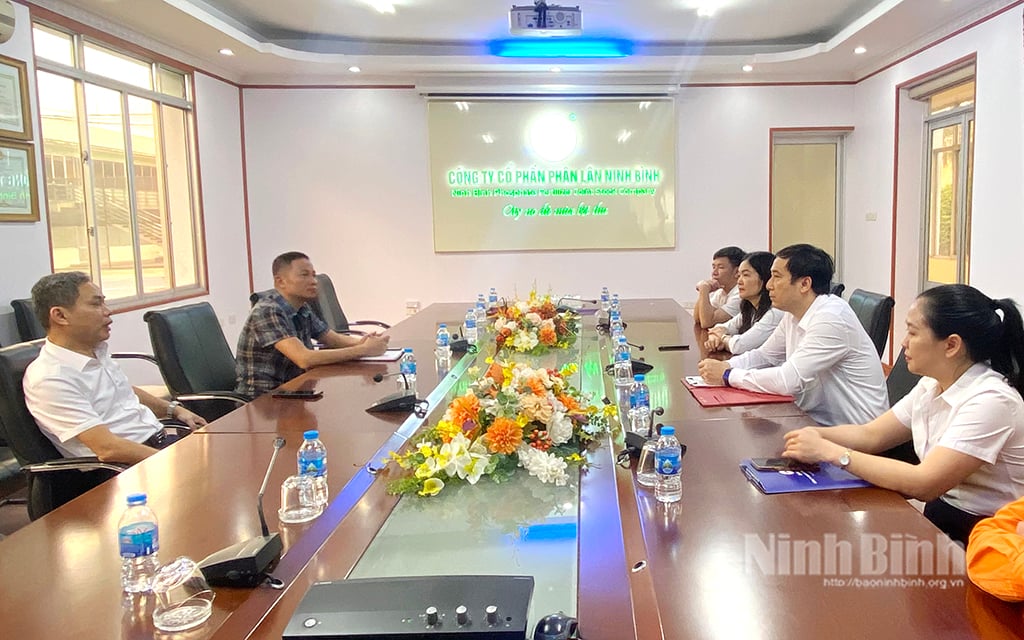
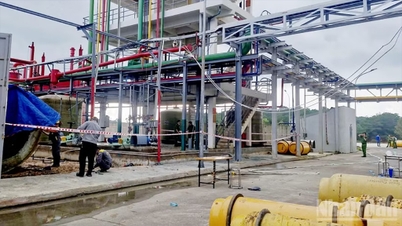
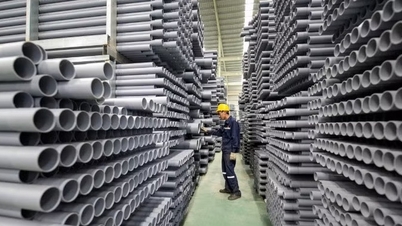
As a company that uses a lot of electricity in its production, Ninh Binh Phosphate Fertilizer Joint Stock Company has always recognized that efficient and economical electricity use is one of the practical measures to help the company reduce costs and increase product competitiveness.
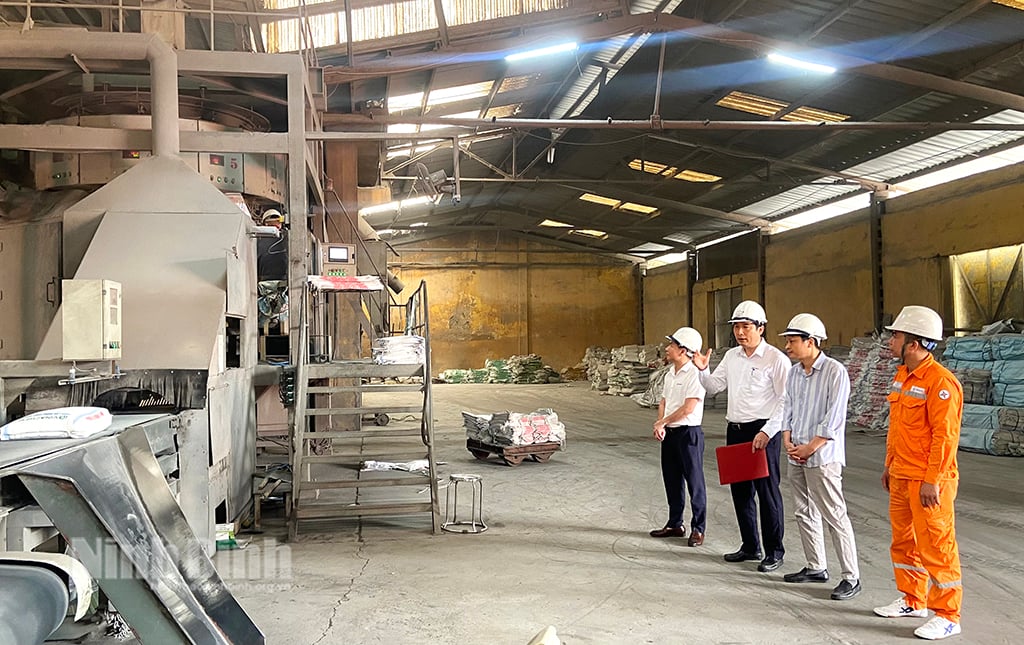
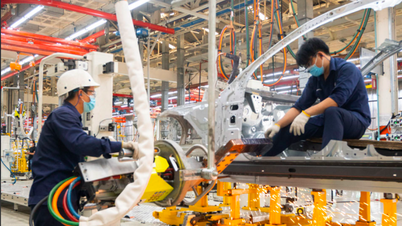
The company has proactively replaced and upgraded equipment; increased electricity use for production during off-peak hours, minimizing the use of high-power consuming equipment during peak hours; switched off electrical equipment and lights inside and outside warehouses when not in use, using electricity according to needs to avoid unnecessary waste; and intensified cleaning, maintenance, and inspection to detect and fix hot spots on the electrical network such as switches and connections to limit increased electricity consumption at locations with poor contact...
Comrade Pham Hong Son, Deputy Director of Ninh Binh Phosphate Fertilizer Joint Stock Company, said: Currently, the energy component of fused phosphate fertilizer production, including electricity and coal, accounts for about 30-40% of the production cost. The company's energy consumption structure relies on electricity at approximately 40 KW per ton of fused phosphate fertilizer. Due to this characteristic, the company has long prioritized energy saving and incorporated it into its annual plan.
To reduce production costs and implement the Law on Energy Conservation, the company has implemented measures to reduce energy consumption such as improving the technology for producing fused phosphate fertilizer, reducing production quotas, increasing labor productivity; renovating blast furnaces, investing in frequency converters, replacing lighting systems with LED lights; researching and surveying the installation of rooftop solar power systems... As a result, electricity savings of 1-2% are achieved annually. In 2024, the company produced over 235,000 tons of products.
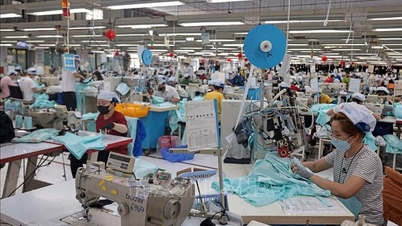
In industrial zones and clusters, which have high electricity consumption for production, companies and businesses have been proactively implementing solutions to save electricity effectively.
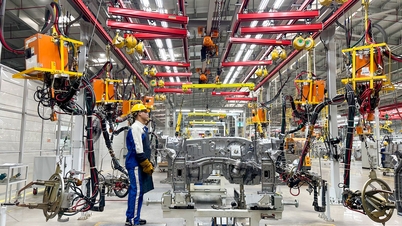
Mr. Bui Van Thuan, Head of Technical Department of MCNEX VINA Co., Ltd., Phuc Son Industrial Park (Hoa Lu City), said: MCNEX VINA is a company that uses a lot of electricity for production. Over the past period, the company has implemented the best solutions to save electricity, such as using smart air conditioners that automatically adjust in the production area; using LED lights instead of fluorescent lights; turning off electrical and air conditioning systems on inactive production lines; using inverter air conditioners in the administrative area... In 2024, the company saved more than 1 billion VND in electricity costs.
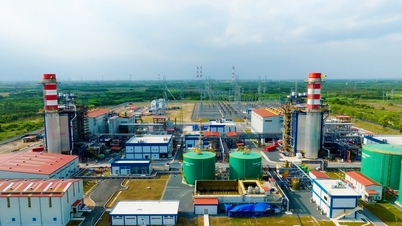
Currently, Ninh Binh province is supplied with electricity from 5 sources: Ninh Binh 220kV Substation, NC Nho Quan 220kV Substation, Ninh Binh Thermal Power Plant; and linked power from the Nghia Hung 110kV Substation (E3.10) and Bim Son 220kV Substation (E9.20).
To ensure electricity supply for daily life, production, and business, Ninh Binh Power Company has established a priority load order and developed a plan for electricity supply in cases of power shortage, which has been approved by relevant departments, agencies, and the Provincial People's Committee; and has promoted the implementation of the energy saving program according to Directive No. 20/CT-TTg dated June 8, 2023, of the Prime Minister .
Regular and effective campaigns promoting electricity conservation have brought about changes in people's electricity usage habits, leading to increased awareness in the community and concrete actions in saving electricity.
In 2024, the company achieved electricity savings of 2.4%. Simultaneously, the company signed voluntary non-commercial demand response (DR) agreements with 105 customers, with a potential reduction of 46.38 MW.
To continue implementing the electricity saving program effectively, in 2025, Ninh Binh Power Company Limited signed electricity saving commitment agreements with the following customer groups: administrative and public service, public lighting, industrial production, and business services.
Specifically, the following targets for electricity savings set by the Government must be met: Industrial production groups must save at least 2% of their total annual electricity consumption; public lighting groups must save at least 30% of their total annual electricity consumption; commercial and service groups must switch off or reduce outdoor advertising and decorative lighting by at least 50%; and administrative and public service groups must save 5% of their total annual electricity consumption.
Source: https://baoninhbinh.org.vn/lan-toa-phong-trao-tiet-kiem-dien-318098.htm



![[Photo] Prime Minister Pham Minh Chinh receives the Chinese Ambassador to Vietnam](https://vphoto.vietnam.vn/thumb/1200x675/vietnam/resource/IMAGE/2026/04/05/1775397481797_ndo_br_dsc-5512-jpg.webp)





































































Comment (0)