After nearly a year of diligent care, the arrowroot plants are now ready for harvest. Arrowroot growers in particular, and the vermicelli-making village of Binh Lu, Tam Duong district, Lai Chau province in general, are once again bustling with activity as they begin making arrowroot vermicelli to serve consumers during the Lunar New Year of the Year of the Snake 2025. Muong Khuong is a district classified as a 30a district of Lao Cai province, with approximately 90% of its population being ethnic minorities. In recent years, the district has been focusing on developing agriculture towards a commodity-based approach. Thanks to this, the lives and incomes of the people have gradually improved. On the afternoon of January 11th, at the Government Headquarters, Prime Minister Pham Minh Chinh, Head of the Government Steering Committee on "summarizing the implementation of Resolution No. 18-NQ/TW of the 12th Central Committee on continuing to innovate and reorganize the organizational structure of the political system to be streamlined, effective and efficient," chaired the ninth session of the Steering Committee. In the twelfth lunar month, when the peach and plum orchards burst into bloom in the sweet chill of the Northwest highlands, it is also the time when the Mong people prepare to celebrate their traditional New Year. During Tet, the Mong people still preserve unique cultural features in their customs and traditions, especially their culinary culture. After nearly a year of diligent care, the ginger plants are now ready for harvest. Cassava growers in particular, and the vermicelli-making village of Binh Lu, Tam Duong district, Lai Chau province, are once again bustling with activity as they prepare cassava vermicelli to serve consumers during the Lunar New Year of the Year of the Snake 2025. Ly Van Quang, a Nung ethnic minority member residing in Yen Binh neighborhood, Binh Gia town, Lang Son province, was born less fortunate than his peers. From a young age, Quang suffered from osteogenesis imperfecta (brittle bone disease), causing him many difficulties in life. Overcoming adversity and pessimism about his illness, Ly Van Quang found a positive philosophy of life: maintaining and promoting the value of embroidery and tailoring traditional costumes for the religious practices of the Tay and Nung ethnic groups. Lang Son, a land inhabited by many ethnic groups with unique customs and traditions. Among them, the Dao ethnic group possesses many unique cultural features, expressed through their clothing, folk beliefs, customs, folk songs, and folk dances… This is a valuable resource contributing to the development of tourism in Lang Son province. In the last days of the year, when the breath of spring fills the mountains and forests, the green of the rice paddies, the ginger fields, and the cheerful laughter of the people in the Khe Sanh Economic-Defense Zone, Quang Tri, resonate amidst the border mountains. This is vivid evidence of the effectiveness of the "Soldiers connected with the local people" model, implemented by the 337th Economic-Defense Group for over two years in Sub-Project 3 of the National Target Program. This morning's summary from the Ethnic and Development Newspaper, January 11, 2025, includes the following noteworthy information: Welcoming Spring early in the border region of Dak Lak. Cashless payments in border districts. Ba Na villages prepare for Tet. Along with other news from ethnic minority and mountainous regions. Nam An village, Tan Thanh commune, Bac Quang district, Ha Giang province, is located near a primeval forest, at an altitude of nearly 800m above sea level. This area not only boasts the specialty of ancient Shan Tuyet tea but also has a new and highly economically efficient sturgeon farming industry. Continuing their working trip to the Southwestern provinces, on the afternoon of January 11th, the Central Delegation, led by Central Committee member, Minister and Chairman of the Committee for Ethnic Minorities Affairs (CEMA) Hau A Lenh, visited and presented gifts to former Deputy Minister and Vice Chairman of CEMA Son Phuoc Hoan on the occasion of the Lunar New Year of the Year of the Snake. Accompanying them were Central Committee member and Chairman of the National Assembly's Ethnic Council, Y Thanh Hà Niê K'Đăm, and representatives from the Office of the Committee for Ethnic Minorities Affairs, the Department of Local Ethnic Affairs (Can Tho branch) of the Committee for Ethnic Minorities Affairs. The Border Guard Command of Quang Ninh province, in coordination with the Vietnam Fatherland Front Committee of the province and Mong Cai city, recently organized the "Spring Border Guard Program: Warming the Hearts of the Local People" for the Lunar New Year of the Year of the Snake 2025 at the Po Hen National Historical Site (Mong Cai city). Dien Bien is a mountainous province, located at the northernmost border... most of its population are ethnic minorities. Dien Bien is also a land rich in ancient bronze drums. To understand and explain the origin and provenance of the bronze drum artifacts, I sought out experts to decipher the "message" from these artifacts. On January 11th, in Hanoi, the National Political Publishing House, in collaboration with the Committee for Ethnic Minorities, organized the launch event for the book "Travel Studies: The Vibrant Colors of Traditional Clothing of Vietnamese Ethnic Women." This book by author Nguyen Bong Mai was published in a bilingual Vietnamese-English edition.
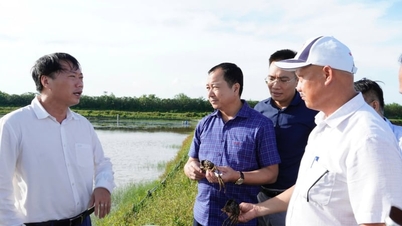
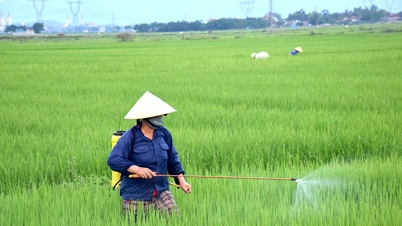
Despite the drizzling winter weather, the atmosphere in the fields of Binh Lu commune remains vibrant with enthusiastic labor. During the main harvest season, across the fields of Hoa Lu, Van Binh, Thong Nhat, Km2, and Toong Pan villages, farmers are busy harvesting ginger. Laughter and joyful expressions are clearly visible on everyone's faces, reflecting the success of the ginger crop.
Visiting the family of Mr. Nguyen Duy Hanh in Km2 village, we learned that they have been making vermicelli since the 1980s. According to Mr. Hanh, in the past, growing the old variety of arrowroot was laborious and fragmented, with low yields. Since 2010, when a new variety of arrowroot became available, he has cultivated about 6,000 square meters. This harvest yielded approximately 25 tons of fresh tubers, and after deducting costs for seeds and fertilizers, his family earned a profit of over 50 million VND. “Growing arrowroot is hard work, but it provides an income 2-3 times higher than rice, and the care is only busy at the beginning. In addition, each year my family processes about 13 tons of dried vermicelli to sell in the province and nationwide. My family also participates in the cooperative to develop the OCOP (One Commune One Product) 3-star arrowroot vermicelli product. Each year, the family's income reaches about 200 million VND after deducting expenses,” Mr. Nguyen Duy Hanh informed.
Prior to 2021, Mr. Lu Kim Son's family in Then Thau village, Binh Lu commune, cultivated rice in two seasons. In 2022, he decided to switch to growing ginger. Mr. Son calculated that previously, with two rice crops, his family harvested 1.2 tons of rice, but after deducting all expenses, the profit was only 1.2 million VND. With the same area, growing ginger yielded a total of 27 million VND, resulting in a profit of 12 million VND after deducting expenses.
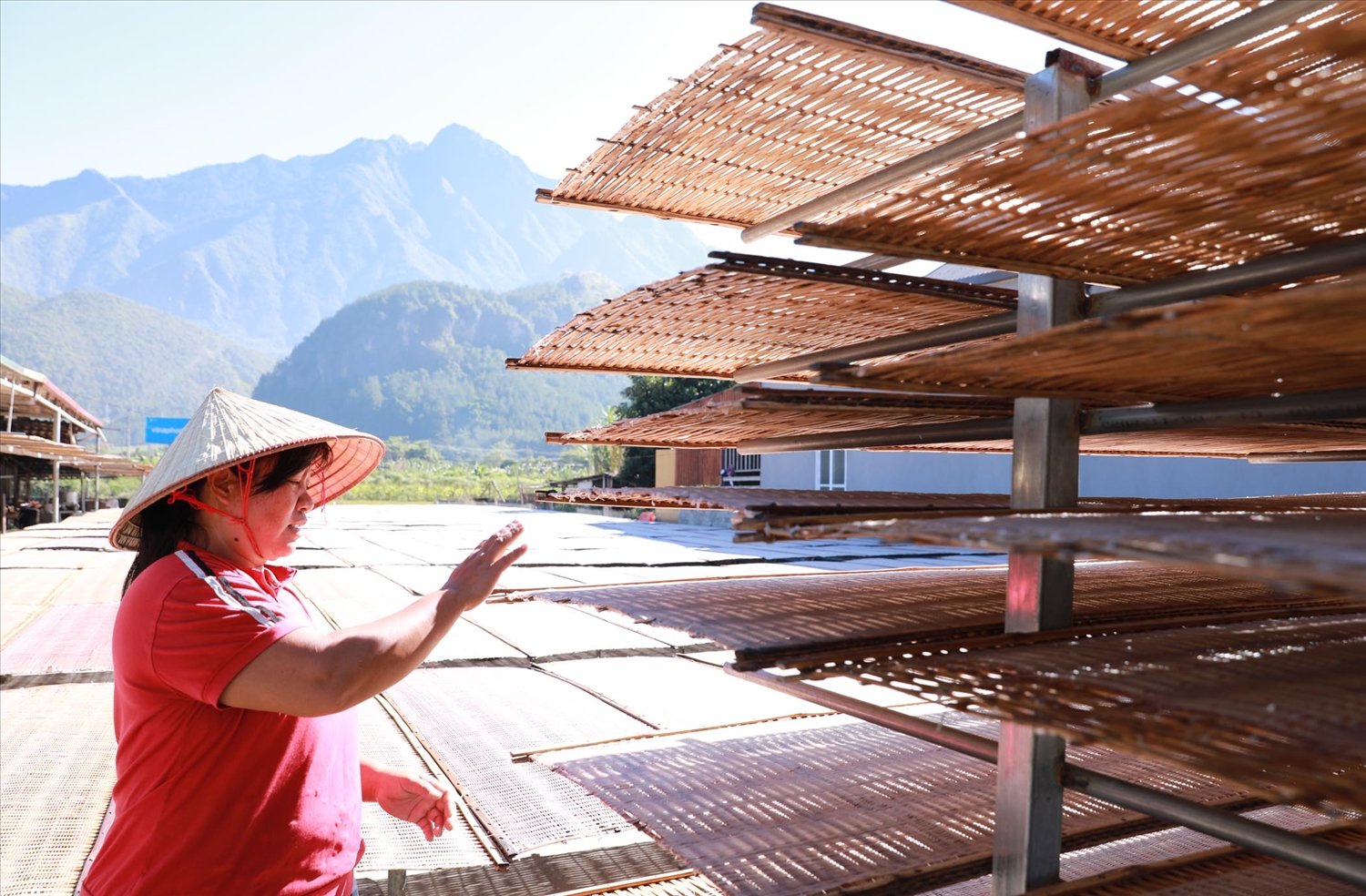
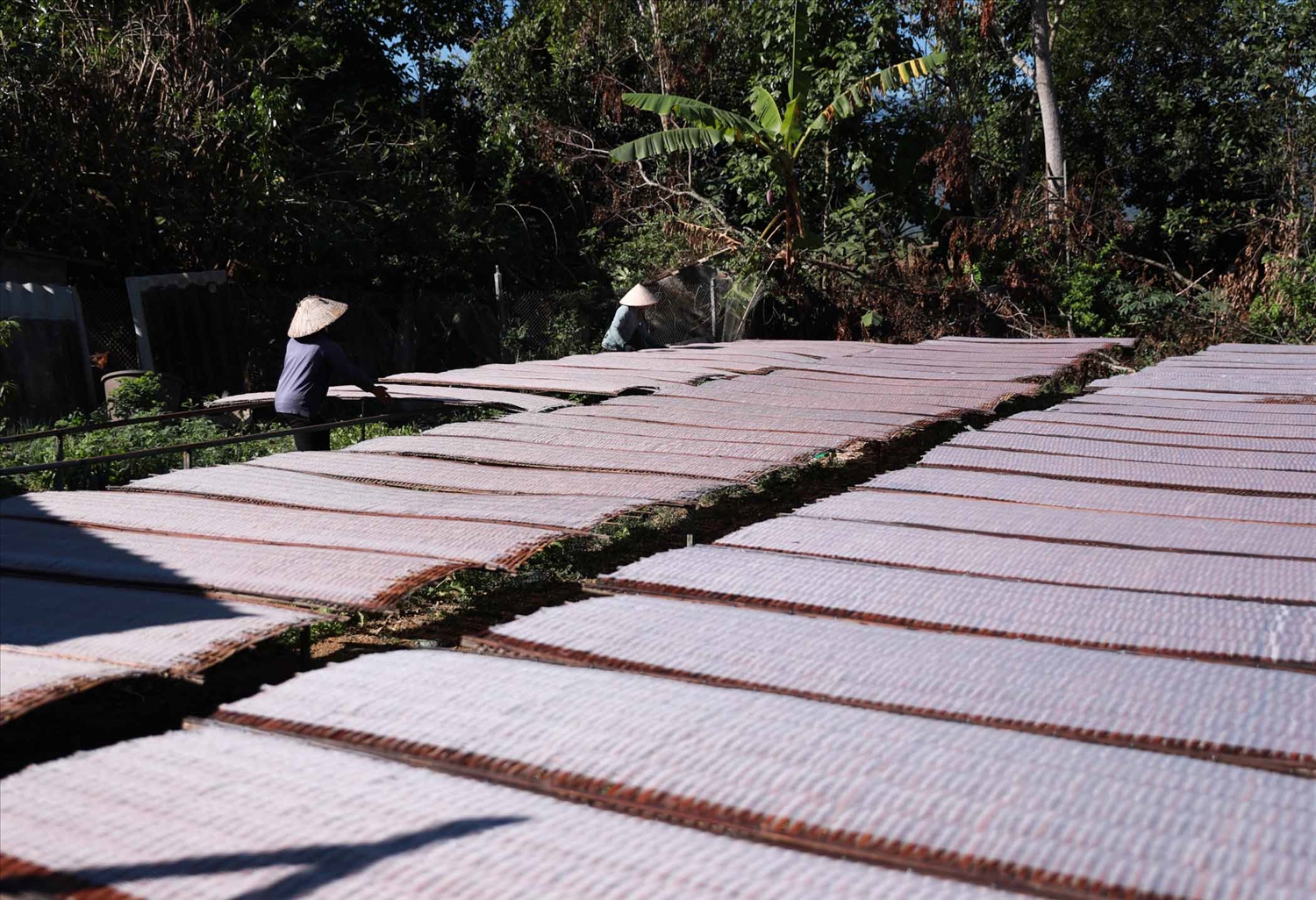
These days, vermicelli production facilities in Binh Lu commune are mobilizing maximum human resources and investing in modern technology, applying scientific and technical advancements to production to meet consumer demand. The family of Ms. Tran Thi Huong in Toong Pan village, Binh Lu commune, has been involved in the traditional vermicelli making craft for 34 years. This side job has provided her family with an additional source of income. Ms. Huong shared: Taking advantage of the warm weather, her family started producing vermicelli from the beginning of November. Each day, the family produces 130 kg of vermicelli, selling it as soon as it's made. Ms. Huong's vermicelli is thin, chewy, fragrant, and delicious, making it popular with many consumers.

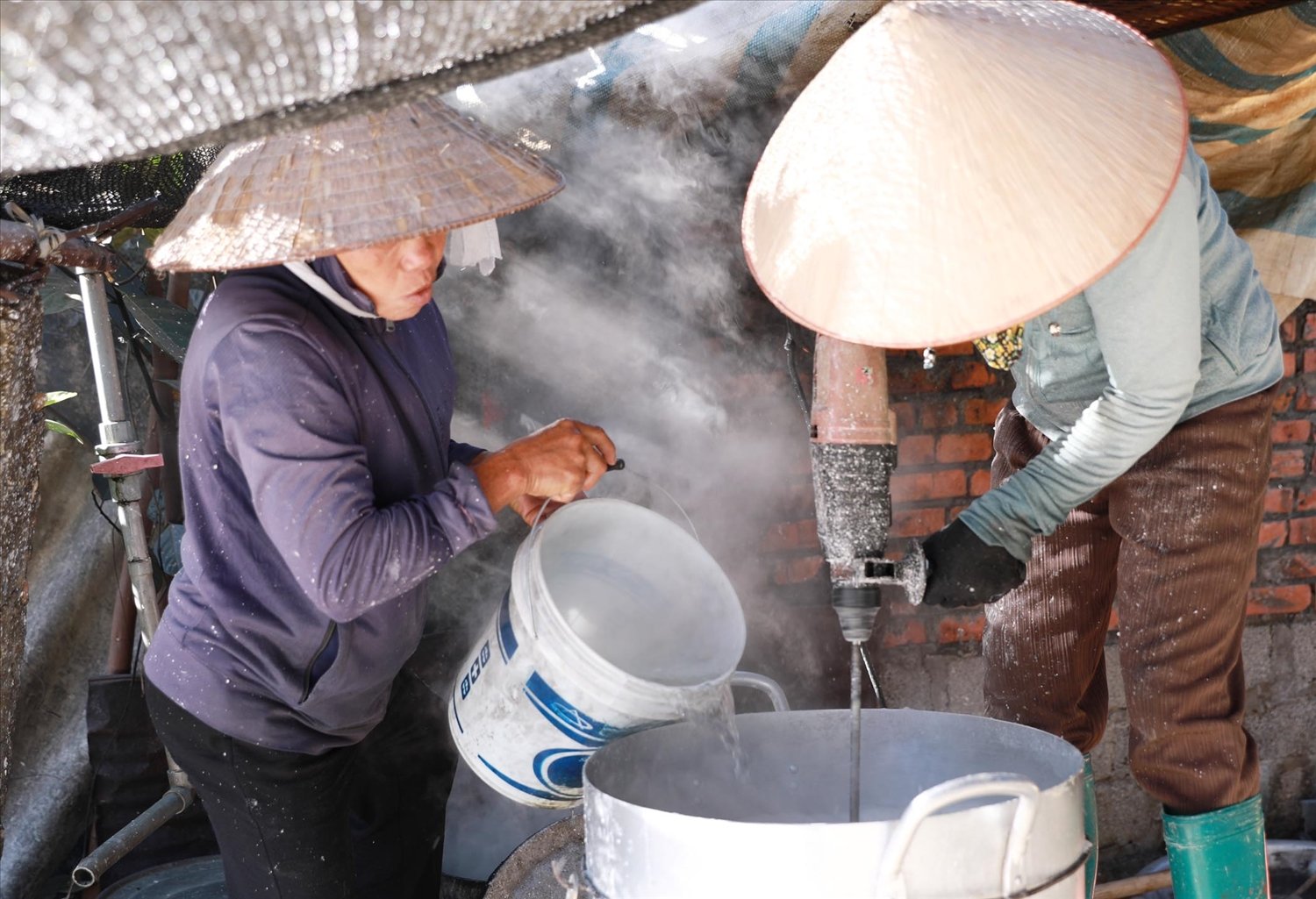
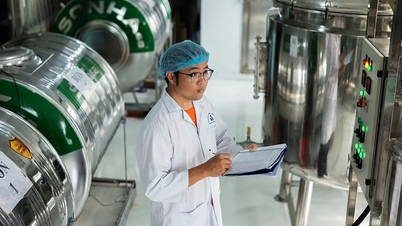
To improve the productivity and quality of cassava vermicelli, at the end of 2023, the Vững Tâm cassava vermicelli production cooperative in Toòng Pẳn village invested in a sturdy production workshop and drying area, with a total area of nearly 900m² . Notably, the facility invested in a modern machinery system including: a boiler to supply heat to the drying system, a coating machine, a drying rack, a slicing machine, a drying room, etc., to create different sizes of vermicelli strands. To process over 3 tons of flour, the machines must run continuously for 9-10 hours, with two technical staff members constantly monitoring and supervising to ensure quality.
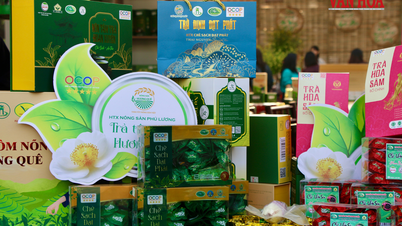
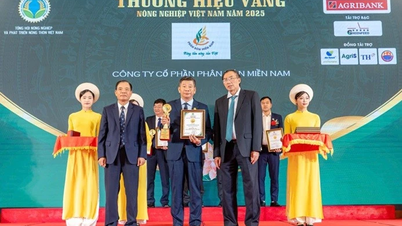
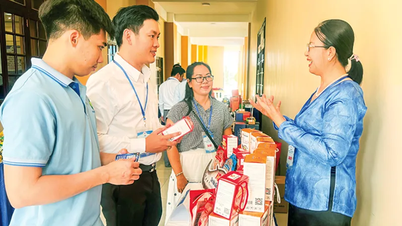
Mr. Do Tuan Tam, Director of Vinh Tam Cooperative in Binh Lu commune, said: “Vinh Tam vermicelli is carefully packaged, has beautiful packaging, labels, and complete information about the production date, expiration date, and usage instructions… creating trust among customers. Thanks to local raw materials and a modern machinery system, the facility produces 1.7-1.8 tons of vermicelli daily. The vermicelli strands are uniform, beautiful, and of high quality and delicious taste, which is favored by customers. To meet the demand for Tet (Lunar New Year), Vinh Tam vermicelli production facility will produce 140-150 tons of vermicelli.”
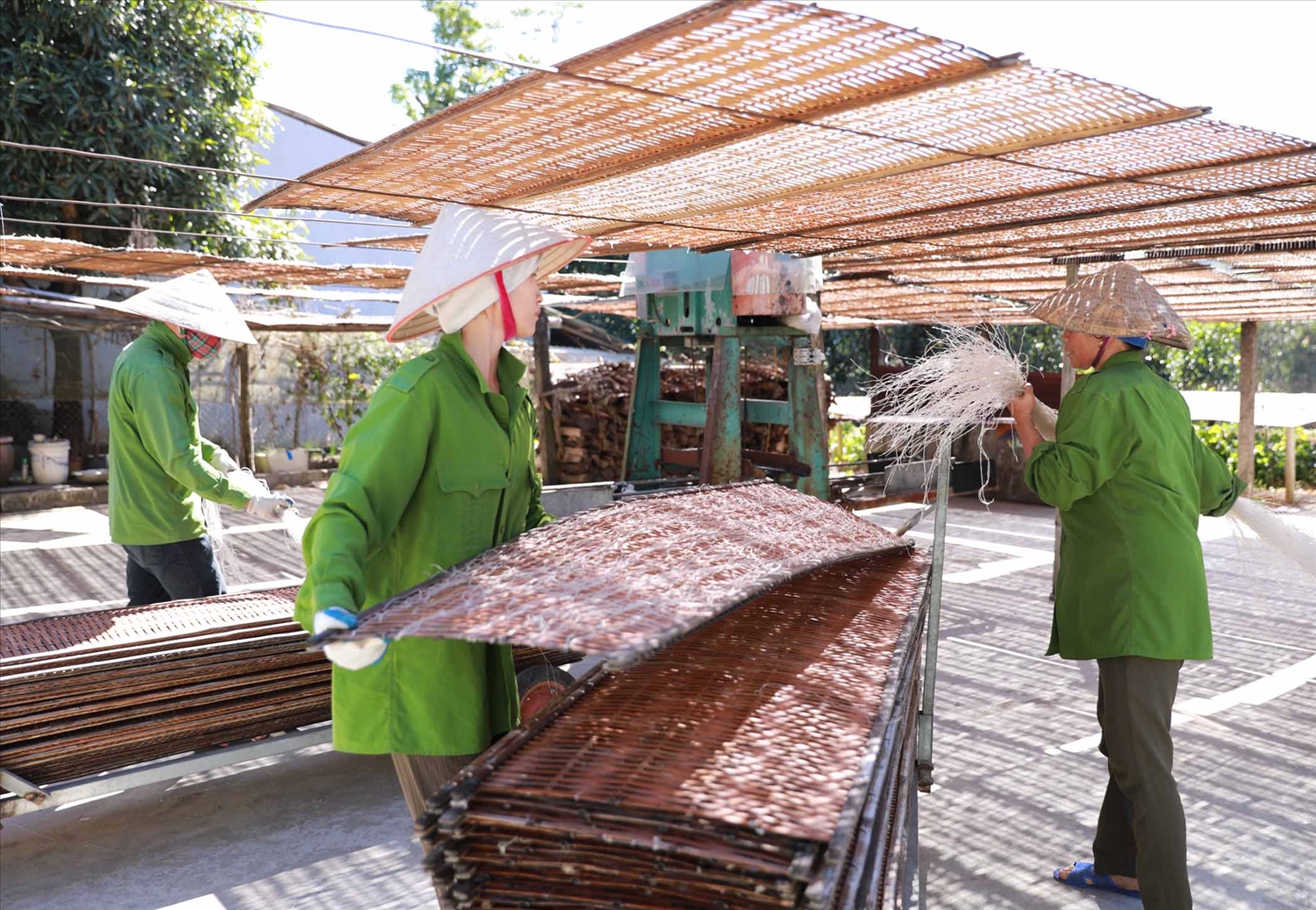
Mr. Nguyen Manh Cuong (32 years old) from Thong Nhat village, Binh Lu commune, said that to preserve and develop his family's craft, in 2019 he decided to establish a vermicelli production business in Thong Nhat village. After 3 years, he expanded the scale to bring the product to a larger market. Accordingly, the Ngoc Cuong Clean Agricultural Production and Trade Cooperative was established, launching a high-quality vermicelli product called "Gia Huy Vermicelli" with beautiful packaging, straight, even, fragrant, and delicious vermicelli strands.
Mr. Nguyen Manh Cuong shared: “I focus on investing in and applying science and technology to production. This includes replacing traditional machines with semi-automatic noodle pressing machines; a homemade dough mixer; and replacing bamboo and rattan drying racks with mesh racks during the drying process of finished vermicelli… Currently, the cooperative has 3 vermicelli production facilities, exporting 26-27 tons per year to the market. After deducting expenses, we earn a profit of over 200 million VND, creating stable jobs for 9 workers with a salary of 6 million VND per person per month.”
Currently, Binh Lu commune has two traditional craft villages with nearly 100 households producing cassava vermicelli. Each year, these production facilities supply the market with over 200 tons of vermicelli. "Binh Lu Cassava Vermicelli" has become a reputable brand nationwide, favored and trusted by consumers both domestically and internationally.
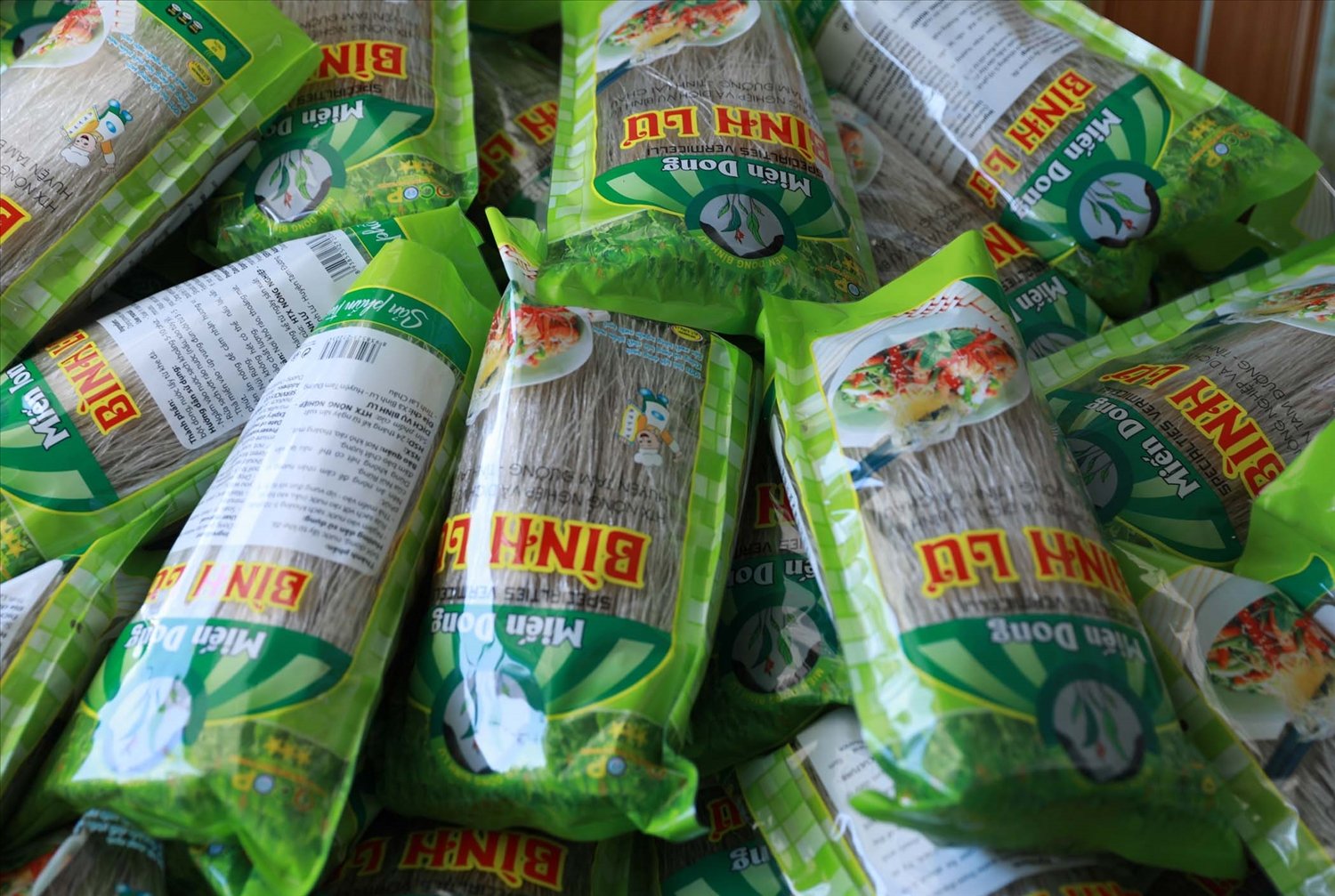


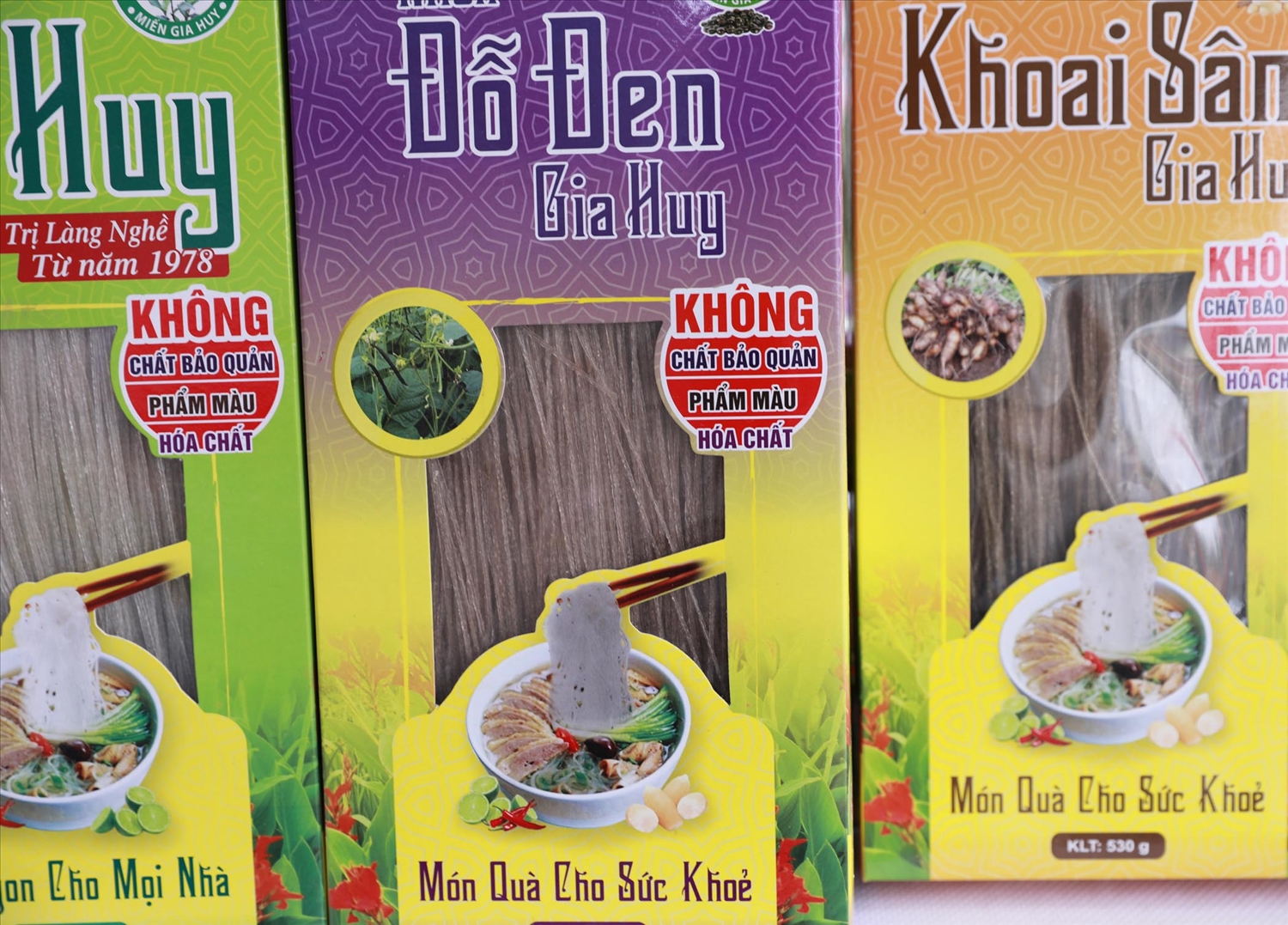
To improve both yield and quality, Binh Lu commune has recently intensified its efforts to promote and encourage its residents to cultivate arrowroot, while also collaborating with arrowroot growers in neighboring areas to provide a local supply of raw materials for arrowroot vermicelli production. Simultaneously, it has encouraged arrowroot vermicelli production facilities to invest in modern machinery and apply scientific and technological advancements to production, saving time and effort, increasing productivity, and meeting market demands during the Tet holiday. As a result, Binh Lu arrowroot vermicelli products meet quality standards, ensure food safety and hygiene, have uniform strands, attractive packaging, and have established a strong brand and market position.
Mr. Lo Van Thang, Vice Chairman of the People's Committee of Binh Lu commune, Tam Duong district, shared: “In recent years, efforts to enhance the reputation and production of cassava vermicelli in the area have been intensified, and vermicelli producers have earned a relatively high income. Cassava has been cultivated and cultivated by local people for generations; the vermicelli produced is favored by the market because of its chewy texture and delicious aroma. In the future, the commune will seek ways to create conditions for households growing cassava and for product distribution to cooperate with each other. From there, gradually increase income and create jobs for local people.”
Source: https://baodantoc.vn/lang-mien-binh-lu-vao-vu-1735618351270.htm