

YEN BAI - Since mid-October, the vermicelli-making village in Quy Mong commune (Tran Yen district) has been bustling with activity, processing starch and producing vermicelli to meet the increased market demand during Tet (Lunar New Year).
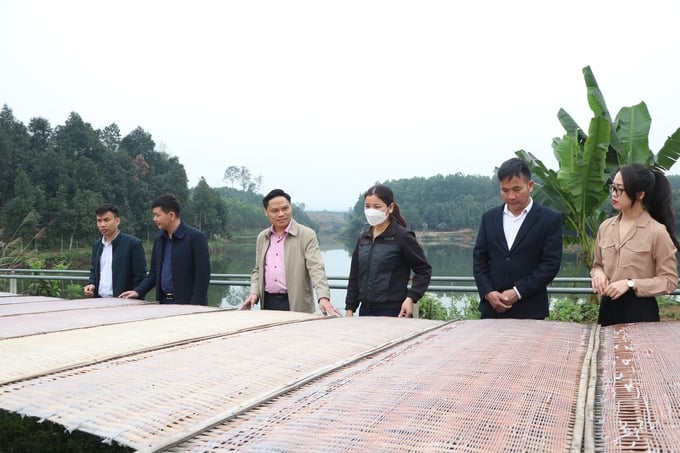
A traditional vermicelli production village is gradually taking shape in Quy Mong commune, Tran Yen district. Photo: Thanh Tien.
Quy Mong commune is located along the Red River, about 20km from the center of Yen Bai province. Here, a traditional vermicelli (cassava vermicelli) production village is gradually developing, with an increasingly large and modern scale, bringing prosperity to the local people.
There was a time when vermicelli noodles replaced rice.
In the final days of the Year of the Rabbit, we were present in the fields of Thinh An village (Quy Mong commune), where we only encountered a few households harvesting the last rows of arrowroot (ginger plants). Some people were tilling the soil and selecting tubers for the spring planting season.
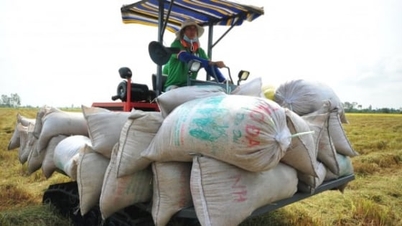
About a month ago, the vast fields along the Red River were covered in the deep green of galangal plants. When the galangal flowers bloomed bright red, it was time to harvest the tubers. During the galangal harvest season, old and young, men and women alike, all went to the fields, plowing and hoeing creating a bustling, noisy atmosphere across the landscape. Hundreds of sacks filled with galangal tubers were stacked in the fields, waiting for trucks to transport them to processing facilities for starch production.
Mrs. Pham Thi Lan, from Thinh An village, is now over seventy years old, yet her hands still nimbly pick the galangal roots, break up the soil, and cut the roots to put them into sacks. Her family cultivates more than 6 sao (approximately 6,000 square meters) of galangal. This year, the heavy rains reduced the yield, but the price of galangal has doubled compared to the previous season, resulting in a higher income. Each sao (360 square meters) yields about 3 tons of roots, and with a selling price of 2,500 - 2,700 VND/kg, Mrs. Lan's family earned over 40 million VND this year, which will help them have a more prosperous Tet holiday.
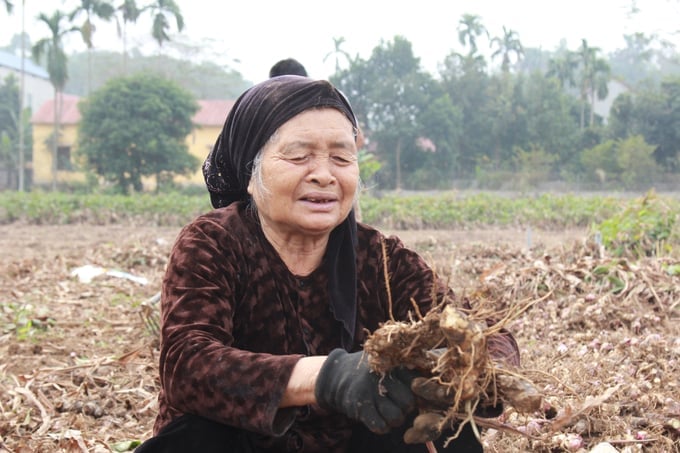
The ginger plant has been closely associated with the people of Quy Mong since times of famine. Photo: Thanh Tien.
With a gentle smile, Mrs. Lan shared that her family had been growing cassava since the 1970s. In the past, people here only grew the local variety with small tubers and many roots. Now, everyone has switched to growing the high-yield variety with larger tubers and fewer roots, resulting in higher productivity. Previously, many households in the village grew cassava, mainly in their gardens and along the streams for processing into food. Every step, from grinding the flour and making the vermicelli to slicing the noodles, was done manually, mostly in the evenings to ensure enough food for the whole family. Instead of rice, the vermicelli was often cooked with crabs and fish caught in the fields and ditches, and that's how it sustained a family of over a dozen people through difficult times.
For generations, hundreds of hectares of agricultural land in Quy Mong commune have been enriched by the fertile alluvial soil deposited by the Red River, making it ideal for the growth and development of ginger plants. Every year, the people in the commune actively convert inefficient rice fields, orchards, and riverside areas into concentrated ginger cultivation zones, maintaining a stable area of 70-80 hectares.
Mr. Nguyen Van Vong, a resident of Thinh An village, shared: "In the past, without vehicles and machinery, expanding the area for growing galangal was very difficult; human labor alone couldn't handle it. In the last ten years or so, many households in the area have purchased machinery for transporting and processing galangal starch and making vermicelli, so people are more confident in expanding their cultivation area, and their income is improving."
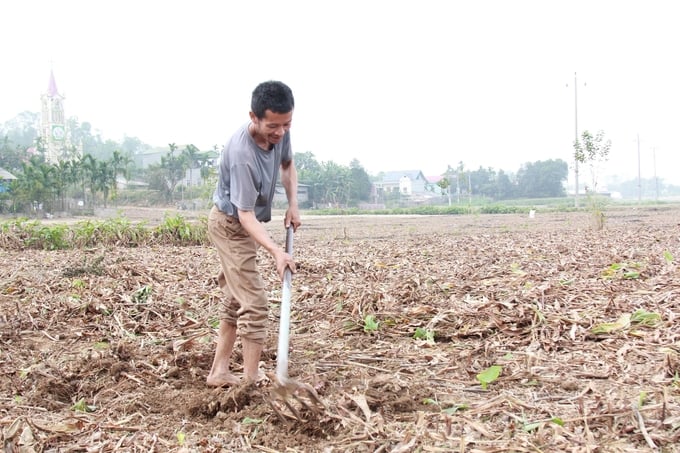
The ginger plant and the vermicelli-making craft have been closely associated with the people of Quy Mong commune for generations. Photo: Thanh Tien.
Ginger is a very easy plant to grow, easy to care for, and resistant to pests and diseases. It is usually planted in the spring and harvested at the end of the year. Besides being grown alone, ginger can also be intercropped with other crops such as corn, peanuts, and beans. In 2023, Mr. Vong's family planted over 5 acres of ginger and harvested more than 10 tons of tubers. Households in the village helped each other dig up the tubers and break up the soil, after which the ginger tubers were bagged right in the field awaiting transport to the starch processing factory.
Producing clean vermicelli using modern technology.
Currently, Quy Mong commune has 4 starch processing factories, all equipped with integrated machinery from the stages of washing and sorting tubers, milling, filtering, and settling the starch. Each facility can process 15-20 tons of tubers and produce more than 4 tons of starch per day, ensuring food safety and hygiene.
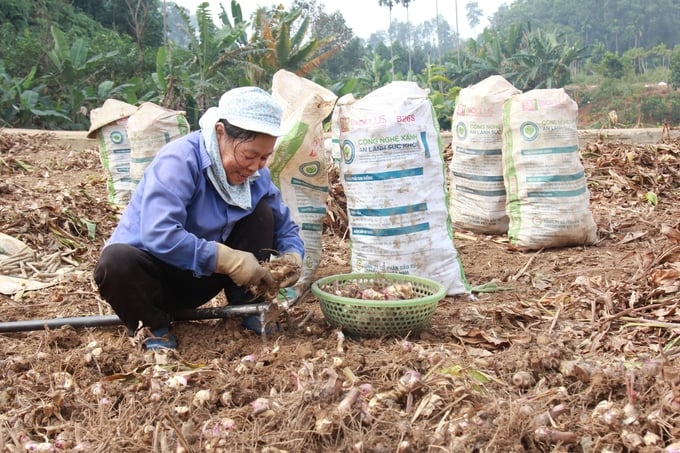
The cassava tubers are harvested, bagged, and transported to starch processing factories. Photo: Thanh Tien.
Mr. Phi Dac Hung, owner of a cassava starch processing facility, said his family has been involved with cassava cultivation for 40 years. Currently, his family plants over 1 hectare of cassava each year, harvesting hundreds of tons of tubers. Seeing the increasing demand for starch processing, in 2015, his family invested in opening a factory to process cassava tubers from their own farm and those of other households. For every 10 kg of tubers, they can produce 4 kg of starch. After deducting the costs of machinery and labor, farmers earn nearly double the profit compared to selling the tubers directly.
In the past, most people in Quy Mong only grew arrowroot for consumption. Those who grew a lot sold the tubers to arrowroot starch processing facilities in provinces further south such as Hanoi , Hung Yen, and some vermicelli-producing villages in Phuc Loc and Gioi Phien communes (Yen Bai City). In the last 5 years or so, cooperatives and production groups for arrowroot vermicelli have been established in the commune. With government support, vermicelli producers have invested in modern machinery such as boilers, fiber presses, slicing and cutting machines, and bagging machines.
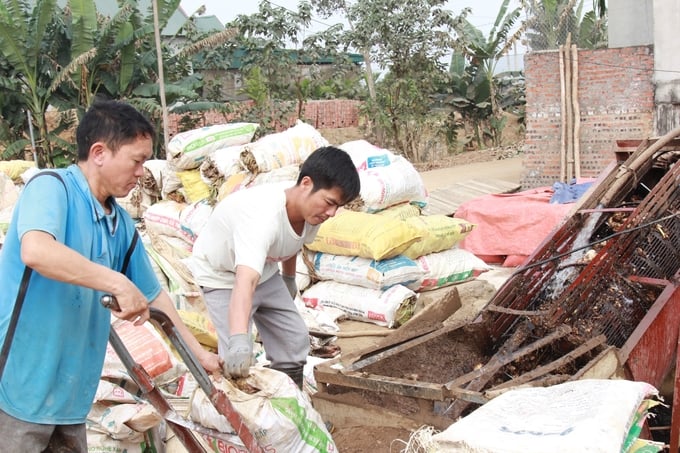
Locals put the cassava tubers into a sieving machine to clean them before processing them into starch. Photo: Thanh Tien.
Mr. Do Danh Toan – Director of Toan Nga Green Startup Cooperative (Quy Mong commune) shared: His family has been making cassava vermicelli for 40 years. Since childhood, Mr. Toan has seen his parents grind cassava tubers into flour using a foot-operated machine. The starch was then steamed in a double boiler. Once cooked, the flour was wrapped in plastic bags, pressed thin, and left in the sun for about 30 minutes before being cut into strands using a hand-cranked machine. Each batch of vermicelli only yielded a few kilograms, but it was very laborious work.
The traditional vermicelli-making craft had been lost for many years, but in 2021, Mr. Toan decided to establish a cooperative to produce cassava vermicelli. With modern technology and machinery, vermicelli production has become more efficient, ensuring quality and attractive packaging.
According to Mr. Toan, to make delicious vermicelli, the villagers use 100% pure galangal starch. The starch is soaked and thoroughly washed to allow it to settle, removing impurities, and filtered three times to obtain clean starch. Then, the starch is cooked in a pot over a steady fire, stirring continuously to prevent the raw starch from settling. Once cooked, it must be immediately put into a vermicelli-making machine.
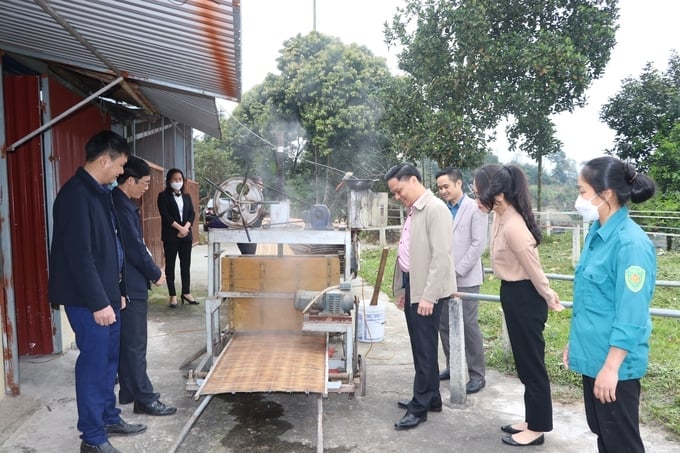
Noodle-making facilities have incorporated more machinery into production, helping to reduce labor time and increase productivity and product quality. Photo: Thanh Tien.
The steaming trays of vermicelli noodles are brought out to dry in the sun. These drying trays are woven from bamboo and are thoroughly cleaned. The drying area is usually chosen near a pond or field, far from traffic to avoid dust and dirt. After about 3 hours of drying, the noodles are evenly dry and then cut and packaged using a machine.
Developing a 5-star OCOP product: cassava vermicelli for export.
In Quy Mong, vermicelli is produced year-round, but the busiest months are the end of the year as people focus on producing for the Lunar New Year. Investing in semi-automatic machinery has reduced labor costs, resulting in higher productivity and guaranteed quality. On average, each facility can produce 300-400 kg of vermicelli per day. Quy Mong vermicelli is produced by cooperatives using clean methods, without preservatives or additives, resulting in a translucent white color, naturally chewy and crispy strands, and it doesn't become soggy or sticky even when overcooked.
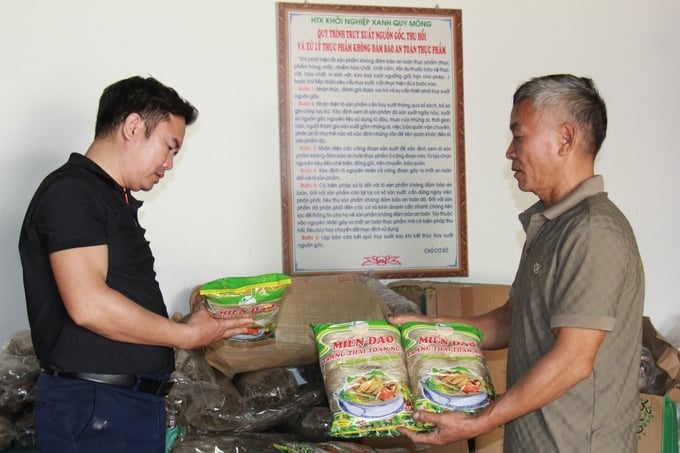
Quy Mong commune will upgrade its OCOP (One Commune One Product) cassava vermicelli product to 5 stars to find export markets and increase its value. Photo: Thanh Tien.
The gradual formation of vermicelli-making villages not only helps preserve traditional crafts but also creates jobs for local people, providing them with regular income. During holidays and Tet (Lunar New Year), the vermicelli business becomes even more vibrant thanks to its quality product, reasonable price, and versatility in preparing many delicious dishes.
Thanks to the application of science and technology and the introduction of machinery into production, the cultivation of arrowroot and vermicelli making is increasingly developing. In the coming time, Quy Mong commune is encouraging people to maintain and expand the area, developing arrowroot cultivation according to VietGAP standards. In addition, it is coordinating with relevant agencies and stakeholders to upgrade OCOP products from 4 stars to 5 stars to export traditional arrowroot vermicelli.
Mr. Tran Van Chung, Chairman of the Quy Mong Commune People's Committee, said that the commune currently has 4 cooperatives and production groups producing vermicelli. Thanks to improved designs and quality, the average price of vermicelli is 60,000 - 70,000 VND/kg. Two vermicelli products from Viet Hai Dang Cooperative and Toan Nga Green Startup Cooperative have been recognized as OCOP products at the provincial level. Vermicelli products are regularly promoted and introduced at major fairs and exhibitions in Yen Bai province. The increasing reputation and popularity of Quy Mong's vermicelli is the driving force for the people in the commune to continue promoting the value and building the brand of this traditional product of their homeland.
Source

![[Photo] Prime Minister Pham Minh Chinh attends the Conference on the Implementation of Tasks for 2026 of the Industry and Trade Sector](/_next/image?url=https%3A%2F%2Fvphoto.vietnam.vn%2Fthumb%2F1200x675%2Fvietnam%2Fresource%2FIMAGE%2F2025%2F12%2F19%2F1766159500458_ndo_br_shared31-jpg.webp&w=3840&q=75)





































































Comment (0)