

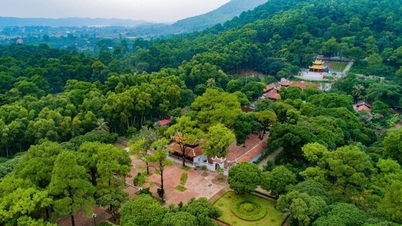
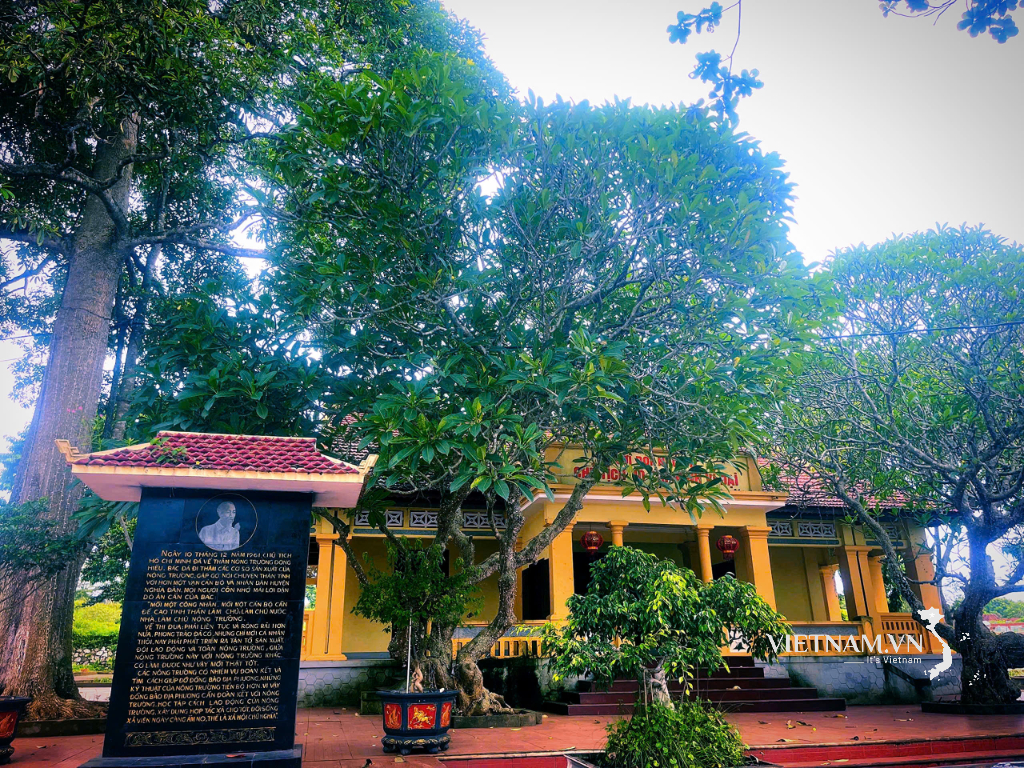
Currently, Tay Ninh province has 223 historical sites; of which, the province has implemented QR code applications at nearly 200 tourist attractions to allow visitors easy access to information about the destinations. These are typical historical sites with special value in terms of history, culture, and revolution, associated with the traditions and identity of Tay Ninh.
By simply scanning the QR code – which is placed at easily visible public locations at the tourist attraction – visitors will have access to all the information about the destination provided by the provincial Tourism Information and Promotion Center's website and social media platforms such as Facebook, Zalo, and YouTube.
Each QR code scan not only unlocks information but also helps connect young people with tradition, bringing the stories of their ancestors back into modern life.
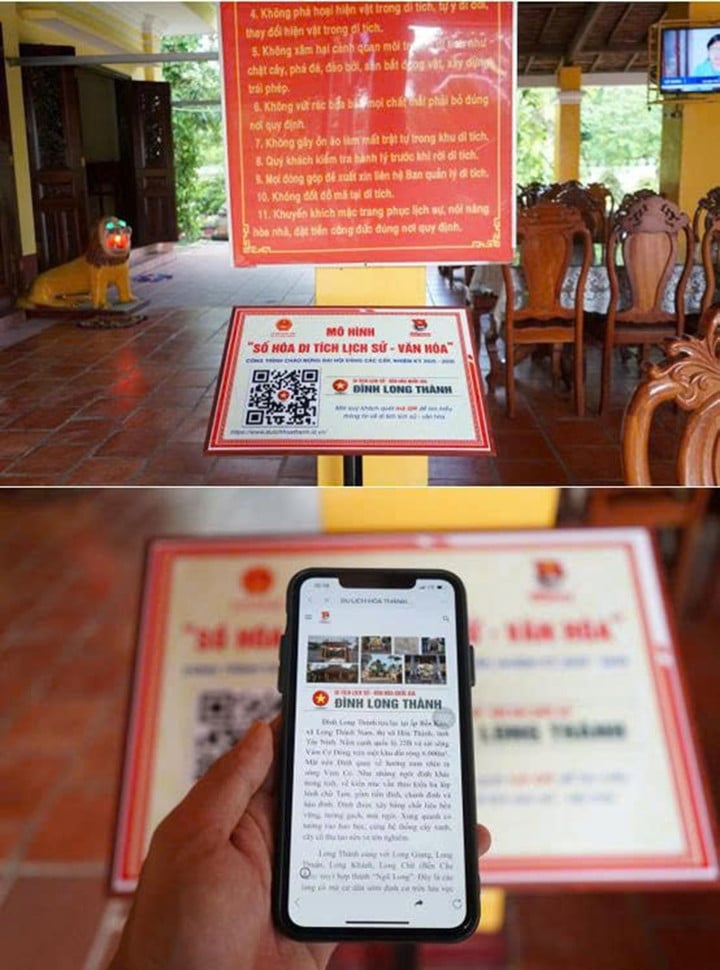
The Department of Culture, Sports and Tourism is integrating digital information for 17 historical sites and scenic spots throughout the province.
Mr. Tran Quang Long (a tourist from Ho Chi Minh City) expressed his delight that he could simply point his phone to view complete information about the historical site, from its history and architecture to the stories associated with each location.
"This approach is both convenient and helps me better understand the local cultural values without waiting for a tour guide ," he said.
In particular, the QR code is presented in both Vietnamese and English, creating an opportunity to introduce the historical sites to international friends.
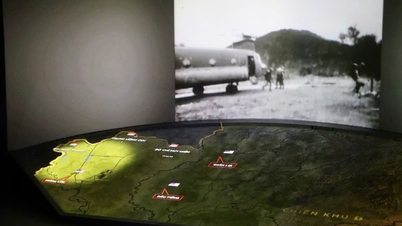
In addition, Tay Ninh is applying 3D mapping technology at the Central Committee Headquarters of the Southern Region National Special Historical Site (Tan Lap commune).
3D mapping technology has vividly recreated the historic 1967 Junction City counter-insurgency operation on both panoramic screens and interactive dioramas, helping viewers clearly visualize one of the largest military campaigns of the US-backed South Vietnamese regime that the base once faced.
Ms. Tran Thi Thu Ha (a tourist from Ho Chi Minh City) expressed her emotion at witnessing a period of arduous living and working, a time of heroic struggle in the revolutionary history of Southern Vietnam. Because of this, she further cherishes peace and remembers the contributions of her ancestors.
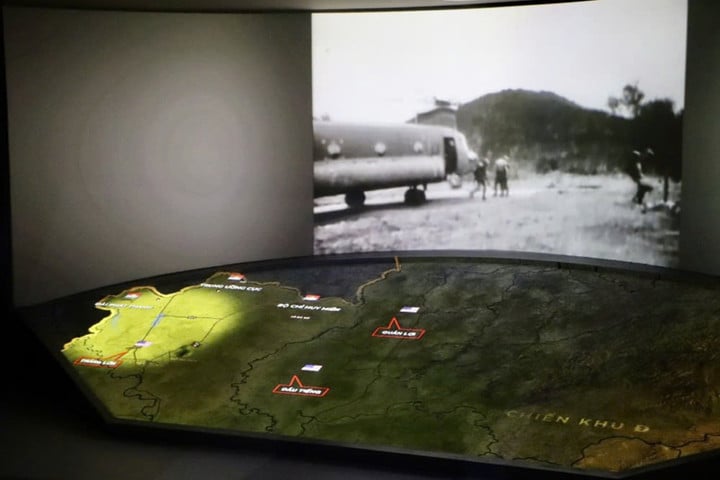
Visitors experience 3D mapping technology at the Central Committee Headquarters of the Southern Region historical site.
Once a national heritage database is established, and information systems are interconnected from the central to local levels, access to heritage will no longer be heavily dependent on geographical location, opening hours, or the physical infrastructure of a museum. People in remote areas, people with disabilities, and students from different localities will all have more equal opportunities to access values that were previously mainly stored in archives.
The province also emphasized that digital transformation is not simply about capturing, scanning, or reproducing what already exists; it is a process of selecting, interpreting, and structuring information according to standards that can be used, shared, and connected over the long term. Digital data must accurately reflect the important details, characteristics, and values of the heritage, according to appropriate standards and accessed systematically.
Currently, the Tay Ninh Department of Culture, Sports and Tourism is continuing to implement and will introduce additional solutions running on the internet platform to create more favorable conditions for tourists to access the province's tourism products.
In the future, the application of artificial intelligence (AI), virtual reality (VR), and augmented reality (AR) to the presentation of historical sites is entirely feasible, promising to provide visitors with a vivid and immersive experience.
Most importantly, no matter how advanced technology becomes, the core value remains preserving the soul of the heritage. Digitalization does not replace it, but only serves as a supporting tool, making the heritage more vibrant and accessible. It is the appreciation, preservation, and passing on of this spirit from generation to generation that forms the sustainable foundation for the enduring culture of Tay Ninh.
Willow
Source: https://vtcnews.vn/tay-ninh-dua-di-san-hoa-nhap-vao-dong-chay-so-hoa-ar993554.html

![[Photo] Prime Minister Pham Minh Chinh attends the Conference on the Implementation of Tasks for 2026 of the Industry and Trade Sector](/_next/image?url=https%3A%2F%2Fvphoto.vietnam.vn%2Fthumb%2F1200x675%2Fvietnam%2Fresource%2FIMAGE%2F2025%2F12%2F19%2F1766159500458_ndo_br_shared31-jpg.webp&w=3840&q=75)









![[INFOGRAPHIC] Legion Go Gen 2 sets a new standard for gaming.](https://vphoto.vietnam.vn/thumb/402x226/vietnam/resource/IMAGE/2025/12/19/1766146888809_info-taycamgames-02-jpg.webp)



























































Comment (0)