

Certificate of Origin (C/O): The legal "passport" for Vietnamese goods entering the EU.
After half a decade of implementing the Vietnam-EU Free Trade Agreement (EVFTA), the landscape of Vietnam's exports to this market has changed significantly. From a market with high demands for standards, traceability, and transparency of origin, the EU is gradually becoming a stable destination for many of Vietnam's key industries. In this journey, the Certificate of Origin (C/O) is considered a "trade passport," determining the eligibility for preferential tariffs and the position of Vietnamese goods in the European supply chain.
According to Ms. Trinh Thi Thu Hien, Deputy Director of the Import-Export Department ( Ministry of Industry and Trade ), since the EVFTA officially came into effect, Vietnam's export turnover to the EU has increased sharply, from approximately US$17.9 billion in 2020 to US$51.72 billion in 2024, nearly tripling in just 5 years. Along with that, the percentage of goods granted preferential Certificates of Origin (C/O) under the EVFTA has also seen a significant improvement, from 14.8% in the first year to 35.1% in 2025, corresponding to an export turnover of approximately US$18.13 billion benefiting from preferential tariffs.
These figures show that preferential Certificates of Origin (C/O) are no longer a mere formality, but have become a core element in Vietnamese businesses' strategies for accessing the EU market.
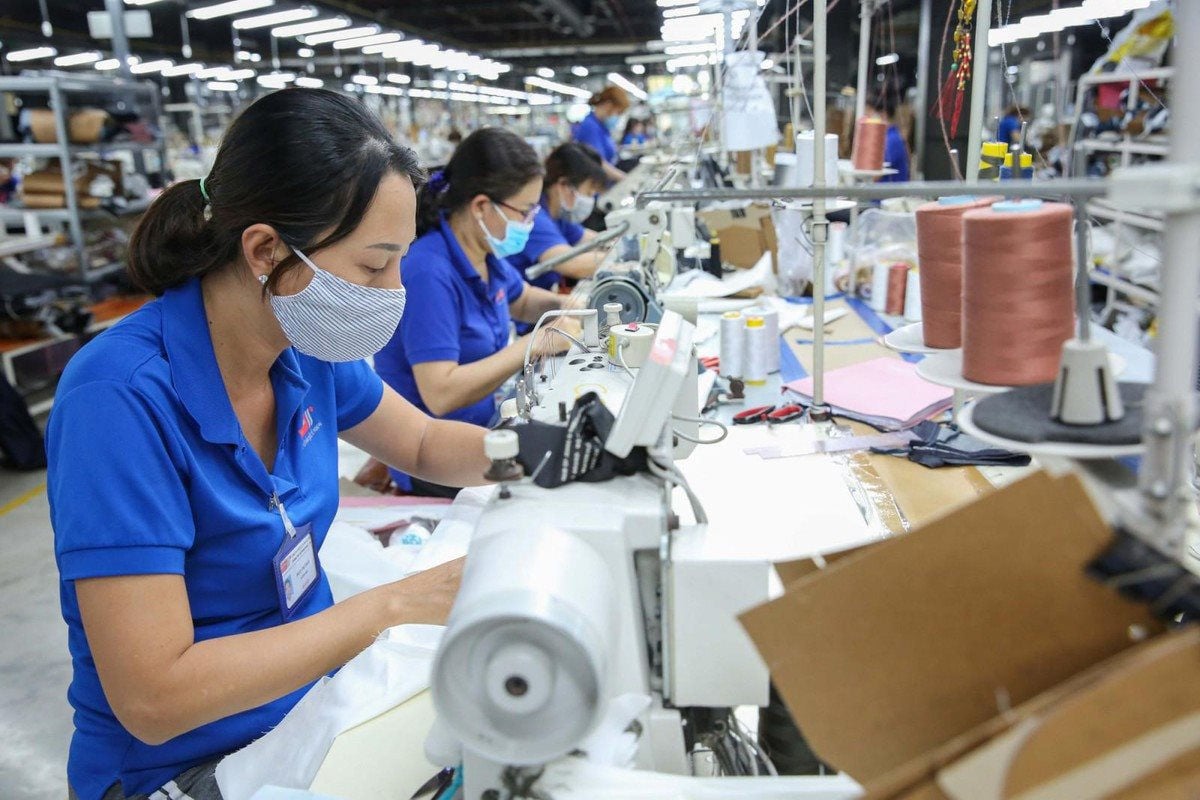
Essentially, a Certificate of Origin (C/O) is a legal document confirming that goods are manufactured in Vietnam and fully comply with the rules of origin under the EVFTA, thereby qualifying them for preferential import duties by EU customs authorities. Within the framework of the EVFTA, there are currently two commonly used forms of certificates of origin: the EUR.1 C/O form and the self-certification mechanism for small shipments.
Ms. Trinh Thi Thu Hien stated that for shipments valued at over 6,000 EUR, Vietnamese businesses are required to obtain a Certificate of Origin (C/O) form EUR.1 from agencies authorized by the Ministry of Industry and Trade. Meanwhile, for shipments valued below this threshold, businesses can self-certify the origin directly on the commercial invoice in accordance with the EVFTA and Vietnamese law.
This distinction both benefits businesses and places higher demands on accuracy, transparency, and consistency in managing origin documentation. In fact, many businesses only truly realize the importance of Certificates of Origin (C/O) when they begin to encounter verification and inspection requirements from partners or EU authorities.
From a market perspective, Ms. Nguyen Thi Hoang Thuy, Director and Commercial Counselor of the Vietnamese Trade Office in Sweden, also responsible for the Nordic market, assessed that after 5 years of the EVFTA's effectiveness, the capacity of Vietnamese businesses to comply with rules of origin and prepare Certificates of Origin (C/O) documents has significantly improved. In particular, businesses that export regularly and those in industries with relatively stable supply chains have become more proactive in controlling raw material sources, maintaining documentation, and communicating early with importing partners regarding origin requirements.
According to Ms. Thuy, good compliance with rules of origin brings two parallel benefits to businesses. Firstly, there is a direct benefit in terms of tariffs, helping to reduce costs and enhance competitiveness. Secondly, and increasingly important in Nordic markets, there is a benefit in terms of reputation and market share: businesses with clear and transparent origin records are often viewed more highly by partners in terms of reliability and potential for long-term cooperation.
From tariff advantages to measures of corporate governance capabilities.
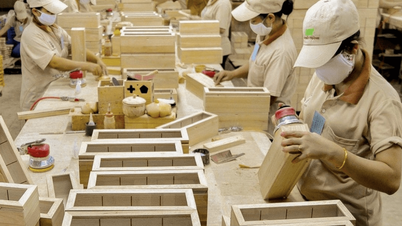
The experience of the Nordic market shows that preferential Certificates of Origin (C/O) not only help Vietnamese goods overcome tariff hurdles but also open up opportunities for deeper access to large distribution chains. Ms. Nguyen Thi Hoang Thuy cited the example of the textile and footwear industries, where many Vietnamese businesses have effectively utilized the EVFTA to maintain stable orders with Swedish importers, even during periods of decline in the EU market. Similarly, in the wood industry, businesses that effectively control the legality and origin of their wood sources often find it easier to access larger distribution chains compared to suppliers who only compete on price.
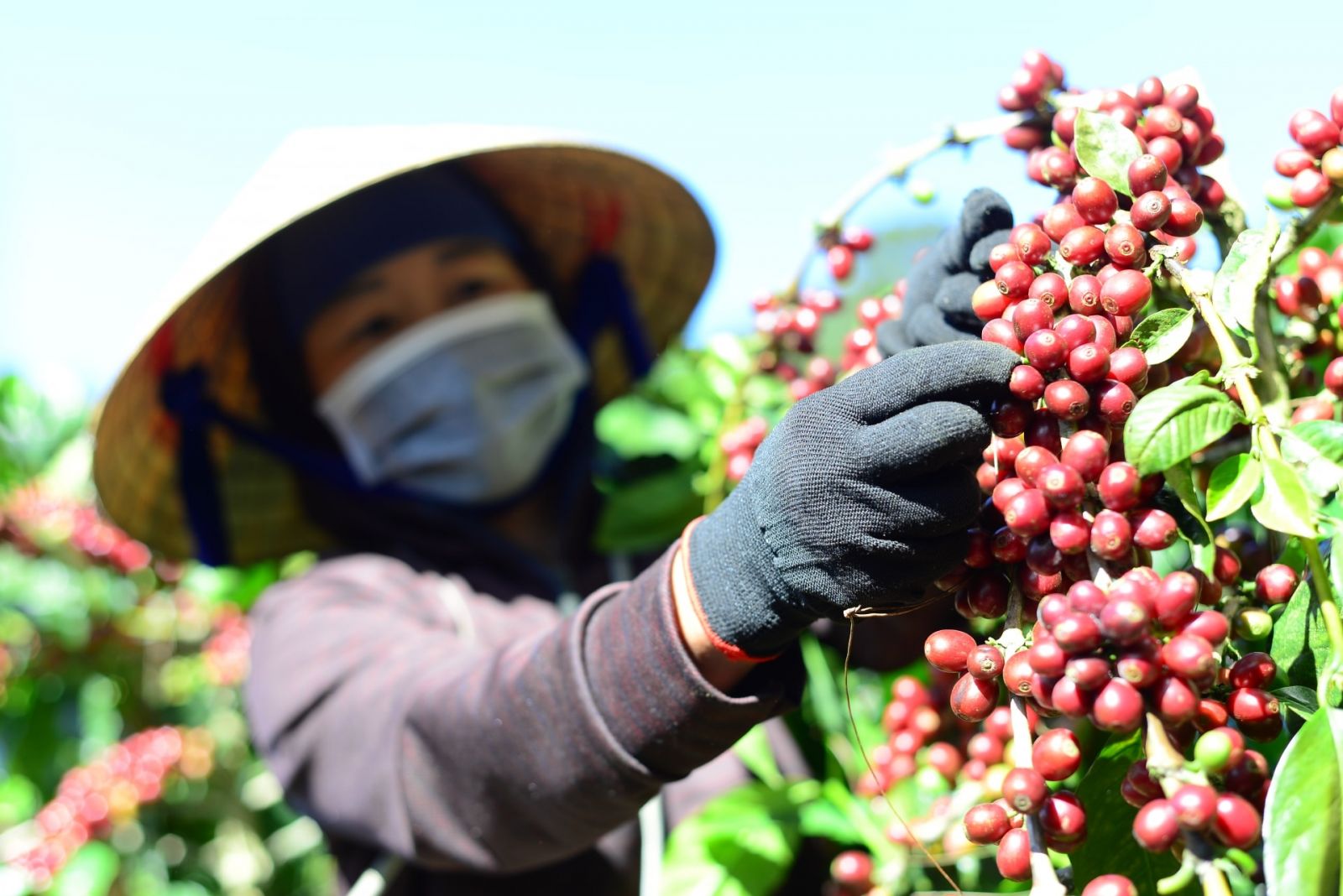
However, from a market perspective, the biggest bottleneck for Vietnamese businesses today does not lie in the rules of origin or the certificate of origin issuance procedures themselves, but in the lack of synchronization between raw material sources, rules of origin, and the documentation system. Many businesses may technically meet the rules of origin, but have not yet built a sufficiently robust management system to consistently demonstrate traceability when partners request it or during post-audits.
In practice, EU importers don't just ask businesses "whether they have a Certificate of Origin (C/O) or not," but often require a clear explanation of the value chain: where the raw materials come from, how they are managed, and whether they are separate from raw material flows that do not meet EVFTA requirements. If documentation is only prepared for each shipment, lacking a systematic approach, businesses can easily become confused when asked for additional verification.
This experience is also reflected from major domestic export businesses. Mr. Than Duc Viet, General Director of May 10 Corporation - JSC, said that the rate of using Certificates of Origin (C/O) by businesses depends quite heavily on each market and each order. Specifically in 2025, over 20% of May 10's export C/Os were issued under preferential C/Os, about 17% were non-preferential C/Os, and the remaining 63% were not applied for by businesses exporting to markets that did not require them.
According to Mr. Than Duc Viet, the biggest difficulty currently facing businesses lies in the documentation process. For exports to the EU, businesses must have a Certificate of Origin (C/O) proving the origin of the fabric, meaning fabric suppliers must also provide all relevant certifications. Meanwhile, with other agreements such as the CPTPP, the "from yarn onward" rule requires a continuous documentation chain from yarn businesses and fabric businesses to garment businesses.
In reality, having to scan documents as PDF files and upload each set of documents individually is not only time-consuming but also significantly increases the procedural burden. Businesses desire deeper and more interconnected channels that allow direct access to existing documentation from suppliers in the supply chain, including global suppliers. This approach not only reduces repetitive declarations but also ensures that data is stored accurately, transparently, and can be used for post-audit purposes at any time.
Recognizing these bottlenecks, the Ministry of Industry and Trade has prioritized centralizing the Certificate of Origin (C/O) issuance process and building a national digital platform to support businesses in online registration, shortening C/O issuance time, and reducing the risk of origin fraud. Simultaneously, the revision of Circular 11/2020/TT-BCT on rules of origin is also being considered, aiming to create a clearer legal framework that is more consistent with international trade practices.
In the context of increasingly fierce competition and ever-higher EU requirements for transparency of origin, preferential Certificates of Origin (C/O) are not only a key to unlocking tariff barriers, but also a test of Vietnamese businesses' supply chain management capabilities. Those who perform well will not only sell their goods but also establish a long-term foothold in one of the world's most demanding markets.
Source: https://moit.gov.vn/tin-tuc/thi-truong-nuoc-ngoai/cap-co-uu-dai-chia-khoa-dua-hang-viet-tham-nhap-sau-thi-truong-eu.html

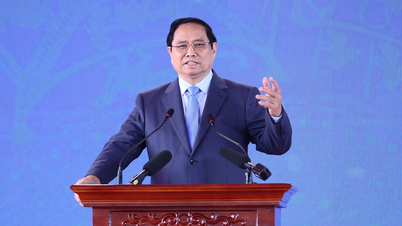
![[Photo] Prime Minister Pham Minh Chinh attends the Conference on the Implementation of Tasks for 2026 of the Industry and Trade Sector](/_next/image?url=https%3A%2F%2Fvphoto.vietnam.vn%2Fthumb%2F1200x675%2Fvietnam%2Fresource%2FIMAGE%2F2025%2F12%2F19%2F1766159500458_ndo_br_shared31-jpg.webp&w=3840&q=75)





































































Comment (0)