

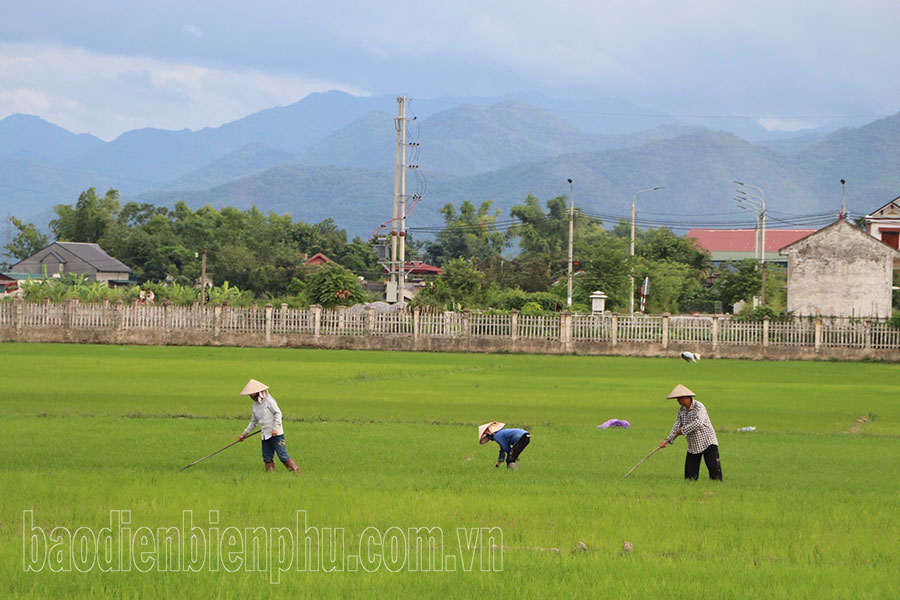
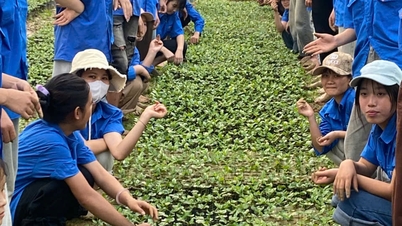
Districts, towns, cities, and specialized agencies in the agricultural sector have strengthened the deployment of officials to the grassroots level to direct production, inspect, and guide farmers in implementing solutions for crop care and pest control to ensure a successful summer-autumn crop. Farmers are advised to regularly monitor their fields and crops, promptly detect pests and diseases, and take timely preventive measures. At this time, farmers are actively working in the fields, tending to, fertilizing, and weeding their rice, peanut, and corn crops.
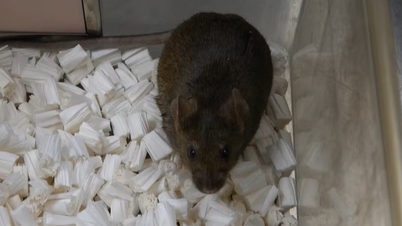
According to statistics from specialized agencies, as of July 28th, the total area of crops infected with pests and diseases exceeded 2,313 hectares. Specifically, rice crops showed several pest and disease outbreaks, including: small leaf-rolling caterpillars with a common density of 1 caterpillar/m², reaching 5-25 caterpillars/ m² in some areas, affecting 13 hectares; rice blast disease with a common rate of 0.5-1.5%, reaching 5-15% in some areas, and up to 50% in localized areas, affecting 111.5 hectares; and golden apple snails with a common density of 1-3 snails/ m² , reaching 10 snails/ m² in some areas, affecting 307.8 hectares. Rat damage is widespread, affecting 1-3% of crops, with higher rates of 5-15% in some areas, covering 94.3 hectares... On other crops (upland rice, summer-autumn corn), diseases such as brown spot, bacterial blight, rats, small leaf-rolling caterpillars, fall armyworms, and large leaf spot are causing scattered damage; bamboo locusts continue to cause damage on bamboo and reed hills in Muong Nha district...
To ensure productivity and efficiency for crops, the Department of Agriculture and Rural Development has advised localities and people to regularly monitor weather conditions and plant diseases, especially newly emerging diseases, in order to promptly spray for control. Specifically, for rice crops, it is necessary to strengthen investigation and close monitoring of pest situations to take timely remedial measures, especially managing diseases such as rice blast, brown spot, bacterial blight, small leaf roller, and planthopper infestations. Farmers should be guided to promptly isolate and treat areas where diseases have appeared or in fields where spraying has been ineffective.
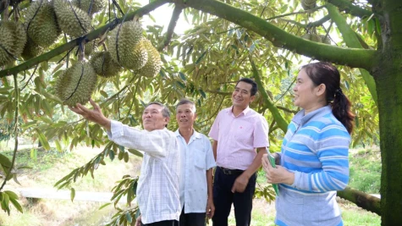
For fruit trees, guide farmers on appropriate care measures for each type of tree, pest control using integrated pest management (IPM) methods, and soil health improvement measures from the IPHM program. Pay attention to supplementing micronutrients such as calcium and zinc to reduce fruit drop and cracking due to nutrient deficiencies; effectively manage powdery mildew and anthracnose on mango trees; and manage mites, fruit borers, and fruit flies on citrus trees using biological preparations, herbal remedies, and bio-pesticides to balance the ecosystem and ensure safety for producers. Continue to closely monitor the bamboo locust population and proactively implement control measures.
Thanks to proactive measures, summer-autumn crops in the province are developing well, with timely pest and disease control, minimizing impact on plant growth and development. Regarding rice leaf roller, farmers have proactively sprayed 128 hectares infected with various diseases; 250 hectares infected with rice blast; and nearly 90 hectares controlled pests such as rats, golden apple snails, and bacterial leaf blight. For other crop diseases affecting smaller areas, farmers have proactively sprayed to control them. However, given the complex weather patterns, farmers should not be complacent and should actively care for their crops, prevent pests and diseases, and use pesticides as recommended by specialized agencies.
Source

















































































Comment (0)