Solve the difficult problem from the ground up.
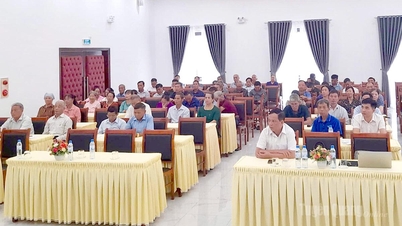
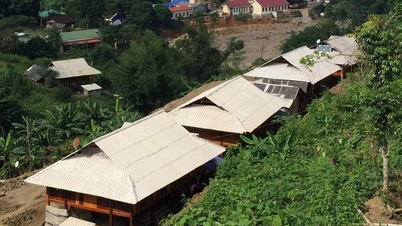
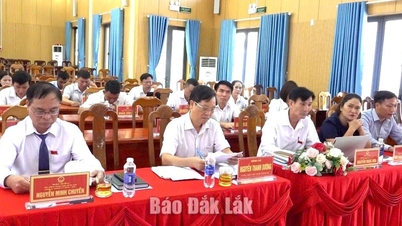
One weekend afternoon, at the Quyet Tien village cultural center in Dong Van commune, a large number of people gathered for a meeting to discuss the proposed reorganization of the villages. The questions raised revolved not only around the new names or community activity locations, but also concerned about preserving cultural identity and maintaining the community bonds that have been nurtured over generations. As a large-scale locality, Dong Van commune currently has 69 villages with nearly 5,000 households and over 25,000 inhabitants.
Upon review, only one village in the entire commune met the standard for household size; 18 villages had fewer than 50 households. Furthermore, the large geographical area and scattered population posed many challenges in developing a restructuring plan. In addition, the arrangement of 560 part-time grassroots workers also presented difficulties during the merger process. Based on this reality, the Party Committee and the government of Dong Van commune chose a cautious, democratic approach that was appropriate to the characteristics of each locality.
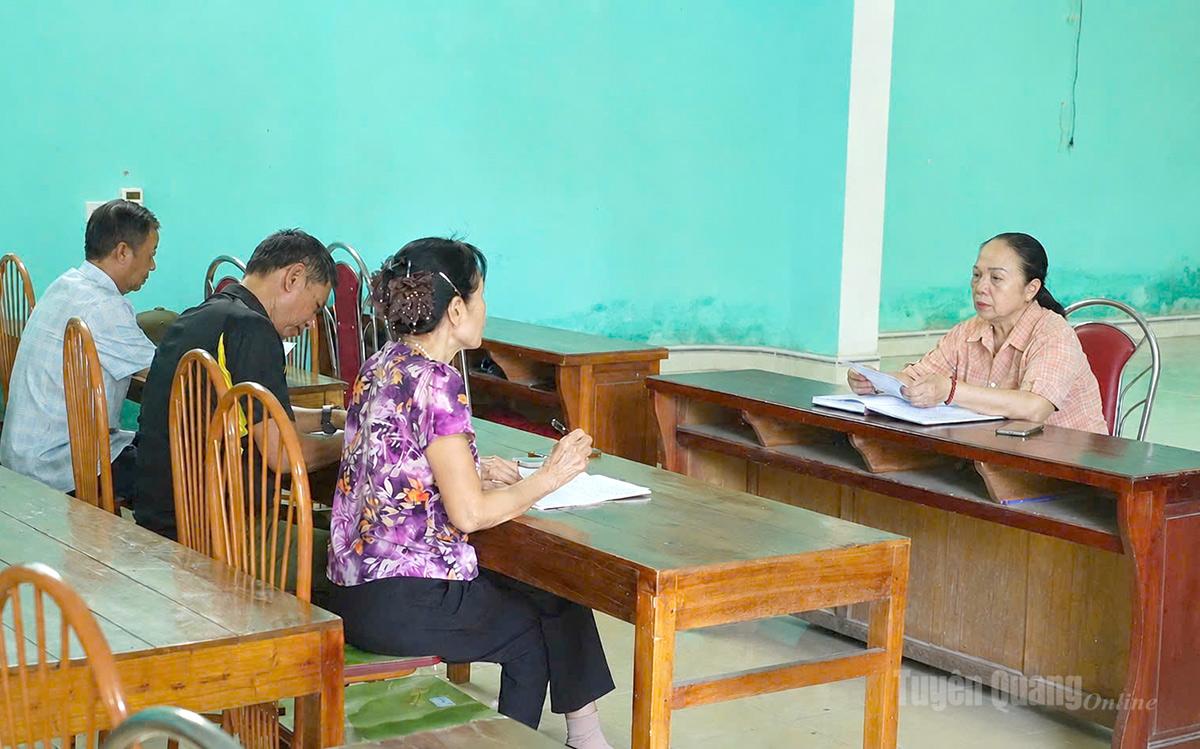 |
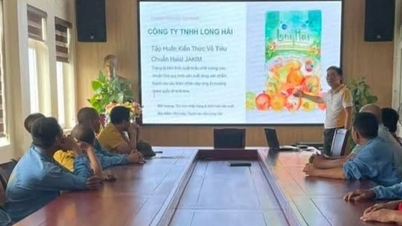
| The Party Committee of Residential Area 16, Tan Ha Ward, Minh Xuan Commune, held a meeting to discuss methods of leadership, mobilization, and consensus building in the reorganization of villages and residential areas. |
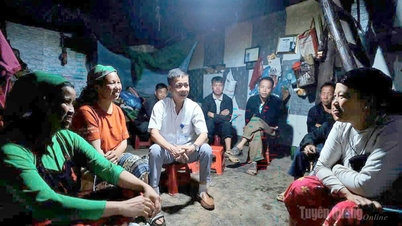
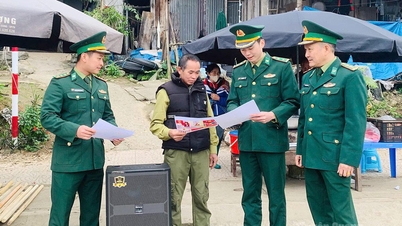
Before developing a relocation plan, the commune conducted a thorough review of the current population situation, transportation conditions, cultural characteristics, and customs of each village; at the same time, it established working groups to go directly to the grassroots level to meet with and listen to the thoughts and aspirations of the people. In particular, it leveraged the role of the Party branch secretaries, village heads, and influential people in the community to disseminate and clearly explain the purpose, significance, and long-term benefits of the relocation.
Public meetings were held openly and democratically, allowing residents to participate and contribute ideas to the naming of the new villages, the selection of community activity locations, and other issues related to the lives of residents after the merger. Reasonable suggestions were promptly considered and adjusted to ensure the highest level of consensus. Thanks to effective public relations work and a people-centered approach during implementation, the commune's reorganization plan received high levels of consensus from the grassroots. This is considered a crucial factor in helping Dong Van gradually overcome difficulties and obstacles, creating a favorable foundation for building new villages of appropriate scale and operating more effectively after the reorganization.

Building consensus for development
Recognizing that effective communication is a crucial factor in the success of reorganizing villages and residential areas, local Party committees and authorities have implemented diverse forms of communication tailored to each area and target group. In residential areas, consultation meetings are held openly and democratically. Concerns from residents regarding the new unit names, travel distances, community activity locations, and personnel arrangements after reorganization are listened to and addressed promptly. In residential area 16, Tan Ha, Minh Xuan ward, the reorganization plan has received widespread support from the people.
Ms. Le Thi Ha, a resident of Neighborhood Group 16, shared: “Initially, I had some concerns, especially regarding the location of the community center and the name change. However, after local officials explained the situation in detail, I realized this is a sound policy. The reorganization will streamline the administrative apparatus and improve management efficiency. We agree with the policy of the higher authorities and hope that the locality will have more opportunities for development in the future.”
To create unity in awareness and action, grassroots cadres and Party members play a core role in propaganda and mobilization work. Comrade Doan Thi Yen, Secretary of the Party Branch and Head of Residential Group 16 Tan Ha, Minh Xuan Ward, said: “The Party Branch determined that we must do a good job of ideological work from the beginning. We thoroughly explained to each Party member the purpose and significance of rearranging villages and residential groups. Afterward, each Party member continued to propagate and mobilize their relatives and the people in their residential areas. When people understand the long-term benefits, implementation becomes much smoother.”
Experience at the grassroots level shows that when people are involved in contributing ideas, are listened to, and have their concerns thoroughly addressed, consensus increases significantly.
With a systematic, democratic approach that puts the people at the center, and the decisive involvement of the entire political system, obstacles in the process of reorganizing villages and residential areas in localities throughout the province are gradually being resolved. This is an important foundation for building increasingly developed, civilized, and sustainable communities in the new era.



Text and photos: MY LY
Source: https://baotuyenquang.com.vn/xa-hoi/202606/lang-nghe-nhan-dan-a157c64/