

Hybrid cars: Gradually establishing their position in Vietnam.
Hybrid vehicles, combining a gasoline engine and an electric motor, have been around since 1997. However, this segment hasn't seen rapid growth due to a lack of investment from automakers. There are many variations of hybrid engines, including pure hybrid, mild hybrid, plug-in hybrid, and range extender hybrid.
In Vietnam, the first hybrid cars, such as the Toyota Prius (2007) and Lexus RX450h (2009), appeared as market research models. Currently, Toyota remains the leading brand with many hybrid models, from the Yaris Cross and Corolla Altis to the Camry and Innova Cross. In addition, premium brands like Lexus, BMW, Audi, and Porsche have also entered the Vietnamese market with hybrid models.
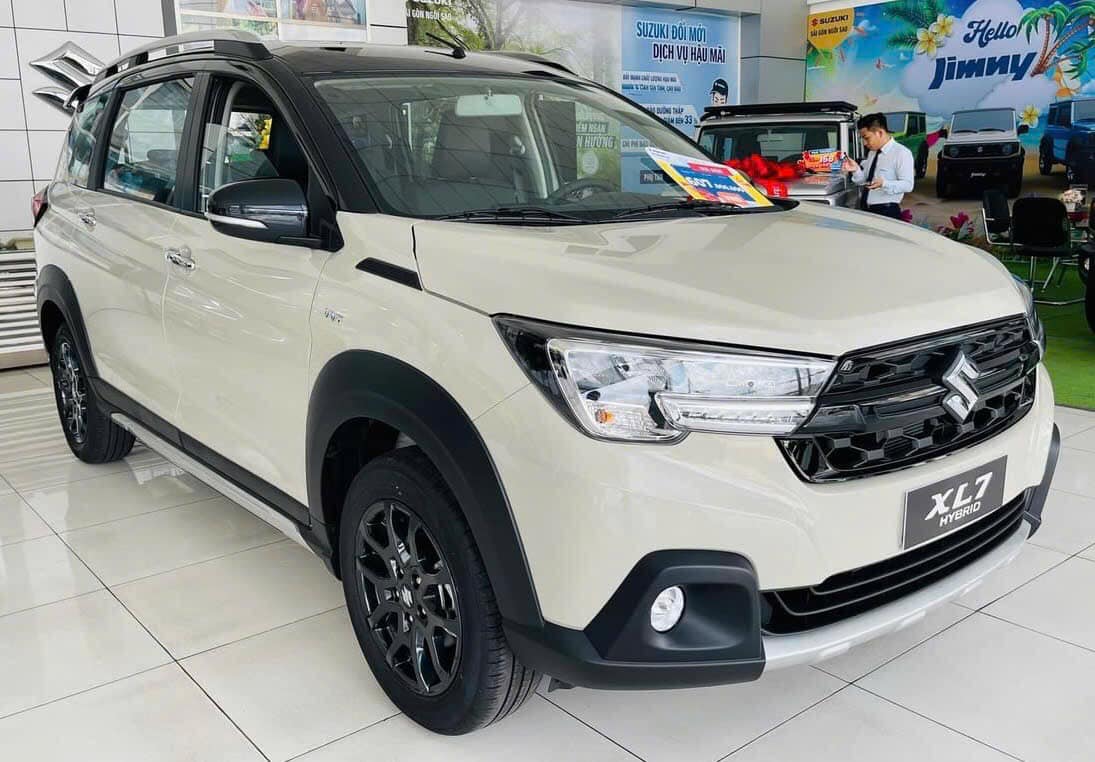
Hybrid vehicles have seen slow development due to a lack of investment from manufacturers.
The popularity of hybrid vehicles is not limited to luxury brands but is also spreading to mainstream brands such as the Honda CR-V, KIA Sorento, Suzuki XL7, and Nissan Kicks. This demonstrates that hybrid vehicles are increasingly gaining attention from Vietnamese consumers thanks to their fuel efficiency, a strength that gasoline-powered vehicles cannot match. On average, hybrid vehicles consume about 50% less fuel than their traditional internal combustion engine counterparts.
Advantages and challenges of hybrid vehicles.
One of the outstanding advantages of hybrid cars is their fuel efficiency. In addition, this type of vehicle does not require users to change their driving habits like electric cars, which need frequent battery charging.
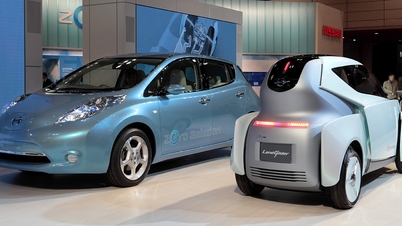
In particular, some models like the Nissan Kicks use the gasoline engine solely for charging the battery, while the electric motor handles propulsion. This eliminates the consumer worry of finding charging stations – one of the biggest barriers to electric vehicles.
However, hybrid cars still face some challenges. Their price is significantly higher than gasoline-powered cars, potentially by hundreds of millions of Vietnamese dong. This causes many consumers to think twice before deciding to buy one.
Can hybrid cars pose a challenge to electric cars?
Currently, electric cars are receiving many incentives from the government to encourage people to switch to this type of vehicle, contributing to the commitment to achieving net-zero emissions by 2050.
From March 1, 2022, buyers of electric cars are exempt from 100% of registration fees for three years and receive a 50% reduction for the following two years. In addition, the special consumption tax on electric cars has also been reduced from 15% to 3%, making this vehicle segment more attractive in terms of price.
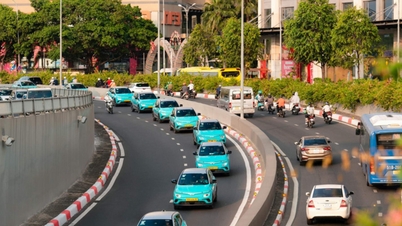
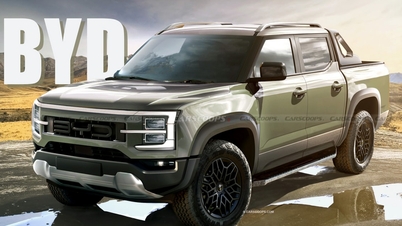
These incentive policies have fueled a surge in electric vehicle sales over the past two years, with many new electric vehicle brands entering the market such as Wuling, Haima, BYD, and soon Aion. However, the limited number of charging stations in Vietnam means consumers are not yet fully ready to switch to electric cars.
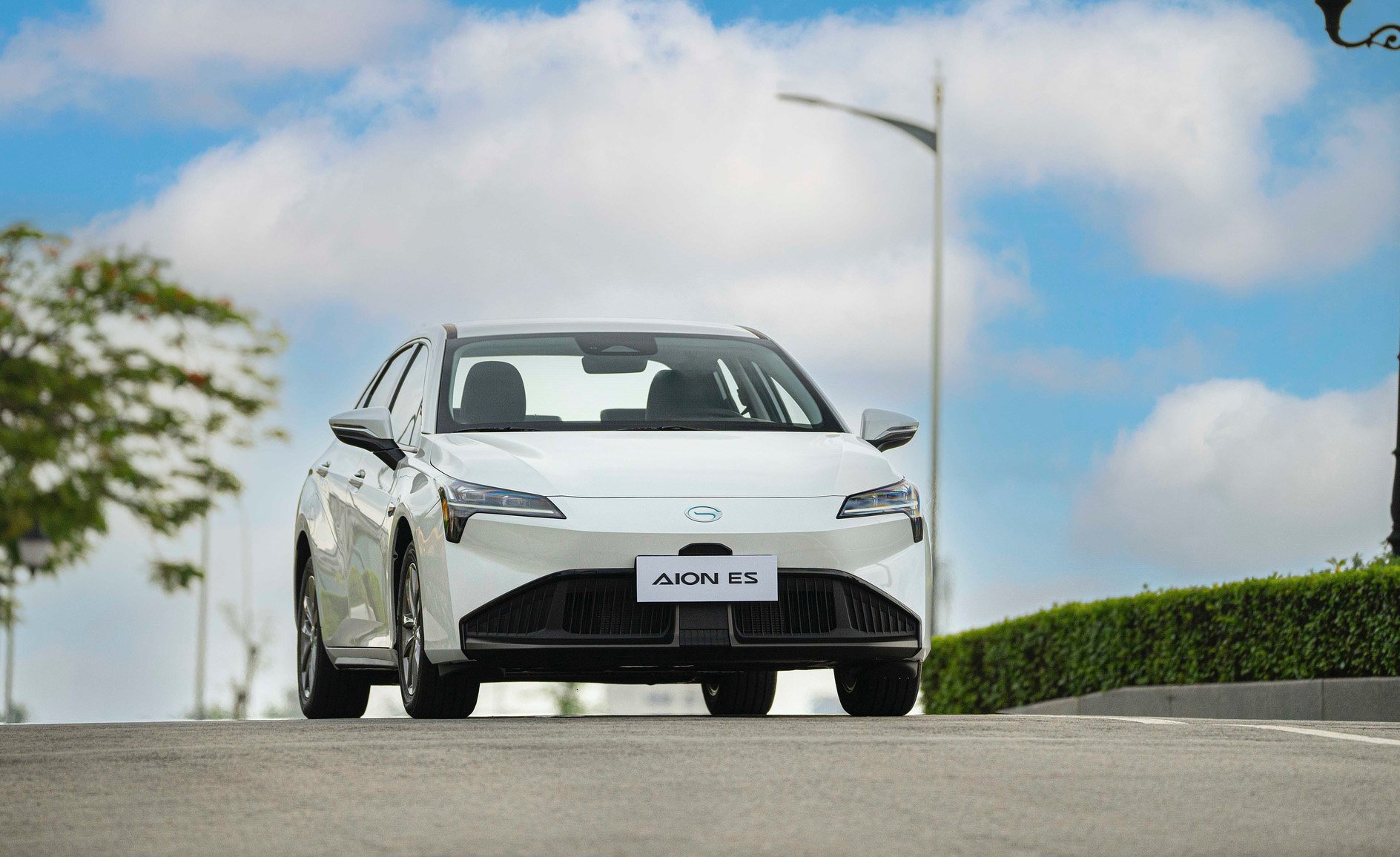
Electric cars receive many support policies from the Government.
Conversely, hybrid vehicles have not yet received strong support from the Government and are still subject to the same registration fees and taxes as gasoline vehicles. However, in the Draft Strategy for the Development of Vietnam's Automotive Industry to 2030, with a vision to 2045, the Ministry of Industry and Trade has proposed policies to reduce registration fees for hybrid and electric vehicles to promote the development of this type of vehicle.
If this proposal is approved by the National Assembly , hybrid vehicles will have the opportunity to compete directly with electric vehicles, especially since consumers are not yet fully ready to switch to electric cars due to the need to change their usage habits. Hybrid vehicles, with their advantages of fuel efficiency and no need for charging, could become a more attractive option for Vietnamese consumers, especially in a period where charging station infrastructure is not yet widely developed.
The future of hybrid and electric vehicles in Vietnam
According to the Ministry of Industry and Trade, by 2030, automobile production and consumption in Vietnam are expected to grow at an average rate of 14-16% per year, with electric and hybrid vehicles accounting for 18-22% of total consumption. If preferential policies for hybrid vehicles are implemented, the Vietnamese automobile market will witness even fiercer competition between hybrid and electric vehicles.
Although electric cars are making significant strides, hybrid vehicles, with their ability to maintain driving habits and save fuel, remain a potential solution during the transition to clean energy vehicles. Consumers' choice of vehicle type largely depends on government support policies and the future development of charging infrastructure.
Source: https://www.congluan.vn/xe-hybrid-moi-o-at-ve-viet-nam-lieu-du-suc-lam-kho-xe-dien-post314140.html




![[Photo] Prime Minister Pham Minh Chinh presides over a dialogue with Japanese businesses.](https://vphoto.vietnam.vn/thumb/1200x675/vietnam/resource/IMAGE/2026/03/21/1774097547316_ndo_br_dsc-0448-jpg.webp)





































































































Comment (0)