 |
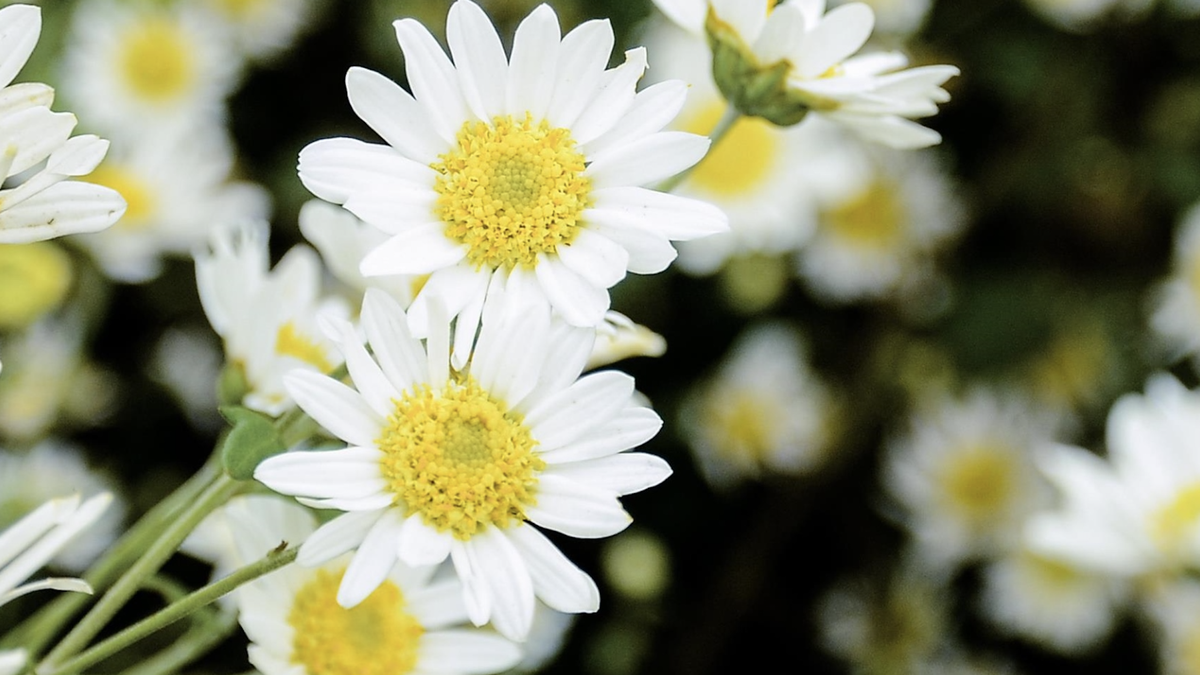
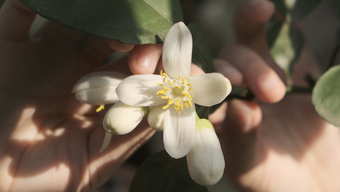
| February and March are the months when the Central Highlands are described as being "covered in white snow," because this is when coffee flowers begin to bloom, blanketing the hillsides in white. |
 |
| Coffee flowers have a sweet fragrance that attracts swarms of bees that flock to collect nectar. |
 |
Before the Lunar New Year, the bee colonies were brought back to the plantations to settle down, ready for harvesting when the coffee flowers bloom in a blanket of white. |
 |
| According to experienced beekeepers, although bees produce honey year-round, honey harvested in March consistently ranks highest in both quantity and quality. |
 |
Each beehive typically contains 7 to 10 frames. After about 7-10 days, when the frames are filled with honey, beekeepers will extract the honey to create space for the bees to start a new colony. |
 |
| Before harvesting, beekeepers often spray mist or smoke to calm the bees, preventing them from being stung during the honey-gathering process. |
 |
| ...Check the ripeness of the honey on each honeycomb. |
 |
| Carefully separate the bees from the honeycomb using a brush to avoid damaging the colony. |
 |
| Transfer the "golden ripe" honeycombs from the rearing tanks to the honey extraction area. |
 |
| The honeycomb frames are neatly placed in the centrifuge, ready for the honey extraction process. |
 |
| Previously, beekeepers used a specialized knife to scrape off the surface layer of wax so that the honey could easily escape during the centrifugation process. |
 |
| The steady hand motion ensures that the honey is completely separated from the comb, preserving its delicious flavor. |
 |
| The finished product is pure, golden-yellow coffee blossom honey, freshly extracted from the rotating drum. |
The Hung
Source: https://baodaklak.vn/dat-va-nguoi/202603/thang-ba-mua-con-ong-di-lay-mat-7db7c6a/


![[Photo] Prime Minister Pham Minh Chinh presides over a dialogue with Japanese businesses.](https://vphoto.vietnam.vn/thumb/1200x675/vietnam/resource/IMAGE/2026/03/21/1774097547316_ndo_br_dsc-0448-jpg.webp)


















































































Comment (0)