Return to the open space
Both Phan Thanh Nhon and his wife (from Ban Thach ward) work in offices, spending most of their day in enclosed, air-conditioned rooms.
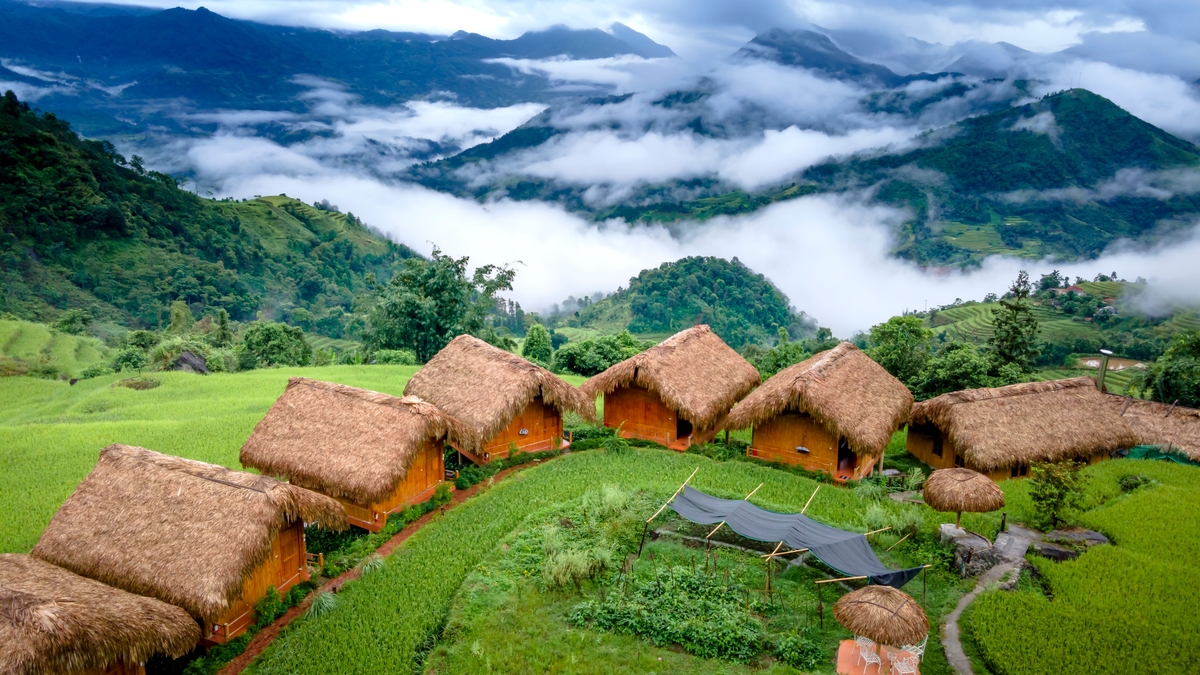
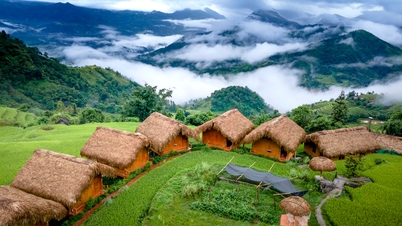
Approximately every two weeks, Mr. Nhon's family arranges a short trip, prioritizing destinations within a radius of about 150km for convenient travel and a return by Sunday afternoon. Instead of choosing large urban tourist areas, Mr. Nhon prefers places close to nature, where they can stay overnight and experience a slower pace of life after days of working in a confined environment.
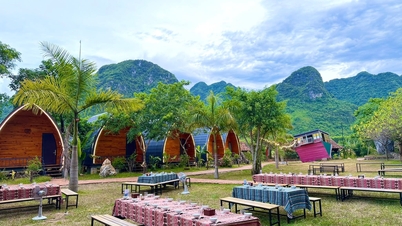
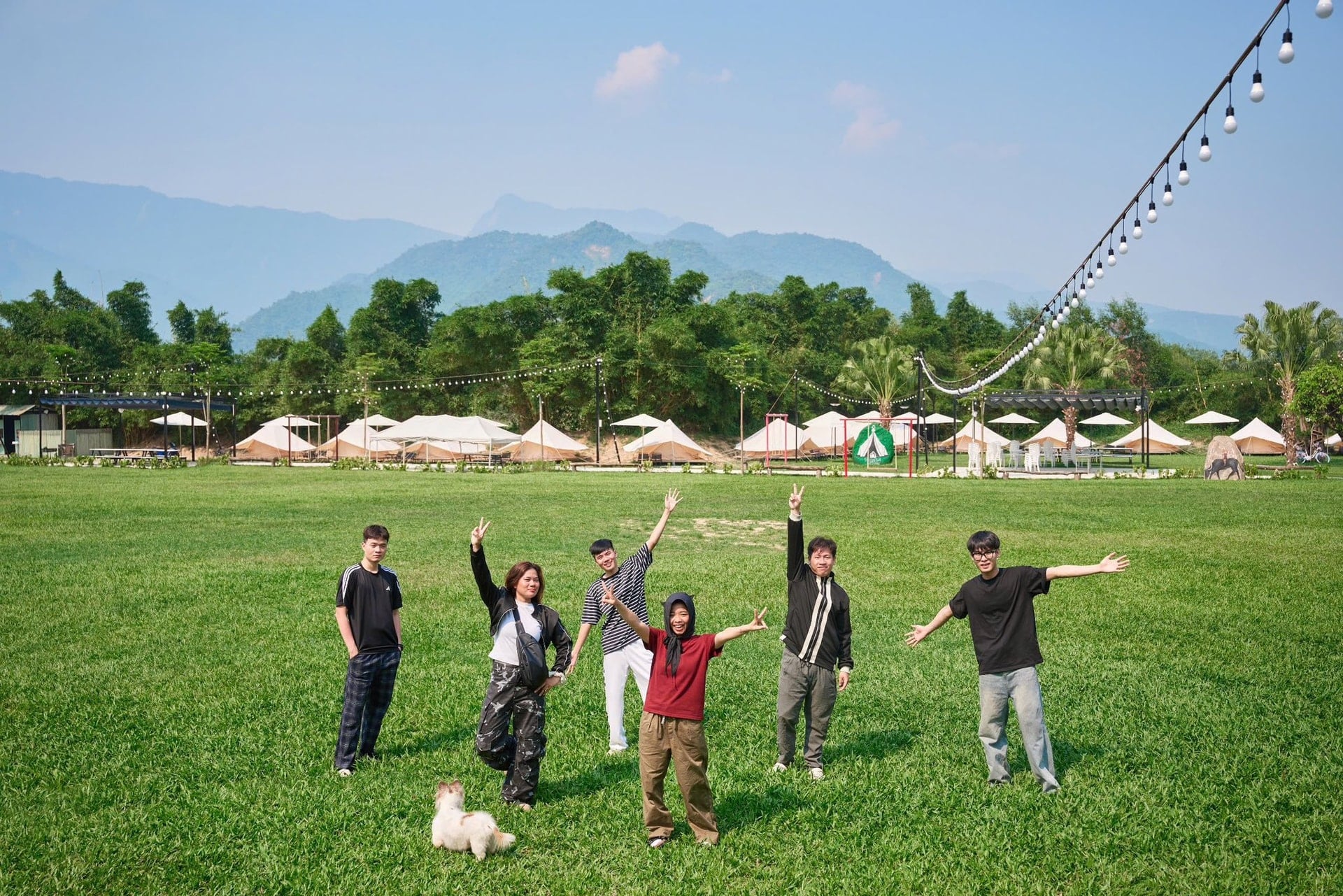
Since the beginning of the dry season, his family has repeatedly chosen camping spots along the Cu De River. The space here has remained almost pristine, with simple tents, each equipped with only a small fan, but according to Mr. Nhon, what makes it different lies in the natural conditions themselves.
“In the evening, the breeze from the river is very cool, and by around 8 pm the temperature drops noticeably, requiring many people to wear extra jackets. While in urban areas the temperature can reach 35-39 degrees Celsius, here it only fluctuates around 22-28 degrees Celsius. The feeling of sitting outdoors, eating, chatting, and relaxing in that atmosphere makes the whole family feel much more comfortable than in a city house,” Mr. Nhon shared.

According to him, each trip doesn't need to be elaborate in terms of service or experience; just having space for family members to spend time together, stroll, swim in the river, barbecue, and relax is enough to recharge. Waking up early in the morning, drinking coffee in the open air, watching the slow-flowing water and the rising sun also brings a different feeling compared to the daily routine.



This trend is also evident among younger travelers, but with more flexible choices. They often opt for beaches that are still quiet and less crowded, preferring small homestays or even setting up their own tents.
Organizing experiential spaces
The increasing demand for accommodation close to nature is creating new requirements for tourist destinations in Da Nang city. Between February and August, especially during the peak months of May, June, and July, many riverside and coastal camping and homestay areas are frequently fully booked, forcing tourists to make reservations in advance if they wish to stay on weekends.
Mr. Le Tuan Anh, the owner of a riverside camping area on the Cu De River, said that to operate this model, he invested nearly 3 billion VND, not only for the tents but also for the accompanying infrastructure such as toilets, showers, electricity and water systems, kitchens, and other facilities for daily life.
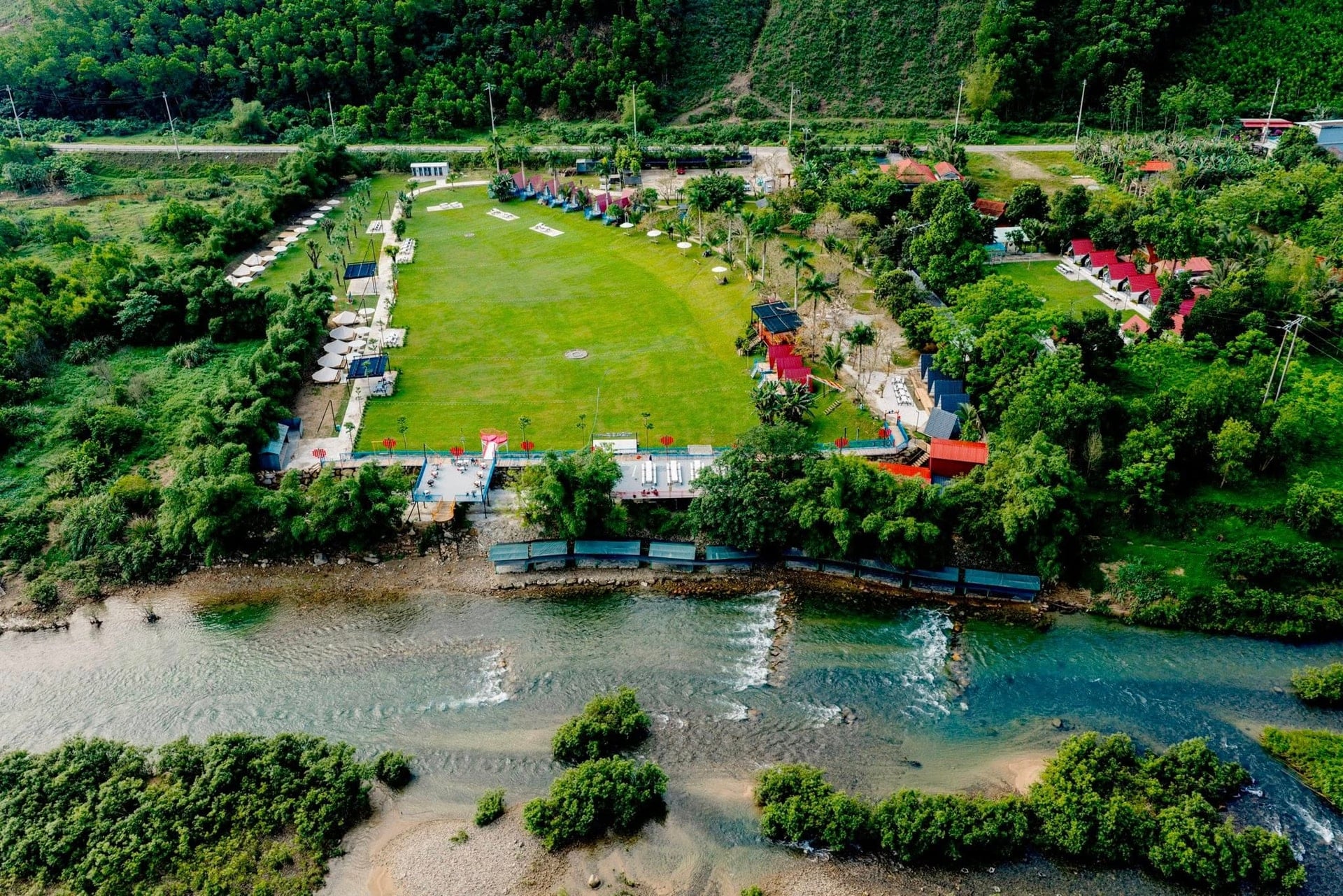
"From the outside, it may look simple, but to ensure guests have a comfortable overnight stay, we have to invest in quite a few things. Besides tents, the facility also provides some solidly built rooms with air conditioning for families who need them. Most importantly, we have to maintain a balance between comfort and natural surroundings," Tuan Anh shared.
In coastal areas, this model is also developing rapidly, especially on beaches that still retain their pristine beauty. Mr. Vo Hong Ron, the owner of a tourist attraction at Tam Tien beach, Tam Xuan commune, said that during peak season, from around 4 pm, the number of visitors starts to increase rapidly, forcing the establishment to prepare everything from cleaning and installing electricity to processing seafood to serve customers.
“Last year during the tourist season, the facility was frequently overcrowded. This year, many groups have booked early, especially for beachfront camping. Besides food and swimming, we also offer activities such as SUP paddling, snorkeling, and experiences with local fishermen to increase guests' length of stay,” said Ron.




Along with the development of this type of tourism, local authorities have also strengthened management, especially during peak periods such as the Hung Kings Commemoration Day and the April 30th - May 1st holidays. In areas frequently visited by picnickers, self-governing forces at the village level are organized to patrol and remind tourists to comply with safety regulations, especially when participating in water activities.
In addition, service businesses are required to sign commitments to ensure safe conditions during service, from electrical and water systems to contingency plans. These measures aim to create a stable environment for nature-based tourism to continue developing, while maintaining the quality of the visitor experience.
Source: https://baodanang.vn/luu-tru-giua-thien-nhien-3334871.html

![[Photo] Strengthening character and expertise: Intense training for artillery soldiers.](https://vphoto.vietnam.vn/thumb/1200x675/vietnam/resource/IMAGE/2026/06/30/1782815602541_lu-368-1875-4571-jpg.webp)