

 |
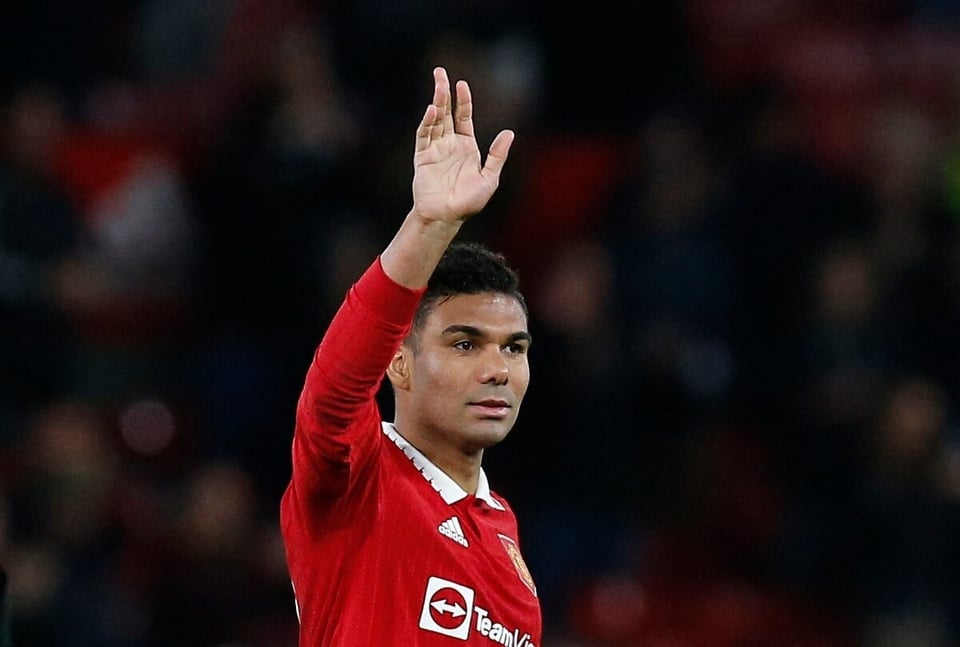
Casemiro will leave MU after the 2025/26 season ends. |
As Casemiro prepares to close his final chapter at Manchester United, the big question isn't whether he plays well or poorly, but rather: Did MU really need Casemiro for the price they paid? The answer, judging from the present, is no. But that doesn't mean Casemiro is a "flop."
The value of Casemiro
Casemiro arrived at Old Trafford in the summer of 2022 amidst chaos. Manchester United were desperately lacking a true defensive midfielder. Their pursuit of Frenkie de Jong had fallen through. The transfer window was closing. Casemiro emerged as a "proven" solution, bringing with him five Champions League titles, top-class quality, and absolute authority in the dressing room. It was a strategic stopgap move, not a long-term foundation-building effort.
The problem is that the cost of that firefighting effort was too high. A £70 million transfer fee for a player over 30 years old. A base salary of £375,000 per week, among the highest in Europe. Total costs exceeding £148 million over four seasons, with no resale value. In any modern management model, that's a figure that would make anyone cringe.
But if you separate Casemiro from the financial balance sheet, his signing wasn't purely a professional mistake. Casemiro's first season at MU is clear proof of that. He brought something the team had lacked for years: order, discipline, and character in midfield.
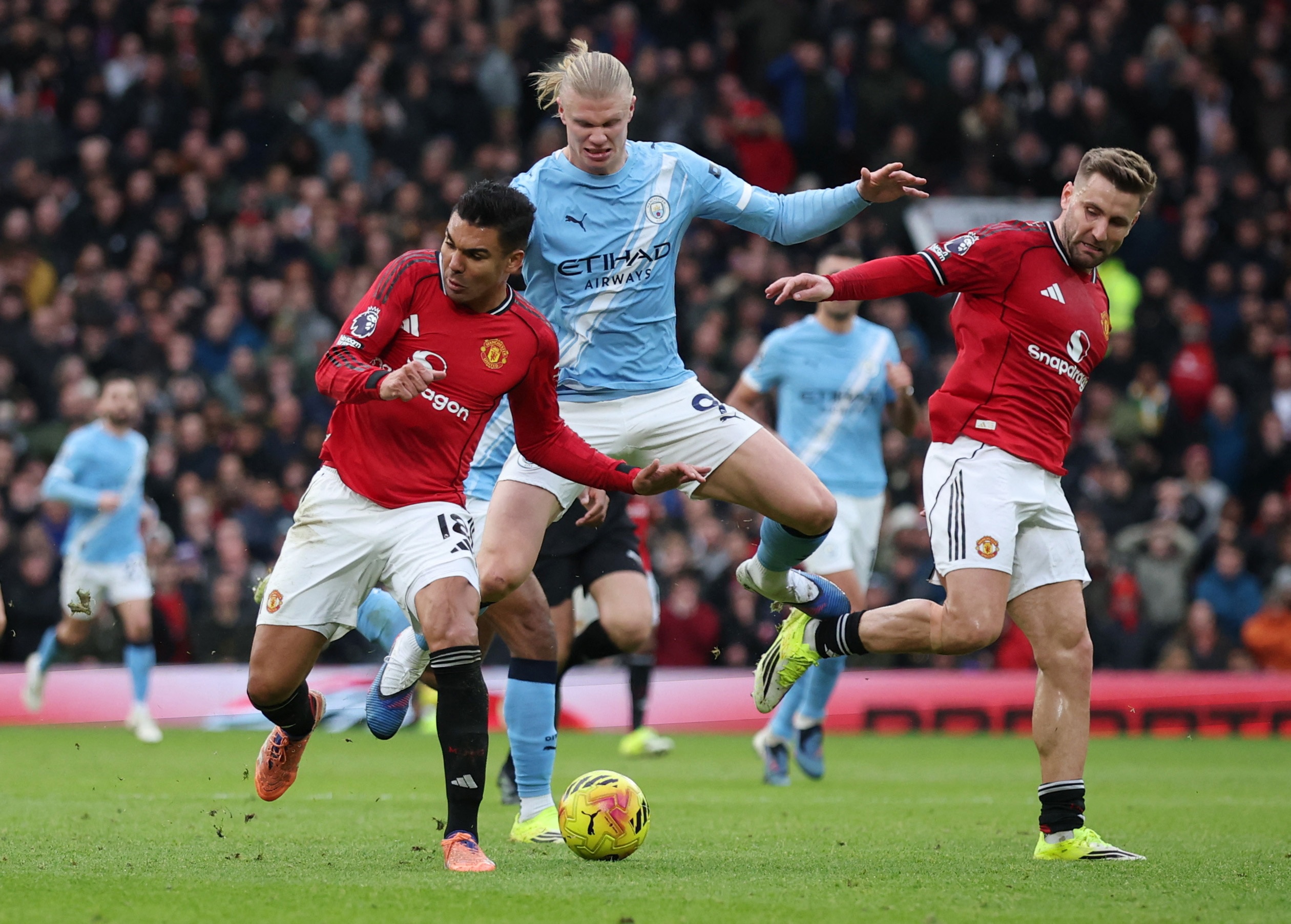 |
Casemiro continues to demonstrate his value at MU. |
Casemiro doesn't need to run the most, he doesn't need fancy long passes, but he always knows where to be and makes the right decisions. He is the "cement" that helped MU win the Carabao Cup in 2023 and return to Wembley as a well-structured team.
Casemiro's iconic moment was the Carabao Cup final against Newcastle. A header to open the scoring, a high-energy performance, and a dominant presence.
At that time, no one doubted his value. MU finally had a true defensive midfielder, something they had been searching for since the Michael Carrick era.
However, top-level football shows no mercy. Entering his second season, Casemiro began to show signs of age. The pace of the Premier League became increasingly demanding. The gaps behind him became more apparent. Injuries became more frequent. The absolute trust placed in him by Erik ten Hag was no longer intact. Casemiro didn't collapse, but he was no longer the absolute anchor for the team.
The change on the coaching bench did not reverse that reality. Under Ruben Amorim, Casemiro had fallen behind in the pecking order, even behind younger players.
However, it's worth noting that he hasn't given up. Casemiro continues to train seriously, continues to fight to regain his place, and when he's on the pitch, MU is usually more stable. In a squad with many inexperienced players, his experience remains valuable.
Why did Casemiro have to leave?
However, modern football doesn't just operate on technical skill. It operates on finance and strategy. When INEOS arrived at Old Trafford, they didn't look at Casemiro based on emotion. They looked at the wage bill, age, development cycle, and profitability.
 |
Comparing Casemiro to past failed Brazilian signings like Kleberson or Antony is unfair. |
In that picture, Casemiro is a legacy of a period of uncontrolled spending. It's not that the player wasn't "good enough," but rather that he no longer fits the new strategy.
Manchester United needs to reduce salaries, rejuvenate the squad, and sign players who can stay for 5-7 years, not extend the contract of a midfielder who is about to turn 34. Therefore, letting Casemiro go is an inevitable decision. Not because he's bad, but because MU can no longer support an outdated financial structure.
Comparing Casemiro to past failed Brazilian signings like Kleberson or Antony is unfair. Casemiro has brought titles. He was a key player. He left a clear mark in crucial moments. Casemiro's problem wasn't on the pitch, but rather the timing and value of his contract.
When Casemiro leaves Old Trafford, he will depart quietly, without tragedy or dazzling glory. But, to be fair, he is a symbol of a Manchester United team that once tried to shorten its path back to the top through immediate investments.
Casemiro wasn't wrong. Manchester United wasn't wrong to part ways with him either. The mistake, if any, lay in placing too much faith in short-term solutions, and then paying the price in time and money.
Casemiro is not a "flop." He's just the price Manchester United has to pay for a period of missteps.
Source: https://znews.vn/ly-do-casemiro-roi-mu-post1622111.html











































































Comment (0)