1. Why are pregnant women more prone to hemorrhoids?
- 1. Why are pregnant women more prone to hemorrhoids?
- 2. How do hemorrhoids affect pregnant mothers and their fetuses?
- 3. Is it necessary to have hemorrhoids removed during pregnancy?
- 4. How to avoid hemorrhoids during pregnancy
During pregnancy, as the baby grows and the uterus enlarges, it puts increasing pressure on the pelvic veins and inferior vena cava, especially those near the anus and rectum, causing them to dilate or swell. Increased progesterone levels during pregnancy cause the muscles to relax, making the vein walls more prone to swelling. This also contributes to constipation, as progesterone slows bowel movements. When constipated, pregnant women often tend to strain during bowel movements, and frequent straining can cause or worsen hemorrhoids.
In addition, factors such as excessive weight gain during pregnancy or sitting or standing in one place for too long can also affect the anus, increasing the risk of hemorrhoids in pregnant women.
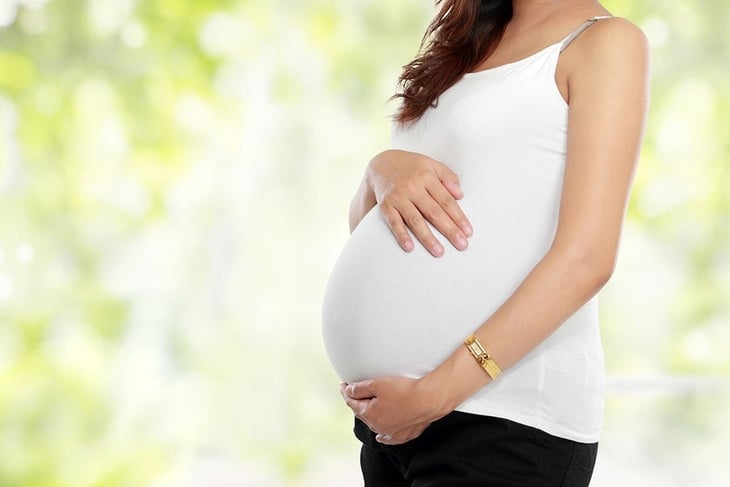
When a pregnant woman has hemorrhoids, she will have difficulty giving birth vaginally.
2. How do hemorrhoids affect pregnant mothers and their fetuses?
Hemorrhoids are particularly common in the "third trimester," which is from week 28 of pregnancy onwards, when the mother becomes heavier due to the baby's growth in the womb.
When suffering from hemorrhoids, postpartum women may experience mild itching and discomfort or severe pain. Sometimes they cause rectal bleeding, especially during bowel movements. Hemorrhoids can also cause difficult childbirth because the hemorrhoidal tissue compresses and narrows the birth canal. If the hemorrhoids are large, blood may spurt out during bowel movements. In cases of prolapsed hemorrhoids, the hemorrhoidal tissue cannot retract and protrudes completely from the anal canal, causing unpleasant pain that affects health.
For the fetus, when the mother has hemorrhoids, vaginal delivery becomes difficult. The straining during childbirth can enlarge the hemorrhoids, cause them to prolapse further, and may lead to severe bleeding and necrosis.
3. Is it necessary to have hemorrhoids removed during pregnancy?
In fact, doctors will not recommend surgery for hemorrhoids in pregnant women due to the numerous associated risks, such as anesthesia complications, adverse drug reactions after surgery, increased risk of infection, and complications with post-operative bleeding.


In most cases, hemorrhoids can disappear completely without treatment after a woman gives birth, once hormone levels, blood volume, and abdominal pressure return to normal.
Except in cases where treatment of hemorrhoids is absolutely necessary before or after childbirth, the doctor will carefully weigh the risks and benefits.
4. How to avoid hemorrhoids during pregnancy
To avoid hemorrhoids during pregnancy, expectant mothers should pay attention to the following issues:
- Constipation should be avoided.
Regularly consume and provide your body with plenty of fiber through fruits and berries.
Eat vegetables like broccoli and kale.
Consume whole grains such as oats, brown rice, and popcorn; and legumes such as lentils and green beans.
You can eat nuts such as almonds and walnuts.
- Provide plenty of water.
Provide your body with plenty of water. Pregnant women should drink more than 4 liters of water per day.
- Regular bowel movements
Avoid holding back bowel movements when you feel the urge, as this can cause constipation, which is a cause of hemorrhoids in pregnant women.



- Avoid sitting or standing for too long at a time.
If your office job requires you to sit in front of a computer for extended periods, try to stop after 30 minutes and do some light exercise by walking (for a few minutes) to reduce pressure on the anal area.
- Eat yogurt
Yogurt, rich in probiotic bacteria, helps treat constipation, stimulates the digestive tract, and makes things move more easily. These bacteria in yogurt also improve nutrient absorption, which is especially important during pregnancy.
- Attend regular prenatal checkups and inform your doctor of any symptoms you experience.
If you frequently experience constipation and the condition doesn't improve, you should consult your doctor about laxatives that pregnant women can use.
During pregnancy, expectant mothers cannot arbitrarily use any medication without a doctor's prescription. Therefore, it is best for mothers to see a doctor for examination and timely treatment.
Source: https://suckhoedoisong.vn/mac-tri-khi-mang-thai-co-can-phai-cat-169260627153548748.htm