

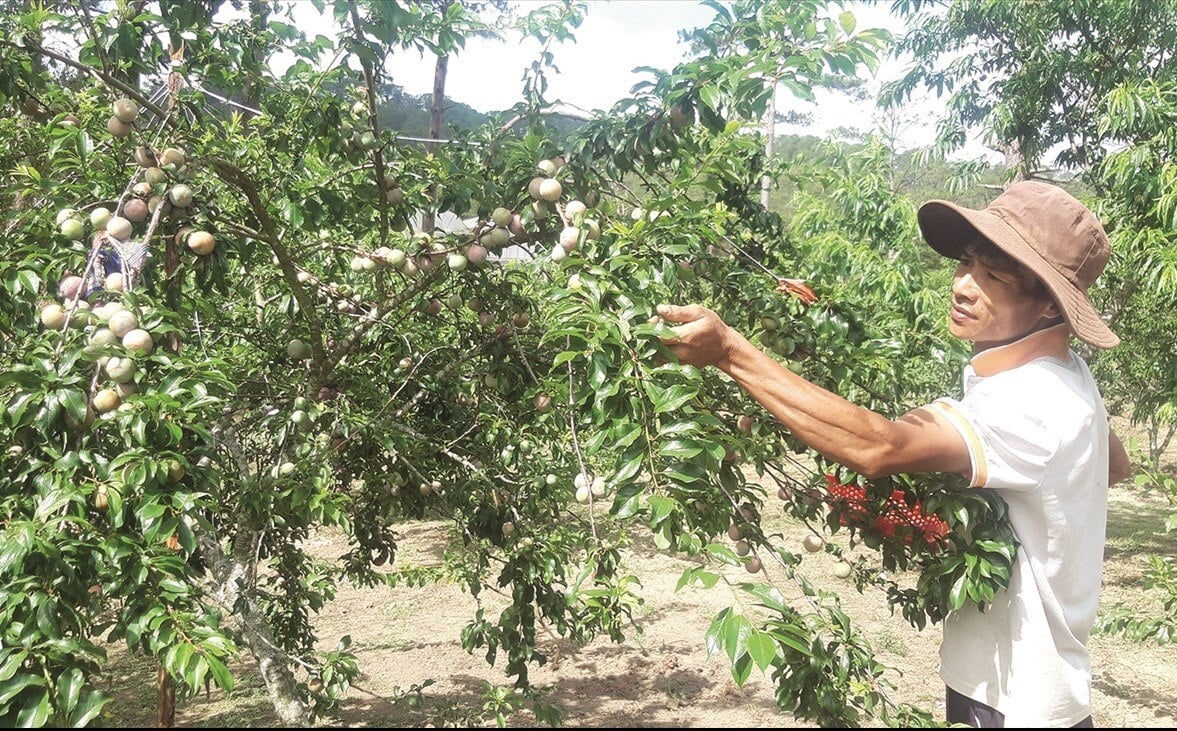
In 2016, Ms. Hoang Thi Oanh's family, from Dong Mang village, Da Chais commune, Lac Duong district, traveled all the way to Moc Chau district, Son La province, to purchase Tam Hoa plum seedlings for experimental planting on one sao (approximately 1000 square meters) of land. After three years of planting and caring for the trees, the Tam Hoa plum variety proved suitable for the climate and soil in Lac Duong, with yields and fruit quality comparable to that of Moc Chau. Since then, Ms. Oanh's family has expanded their Tam Hoa plum cultivation area to four sao.
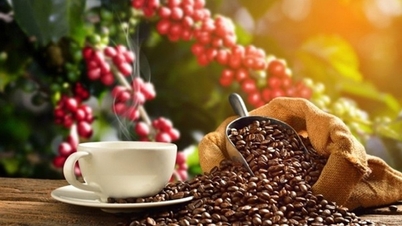
Ms. Oanh said: “Recognizing the economic benefits of the Tam Hoa plum tree, my family removed the low-yielding coffee plantation to develop plum trees. I found that Tam Hoa plums yield 5 to 6 times more economic benefits than growing coffee before. The market for Tam Hoa plums is very favorable; traders come directly to the orchard to buy them.”
Besides Mrs. Oanh's family, Mr. Cao Van Than's family in the same Dong Mang village invested in planting 2 hectares of Tam Hoa plums, with over 1,000 trees. This season, about 500 trees bore fruit, with an average yield of 30-40 kg per tree, selling for 50-60 thousand VND/kg, bringing Mr. Than's family a considerable income.
According to Mr. Cao Van Than: Before planting this plum variety, it is necessary to dig holes and apply base fertilizer about a month in advance, creating loose, well-drained soil with sufficient nutrients for the tree to grow. The Tam Hoa plum tree is quite drought-tolerant but still needs regular watering. During dry periods, increase the amount of water. At the same time, utilize well-rotted manure, NPK fertilizer, and Superphosphate fertilizer as base fertilizers for the trees periodically. Pay attention to the flowering and fruiting periods, and after harvesting, supplement the tree with additional nutrients. This plum variety is disease-resistant, so pesticides are rarely needed…”
Currently, the entire Da Chais commune has about 15 households growing Tam Hoa plums, with an area of over 7 hectares. The commune government is encouraging people to expand the area planted with plums because this type of tree is suitable for the farming skills of the people, creating favorable conditions for farmers in Da Chais commune to develop their economy. This is because the initial investment is quite low, including the cost of buying plum seedlings, fertilizers, etc., about 15-20 million VND/sao (1 sao = 360 square meters), which is suitable for the investment capacity of the people.
Mr. Kơ Să Ha Khrên, Vice Chairman of the People's Committee of Đạ Chais commune, added: “After several years of trial planting, it can be confirmed that the Tam Hoa plum tree is very suitable for the land of Đạ Chais, bringing quite high economic value. In the future, we will encourage ethnic minority people in the area to expand the area of Tam Hoa plum cultivation, especially intercropping in coffee gardens. Along with that, the government will coordinate with the Department of Agriculture to organize training courses and provide guidance on planting, caring for, and harvesting Tam Hoa plums, aiming to contribute to improving the economic lives of ethnic minority people.”
With the advantage of having National Highway 27C connecting Nha Trang City and Da Lat running through it, the Tam Hoa plums in Da Chais commune are not simply an agricultural product, but are also expected to become a key economic product and a favorite gift for tourists from near and far whenever they visit the Bidoup - Nui Ba mountain range.
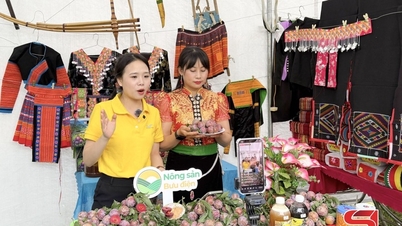
Tam Hoa plums are in season and fetch high prices.




![[Photo] General Secretary and President To Lam meets with National Assembly delegates from ethnic minorities.](https://vphoto.vietnam.vn/thumb/1200x675/vietnam/resource/IMAGE/2026/04/20/1776696701056_a1-bnd-8331-3342-jpg.webp)
![[Image] National Assembly discusses the implementation of the socio-economic development plan.](https://vphoto.vietnam.vn/thumb/1200x675/vietnam/resource/IMAGE/2026/04/20/1776696707422_ndo_br_img-20260420-185419-jpg.webp)






























































Comment (0)