|
Photo: The glossary magazine . |
One hundred years after Marilyn Monroe's birth, her name and image still appear in many places. Items belonging to her, auctioned last week at Julien's Auctions in Beverly Hills, California, still fetched a significant amount of money.
Marilyn Monroe's love of books
This year's centenary celebrations of Marilyn Monroe's birth are taking place against a backdrop of public desire to understand more aspects of her, rather than just viewing her as a sex symbol.
Among the many publications celebrating Marilyn Monroe, the book Marilyn and Her Books stands out for its unique approach. Author Gail Crowther delved into the actress's personal library to understand what shaped Monroe's rebellious personality in the 20th century.
Monroe left behind over 400 books, all of which were auctioned at Christie's in 1999. Some of these books accompanied her throughout her life of wandering. Monroe lived in at least 50 different places during her 36 years of life.
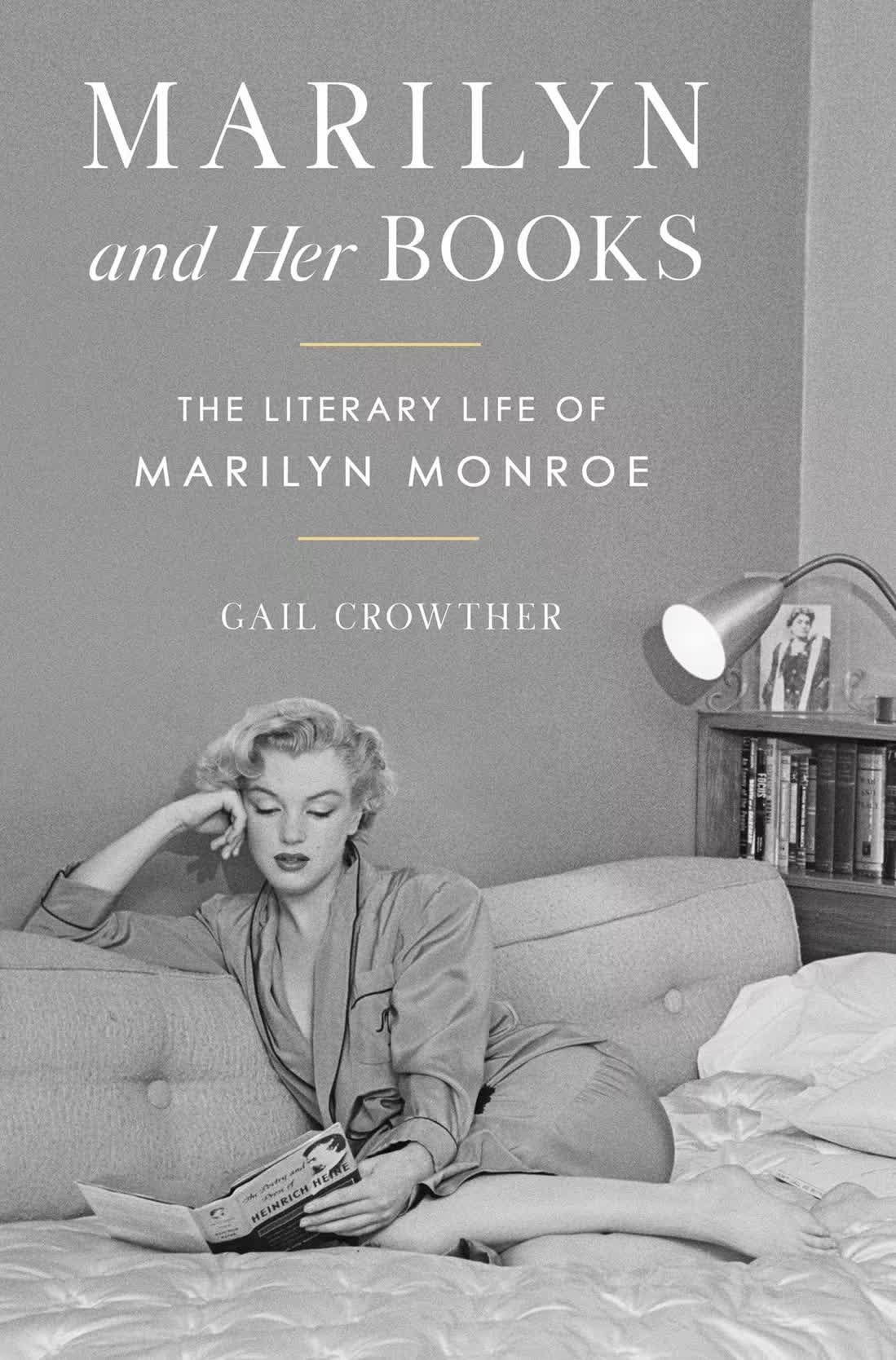 |
Photo: Wall Street Journal. |
During her childhood in Los Angeles, marked by poverty and sexual abuse, she lived in more than 10 foster homes and spent time in an orphanage.
In 1942, she dropped out of high school to marry at age 16. Divorced four years later and began her career in Hollywood, she regretted her lack of a formal education .
In 1951, after appearing in nearly a dozen films, Monroe took a literature course at the University of California, Los Angeles.
Photographers began to notice that her bookshelves were increasingly filled with classics, and that Monroe could discuss them fluently. One of the photographers remarked, "I realized this was a girl who was not content with what nature or her upbringing had given her and was always striving to improve herself."


This is actually a very accurate observation about her. The press and the public often doubted and ridiculed Monroe when they saw her reading. Monroe responded by posing on a satin bedspread, with literary works such as the poems of Heine and Whitman, the plays of Ibsen, or Tolstoy's War and Peace (1869).
The most talked-about photograph is a 1955 portrait of her engrossed in reading James Joyce's * Ulysses * (1922), a novel banned in the United States for its perceived obscenity. Monroe owned a first edition and kept it in her car, sometimes reading it aloud to herself.
Monroe's library was also filled with books on gardening, pets, cooking, self-improvement, politics , religion, and acting theory. Author Crowther notes, "you can find many books with similar content on different shelves, in different rooms" in the places Monroe lived.
Many of her books are still filled with her pencil notes. Even in her short life, these fragments of books show that she was "like a kaleidoscope of memories, ever-changing and capable of revealing many things."
Author Crowther also asserts that Monroe was more courageous and profound than newspaper headlines often portray her. Her fame brought her connections with major figures in literature such as Carson McCullers, Carl Sandburg, Jean-Paul Sartre, Edith Sitwell, and Dylan Thomas. They all held her in high regard and affection.
Before her death from an overdose of sedatives in August 1962, she was full of future plans, including a series of film adaptations of Shakespeare's works in which she hoped to serve as both producer and lead actress.
Marilyn Monroe's insightful social perspective
Two other books also help shed light on Monroe's personality and career. Andrew Wilson's *I Wanna Be Loved by You* , with its captivating cover featuring the actress, offers pieces of her story through concise information.
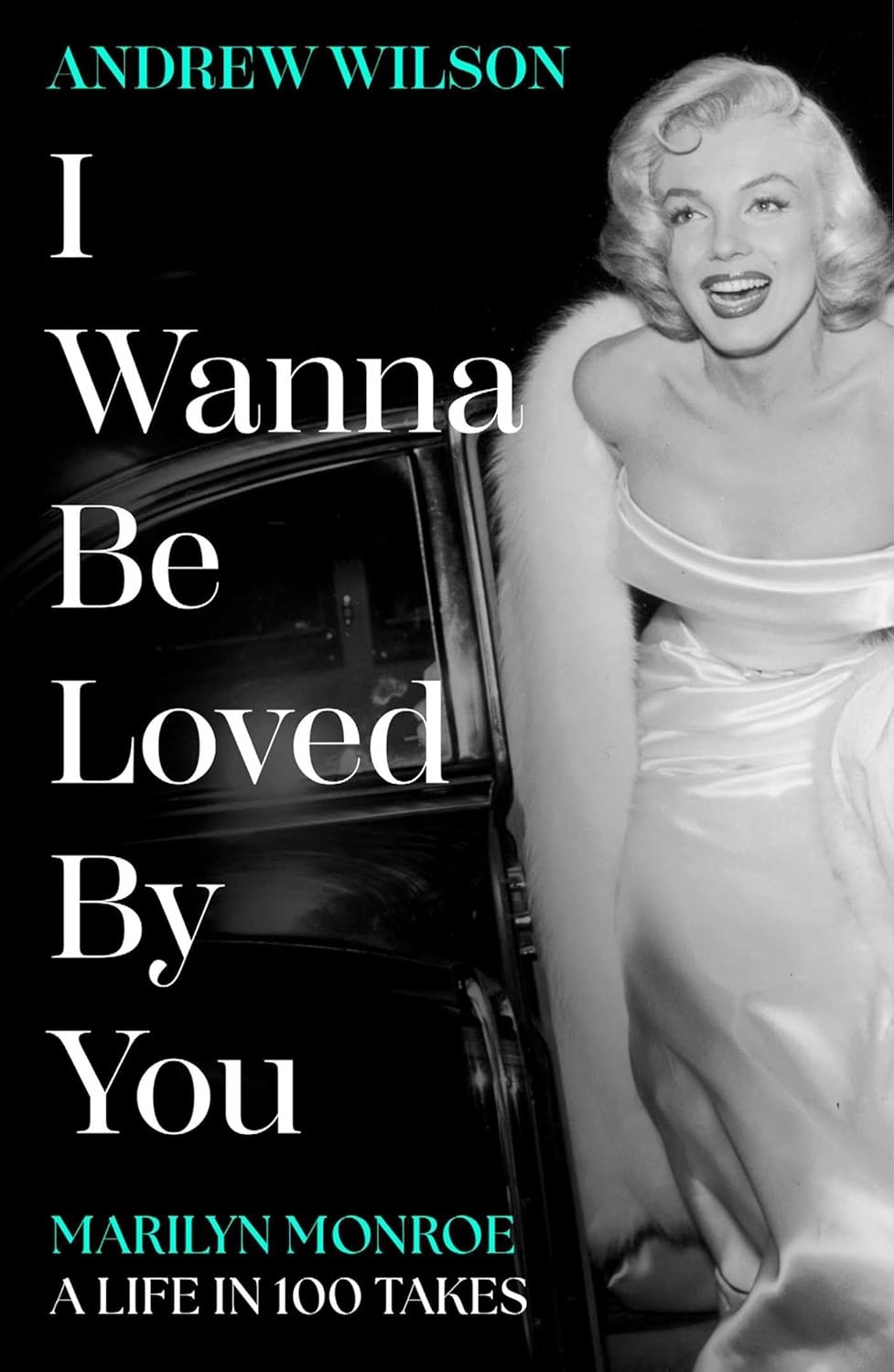 |
Photo: Amazon. |
Wilson was a journalist who wrote biographies of Patricia Highsmith, Alexander McQueen, and Sylvia Plath. His multifaceted approach offered both breadth and depth to Monroe's identity.
This was also very effective in debunking conspiracy theories, including speculation that she had been secretly murdered at the behest of Robert F. Kennedy.
The author also mentions a "particularly moving" interview Monroe gave to Richard Meryman for Life magazine, published around the time of her death.
That interview has now been included in another book, alongside Allan Grant's extensive collection of photographs in Marilyn: The Lost Photographs, The Last Interview. It's a luxurious publication, suitable for a coffee table. The book's format both showcases Monroe's beauty and conveys a message about her personality.



Humorous, insightful, courageous, vulnerable, and sharp-witted, she shattered the stereotypes about women and actors of her time. She criticized questioning the importance of warm-up exercises before scenes and stated that actors were not machines.
She emphasized that humans have emotions and need to protect them. "We have delicate emotions and we must preserve them at all costs; otherwise, we will have nothing left. Not on this planet or any other planet," Monroe said.
Source: https://znews.vn/marilyn-monroe-la-mot-doc-gia-say-me-post1657616.html
































![[Photo] Thousands of people participate in a run to show their support for the campaign "Sharing a common determination to build drug-free communes, wards, and special zones".](https://vphoto.vietnam.vn/thumb/1200x675/vietnam/resource/IMAGE/2026/06/27/1782554475933_0673e2a3df7b5e25076a-8283-jpg.webp)