

 |
The Washington Post reports that Michael Mathews, a victim of iPhone theft, has filed a lawsuit against Apple in the Northern District of California. He is seeking access to all 2 TB of data, which he claims represents his entire "digital life," including family data. He is also seeking at least $5 million in damages.
According to the lawsuit, Mathews lost his iPhone in Scottsdale, Arizona. Just weeks earlier, another victim, Robin Davis, had experienced a similar incident in New York.
Davis was drugged by someone posing as a nightclub employee, who stole her iPhone's unlock code and snatched the device from her hand as she was about to get into an Uber. The financial loss from the thief using her credit card was only part of the problem.
What hurt Davis even more was her inability to recover important files such as contacts, wedding photos, work data, and other personal information. Besides the thief's actions, she was also outraged that Apple refused to help her restore access to her own account.
Victim accuses Apple of aiding and abetting criminals.
As a corporation with a market capitalization of nearly $3 trillion , Apple is always committed to protecting user privacy and data as an inviolable principle, even when pressured by law enforcement agencies.
However, some victims find that the security tools designed to protect them are exploited by malicious actors and become a barrier, causing them to lose access to their personal data. When an iPhone is stolen, technically savvy criminals can quickly lock the owner out of their Apple account. Therefore, recovering valuable files and images becomes very difficult.
In an ongoing lawsuit in California, Michael Mathews claims he lost access to images, music , tax returns, and work-related research documents. He alleges his company had to shut down completely as a result of the incident.
The lawsuit states: “Despite Mathews being able to provide sufficient and irrefutable evidence that the accounts and data within those Apple accounts belonged to him, Apple refused to reset the recovery key or allow Mathews access to those accounts and data. In doing so, Apple facilitated the criminal's continued illegal activities.”
The corporation declined to comment on the lawsuit. In a response to the Washington Post , the company stated: “We sympathize with those who have experienced this, and we take any attacks targeting our users very seriously, no matter how rare they may be.”
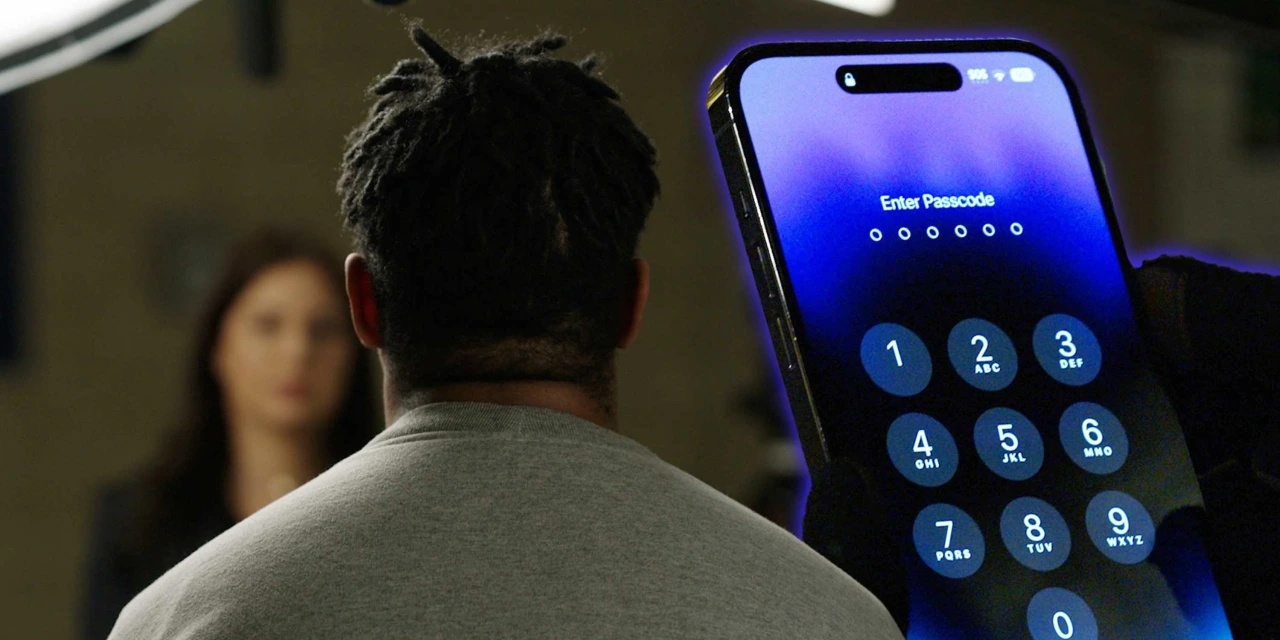 |
Victims of iPhone theft are questioning what basis Apple has for retaining user data and refusing to return it. Photo: WSJ. |
However, Mathews' lawyer, K. Jon Breyer, questioned: "Apple doesn't own that data, so why do they have the right to retain it without returning it to the users? That's something they've never answered." The lawsuit is currently in the evidence-gathering phase, expected to last at least 6-8 months before a formal trial.
Security features become a barrier when users lose their phones.
According to the Washington Post , iPhones have long been a lucrative target for thieves. Once thieves learn the device's unlock code, as in Davis's case, they can access Apple accounts, change passwords, and even create new recovery keys. These are 28-character codes designed to help users recover their accounts if compromised.
The problem is that if a new recovery key is created (whether by the user or a thief), Apple will disable the entire normal account recovery process. On its support page, the company clearly states: "If you lose access to your account and do not have a recovery key, you will be permanently locked out."
Once locked, all data on iCloud, such as photos, notes, and audio recordings, remains encrypted in the cloud. In some cases, the company holds the decryption key. However, if the user has enabled "Advanced Data Protection," the company cannot access this data at all. But as in Mathews' case, this feature was not activated, meaning Apple could access it.
"Apple never told us that they couldn't recover the data," lawyer Breyer emphasized.
Apple's account recovery process has also faced criticism. According to the company, users should turn off all devices linked to their account during this process. If the account is still in use, even by a thief, the recovery request will be automatically canceled.
Apple stated that it “works tirelessly every day to protect user accounts and data, and adds new protective features such as Stolen Device Protection, which helps protect accounts and personal information in the event of an iPhone being stolen.”
The account theft protection feature was integrated into iOS in January 2024. It requires authentication via Face ID or Touch ID when accessing passwords and credit cards, and also delays Apple ID password changes. However, this feature is not enabled by default and is not widely discussed during iPhone setup. Therefore, many people are unaware of its existence.
Outrage over Apple's indifference
According to security experts, account recovery is entirely possible. Lorrie Cranor, Director of the CyLab Institute for Security and Privacy at Carnegie Mellon University, stated: “Users have to provide a lot of information to register an Apple account, so they could very well be asked to submit a police report proving the phone was stolen. I find it strange that Apple hasn’t clearly explained why they’re refusing.”
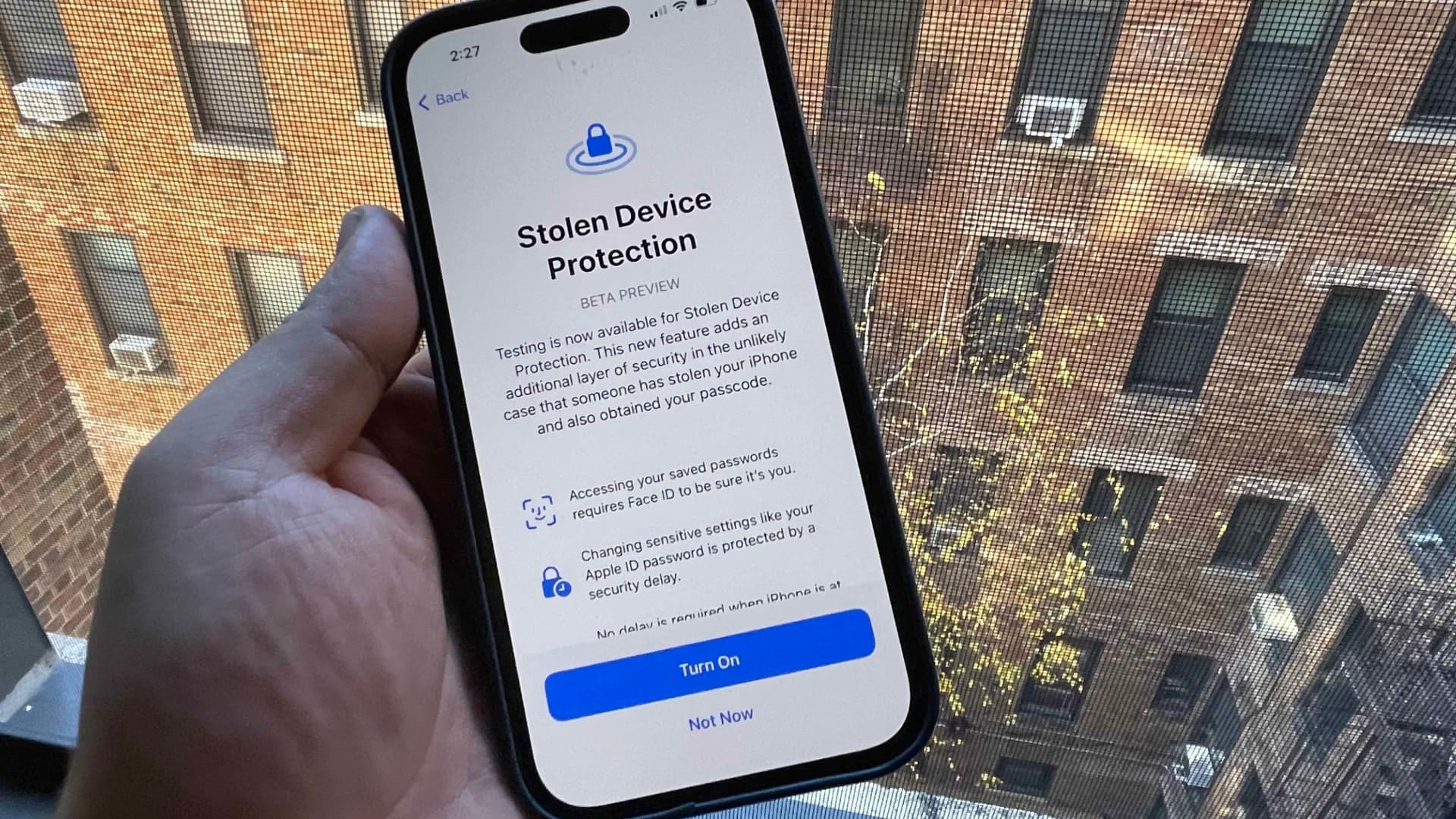 |
The anti-theft feature on iPhones has become a double-edged sword. Photo: CNBC. |
Mathews' lawsuit is becoming a source of support for many other victims. Lawyer Breyer said his firm has taken on 10 new clients with similar cases.
Some people had never heard of the lawsuit. But upon learning about it, they immediately hoped Apple would be forced to change its policies. Eli Munk, 30, from New York, said his iPhone was stolen while he was celebrating a friend's birthday. While some fraudulent transactions were refunded, hundreds of dollars in his sports betting account were lost permanently.
What saddened him even more was that years of his high school photos were gone forever because of the restoration process. He has now switched to using a Google Pixel phone.
"It seems like Apple doesn't care at all. That's the most painful thing," Munk said.
Source: https://znews.vn/mat-cap-iphone-nhieu-nan-nhan-kien-nguoc-apple-post1547691.html
![[Photo] General Secretary and President To Lam meets with National Assembly delegates from ethnic minorities.](https://vphoto.vietnam.vn/thumb/1200x675/vietnam/resource/IMAGE/2026/04/20/1776696701056_a1-bnd-8331-3342-jpg.webp)




![[Image] National Assembly discusses the implementation of the socio-economic development plan.](https://vphoto.vietnam.vn/thumb/1200x675/vietnam/resource/IMAGE/2026/04/20/1776696707422_ndo_br_img-20260420-185419-jpg.webp)






























































































Comment (0)