

The mark of a major policy initiative.
Recently, the Government submitted to the National Assembly a draft Resolution on tuition fee exemption and support for preschool children, primary and secondary school students, and learners in general education programs at educational institutions within the national education system.
Minister of Education and Training Nguyen Kim Son stated that, based on the conclusions and directives of competent authorities, the Government is submitting a proposal to the National Assembly to exempt tuition fees for preschool children, primary and secondary school students, and learners in general education programs at public educational institutions.
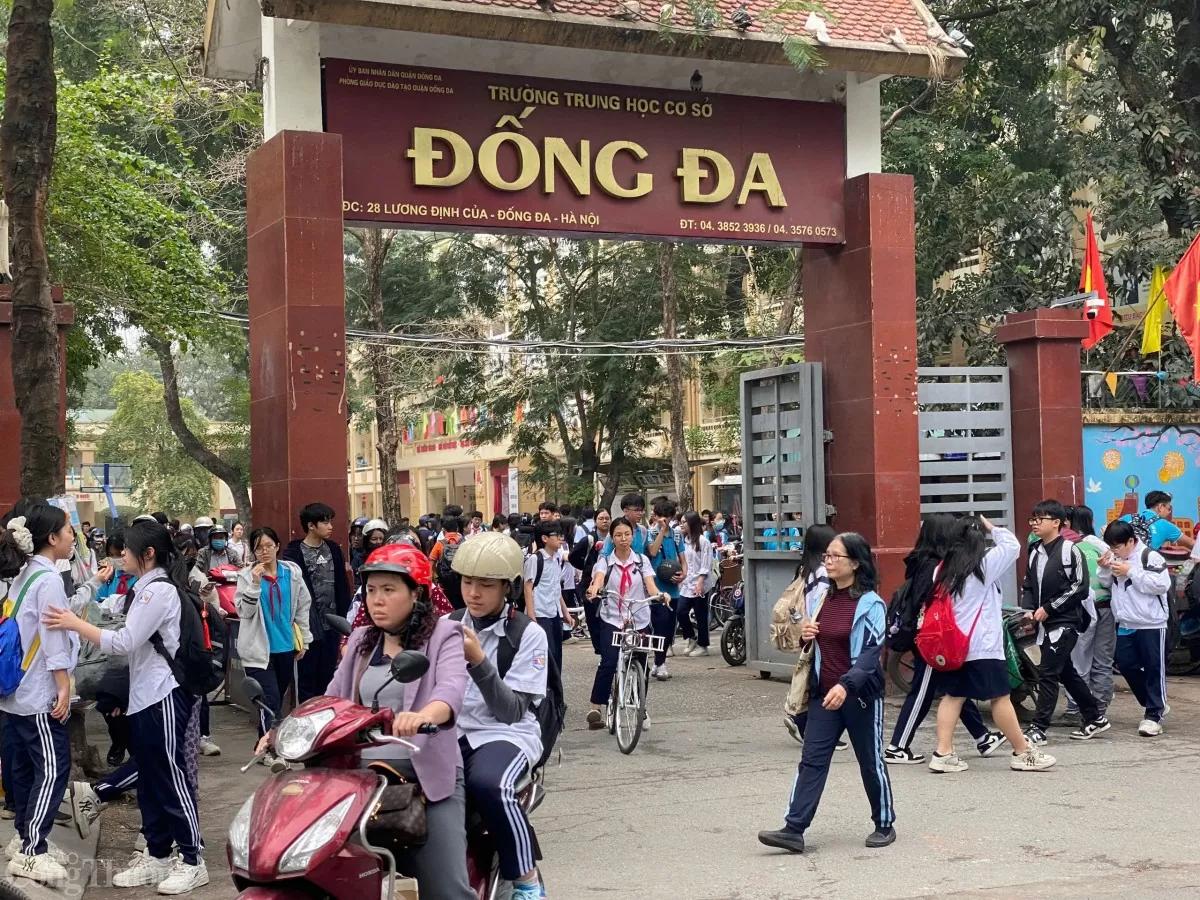 |
| Waiving tuition fees helps reduce the financial burden and ensures educational equity in the context of an aging population and rising living costs. Photo: Le An |
Simultaneously, tuition fee support will be provided for preschool children, primary and secondary school students, and learners in general education programs at private and non-governmental educational institutions. The amount of tuition fee support will be decided by the Provincial People's Council. The government proposes that this policy be implemented from the 2025-2026 school year.
Regarding tuition fee support for students at private and non-public educational institutions, Minister Nguyen Kim Son explained that 5-year-old preschool children at private and non-public institutions, primary school students at private schools in areas lacking sufficient public schools, and junior high school students at private institutions are currently receiving tuition fee support from the state budget.
Therefore, providing support for students at private and non-public educational institutions fully demonstrates the advantages of the system, ensures consistent policy implementation, and promotes equitable access to education; it also encourages the development of non-public education and strengthens the socialization of education. This regulation is also consistent with the 2013 Constitution, the Education Law, and the conclusions and directives of the Politburo.
The driving force behind shaping the future.
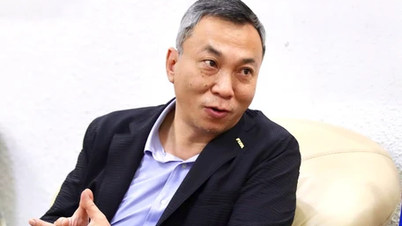
Speaking to a reporter from the Industry and Trade Newspaper about the issue of tuition fee exemption, Dr. Tran Duy, Head of the Journalism Department, Multimedia Faculty (Posts and Telecommunications Institute of Technology), said: Tuition fee exemption is not just an educational policy; it is a strong declaration of a society ready to create a foundation for equitable development for all its members. When the policy of tuition fee exemption was introduced, we expected it to be a step forward in development thinking, a firm commitment to protecting the right to comprehensive access to education.
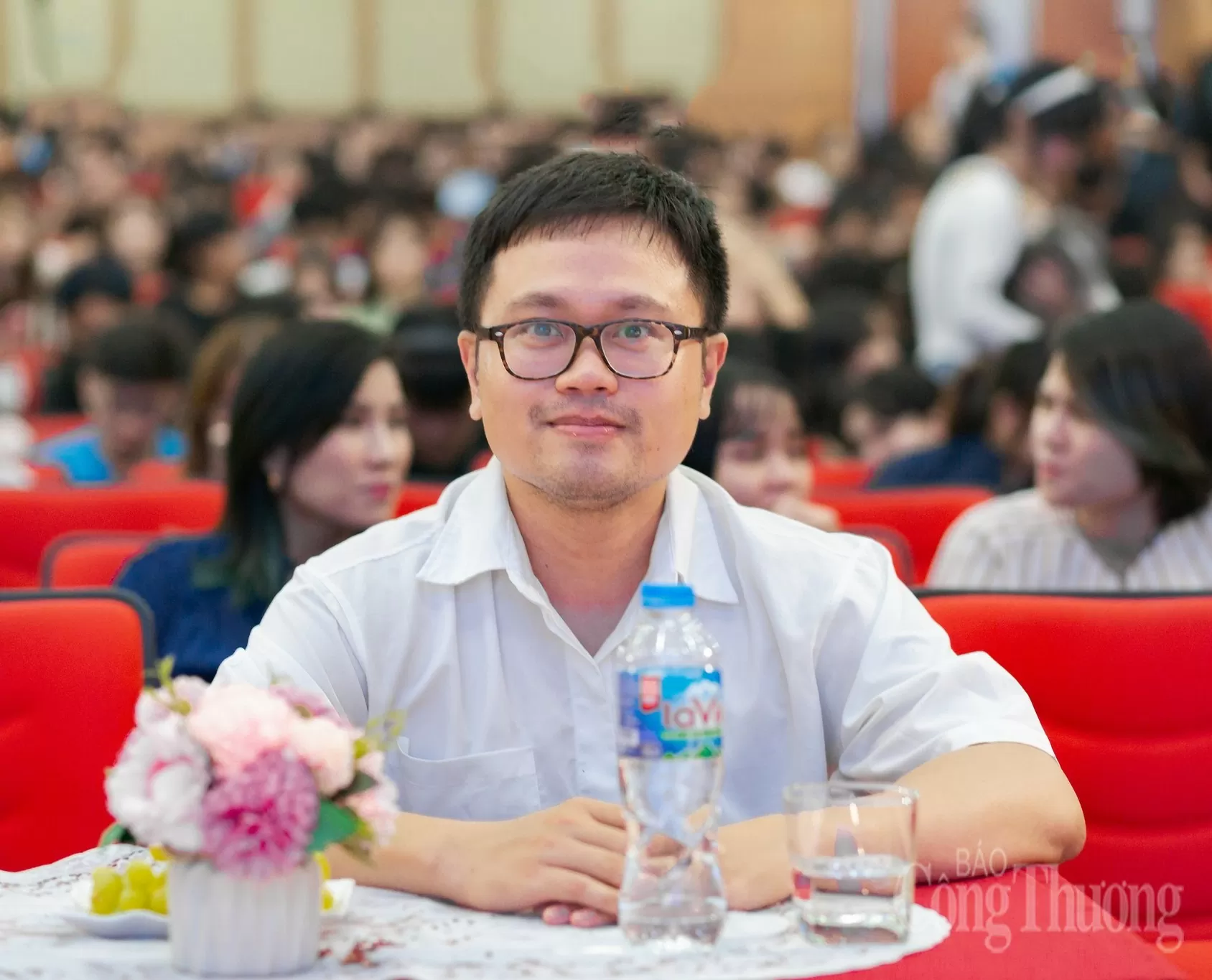 |
| Dr. Tran Duy, Head of the Journalism Department, Multimedia Faculty (Posts and Telecommunications Institute of Technology). Photo: Provided by the interviewee. |
“ I believe that behind the financial and budgetary calculations, there are millions of dreams that continue to be pursued, millions of doors that remain open despite economic reasons. Waiving tuition fees is a humane way to support children in remote areas, the children of workers and farmers. These are vulnerable groups in the education system if they lack timely support policies ,” shared Dr. Tran Duy.
Dr. Tran Duy stated that he has witnessed many talented students having to leave school due to their families' extreme financial difficulties. The tuition-free policy will act as a shield to prevent such situations from recurring. It is a long-term investment that yields dual benefits: human development and social stability. A nation that invests in education is choosing the most sustainable path forward.
“ Free tuition does not mean exemption from responsibility. The state covers the costs, but parents, the community, and schools need to work together to create a quality, innovative, and disciplined educational environment. We need not only schools and classrooms, but also education that touches the heart ,” Dr. Tran Duy expressed.
However, according to Dr. Tran Duy, the tuition fee waiver policy will not be fully effective without a synchronized support ecosystem that includes increased investment in infrastructure, improved teacher salaries, curriculum development, and promotion of equal access to digital knowledge. Tuition fee waivers must go hand in hand with improving the quality of education.
“ The decision to waive tuition fees will spread widely throughout society, not only gaining the support of millions of hearts, but also serving as a driving force for us to work together to create a future where no one has to choose between food and education ,” Dr. Tran Duy observed.
Previously, on May 22nd, during the 9th session, the National Assembly discussed in committee the draft Resolution of the National Assembly on tuition fee exemption and support for preschool children, primary and secondary school students, and learners in general education programs at educational institutions within the national education system. At this meeting, delegates stated that the tuition fee exemption policy represents a significant step forward in educational equity, creating equal learning opportunities for all children nationwide.
At the same time, delegates noted that tuition fee support policies are only one part of the overall education development policy. To create sustainable change, it is necessary to synchronize mechanisms to encourage social participation. Currently, preferential policies for non-public education are limited and lack appeal, leaving many localities lacking both public and non-public schools.
According to statistics for the 2023-2024 school year, there are currently 23.2 million students nationwide. The total funding required, calculated based on the average minimum tuition fees for the three regions (urban, rural, and mountainous) as stipulated in Decree No. 81/2021/ND-CP and Decree No. 97/2023/ND-CP, is approximately 30.6 trillion VND. The specific budget allocation will depend on the tuition fees of each province and centrally-governed city, as decided by the Provincial People's Council. Of that amount, the total state budget that has been and will be used to waive, not collect, or support tuition fees from September 1, 2025, according to current regulations, is 22.4 trillion VND. The amount of additional state budget expected to be needed when the National Assembly Resolution is issued is 8.2 trillion VND. |
Source: https://congthuong.vn/mien-hoc-phi-mot-quyet-dinh-trieu-trai-tim-dong-tinh-389194.html







































![[Photo] Closing Ceremony of the 15th Conference of the Central Committee of the 13th Party Congress](https://vphoto.vietnam.vn/thumb/402x226/vietnam/resource/IMAGE/2025/12/23/1766462841764_a1-bnd-3731-1647-jpg.webp)



















Comment (0)