

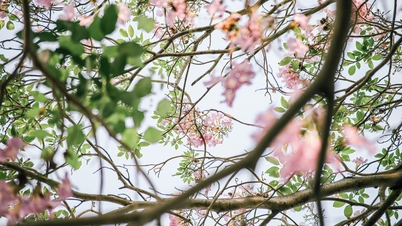
For a long time, the palm tree has been closely associated with the lives of the people of the ancestral land, from its branches and leaves used to make blinds, brooms, and roofs... Then, when winter comes and the clusters of fruit ripen to a deep color and become glossy, braised palm fruit becomes a unique and unforgettable local delicacy that cannot be found anywhere else.
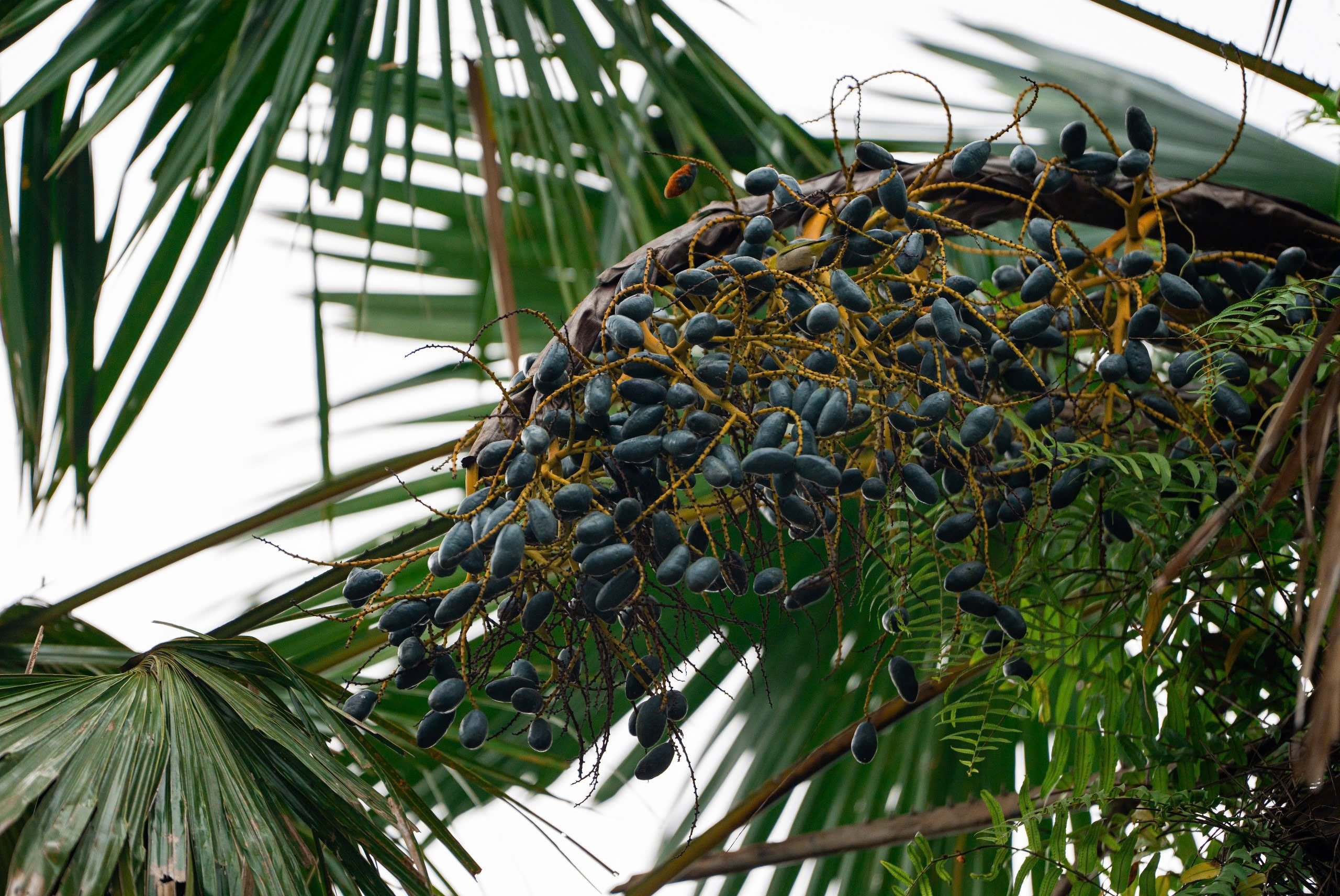
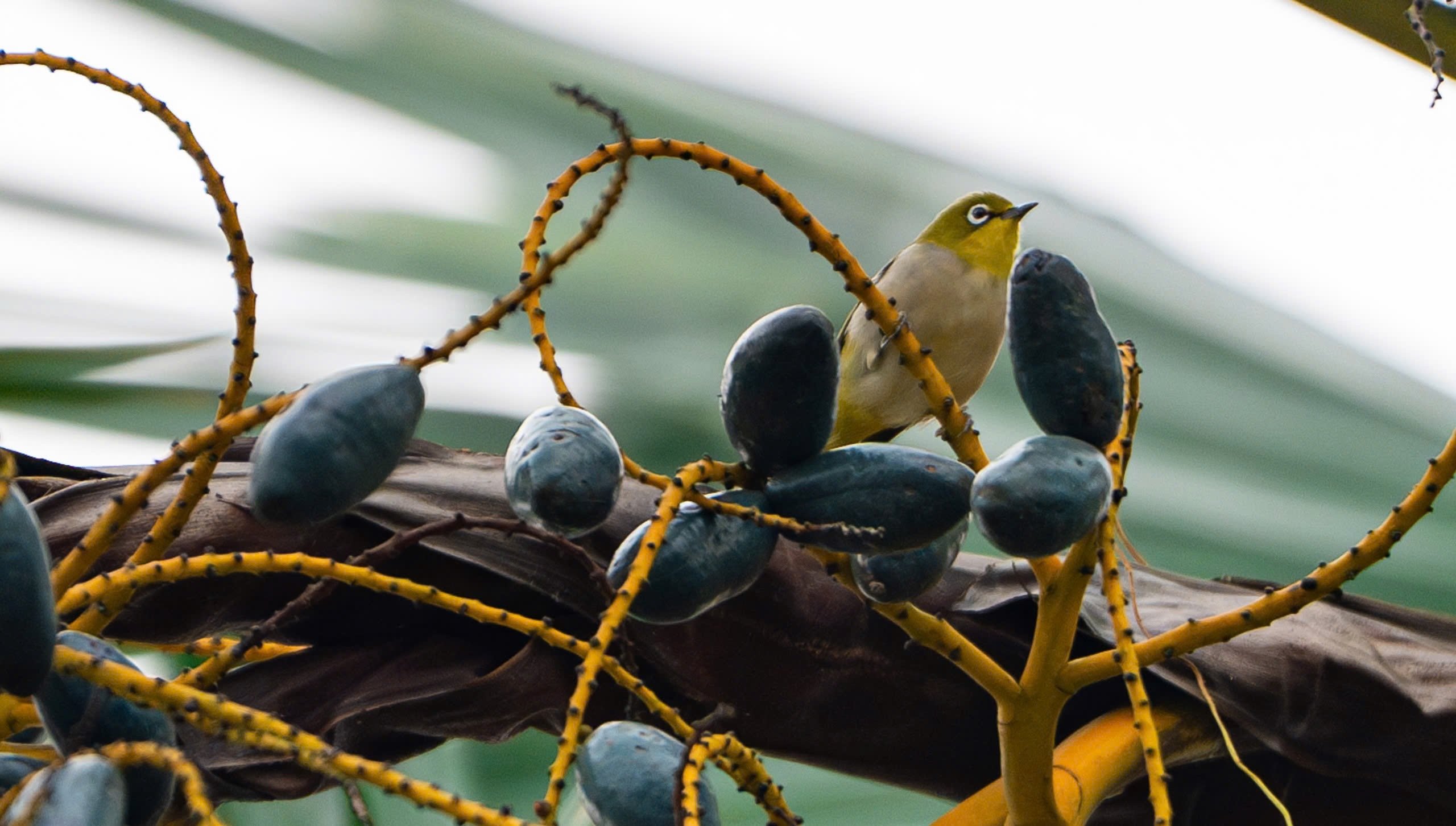
When the fruit clusters are ripe, dark in color, and glossy, they can be harvested to make braised palm fruit.
The best palm fruit for making a delicious stew is made with fully ripe, glossy fruits. After harvesting, the palms are placed in a large basket and rubbed vigorously and continuously by hand to clean the outer layer. Raw palm fruit has an astringent taste, but when processed, dishes made from palm fruit acquire a sweet, rich, and creamy flavor. The best palm fruits are those harvested from trees that have never had their leaves cut. Palm fruits from trees that have had their leaves cut are usually stunted, have large seeds, are astringent, and lack the characteristic flavor of palm fruit.
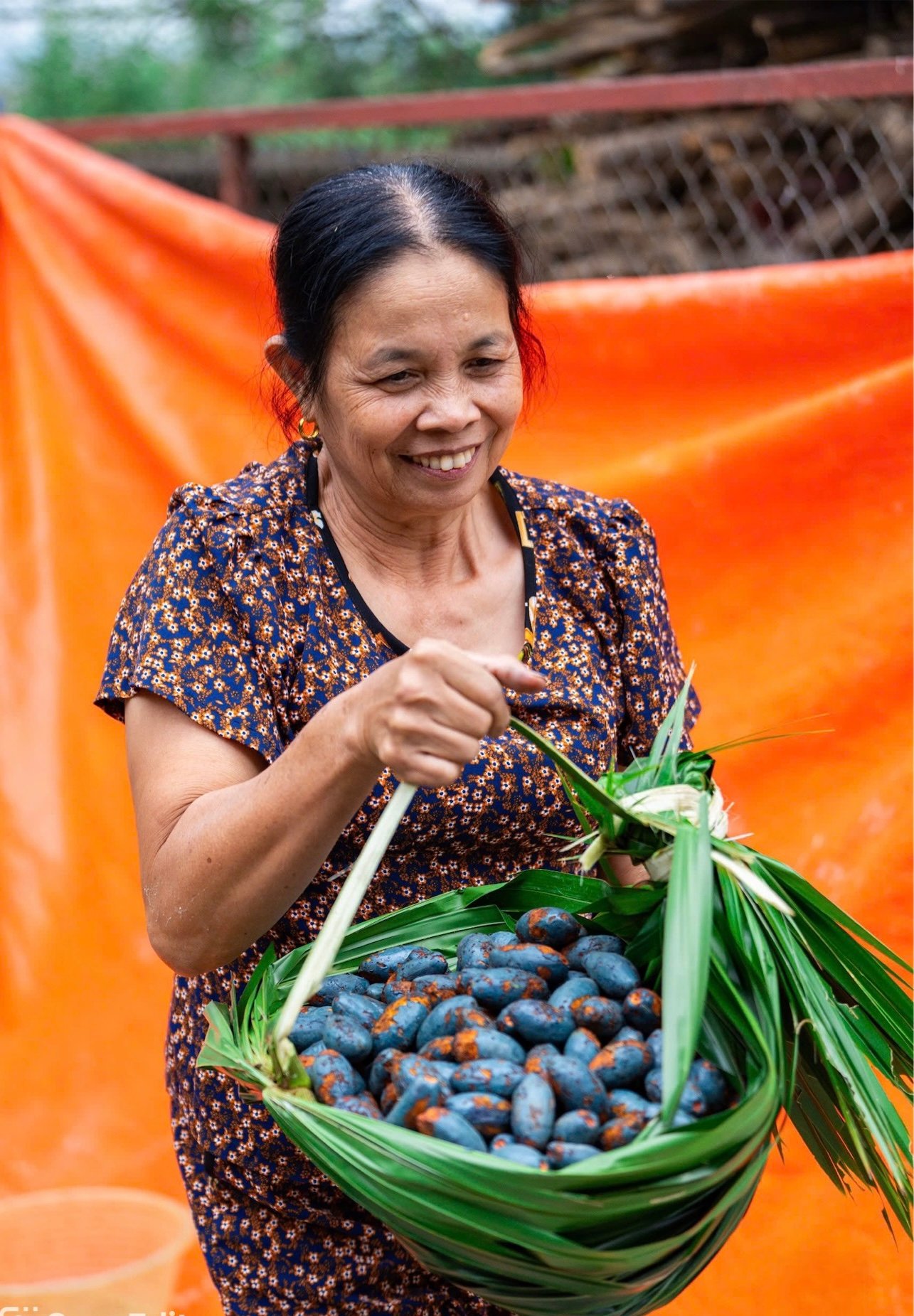
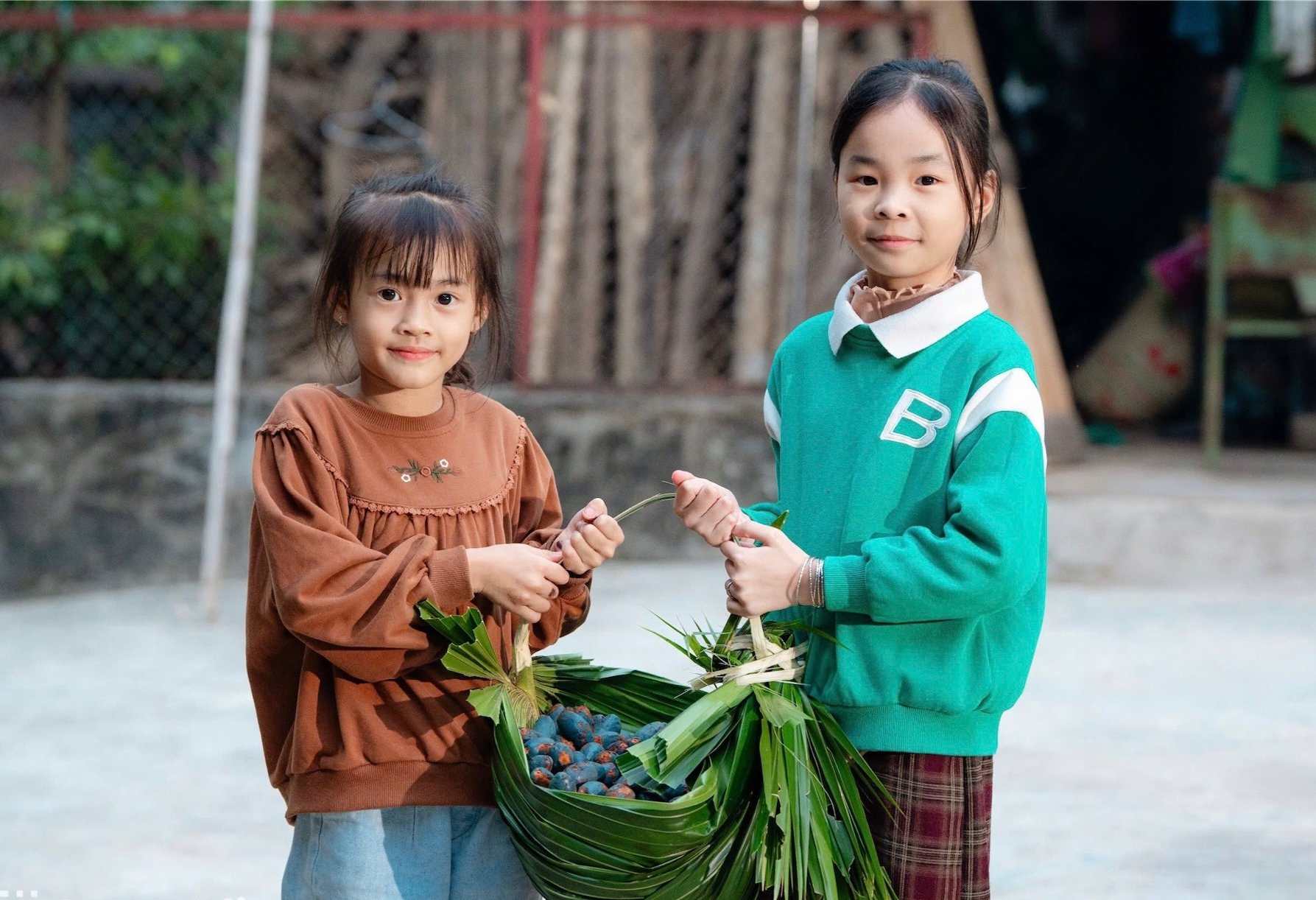
The best palm fruit for making delicious stew is made with fully ripe, glossy palm fruits.
The method of blanching palm fruit requires skill; the water shouldn't be too hot or too cold. If the water is too cold, the palm fruit won't cook properly, while if it's too hot, the fruit will become hard and lose its characteristic rich, creamy flavor. Therefore, the person blanching the palm fruit needs to know the right water temperature and blanching time so that the fruit tastes just right when taken out. Usually, blanching the palm fruit for only 10 minutes is enough to cook it and preserve its rich, creamy flavor.
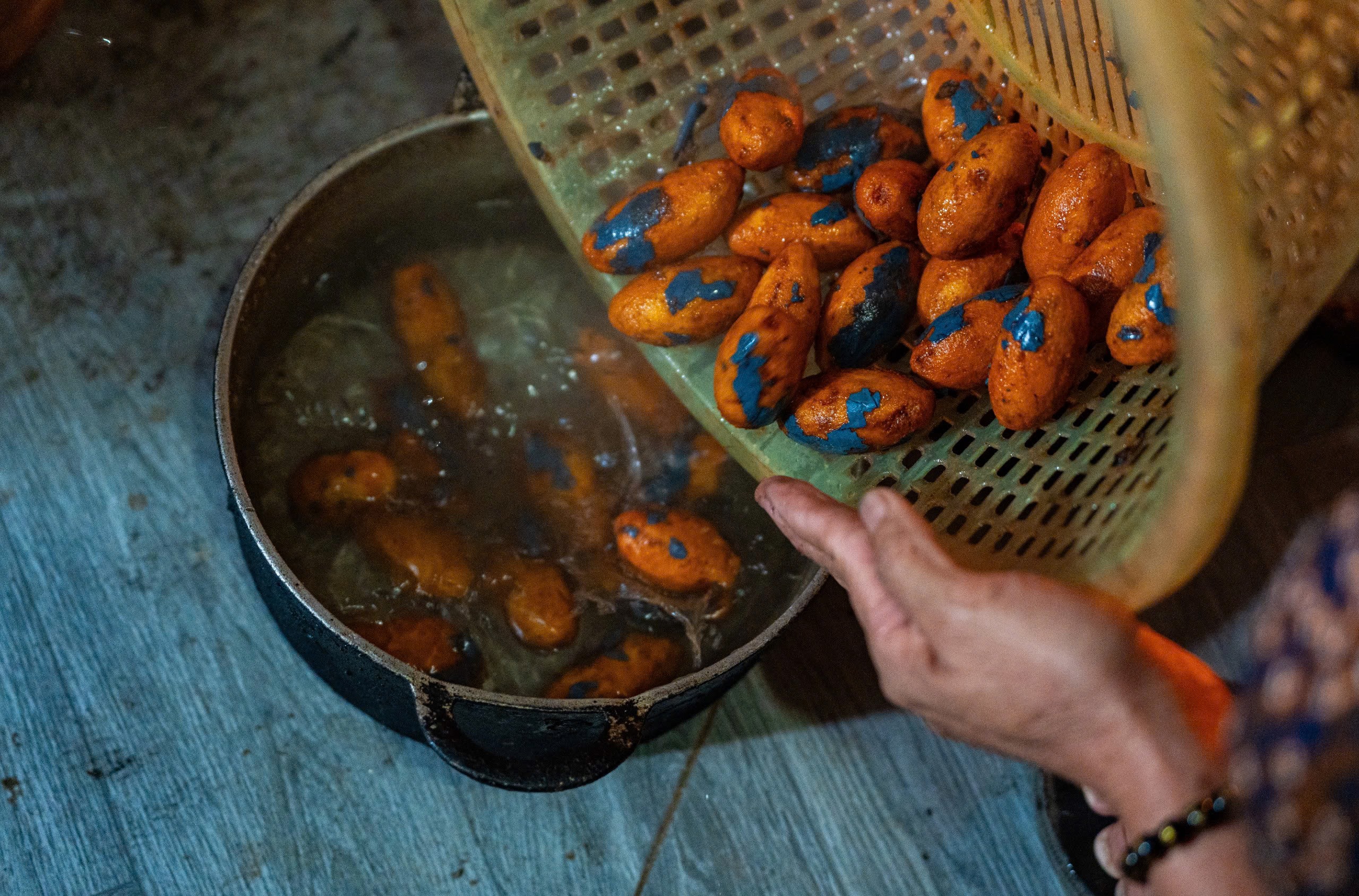
The water used to boil the palm fruit should not be too hot or too cold; only then will the palm fruit be delicious and not tough.
A good palm fruit is soft when cooked, with a honey-yellow interior, chewy and nutty texture, and free from worms and bitterness. Conversely, a green, bitter, and worm-infested palm fruit is inedible.
It is known that palm trees usually flower and bear fruit from around the middle of July in the lunar calendar. By the end of October or the beginning of November (lunar calendar), the palm fruits begin to ripen, their skin color changing from light blue to dark green.
Boiled palm fruit is served with fish sauce, and you can add sugar, sesame salt, peanut salt, or chili sauce according to your preference.
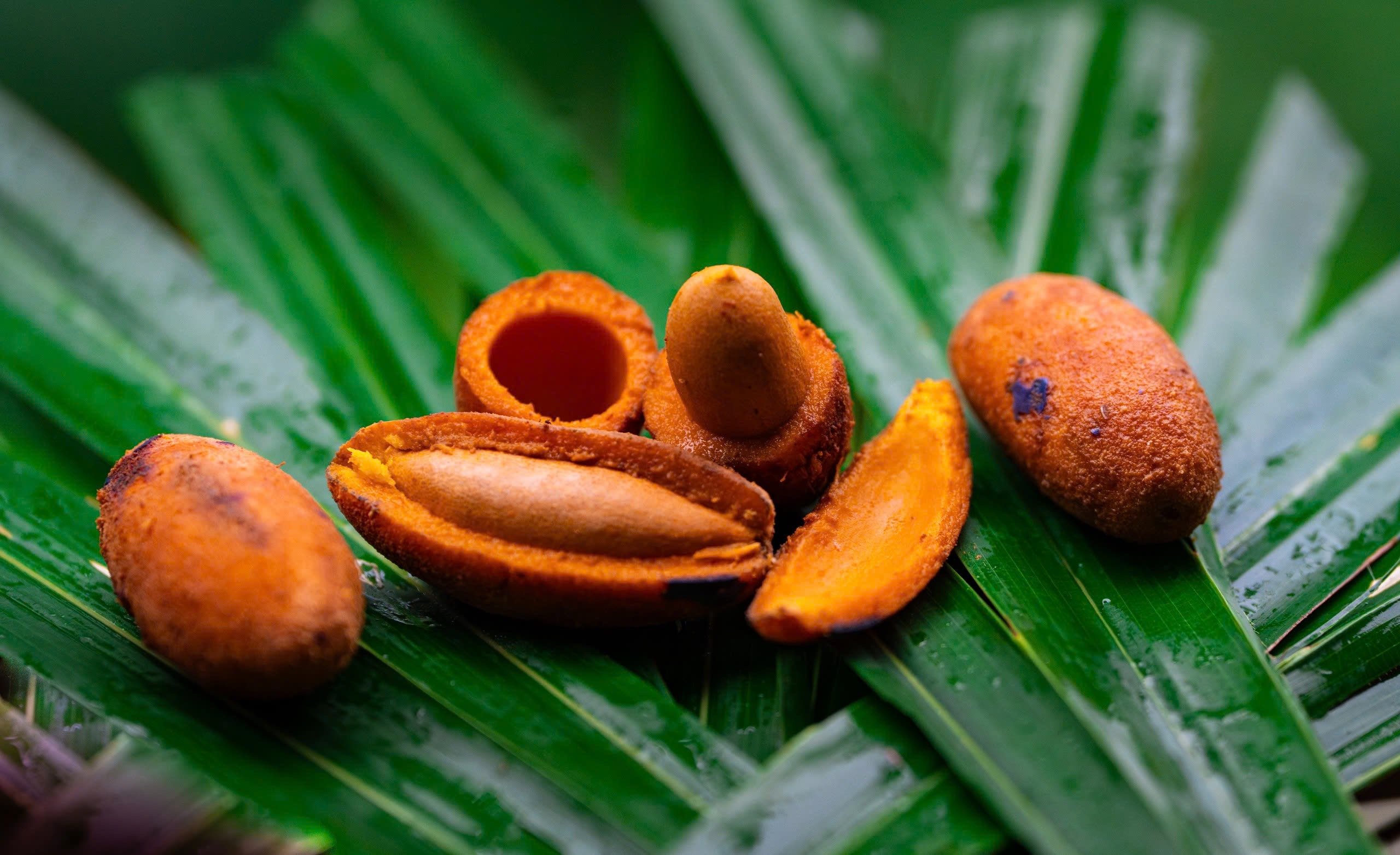
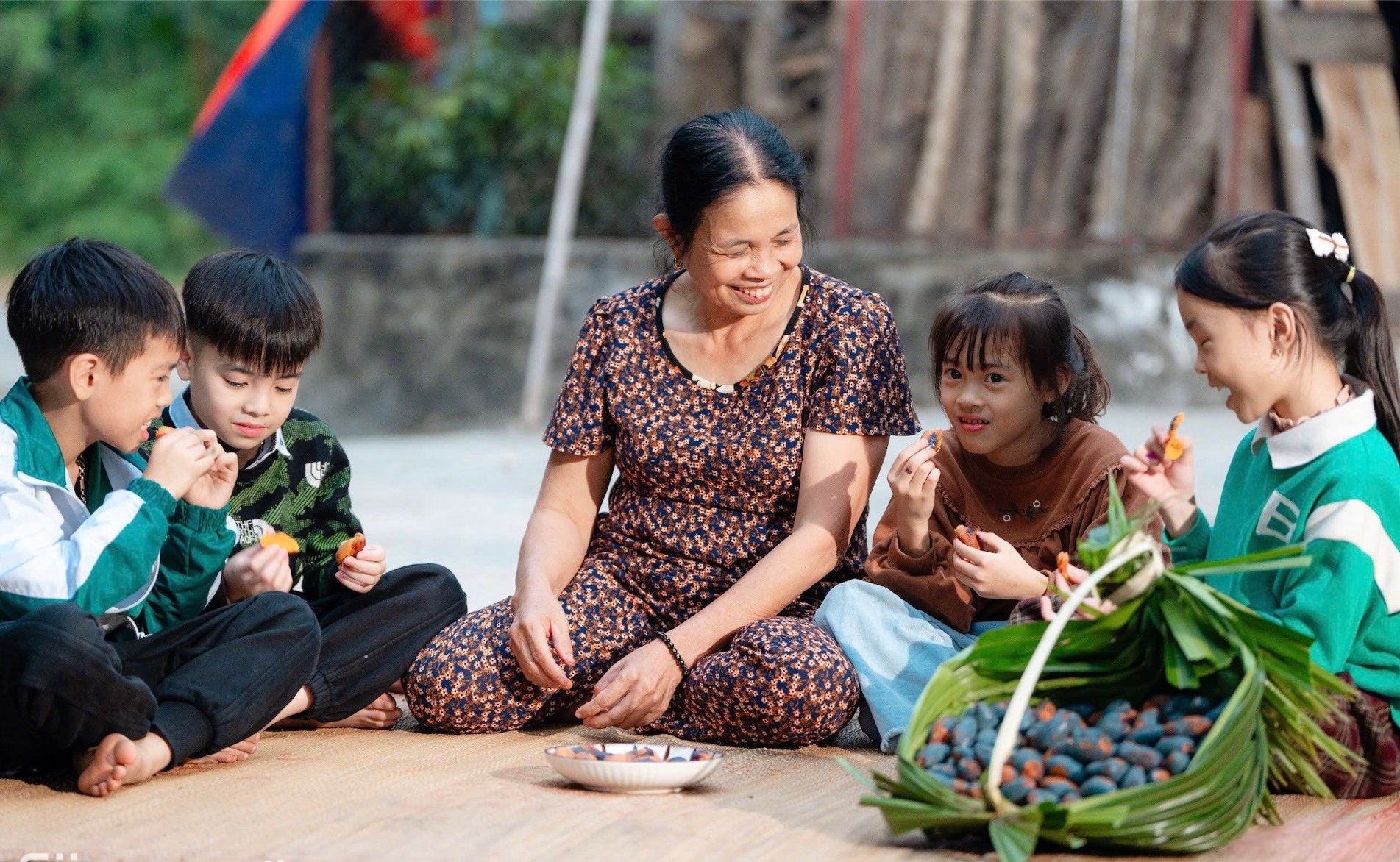
Braised palm fruit is a unique dish from the countryside of Phu Tho province.
Besides boiled palm fruit, locals also prepare palm fruit sticky rice and pickled palm fruit, which are equally appealing. For palm fruit sticky rice, after boiling the palm fruit until cooked, gently separate the golden-yellow flesh with your fingers. Mix this flesh with fragrant glutinous rice, add a little salt, and then steam over low heat until cooked. When the pulp and essential oils of the palm fruit have infused into the glutinous rice and turned a reddish-brown color, and the aroma of the glutinous rice and the rich scent of the palm fruit fill the house, the palm fruit sticky rice is ready. When the sticky rice is cooked, add some fried shallots and lard to make it even more delicious.
For pickled palm fruit, after boiling until cooked, the palm fruit is drained in a basket. Once drained, the seeds are removed, and only the flesh of the palm fruit is retained. The final step is to put this flesh into an earthenware pot or jar, sprinkle with salt, and let it ferment for another 3-4 days to create pickled palm fruit ready to eat with rice.
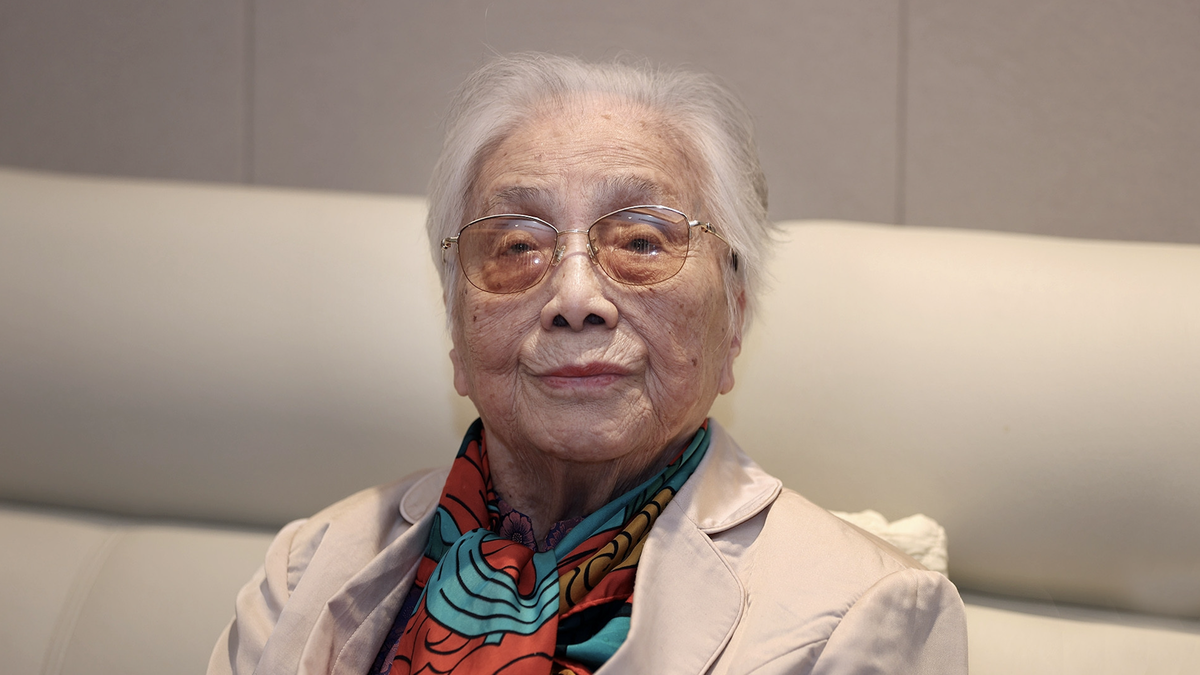
There used to be a palm orchard with several dozen trees. Later, to make way for her children to build houses and develop their economy , Ms. Ngo Thi Kim Thuan - Huu Do 1 area, Hop Nhat commune, Doan Hung district - cut down most of the palm trees, leaving only a few for fruit. She said: "The remaining palm trees are all glutinous palms, with large, delicious, rich, and creamy fruits, and abundant clusters of fruit, yielding about 50-60 kg each year. Besides eating them at home and sharing them with relatives and friends, the surplus palms sell for nearly 2-3 million VND depending on the time of year. Especially, ripe palms are always in short supply to meet customer orders; many people who try them once want to buy more and have to wait until the following year."
Stewed palm fruit is a unique dish, as it's neither salty, spicy, sour, nor sweet like other fruits. Stewed palm fruit has a rich, nutty, creamy flavor from its yellowish flesh, which is soft and smooth like velvet, and chewy when bitten, mixed with the slightly astringent taste of its thin outer skin. However, once you've tried it and liked it, you'll become addicted to its flavor, and even if you're far from home, you'll remember it fondly whenever the season returns.
Ha Tung
Source: https://baophutho.vn/mua-co-chin-224687.htm





















































































Comment (0)