


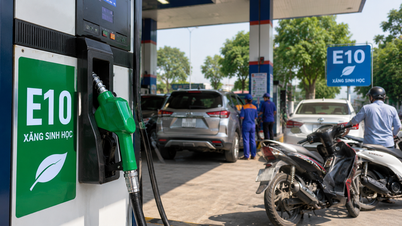
According to Associate Professor, Dr. Bui Thi An, the development and popularization of E10 bioethanol is an inevitable trend in the energy transition and the construction of a green transportation system in Vietnam. Photo: Thu Trang.
The widespread adoption of E10 gasoline is an inevitable trend.
Since June 1st, the sale of E10 bioethanol fuel has been rolled out nationwide. In the context of Vietnam promoting green energy transition and fulfilling its commitment to net-zero emissions by 2050, how do you assess the significance of popularizing E10 fuel for the country's sustainable development goals?
First and foremost, it must be affirmed that the development and popularization of E10 bioethanol is an inevitable trend in the energy transition and the building of a green transportation system in Vietnam. Looking beyond the broader picture of a new fuel appearing on the market, E10 gasoline offers three major benefits.
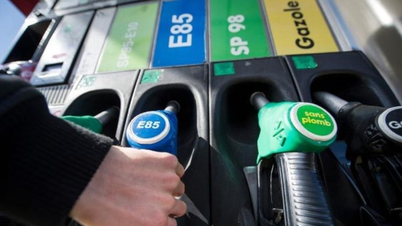
Firstly, there is the value in terms of energy security. Increasing the use of biofuels will help Vietnam gradually reduce its dependence on fossil fuels, becoming more proactive in securing energy supplies for production and daily life.
Secondly, there is the environmental value. Transportation is one of the sectors with significant emissions. Some studies show that emission reductions can reach up to 30%, depending on the type of vehicle and operating conditions. E10 gasoline has the potential to reduce greenhouse gas emissions compared to conventional gasoline, thereby contributing to international commitments on climate change response and the Net Zero target by 2050.
Thirdly, there is the socio-economic value. Ethanol is produced from agricultural raw materials such as cassava, corn, and many other crops. This means that each liter of E10 is not only a fuel for vehicles but also opens up a stable market for domestic agricultural products. If the production chain is well organized, this will be an opportunity to increase the value of agricultural products, increase farmers' income, and form a green economy based on domestic raw materials.
However, while E10 offers many benefits, gaining public support and trust is another matter entirely. The ultimate success of the policy still depends on whether consumers trust it and are willing to switch.
Although many studies have shown that E10 meets the standards for use in most vehicles currently in circulation, there are still many concerns from consumers, especially regarding engine compatibility and conflicting information on social media. In your opinion, what is the biggest bottleneck currently?
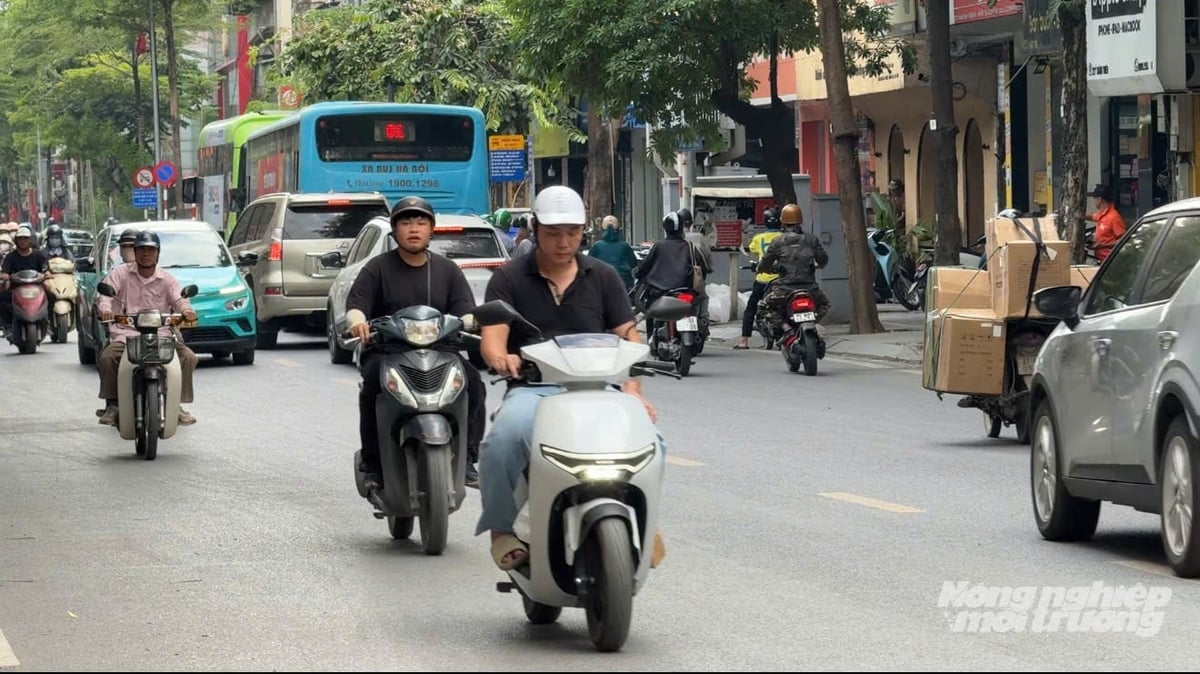
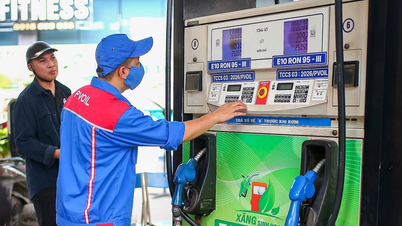
E10 biofuel is expected to contribute to reducing emissions in the transportation sector. Photo: Thu Trang.
When discussing E10, we need to put ourselves in the people's shoes. Their concerns are simple: "Can my car use E10? If so, is it safe? If an accident occurs, who will be responsible?" - Associate Professor Bui Thi An emphasized.
You may also likeHow will older cars adapt when E10 gasoline becomes available nationwide?VHO - The expanded use of E10 gasoline is expected to contribute to reducing emissions and promoting energy transition. While most cars and motorcycles currently in circulation are considered compatible with the new fuel, some older vehicles may require inspection and maintenance to ensure stable operation.
Scientists can explain in great detail how ethanol affects metal, rubber, or engine components. But people don't use their vehicles with that technical understanding. They don't know what materials are inside their cars. They don't know which gaskets are made of natural rubber, which parts are made of copper alloy, or which components are at risk of being affected.
In my opinion, these are the questions that will determine the success of the policy. Currently, we have many studies proving the safety of E10, but the gap between research results and consumer perceptions remains quite large.
Therefore, communication efforts need to be more understandable and relatable. People not only need to know whether E10 is safe, but also need clear explanations of the causes, mechanisms of impact, and how to handle specific situations. In particular, staff at gas stations need to be equipped with sufficient knowledge to become the "first line of communication," able to immediately answer common questions from the public when encountering this new fuel.
Furthermore, not all citizens have access to technical reports or in-depth information, especially in rural and remote areas. Therefore, dissemination of information needs to be diverse and focused on the most practical aspects.
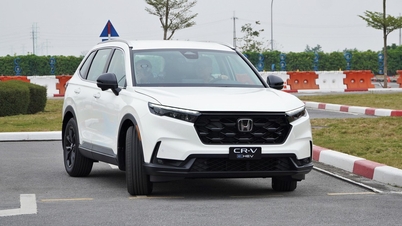
On the other hand, a more specific and understandable list of compatible fuels needs to be publicly available. For example, which vehicle brands and from which year onwards can use E10; which vehicle models require pre-testing; and which types of agricultural machinery are fully compatible with E10. People don't need a lengthy scientific report. They just need to know if their vehicle is compatible. That's the way to bring science closer to everyday life.
E10 quality needs to be strictly controlled.
So, in your opinion, what should regulatory agencies, fuel businesses, and vehicle manufacturers do in the initial phase of implementation to ensure that people feel confident switching to E10 gasoline?
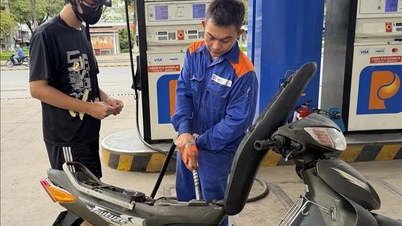
I previously suggested researching the possibility of establishing quick check-up or consultation points right at fuel distribution systems. When people come to refuel, they could receive immediate assistance in checking or advising whether their vehicle is compatible with E10 fuel, and what precautions they need to take during use. This may sound simple, but it's very important because it helps people access information directly and easily.
Furthermore, in the initial phase of implementation, free inspection or testing points should be available for cases where there is suspicion related to the fuel. People cannot afford to pay extra to have their vehicles inspected to see if they are affected by E10. If an incident occurs, they need a place to receive an objective assessment, a clear explanation of the cause, and protection of their legitimate rights. Motorcycle, car, and agricultural equipment manufacturers should not only offer general recommendations but also make specific commitments. Therefore, this responsibility needs to be transferred from consumers to manufacturers and regulatory agencies through clear, transparent, and verifiable commitments.
I also want to emphasize that my concern is not E10 itself, but that E10 does not meet standards. If even a few cases of improperly blended fuel, improper storage, or a lack of strict quality control lead to vehicle damage, the consequences will go beyond just a few technical problems. More worryingly, it will cause a loss of public trust.
Therefore, pre- and post-inspection by the Ministry of Industry and Trade and other relevant agencies needs to be carried out strictly and regularly throughout the entire E10 supply chain, from production, blending, storage, transportation to distribution to the market.
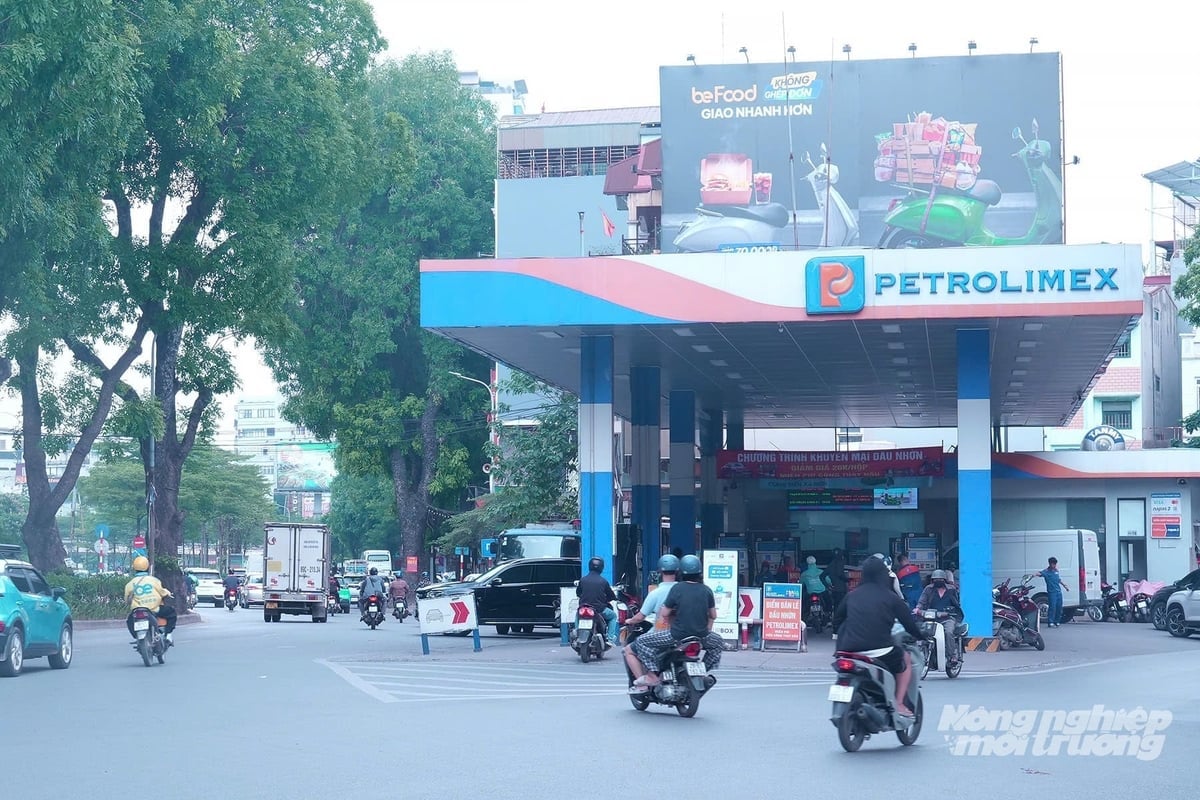
Strict quality control measures for E10 must be implemented throughout the entire supply chain. Photo: Thu Trang
Besides technical aspects and market confidence, what other solutions, in your opinion, are needed for E10 to achieve sustainable long-term development?
In the long term, the crucial issue is not just the consumption of E10 gasoline, but also the building of a sustainable biofuel ecosystem. Currently, the price difference between E10 and conventional gasoline is not yet truly attractive. If the economic benefits are not sufficiently clear, and people still have concerns, the motivation to switch will not be strong. Therefore, further research is needed on policies to lower the production cost of ethanol, thereby creating a clearer competitive advantage for E10.
However, to lower production costs, the issue of raw material supply must be addressed. Ethanol is currently produced mainly from agricultural products such as cassava and corn. When raw material prices fluctuate sharply, production costs will also fluctuate accordingly, directly impacting fuel prices. It is necessary to plan stable raw material supply areas, build linkages between businesses and farmers, and research appropriate support mechanisms to mitigate the impact of fluctuating raw material prices. Doing so will not only help stabilize E10 prices but also create a sustainable market for agricultural products, increasing income for people in areas with advantages in producing biofuels.
I believe E10 is the right direction for Vietnam. However, for people to move from "knowing" to "trusting," and from "trusting" to "long-term use," it is necessary to answer their very specific questions and create a sufficiently strong mechanism to protect consumer rights.
When trust is built on quality, transparency, and the accountability of all stakeholders, E10 truly has a chance to become an important part of the country's green transformation.
Source: https://nongnghiepmoitruong.vn/muon-pho-cap-xang-e10-phai-tao-duoc-niem-tin-d814730.html


















































![[Video] Sunset at Lap An Lagoon – Where the sun sets over the fishing nets](https://vphoto.vietnam.vn/thumb/1200x675/vietnam/resource/IMAGE/2026/05/31/1780192137701_beach-landscape-sea-water-nature-grass-745871-pxhere-com.jpeg)

























Comment (0)