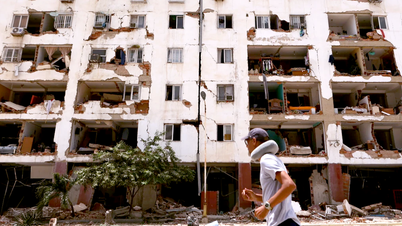
Iranian media reported that numerous explosions and airstrikes were recorded in southern Iran in the early hours of June 11, as the US launched a new wave of attacks targeting Iranian territory.
According to Iranian state television , five enemy warheads struck a target in the Kargan area of Minab city. Multiple explosions were also reported in Bandar Abbas, while air defenses were activated on Qeshm island and in the cities of Jask and Sirik in Hormozgan province.
The U.S. Central Command (CENTCOM) said the attacks were carried out at the direction of U.S. President Donald Trump in response to what Washington described as Iran's "continued acts of aggression."
CENTCOM stated on social media platform X that the attacks began at 5:15 PM Eastern Time on June 10th (approximately 0:45 AM on June 11th in Tehran).
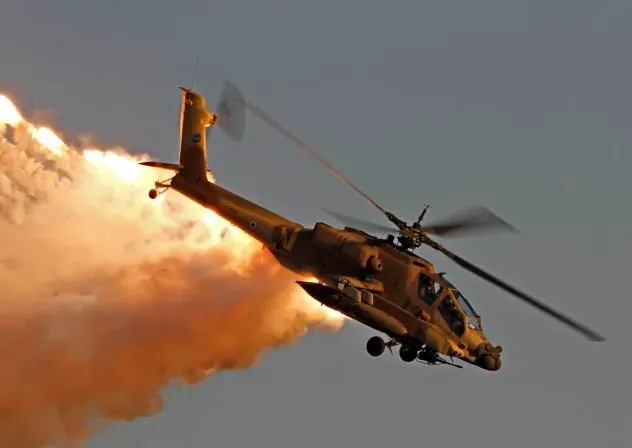 |
The US has indicated that Iran's downing of a US Apache helicopter is the basis for Washington resuming airstrikes. Photo: JP. |
The US announces it has struck key Iranian facilities.
Earlier, US War Secretary Pete Hegseth said Washington launched powerful attacks on “critical facilities,” after US President Donald Trump declared the US would launch a very strong attack on Iran.
Mr. Hegseth said the U.S. does not want to reignite conflict, but is prepared to take the necessary steps to reach an agreement as desired by President Trump.
Earlier, President Trump said: "We hit them hard yesterday. Today we're going to hit them even harder. As for the deal, we'll see what happens."
Iranian armed forces are retaliating, and Tehran has pledged to attack new US targets if attacked, according to Tasnim News.
This development follows a series of tit-for-tat attacks between the two sides, marking one of the most serious escalations since Washington and Tehran reached a ceasefire agreement in April. Trump said a secret US military operation helped ships carrying approximately 100 million barrels of oil pass through and leave the Strait of Hormuz.
Trump: 49 Tomahawk missiles struck targets in Iran.
According to Fox News , Trump said 49 Tomahawk missiles were used to strike targets inside Iran. The U.S. Central Command did not specify where the attacks took place or what the targets were.
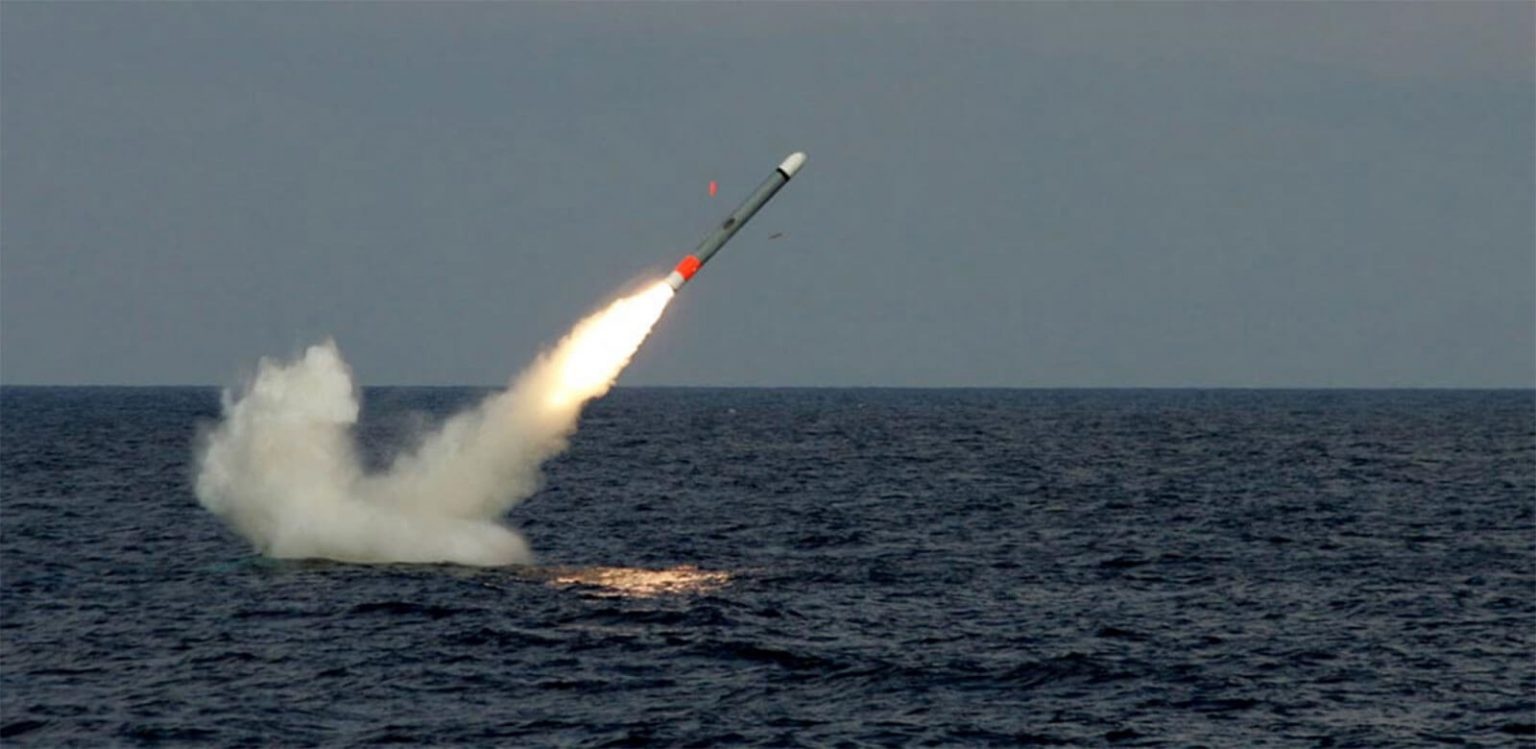 |
Axios reporter Barak Ravid quoted an unnamed U.S. official in an X-rated post who outlined the military targets for Wednesday's airstrikes, including air defense systems, radar, and command and control units for drones.
Iran's Foreign Ministry accused the U.S. of targeting civilian infrastructure in airstrikes earlier this week.
Iranian President: The attack was America's desperate act.
Iranian leaders have issued strong messages amid escalating tensions with the US and Israel. On the X platform on the evening of June 10th, President Masoud Pezeshkian affirmed that critical infrastructure is the lifeblood of the nation, emphasizing that any threat of attack on these systems does not demonstrate strength but rather a sign of desperation in the face of national will. He asserted that Iran will remain resilient thanks to its internal strength and national unity.
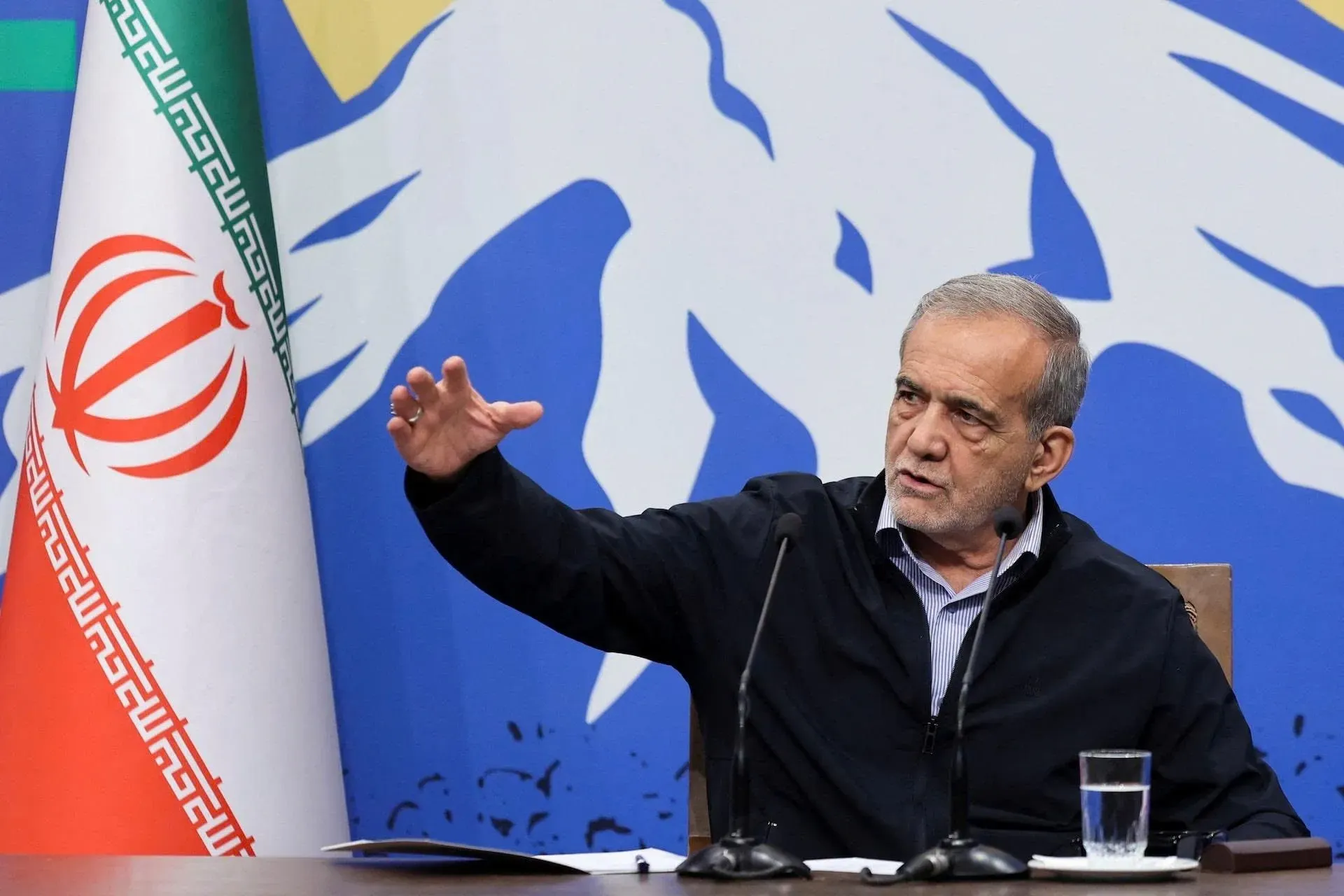 |
Iranian President Masoud Pezeshkian. Photo: Reuters. |
On the same day, Speaker of Parliament Mohammad Bagher Ghalibaf paid tribute to the commanders and scientists who sacrificed their lives in the 12-day war (June 2025). He affirmed that the assassination of key figures would not diminish the nation's defense capabilities or its scientific movement. Ghalibaf warned that any act of aggression would face a decisive response.
This move comes as the current conflict, which began on February 28, 2026, threatens to collapse the fragile ceasefire brokered by Pakistan. Iran continues to maintain a defensive posture within the framework of Operation True Promise 4, affirming its determination to pursue the war despite facing increasing military pressure.


President Trump declared he would continue the attack if a memorandum of understanding was not reached by tomorrow.
President Donald Trump said that U.S. airstrikes against Iran would soon end. According to a Fox News reporter, this decision was made after senior Iranian officials directly called him to request a halt to the latest offensive.
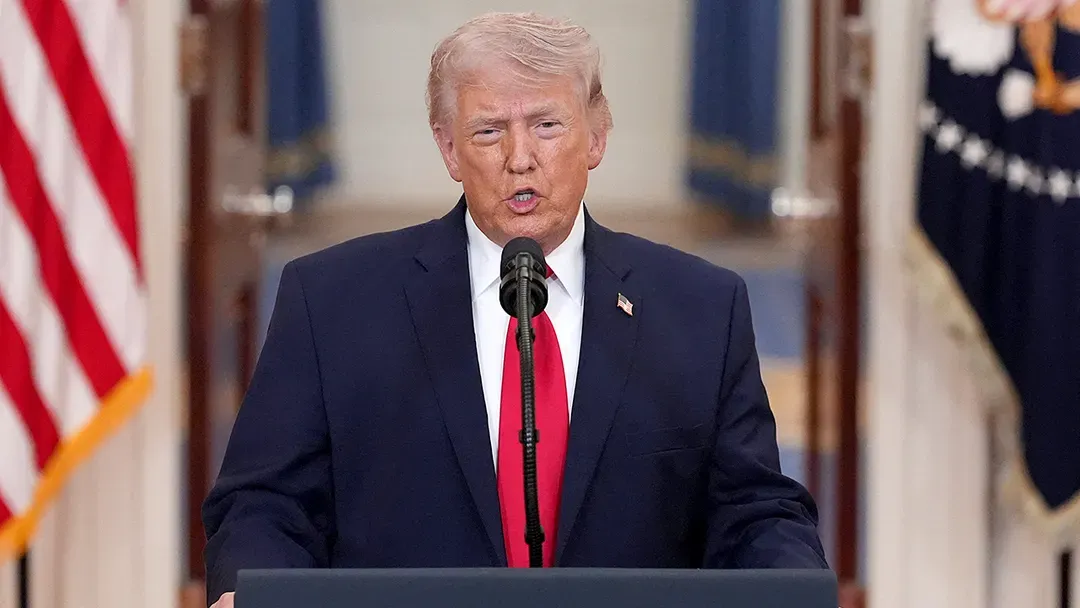 |
President Donald Trump. Photo: Reuters. |
However, Trump also warned that military operations would resume tomorrow night if the two sides did not reach a memorandum of understanding (MOU) on adhering to the ceasefire.
Fox News reporter Trey Yingst said he spoke with Trump while the President was working in the Situation Room with Vice President JD Vance and U.S. envoys Steve Witkoff and Jared Kushner.
In a post on platform X, reporter Yingst recounted Trump's statement, in which the US President described the current situation as "the most violated ceasefire in world history." It is known that during the phone call, the reporter's speakerphone was on, allowing her to directly participate in the discussion with officials in the Situation Room.
Iran attacks two ships and closes the Strait of Hormuz.
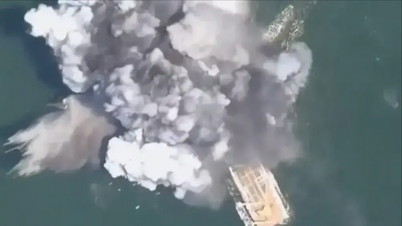
The Tasnim news agency reported that naval forces belonging to Iran's Islamic Revolutionary Guard Corps (IRGC) carried out attacks targeting two ships allegedly "violating" the Strait of Hormuz while attempting to pass through it.
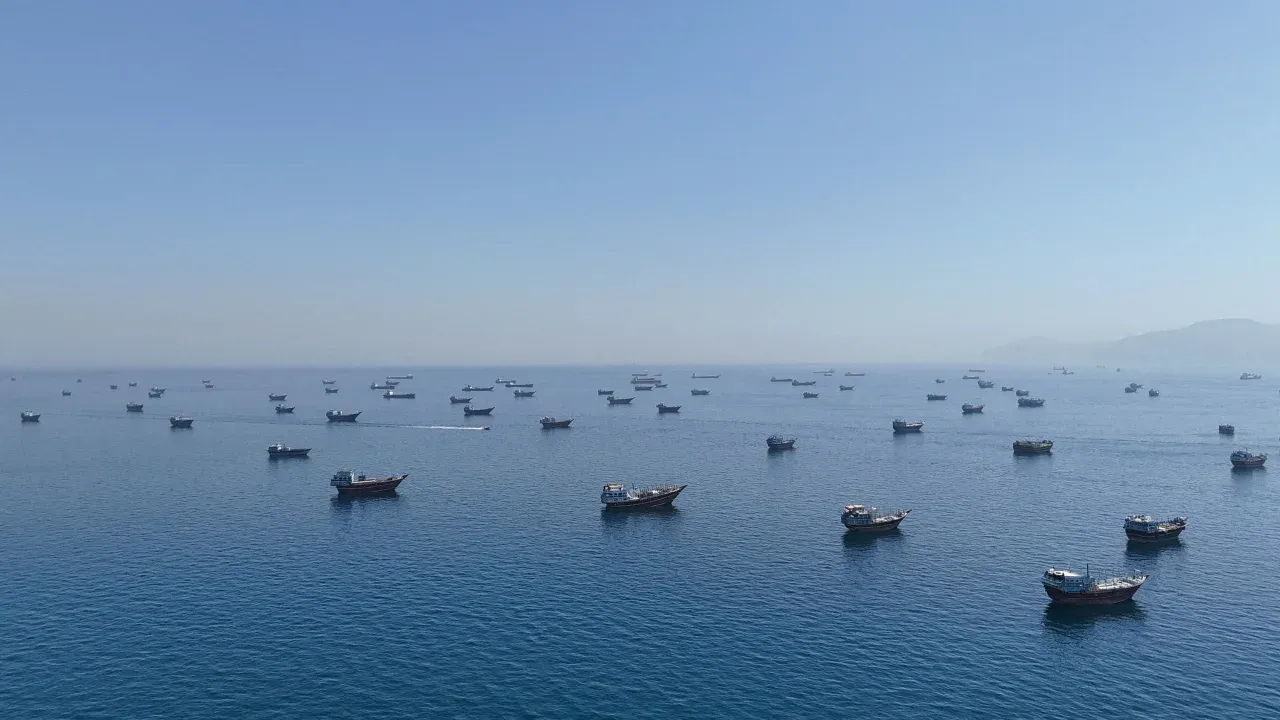 |
Iran's Supreme Joint Military Command has issued an order to close the Strait of Hormuz to "all ships," and issued a stern warning that it will attack any vessel attempting to pass through this waterway.
However, the U.S. Command rejected Iran's claim of the strait being closed in a post on X, stating that "commercial ships are continuing to enter and exit the Strait of Hormuz tonight."
This vital waterway has been disrupted for months due to the war, with shipping traffic through the strait estimated at only 15% of pre-war levels, according to JPMorgan.
Since the conflict began, Iran has threatened to attack any ships passing through without IRGC permission. Last month, they imposed new regulations on vessels wishing to pass through the area.
Iran warns the war "is no longer limited to the region."
Ebrahim Azizi, chairman of the National Security Committee of the Iranian parliament, warned that the war "will not be limited to the region."
Iran is now accusing the US of attacking reservoirs that supply drinking water to its citizens, and of violating international law.
"This was not unintentional damage but a deliberate war crime, as well as a blatant violation of human rights," Iranian Foreign Ministry spokesman Esmaeil Baghei declared. The Pentagon has not commented on these allegations.
On the US side, President Donald Trump – who has previously threatened to target Iran's civilian infrastructure – did not say whether the upcoming attacks would target power plants or bridges as he had warned.
Despite the constant tough statements from both sides, there are signs that diplomatic efforts are being sustained.
Iranian media reported that a delegation from Qatar, the country acting as a mediator between Washington and Tehran, arrived in Tehran on June 10 to discuss the latest developments in the crisis.
The US secretly deployed escorts for oil tankers through the Strait of Hormuz.
US President Donald Trump confirmed that a total of 100 million barrels of oil had been safely transported through the Strait of Hormuz via a secret military operation. He asserted that this effort played a crucial role in stabilizing global oil prices.
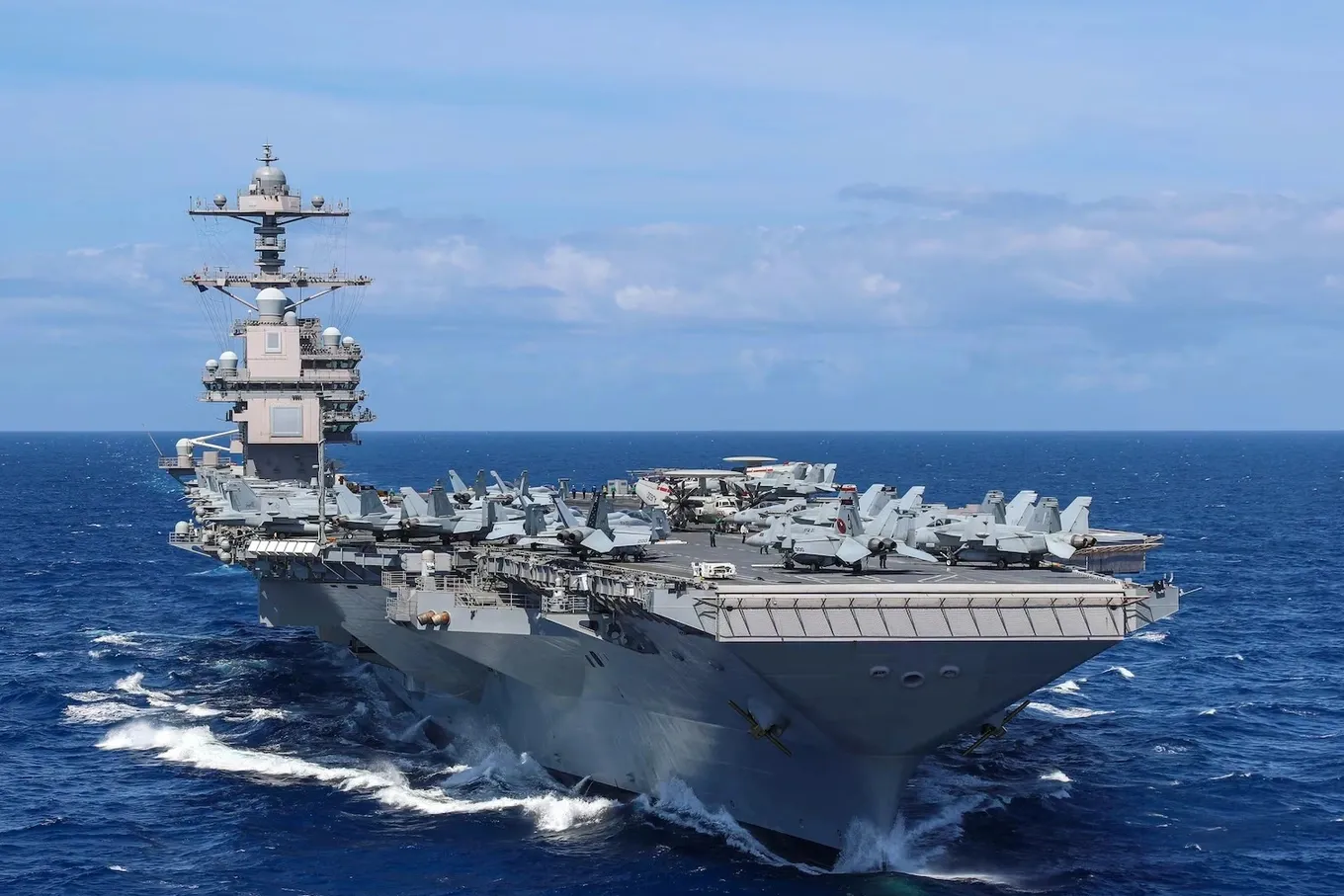 |
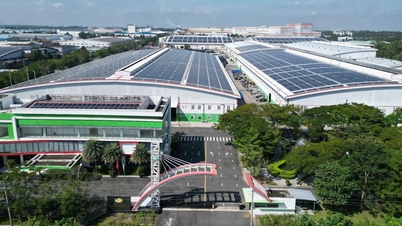
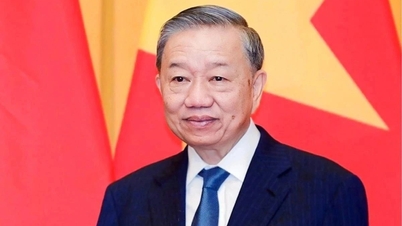
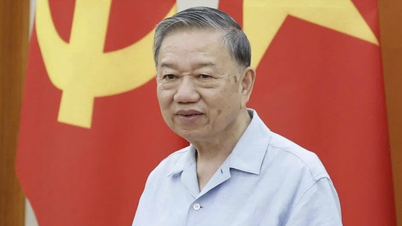
U.S. forces are always on high alert in the Middle East. Photo: U.S. Army.  Vietnam encourages US businesses to expand investment in high technology.On the morning of June 26th, at the Government Headquarters, Deputy Prime Minister Ho Quoc Dung received Mr. Jeff Place, Supply Chain Director of Coherent Group (USA). During the meeting, the Deputy Prime Minister affirmed that Vietnam encourages US businesses to expand investment, especially in high-tech, innovation, and semiconductor industries.  Encourage U.S. businesses to expand investment in high-tech sectors.Deputy Prime Minister Ho Quoc Dung said that Vietnam welcomes US businesses to continue expanding their operations in Vietnam, especially in high-tech industries and sectors with high added value.  Vietnam and the United States strengthen cooperation in addressing the consequences of war.VTV.vn - On June 22, General Secretary and President To Lam received Acting Secretary of the US Navy Hung Cao. |
According to Hegseth, the commercial vessels travel at night under American protection using discreet methods, making it impossible for Iran to detect or intercept them.
In a related development, the US Central Command (CENTCOM) announced that it had neutralized two Iranian-linked crude oil tankers in the Gulf of Oman on June 8th and 9th for violating a maritime blockade.
On the diplomatic front, the Board of Governors of the International Atomic Energy Agency (IAEA) on June 10 adopted a US-backed resolution demanding that Iran disclose details about its enriched uranium stockpile and authorize inspectors to conduct verification.
In the Middle East, the security situation remains tense. In southern Lebanon, Israeli airstrikes on June 10 killed at least 13 people. Hezbollah retaliated with new attacks targeting Israeli troops.
The United Nations warns of a full-scale military escalation.
On June 10, UN Secretary-General Antonio Guterres expressed concern about the risk of renewed conflict between the US and Iran due to escalating military tensions in the Middle East. Speaking at the Security Council, he warned that the crisis was spreading and spiraling out of control.
The escalating military activity between the two sides raises the risk of a renewed full-scale war. The conflict had temporarily subsided in early April after a fragile ceasefire agreement was reached.
Trump has repeatedly asserted that an agreement is nearing completion, despite previous signs of a breakthrough, while also repeatedly warning of the possibility of resuming bombing campaigns.
Earlier, on the morning of June 10, the US military targeted air defense and radar systems around the Strait of Hormuz, after a US attack helicopter was shot down near this strategic waterway on June 9.
In response to these initial attacks, Iran launched missile and drone strikes against U.S. bases in Jordan, Kuwait, and Bahrain. A U.S. official said there was no significant damage from these attacks.
Source: https://znews.vn/my-doi-ten-lua-tomahawk-mien-nam-iran-rung-chuyen-post1658683.html








































![[Photo] Thousands of people participate in a run to show their support for the campaign "Sharing a common determination to build drug-free communes, wards, and special zones".](https://vphoto.vietnam.vn/thumb/1200x675/vietnam/resource/IMAGE/2026/06/27/1782554475933_0673e2a3df7b5e25076a-8283-jpg.webp)