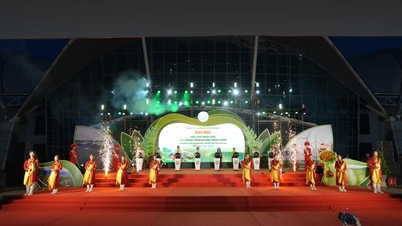
On June 15, the United States and Iran reached a historic peace agreement, paving the way for negotiations toward a lasting peace treaty. Pakistan, the mediator, said the official signing ceremony is scheduled for June 19 in Switzerland .
While reaching a peace agreement after more than three months of fighting is a positive sign, observers remain concerned about the possibility of the agreement lasting given the significant differences that still exist between the parties.
Concerns about the future of the agreement.
With only four days left until the ceasefire agreement is signed, according to Al Jazeera , that's enough time for things to go wrong.
It remains unclear how Israel will respond. Tel Aviv has also not commented on the recently announced peace agreement.
Furthermore, it remains unclear whether Iran will de-escalate the situation and cease its attacks against Israel. Therefore, observers believe that everything now depends on Iran's response: whether Tehran will accept what President Trump has announced; and whether a tacit agreement had been reached before this announcement was made.
The US and Iran are still showing differences on key demands of the agreement.
Following the announcement of the peace agreement, Republican Senator Lindsey Graham of the United States said he was somewhat concerned that Iran's perception of the agreement seemed different from what the US negotiating delegation was claiming.
“I am pleased to learn that a memorandum with Iran to allow the Strait of Hormuz to reopen has been agreed. I will be closely monitoring the subsequent negotiations regarding Iran’s nuclear program and other issues. However, I am somewhat concerned that Iran’s view of the agreement seems different from what the U.S. negotiating delegation is stating,” Graham, a close ally of Trump, wrote on social media.
In an interview with Al Jazeera , retired US General Mark Kimmitt warned that there are four potential factors that could derail the fragile agreement recently reached between the US and Iran.
Kimmitt argued that Israel, the Lebanese armed group Hezbollah, Iran, and even the United States could all become parties that disrupt this process.

"There are many factors that could derail the agreement," Kimmitt said. According to him, Israel has many overlapping interests with the US, but they are not entirely the same.
"In fact, Israel may well go its own way," he added, suggesting that Hezbollah could also act similarly, as the group has not yet accepted the ceasefire.
The American general also noted that Iran has so far been unwilling to discuss its long-range missile program or Tehran's support for allied forces in the region.
Highlights of the agreement
Leading Iran expert Esfandyar Batmanghelidj said he remains skeptical about the possibility of a comprehensive agreement emerging from this initial announcement, but assessed it as an important step forward for regional diplomacy.
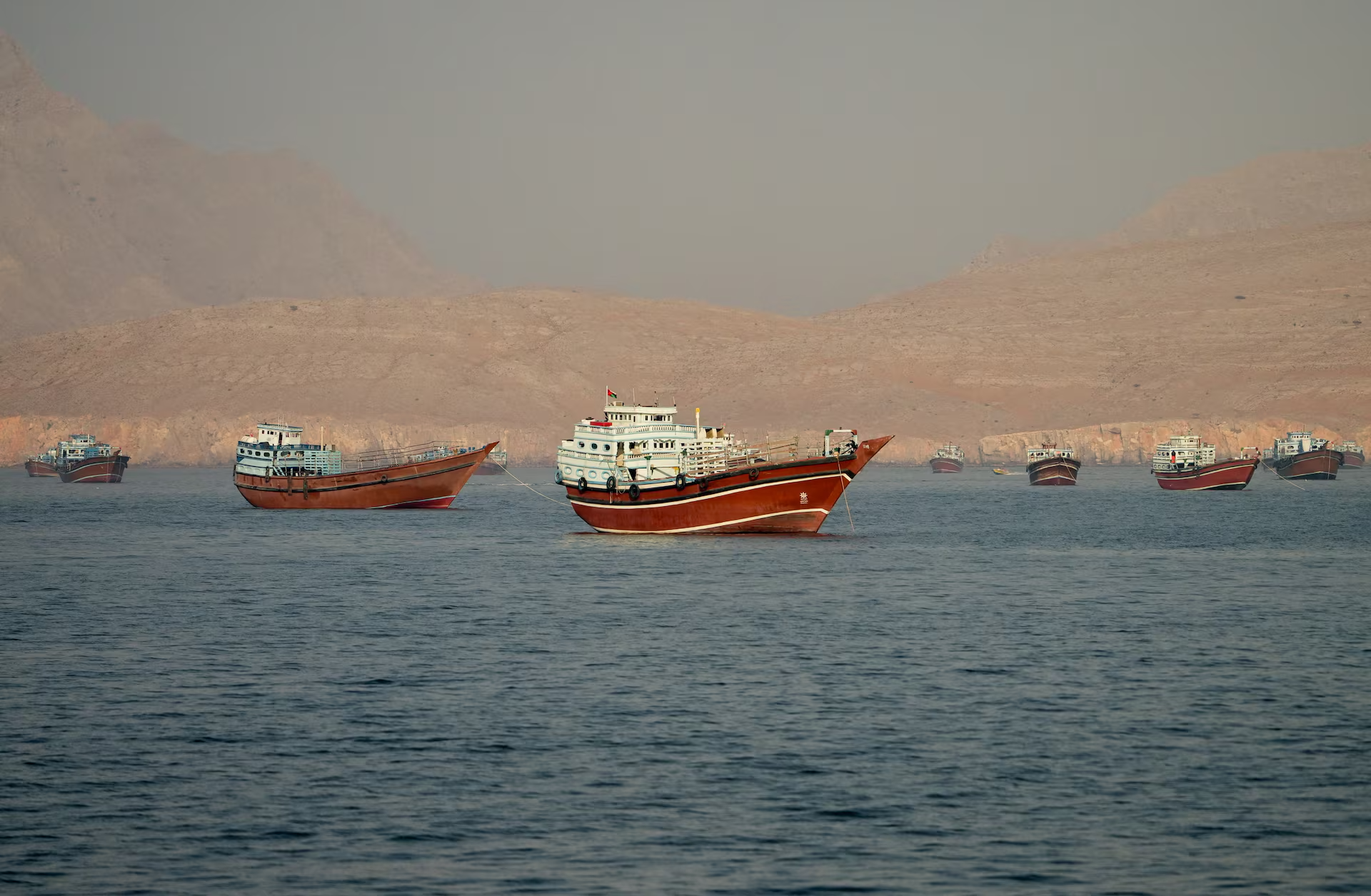 |
Ships in the Strait of Hormuz, as seen from Oman, on June 14. Photo: Reuters. |
Writing on social media platform X, Batmanghelidj argued that the agreement should be considered the first regional peace treaty in Middle Eastern history. He added that the “logic and framework” developed during the negotiations could become the foundation for a new regional structure.
"The major powers in the region all contributed to the process of building the agreement and creating the necessary consensus for its adoption," he wrote.
Batmanghelidj argues that this process demonstrates that Middle Eastern diplomats are fully capable of playing a leading role in shaping and securing sustainable, inclusive agreements, even though they are often overlooked or underestimated by their counterparts in Washington.
"It was Arab, Pakistani, Turkish, and Iranian diplomats who helped the world escape a crisis – a crisis created by Washington and aided by European governments all too willing to have their bases, aircraft, and weapons depots used for war in the Middle East, especially under the guise of 'protecting' Israel," he said.


Robert Malley, the chief negotiator for the Joint Comprehensive Plan of Action (JCPOA) under President Barack Obama, also described the agreement, expected to be signed on June 19, as "a significant and welcome achievement."
However, Malley argued that the memorandum was also "a clear and scathing indictment of the war that had taken place," primarily because its greatest achievement was reopening a waterway that had been closed only because of the war itself.
“As for the issues that will have to be resolved after the memorandum is signed — the future of Iran’s nuclear program, how to handle its enriched uranium, or the extent of sanctions relief — will almost certainly be left for a later stage, and will almost certainly be more difficult to resolve than before the war broke out,” he wrote on X.
Source: https://znews.vn/my-iran-dat-thoa-thuan-chang-kho-moi-chi-bat-dau-post1659753.html