

Reuters reported on June 3rd, citing a statement from the U.S. Central Command (CENTCOM), that it had conducted attacks on Qeshm Island—a key Iranian military base—in retaliation for Iran firing missiles at Kuwait and Bahrain. According to CENTCOM, Iran fired two missiles toward Kuwait, but they exploded mid-air. Meanwhile, U.S. and Bahraini forces successfully intercepted missiles aimed at Bahrain, and also shot down several drones launched by Iran targeting "civilian sailors lawfully navigating in regional waters."
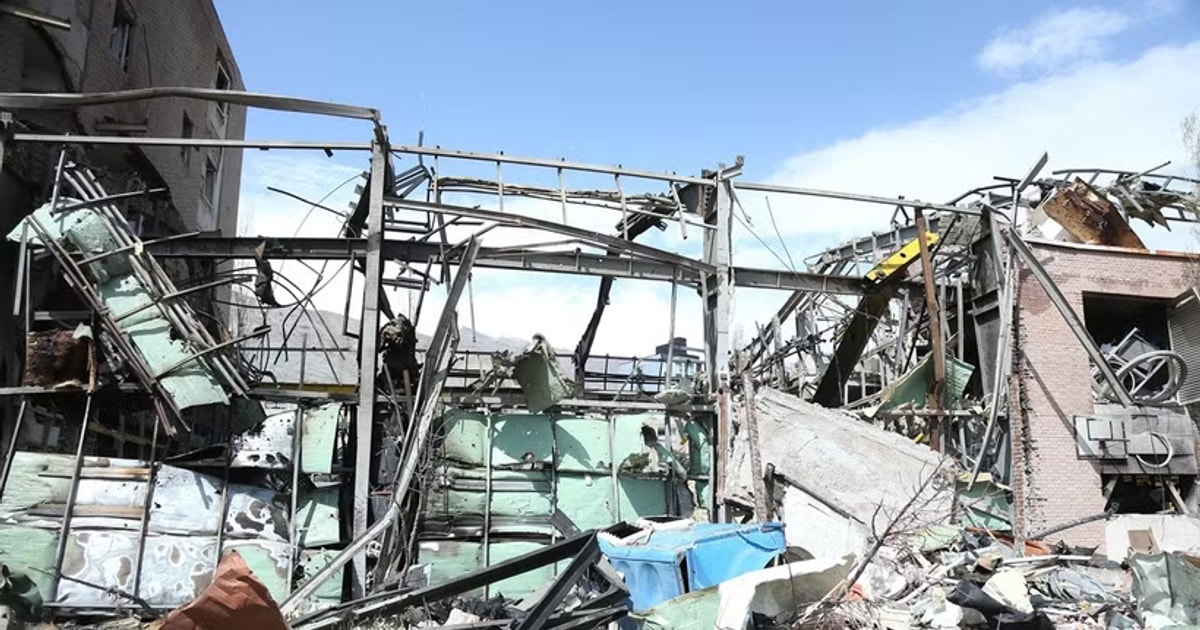
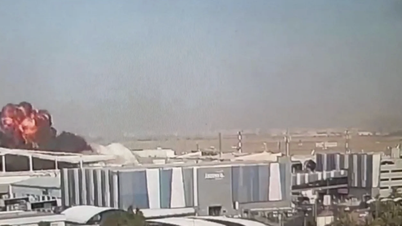
The Kuwaiti military later stated that Iranian drones had also attacked the country's international airport, causing "significant" damage to facilities and resulting in several casualties. Following the attacks, Kuwaiti airports were temporarily forced to suspend all flights. Kuwaiti Defense Ministry spokesman Brigadier General Saud Abdulaziz Al-Otaibi described the attack as "a criminal act of aggression by Iran."
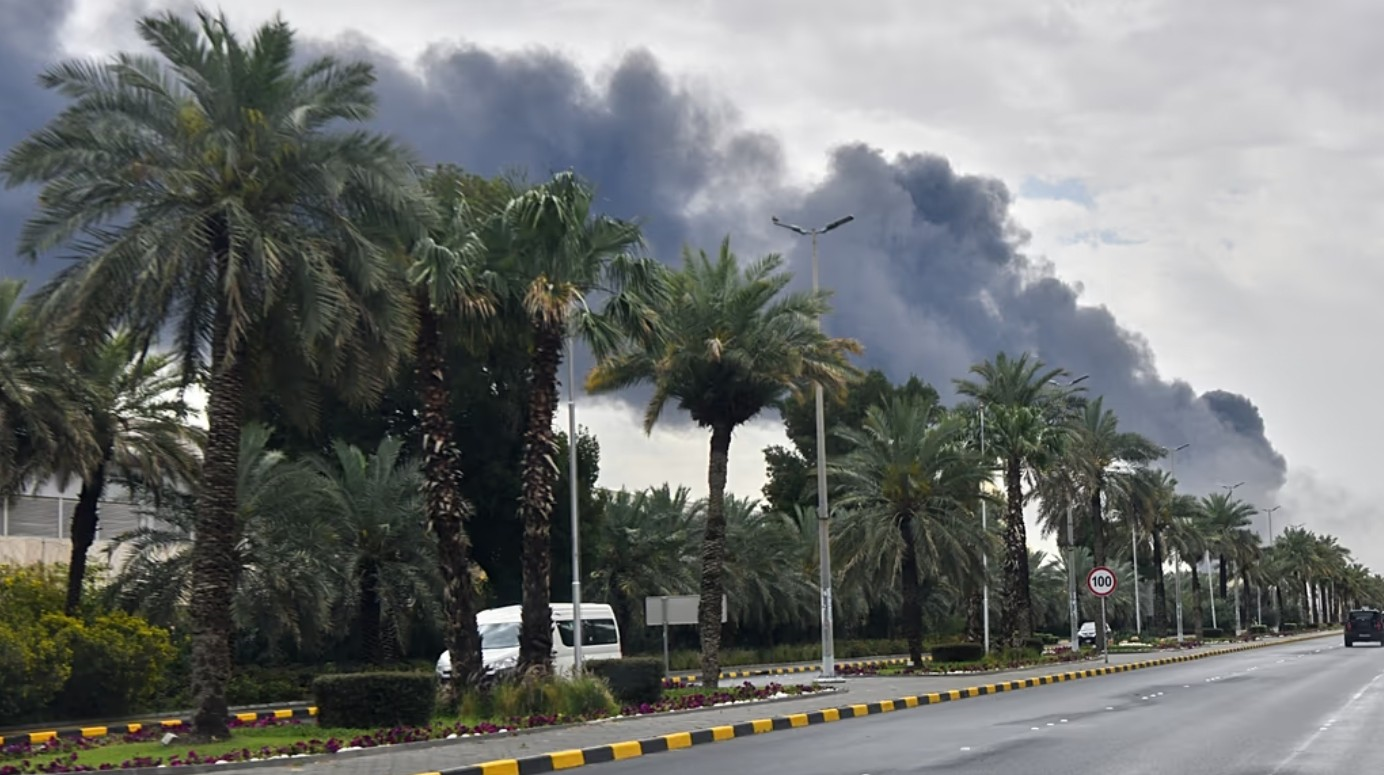
For its part, Iran's Islamic Revolutionary Guard Corps (IRGC) said it targeted the headquarters of the US Navy's 5th Fleet in Bahrain and another country, in retaliation for the US missile attack on the Botswana-flagged oil tanker M/T en route to Iran.

Reuters reported that the Iranian Foreign Ministry condemned the US attacks on Qeshm Island and oil tankers in the Strait of Hormuz, accusing them of violating the ceasefire agreement and international law. It stressed that Kuwait and Bahrain bear "direct and clear responsibility" for the attacks, as their territories and facilities have been used to support US military operations against Iran. Tehran declared it reserves the right to self-defense and will "use all available means" in response. The IRGC stated that "disrupting the security of the Strait of Hormuz will cost the aggressive US military dearly."
In another development, Iran's Fars and Tasnim news agencies reported that Tehran negotiators had ceased contact with mediators as tensions escalated in the separate but related conflict between Israel and Hezbollah forces in Lebanon. Tehran has consistently maintained that any potential ceasefire in the Middle East conflict must include an end to fighting in Lebanon. Meanwhile, Israel and the US have also stated that the war in Lebanon is "completely separate" from negotiations on the war with Iran.
On the social media platform Truth Social, US President Donald Trump called reports of a halt in negotiations "false and inaccurate," stating that "negotiations between the two sides are still ongoing."
The latest tit-for-tat attacks between the U.S. and Iran demonstrate a lack of progress in resolving the Middle East crisis, despite optimistic statements from U.S. Secretary of State Marco Rubio in his first appearance before the Senate Foreign Relations Committee on June 2nd since the U.S. and Israel launched their war against Iran. Secretary Rubio reiterated his statement that an agreement with Tehran was “within reach,” asserting that Tehran had “agreed to negotiate aspects of its nuclear program that it had refused to discuss a month ago.”
Amidst the complex developments in the Middle East, Al Jazeera, citing a statement from the Iranian Foreign Ministry, reported that Iranian Foreign Minister Abbas Araghchi had telephone conversations with the foreign ministers of France, Türkiye, Qatar, Egypt, Pakistan, and Saudi Arabia. The call between the Iranian Foreign Minister and Pakistan also included Field Marshal Asim Munir, the head of the Pakistani military.

Meanwhile, on social media platform X, Anwar Gargash, advisor to the President of the United Arab Emirates (UAE), asserted that Iran's repeated acts of "aggression" against Kuwait and Bahrain "demand a firm and unified stance from the Gulf states." Anwar Gargash stated: "The security of the Gulf Cooperation Council member states is closely intertwined... This act of aggression is not aimed at any one specific country but at all of us."
Source: https://baolangson.vn/my-va-iran-phat-dong-cac-cuoc-tan-cong-moi-5094465.html









































![[Video] Sunset at Lap An Lagoon – Where the sun sets over the fishing nets](https://vphoto.vietnam.vn/thumb/1200x675/vietnam/resource/IMAGE/2026/05/31/1780192137701_beach-landscape-sea-water-nature-grass-745871-pxhere-com.jpeg)
































Comment (0)