According to the National Criteria for Communes to Achieve New Rural Area Standards in the period 2026-2030, criterion number 3 on rural economic development includes 10 indicators. One of these indicators is that the commune must have an effectively operating cooperative.
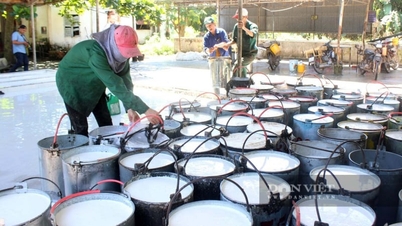
Recognizing the crucial role of cooperatives in building new rural areas, over the years, various levels and sectors have implemented numerous comprehensive solutions to develop cooperatives. Mr. Lieu Xuan Du, Chairman of the Provincial Cooperative Union, stated: "Every year, the Provincial Cooperative Union, along with other agencies, regularly organizes propaganda and training sessions on topics related to the development of the collective economy in general, with cooperatives as the core. As a result, the number of newly established cooperatives has increased rapidly. To date, the province has over 600 registered cooperatives operating in 65 communes and wards."


According to Circular No. 52/2026/TT-BTC dated May 14, 2026, of the Ministry of Finance guiding some contents of the New Rural Area criteria for the period 2026-2030, the content states that "A commune meets criterion 3.6 when it has at least one cooperative" that meets the following requirements: organization and operation in accordance with the current Law on Cooperatives; profitable business according to the cooperative's financial statements for two consecutive years preceding the year of application for recognition as a New Rural Area; at least one type of product or service provided to members; a sufficiently large membership size as prescribed by the Provincial People's Committee in accordance with local conditions; and a minimum increase of 5% (or 10 members/year) in the number of members in two consecutive years preceding the year of application for recognition as a New Rural Area. |
Alongside the establishment of new cooperatives, various levels of government, sectors, and cooperatives have proactively implemented numerous solutions to gradually improve operational efficiency. A prime example is the Nhu Y Cooperative in Bac Son commune. Ms. Bui Nhu Y, the cooperative's director, stated: "Taking advantage of the available raw material resources, the cooperative was established in 2003 with its main business being the production and trading of tobacco plants. The cooperative has access to markets, capital, seedlings, and supplies. The people, on the other hand, have access to land, labor, and production experience. From there, the cooperative links with the people to create a closed production and consumption chain (the cooperative is linked with approximately 170 households). Thanks to this, the cooperative continuously improves its operational efficiency, while the people have high and stable incomes, creating momentum for building a more prosperous and beautiful rural area."
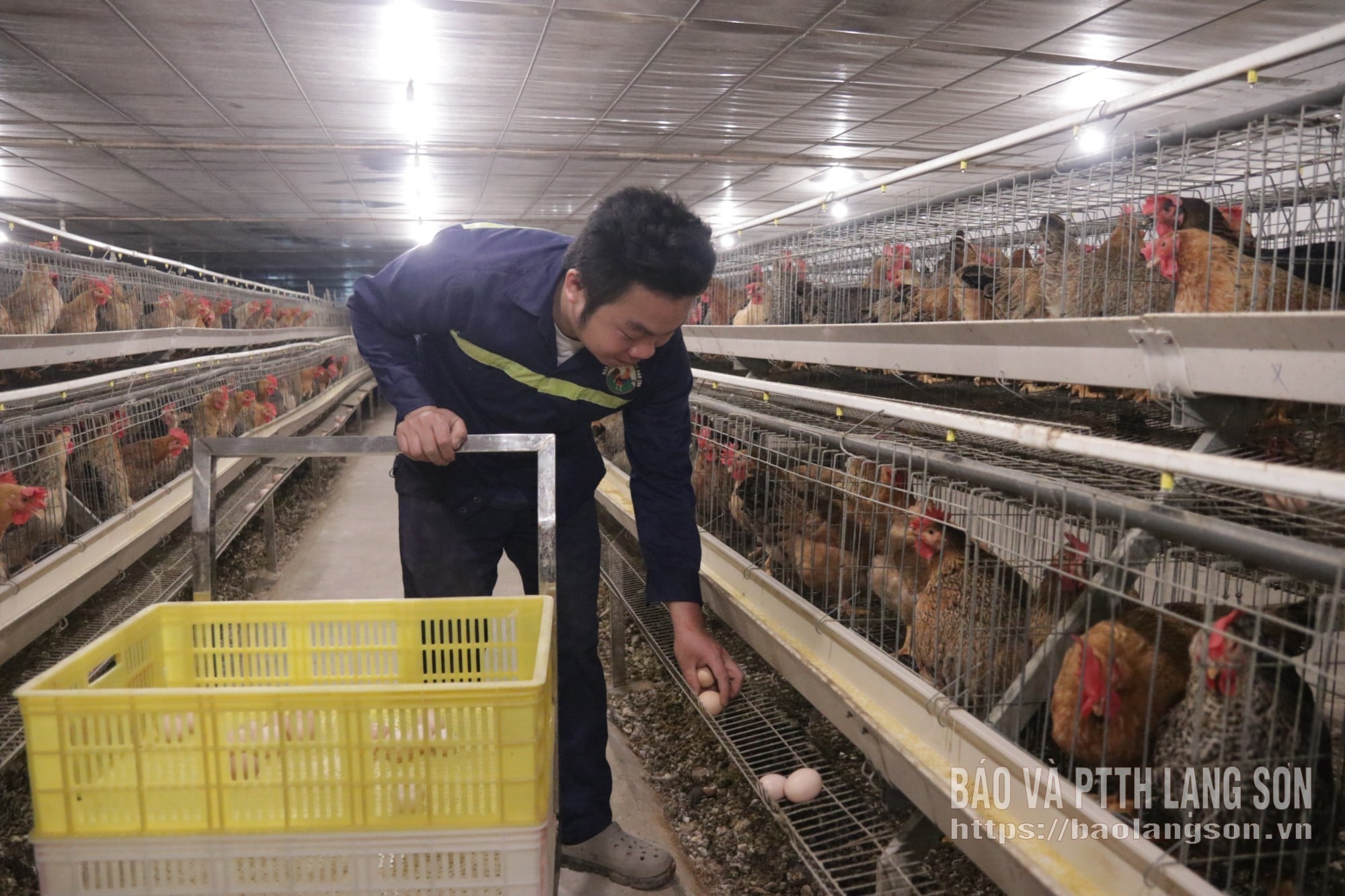
Besides their own initiative, cooperatives have the support and assistance of various levels and sectors to gradually develop. Mr. Ly Minh Hieu, Director of Thanh Loc Cooperative in Mau Son commune, said: The cooperative was established in 2020 with its main business being chicken farming. After a period of operation, due to the impact of natural disasters, the cooperative suffered heavy losses in assets. Faced with this difficulty, the cooperative proactively mobilized internal resources and simultaneously sought and accessed preferential loan sources totaling 5 billion VND to restore, invest, and expand production. In addition, the cooperative received support from various levels and sectors in developing OCOP products (One Commune One Product program) and applying science and technology to improve the efficiency of livestock farming. To date, the cooperative has operated stably and efficiently, selling 3,000-5,000 broiler chickens and 30,000 chicks per month.
Along with the two aforementioned cooperatives, many cooperatives in the province have continuously strived and flexibly implemented comprehensive solutions to develop. Simultaneously, relevant levels and sectors have implemented solutions to support and assist cooperative development. Specifically, from 2021 to the present, relevant levels and sectors have organized 134 conferences to disseminate information about cooperatives with 11,600 participants; organized 36 training courses on cooperative management, trade development, and digital transformation; supported 5-10 cooperatives annually in participating in trade promotion, advertising, and product sales; assisted cooperatives in borrowing capital from the Provincial Cooperative Development Support Fund and the Vietnam Cooperative Development Support Fund; supported the establishment of 144 new cooperatives; and brought young intellectuals to work in cooperatives...
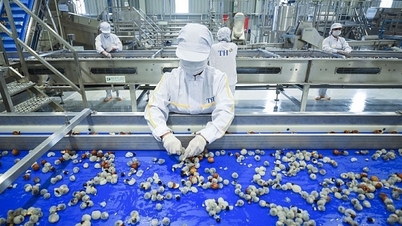
The efforts of cooperatives and the support solutions from all levels and sectors have contributed to consolidating and gradually improving the operational efficiency of cooperatives in the province. In the first six months of 2026, the average revenue of cooperatives in the province reached 500 million to 2 billion VND; the average income of workers ranged from 5 to 10 million VND per person per month. Based on these achievements, cooperatives have made a significant contribution to innovating production organization methods, increasing income for members and workers, and directly contributing to the fulfillment of cooperative targets in the construction of new rural areas.



Source: https://baolangson.vn/nang-chat-luong-hop-tac-xa-5097149.html


![[Image] A look back at the capital's preparations for the century-long master plan.](https://vphoto.vietnam.vn/thumb/1200x675/vietnam/resource/IMAGE/2026/06/29/1782750453122_quy-hoach-100-nam-minh-duy-1-2118-jpg.webp)

![[Photo] General Secretary and President To Lam works with the Party Committee of the Government on the work of preventing and combating storms, floods, extreme natural disasters and climate change.](https://vphoto.vietnam.vn/thumb/1200x675/vietnam/resource/IMAGE/2026/06/29/1782729441945_a1-bnd-0385-9454-jpg.webp)




























![[Photo] National Assembly Chairman Tran Thanh Man attends the Conference to announce the Master Plan for Hanoi Capital City with a 100-year vision.](https://vphoto.vietnam.vn/thumb/1200x675/vietnam/resource/IMAGE/2026/06/29/1782709639728_ndo_br_1-jpg.webp)















































![[Infographic] Notable new regulations for civil servants effective from July 1, 2026](https://vphoto.vietnam.vn/thumb/402x226/vietnam/resource/IMAGE/2026/06/30/1782779868692_infographic-nhung-quy-dinh-moi-dang-chu-y-doi-voi-vien-chuc-co-hieu-luc-tu-ngay-1-7-202620260629111721.webp)