

More than 20 years have passed since I started working at the Ba Ra Broadcasting and Television Logistics Center, formerly part of BPTV, but the memories of night shifts, live broadcasts, and even the nerve-wracking technical glitches remain vivid. Back then, the job of a broadcaster wasn't just dry technical work; it was an art, requiring meticulous attention to detail, and sometimes even moments of breathtaking tension.
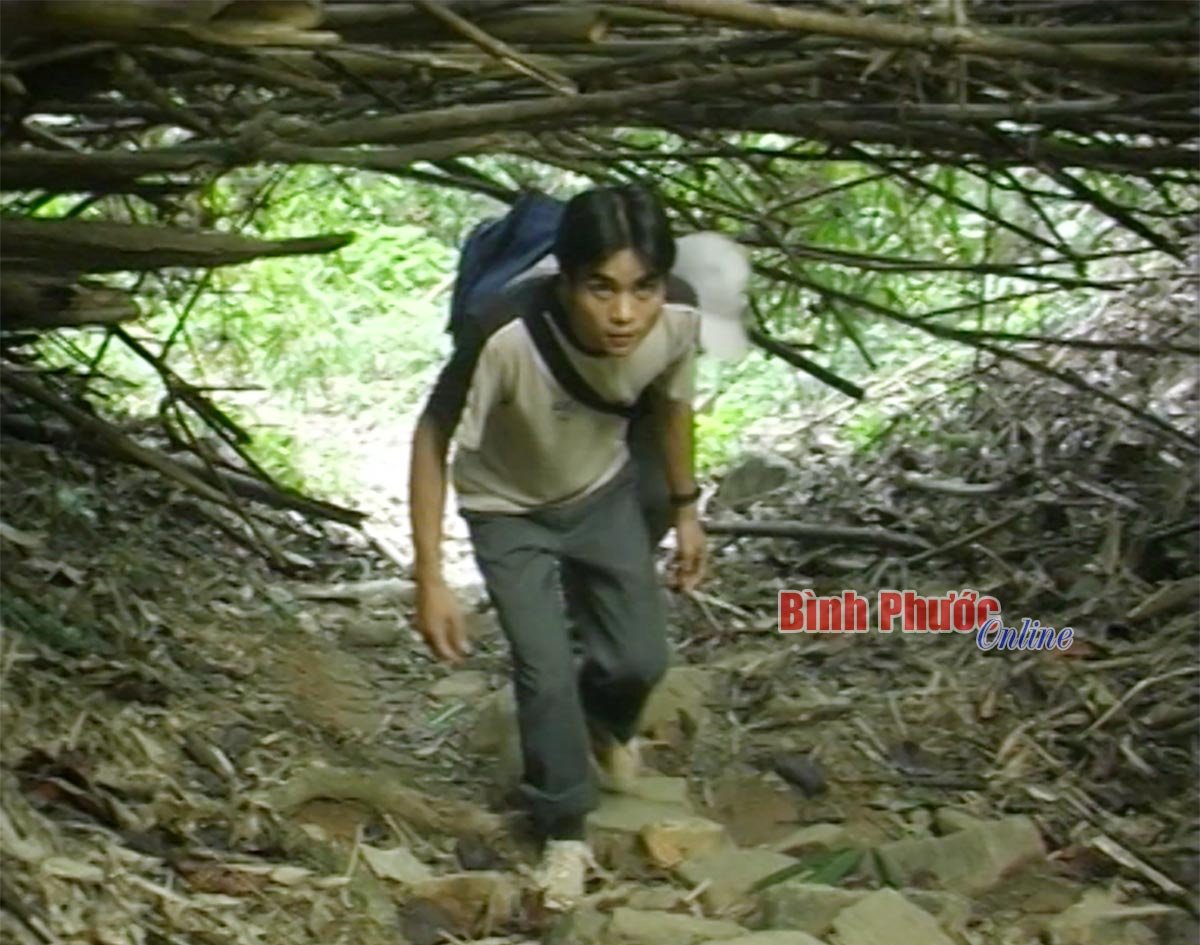
"Competing" with nature and unforeseen events
Having graduated with a Bachelor's degree in Electronics and Telecommunications from Hanoi University of Technology, I eagerly accepted a job at BPTV and was seconded to the Ba Ra relay station, joining the "signal keepers" at this high-altitude location. With my knowledge of waves, frequencies, amplifiers, etc., I was confident and excited to approach the work, but the reality was completely different! The transmission and broadcasting system here is a complex complex consisting of transmitters, antennas, cable transmission systems, modulators, demodulators, and countless other auxiliary devices. Fortunately for me, the "signal keepers" were very supportive of each other; they patiently guided me through every detail to help me get acquainted with the job. "Everything here involves high voltage and electromagnetic waves. A small mistake can have serious consequences, so you must be extremely careful and highly focused when working," reminded Mr. Nam Huu, the former head of the Ba Ra relay station.
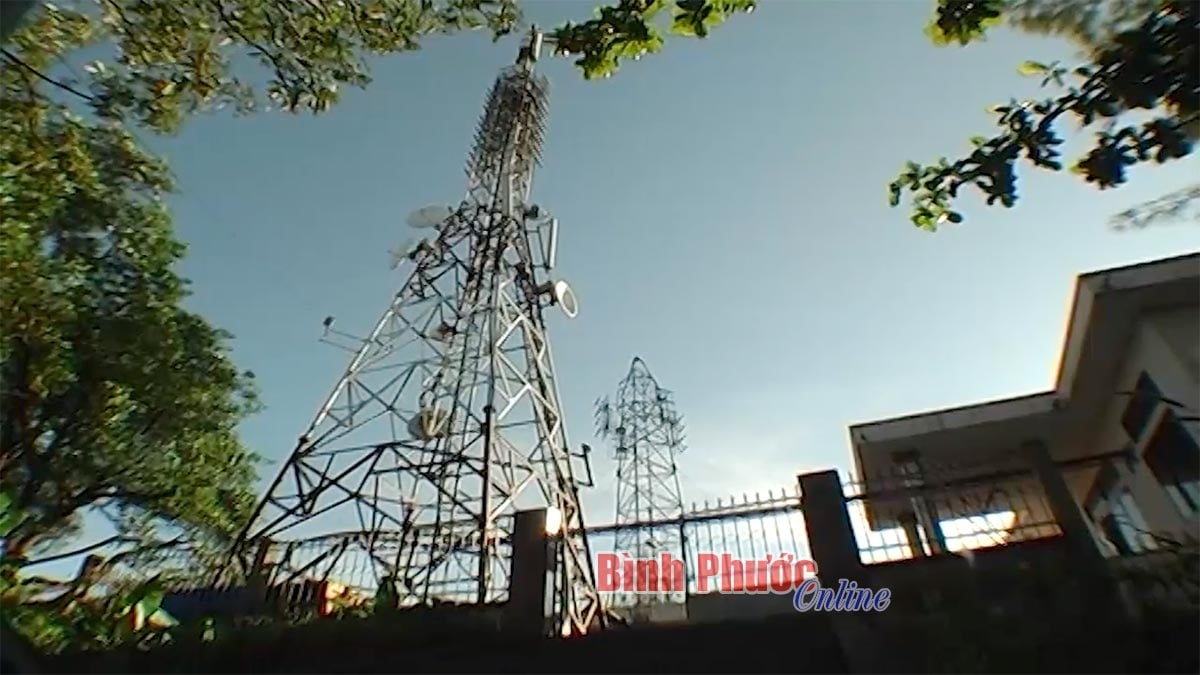
Guarding the antenna array high in the mountains, we must always be prepared to "battle" extreme weather phenomena. During the dry season, wind is our constant companion. Gusty winds can shake the station, creating howling noises through cracks in the doors. During the rainy season, the wind becomes a raging storm, uprooting trees and blowing away corrugated iron roofs if they aren't properly secured. We must constantly check the stability of the antenna mast and guy wires – massive structures directly resisting the wind. A loose guy wire or a weak weld can lead to disaster.
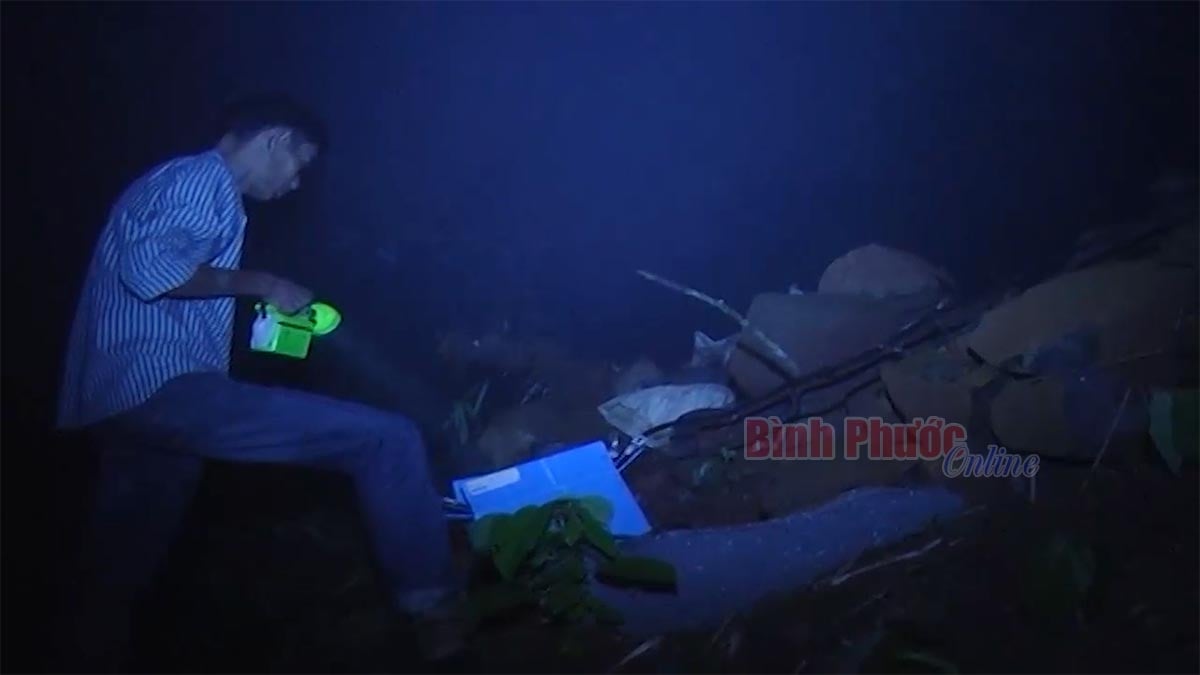
Rain in the high mountains isn't just ordinary raindrops. It's torrential, relentless downpours lasting for days, sometimes even weeks. The high humidity directly affects electronic equipment, causing intermittent signals and interference. We have to equip our facilities with a continuous dehumidification and drying system to protect the machinery. The road to the station becomes muddy and slippery, making the supply of food and materials incredibly difficult. But the most fearsome enemy and the biggest challenge is lightning. The mountaintop is frequently struck by lightning. Every time there's a thunderstorm, we're on the highest alert. Although the station is equipped with a modern lightning protection system, with giant lightning rods and a complex grounding system, the risk is always present.
I vividly remember one summer afternoon when the sun suddenly turned dark, and a storm rolled in. The thunder was deafening, and lightning streaked across the sky as if tearing it apart. Suddenly, the entire power system at the station flickered, then shut off completely. The transmitter went silent. Everyone in the team was terrified. Fortunately, it was only a nearby lightning strike causing a temporary malfunction; the lightning protection system worked effectively, cutting off power to protect the main equipment. We had to quickly switch to the backup power system, check each piece of equipment, and restore the signal. At times like these, even a small malfunction could cause thousands of households to lose radio and television signals, preventing them from watching news or important programs.
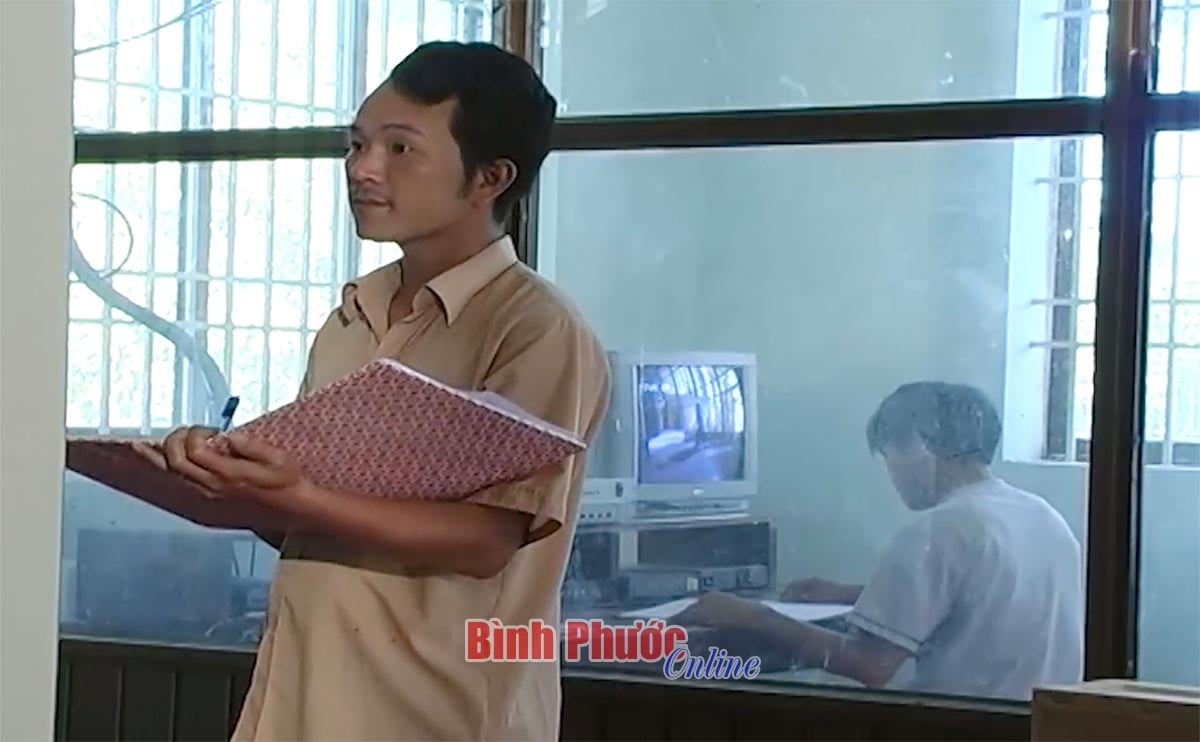
The station operates 24/7, so we have to take turns guarding and nurturing the signal with silent, persistent effort… The night shifts are the most memorable moments for us signal keepers. The entire space on the 723-meter-high mountain is enveloped in silence, with only the low hum of the broadcasting fans and the soft light emanating from the control panels. The main job during the shift is to broadcast programs approved by the editorial board and recorded onto VHS tapes for broadcast according to the approved schedule, and to continuously monitor the broadcast signal. We have screens displaying waveforms, frequency spectra, and specialized measuring equipment. Any abnormality, even a small fluctuation in power, a slight crackling sound, or a blurry streak in the image, must be detected and handled promptly. Some nights, I just sit quietly watching the screen, listening to every sound, feeling every slightest vibration of the system.
Loneliness during night shifts sometimes creeps in, bringing a very unique feeling. It's the feeling of a "broadcast keeper," someone responsible for ensuring that thousands upon thousands of people inside and outside the province can access information and entertainment from the station.
Hard-learned lessons
Broadcasting work isn't always smooth sailing. Sometimes, unexpected incidents occur, requiring us to react quickly and possess solid knowledge.
I remember one evening, during a live music broadcast, the video signal suddenly became severely distorted, and viewers' TV screens were filled with horizontal lines. Immediately, we had to check every single component: from the input signal, the modulator, the transmitter, to the antenna transmission. The pressure was immense, as the program was live and thousands of viewers were watching. After dozens of tense minutes, we discovered a small fault in the signal modulator. A solution was immediately implemented, and we breathed a sigh of relief when the image returned to clarity. This shows just how important thorough preparation and problem-solving skills are during a shift.
On another occasion, during the rainy season, the antenna tower was struck by lightning. Despite having a lightning protection system, part of the equipment was still affected. This was a serious incident, as it directly impacted broadcasting capabilities. We had to work through the night, braving the rain and wind to inspect and repair the damage. Climbing an antenna tower dozens of meters high in harsh weather conditions was a real challenge, requiring courage and absolute caution. Such incidents taught me many lessons. Teamwork and problem-solving skills under high pressure became invaluable experiences. We must always learn and update our knowledge of new technologies, because the field of broadcasting is constantly changing and developing.
Silent pride
The work of a broadcaster is incredibly quiet; while listeners get to hear and see engaging and entertaining programs, few know about us! We don't appear on screen, nor do we ever lend our voices to the radio, but that doesn't matter to us. The mission of us "wave watchers" is to ensure that television and radio signals reach people in remote areas clearly and sharply. Although sometimes difficult, the work of transmitting and broadcasting also brings a lot of joy and meaning. The joy comes when we successfully resolve a problem and restore stable signals. That feeling is like a soldier completing a mission, protecting their "front line."
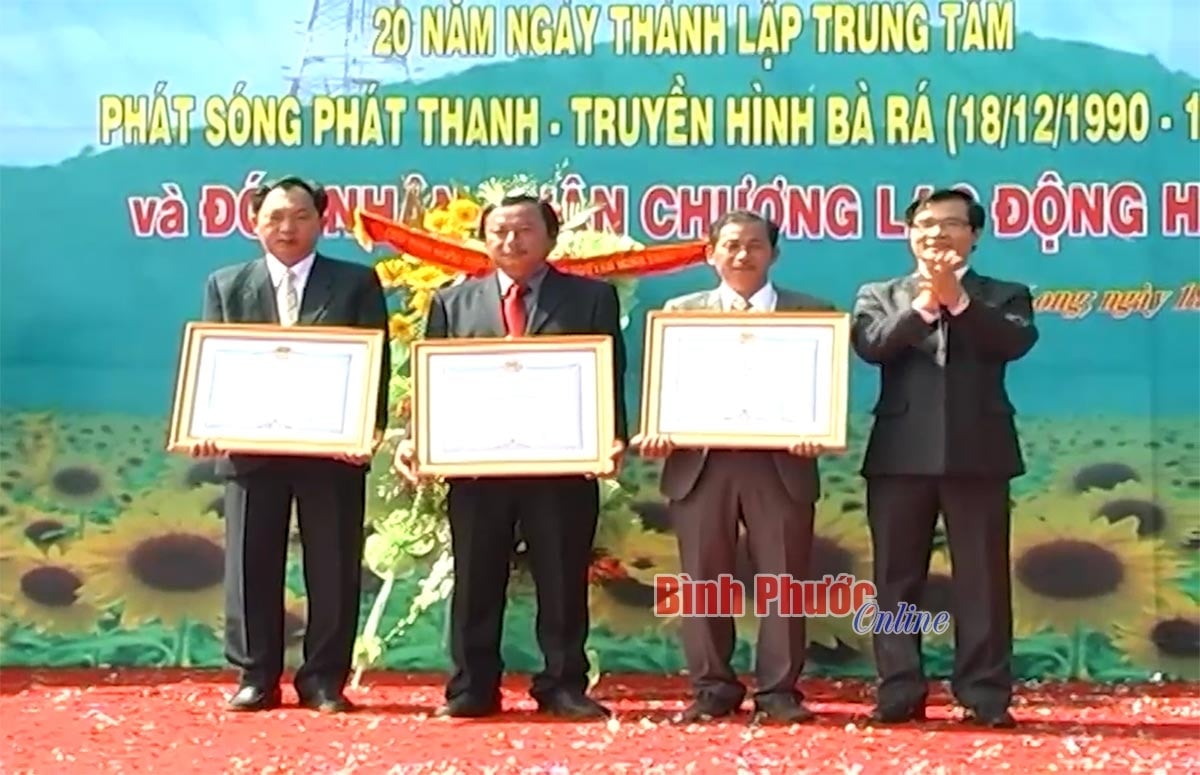
The joy also comes from receiving positive feedback from viewers and listeners. Some people call the station to thank us for the excellent programs and useful information. This shows that our quiet work is truly valuable, contributing to the spiritual life of the community. The joy comes from the fact that maintaining the signal has honed my patience, meticulousness, ability to withstand pressure, and sense of responsibility. Every time I see the "ON AIR" indicator lights on the control panel shining brightly, knowing that the signal is being broadcast stably, we feel an indescribable sense of pride. Although I have left the peak of Ba Ra mountain, the memories of those days battling storms, strong winds, and lightning to maintain the signal will always be a precious part of my life.
Source: https://baobinhphuoc.com.vn/news/636/173991/nang-niu-canh-song
![[Photo] General Secretary To Lam attends the Conference summarizing the work of the election of deputies to the 16th National Assembly](https://vphoto.vietnam.vn/thumb/1200x675/vietnam/resource/IMAGE/2026/03/31/1774952471746_ndo_br_bnd-2315-6970-jpg.webp)


![[Image] Creating urban areas along the Dong Nai River](https://vphoto.vietnam.vn/thumb/1200x675/vietnam/resource/IMAGE/2026/03/31/1774936857389_ndo_br_z7673258220978-0364bf985edfd080118668ad3c015934-resize-5023-jpg.webp)
![[Photo] Da Nang: Exploring the inside of Vietnam's largest "sail" symbol.](https://vphoto.vietnam.vn/thumb/1200x675/vietnam/resource/IMAGE/2026/03/31/1774964764698_ndo_br_anhcau1-jpg.webp)























































Comment (0)