

Slow weight loss is more sustainable, burns calories at rest, and has a better metabolism.
Professional organizations typically recommend losing 0.5-1 kg per week, which is defined as slow weight loss. Rapid weight loss is defined as losing more than one kilogram per week.
One study involved 200 randomly assigned participants who underwent either a rapid weight loss program over 12 weeks or a slower weight loss program over 36 weeks, with the goal of losing 15% of their body weight.
The group losing weight quickly adopted a very low-calorie diet by consuming smoothies, nutrition bars, and broth or soup three times a day. The group losing weight slowly followed the Australian Healthy Eating Guidelines , aiming to eat 500 fewer calories than usual, in addition to one or two meal replacements.
Approximately 50% of those in the slow-loss group and 81% in the fast-loss group lost 12.5% of their body weight during the program. They then followed a maintenance diet for 33 months (2 years and 9 months).
After three years, 76% of those in the slow weight loss group regained their previous weight. This rate was similar to the fast weight loss group. Therefore, regardless of the method used, they still regained the weight.
Another study of 101 postmenopausal women showed that rapid weight loss yielded better results than slow weight loss over three years. However, there are several other weight loss factors to consider, such as changes in body composition and the degree of osteoporosis.
Although some studies show similar levels of weight loss with both methods, slow weight loss yields better results than rapid weight loss in terms of metabolism or the number of calories burned at rest.

Measuring waist circumference to check weight loss effectiveness. Photo: Freepik
There were no differences between the fast and slow weight loss groups in terms of lean body mass or muscle mass loss. However, slow weight loss burned more fat, resulting in a better fat-to-muscle ratio. Slow weight loss also appears to be better for bone density, as rapid weight loss increases the rate of bone loss, putting some people at risk of brittle bones or osteoporosis.
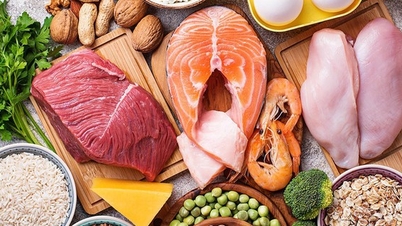
Studies show that it doesn't matter which diet you follow—for example, a moderate or high-protein diet, low or high carbohydrate diet, low or high fat diet. All dieting methods yield similar results.
A similar situation can occur with popular calorie-reduction methods, such as intermittent fasting. Research indicates that such diets are no better than previous options, as our bodies are very good at resisting weight loss.
When trying to lose weight, consider your metabolism. When you lose half your weight, your metabolic rate, or the amount of energy you burn at rest, will be lower.
Maintaining a high resting metabolic rate is essential for weight loss. Research also indicates that slow weight loss helps maintain a resting metabolic rate better than rapid weight loss. Additionally, a weight loss program should include exercise rather than focusing solely on diet.
Next, consider the side effects. While strict diets may yield quick results, studies show that this approach can cause side effects such as a higher risk of gallstones, nutrient deficiencies leading to weakened immunity, fatigue, and decreased bone density. Strictly restrictive diets can also make it difficult for the body to meet its nutritional needs.
The sustainability of weight loss efforts is the next thing to consider. Many diets aimed at rapid weight loss restrict or eliminate foods that are essential for long-term health. For example, carbohydrate-eliminating diets may not be effective, but carbohydrates from whole grains are essential nutrients that aid weight loss and prevent disease.
Long-term weight loss also depends on obesity studies conducted under the supervision of qualified healthcare professionals, and gradual lifestyle changes including diet, exercise, and sleep patterns to form healthy habits for life.
Chile (According to Science Arlert )
Source link


![[Image] Shipbuilders exposed to steel and record-breaking heat.](https://vphoto.vietnam.vn/thumb/1200x675/vietnam/resource/IMAGE/2026/06/04/1780545781745_ndo_br_img-5402-4683-jpg.webp)

























































![[Video] Sunset at Lap An Lagoon – Where the sun sets over the fishing nets](https://vphoto.vietnam.vn/thumb/1200x675/vietnam/resource/IMAGE/2026/05/31/1780192137701_beach-landscape-sea-water-nature-grass-745871-pxhere-com.jpeg)





































Comment (0)