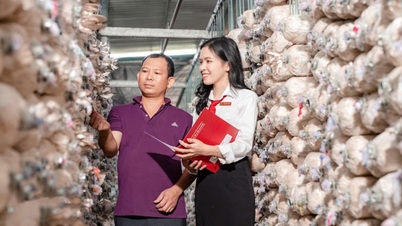
In early May 2026, farmers in Hue City entered the peak season for harvesting the 2025-2026 Winter-Spring rice crop. Many measures were implemented to prevent and address the burning of rice straw, ranging from public awareness campaigns and penalties to the introduction of mechanization in straw processing. In Hoa Chau ward, many straw baling machines operated at full capacity after the rice harvest. In about 10 minutes, a baling machine could process straw from one sao (500 m2) of rice field, helping to quickly collect straw for field cleaning. Each bale of straw weighs 15-20 kg and sells for 13,000-20,000 VND, used as a raw material for mushroom cultivation. One bale can produce 2-3 kg of mushrooms, with an average selling price of 70,000-80,000 VND/kg. Therefore, collecting and baling straw using machines not only helps rice farmers avoid burning straw, but also allows them to sell the straw, thereby increasing income and protecting the environment.
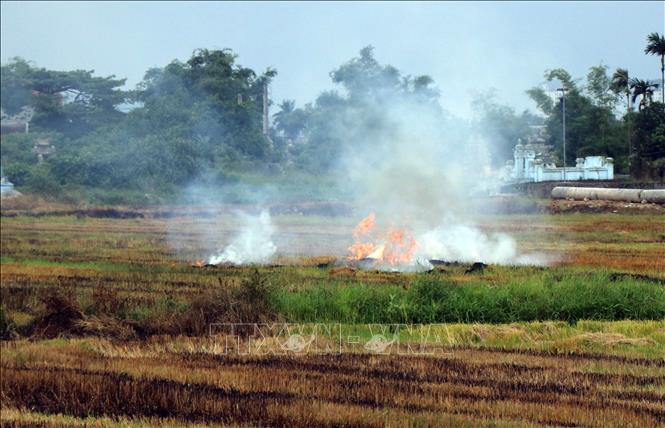
The application of mechanization for collecting and baling rice straw is being widely implemented in rice fields in Hue City. However, in some areas, the burning of rice straw after harvest still occurs. Upon detection, the authorities of the communes and wards directly go to the fields to educate, remind, and immediately stop the burning of rice straw; at the same time, they clearly explain the harmful effects of burning rice straw such as environmental pollution, health impacts, potential fire hazards, and traffic safety risks.
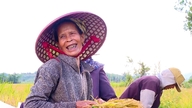

Local authorities also provide guidance on proper straw disposal after harvest, requiring rice farmers to sign commitments not to burn straw. Besides using straw baling machines, post-harvest straw can be collected for composting, used in livestock farming, etc., helping people effectively utilize this byproduct and move towards safe and sustainable agricultural production.
For the 2025-2026 Winter-Spring crop season, Hue City has over 27,500 hectares of rice paddies. Burning rice straw creates large fires and smoke that spread, causing air pollution, affecting public health, and reducing visibility, posing a potential traffic safety hazard.
On April 28th, the People's Committee of Hue City issued a document requesting localities and units to implement comprehensive solutions to control and address the burning of rice straw after harvest. The document emphasized that communes and wards will bear full responsibility if the burning of rice straw occurs without timely prevention and handling. Localities are urged to intensify propaganda efforts, require cooperatives and their members to sign commitments not to burn rice straw after harvest, and simultaneously conduct reviews and hold heads of organizations accountable if violations occur.
Based on the actual situation, localities should deploy permanent forces to inspect and promptly detect and handle cases of straw burning. The Department of Agriculture and Environment should urgently organize inspection teams at the grassroots level. The Department of Interior Affairs should take the lead and coordinate with relevant units to review and propose forms of disciplinary action against local leaders if the burning of straw continues for an extended period, causing public outrage.


Source: https://baotintuc.vn/xa-hoi/ngan-chan-dot-rom-ra-sau-thu-hoach-lua-20260504111716607.htm