

The Party has led our people in the heroic struggle against colonialism and imperialism; resolutely and skillfully using revolutionary violence to counter counter-revolutionary violence; achieving the goals of national independence, national reunification, and advancing the entire country towards socialism. Our Party has correctly and creatively resolved the relationship between revolution and revolutionary war; successfully addressed many fundamental issues concerning revolutionary lines, building revolutionary forces and revolutionary methods, methods of conducting war, and military art. Our Party has fostered the tradition of patriotism and national pride and self-respect, building, consolidating, and developing the unity and solidarity of all Vietnamese ethnic groups.
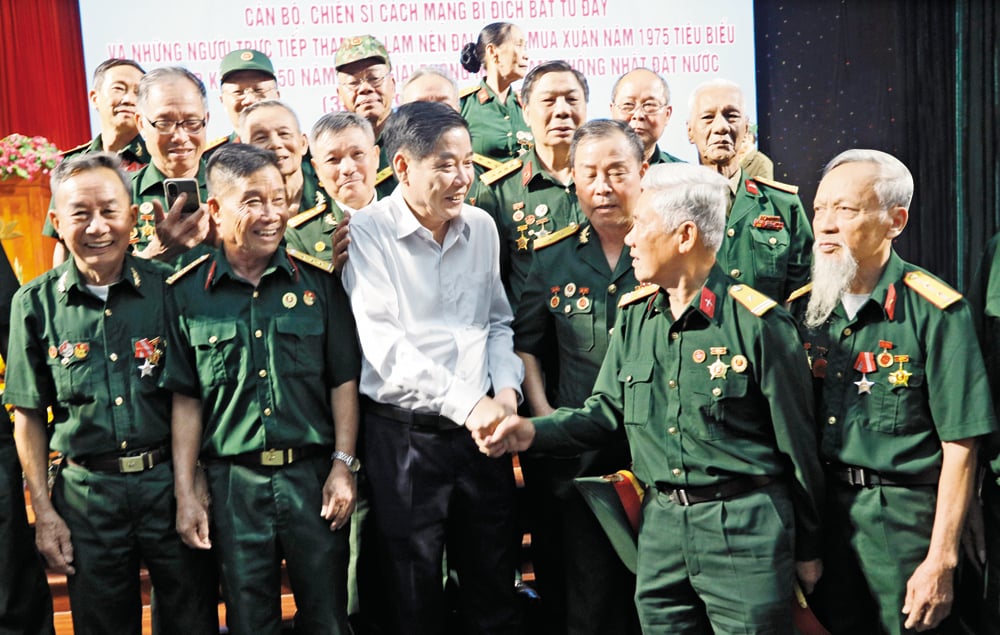 |
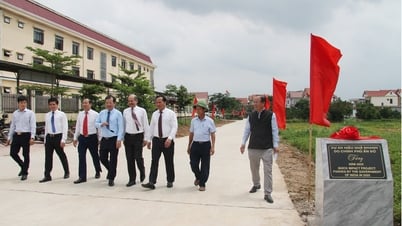
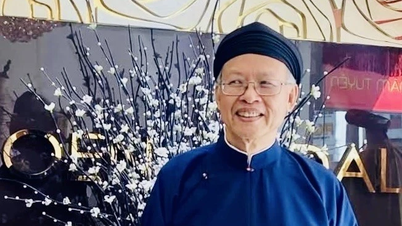
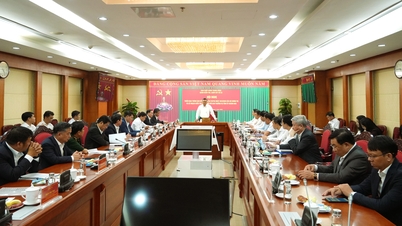
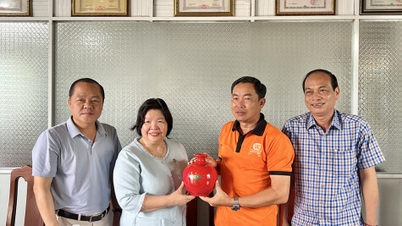
Provincial Party Secretary Nguyen Van Gau converses with and encourages those who have rendered meritorious service. |
Fifty years ago this April, Saigon – the “Pearl of the Far East” – shone brightly. At 11:30 AM on April 30, 1975, the revolutionary flag, carried by the swift advance towards Saigon, fluttered atop the Independence Palace, signaling our complete victory. From this point on, the country was completely independent and free, the land united. From this point on, Saigon became Ho Chi Minh City, embarking on a new chapter, joining the rest of the nation in building a more prosperous and beautiful country.
The great victory of Spring 1975 was a glorious achievement in the cause of resistance against the US and national salvation. Evaluating this great historical event, the Fourth Congress (December 1976) of our Party affirmed: “The victory of the resistance war against the US and national salvation is the combined result of a series of factors that created the invincible strength of the Vietnamese revolution. The source of all these factors is the correct leadership of our Party.” The great lesson of this great victory is that to win, we must achieve victory step by step; we must use creative and correct revolutionary methods, with sharp and flexible strategic leadership art of offensive and uprising.
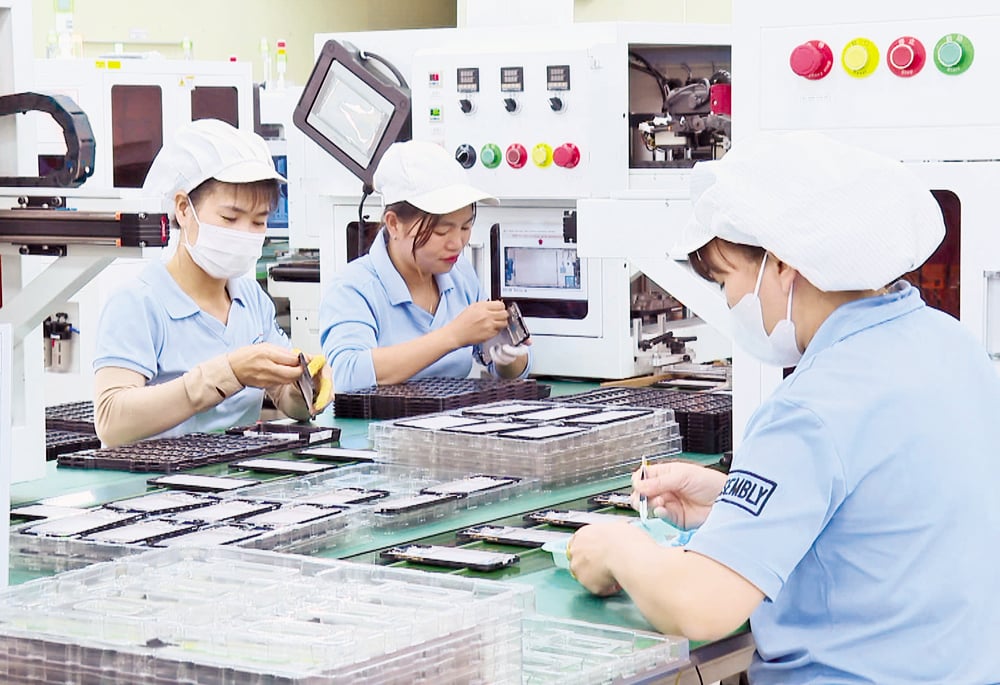 |
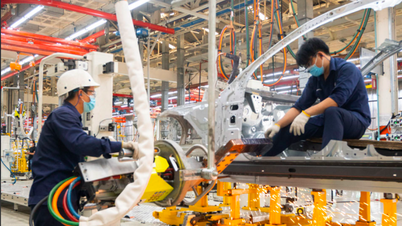
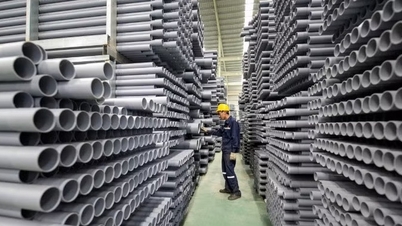
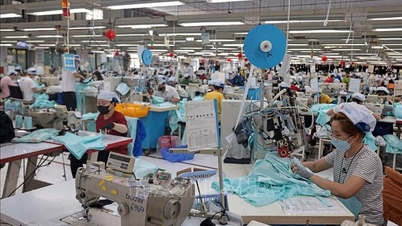
SamKwang Vina Co., Ltd. manufacturing plant, Quang Chau Industrial Park. |
The art of Vietnamese warfare was once described by an American scholar after the historic events of Spring 1975, essentially stating that the greatest American discovery about Vietnam through the war was a discovery about its culture. Historian George C. Herring put it more specifically: "This war could not have been won in any sense at a moral or material cost that the Americans considered acceptable."
| Half a century after the country achieved peace and reunification, we acknowledge that many difficulties and challenges remain, but we have met the conditions to enter a new era, building our country to be "more decent and more beautiful." On this national celebration day, we deeply appreciate the happiness of the people living in peace, harmony, and national reconciliation. |
As time passes, we increasingly recognize the profound significance of this historic and epoch-making victory. This victory not only liberated the South and unified the country but also embodied the burning aspirations of the Vietnamese people: independence, freedom, and unity. It is a culmination of countless sacrifices, bloodshed, and the sacrifices of generations who fell, a testament to the truth that "Nothing is more precious than independence and freedom." This victory affirmed the courage and wisdom of Vietnam in defeating one of the world's most powerful military powers. It convincingly demonstrates that, with unwavering will, unity, and sound strategy, no force can subdue us. The great victory of April 30th strongly encouraged the national liberation movements worldwide, promoting peace and international cooperation.
History turned a new page. A new chapter demanded new thinking and creativity. The poet Tố Hữu, with his profound contemplation, wrote: “We will be a hundred times stronger / Standing guard over the sea and sky, fresh and blue” (Total Victory is Ours). After the war, the country was severely devastated, especially its infrastructure and production. In the South, the centralized, bureaucratic, and subsidized economy caused great disruption. Inflation, food shortages, scarcity of goods, and the lives of the people were extremely difficult. Furthermore, the embargo from the US and the West further depleted the economy.
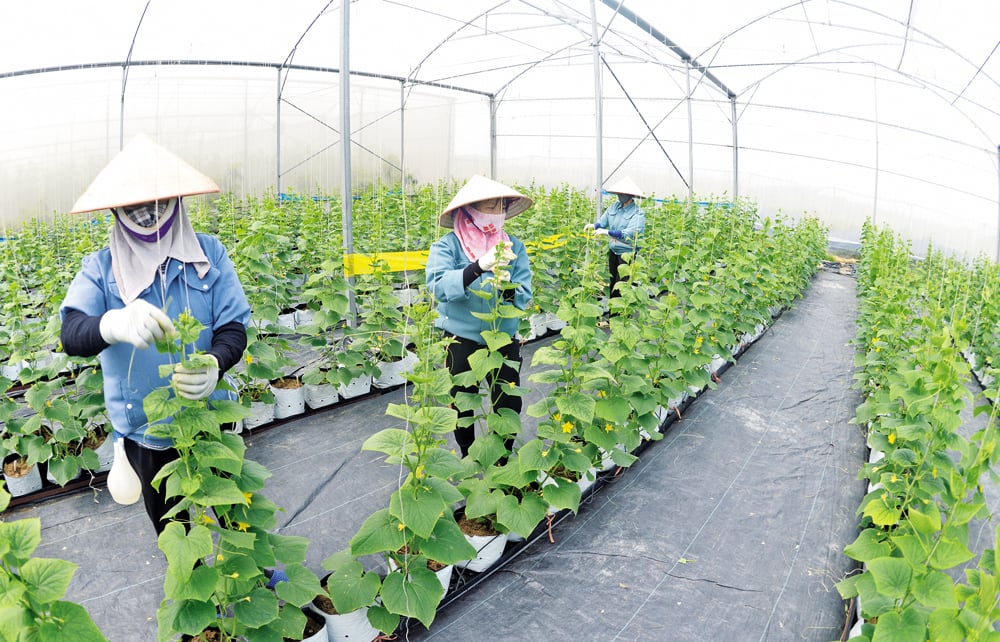 |
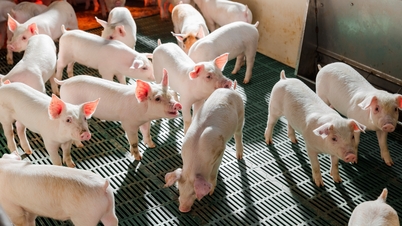
Yen Dung Clean Vegetable Cooperative grows melons in greenhouses. |
Despite the hardships, with a spirit of self-reliance and self-improvement, we have gradually overcome difficulties and proceeded with the restoration and reconstruction of the country. What was bound to happen would happen as an inevitability of history. The Sixth Party Congress (1986) initiated a comprehensive, profound, and thorough reform process. From a centrally planned economy, Vietnam transitioned to a socialist-oriented market economy, creating conditions for the development of production and business.
The achievements of the reform process over the past four decades have created a solid foundation and strength for our country to take off. In the late 1970s and early 1980s, a severe socio-economic crisis occurred, with inflation rates sometimes exceeding 770%, and chronic food shortages. Many specific policies of the Party at that time addressed the issue of how to "solve the food problem" for society. That "fairy tale" still evokes a sense of sadness whenever it is recalled. Along with affirming the achievements made, our Party recognized the severe difficulties in the socio-economic situation: slow production growth, low production and investment efficiency, chaotic distribution and circulation, and large imbalances in the economy that were slow to be narrowed. As an agricultural country in a tropical region with two major rice granaries, the Mekong Delta and the Red River Delta, we still faced year-round food shortages.
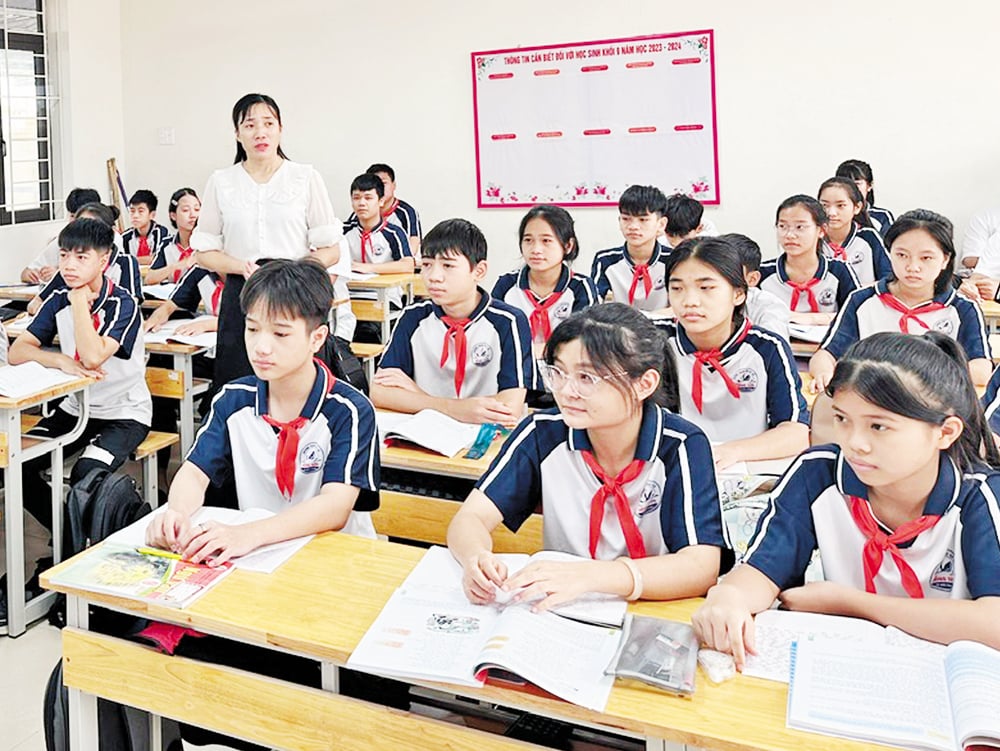 |
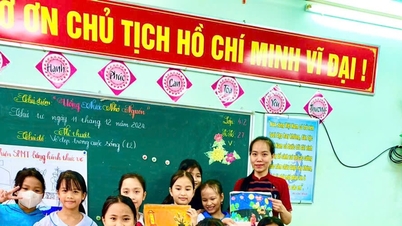
Class time at Dong Son Junior High School (Bac Giang City). |
Then, without any "miracle," time and effort, resilience and intelligence transformed the land into gold. Without the difficulties and challenges of the 1980s, the reform process might not have happened, and Vietnam might not be what it is today. For decades, our country has ensured food security, becoming a rice exporter and exporter of many other agricultural products. Despite many uncertainties in the global economy, Vietnam has maintained stable, strong growth and quickly become one of the most dynamic economies in Southeast Asia. The size of GDP has continuously expanded. Our country has moved out of the group of low-income countries since 2008. Industry has developed quite rapidly, with the proportion of industry and services continuously increasing, currently accounting for about 85% of GDP.
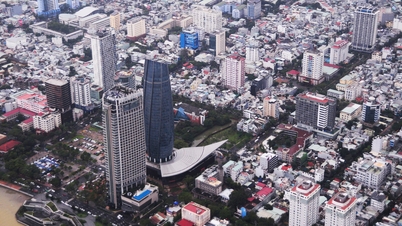
In the national landscape, Ho Chi Minh City, after half a century, proudly boasts rapid development, playing a leading role in the economy. For many years, the city has maintained an impressive "constant": generating approximately one-quarter of the gross domestic product, one-third of industrial output value, and 27% of total budget revenue. In 2024, when the total national budget revenue exceeded 2 trillion VND for the first time, Ho Chi Minh City alone accounted for 502 trillion VND.
To go far, go with friends. Over the years, Vietnam's foreign relations and international integration have continued to expand and achieve many important results. Our potential, position, and prestige in the international arena have been increasingly enhanced. These achievements are even more significant in the context of a rapidly changing, complex, and unpredictable global political and economic situation. Thanks to the implementation of an independent and self-reliant foreign policy, Vietnam has taken shrewd and flexible steps to "break the ice," strengthen political trust, and integrate into the region and the international community. Vietnamese culture permeates and permeates Vietnamese diplomacy.
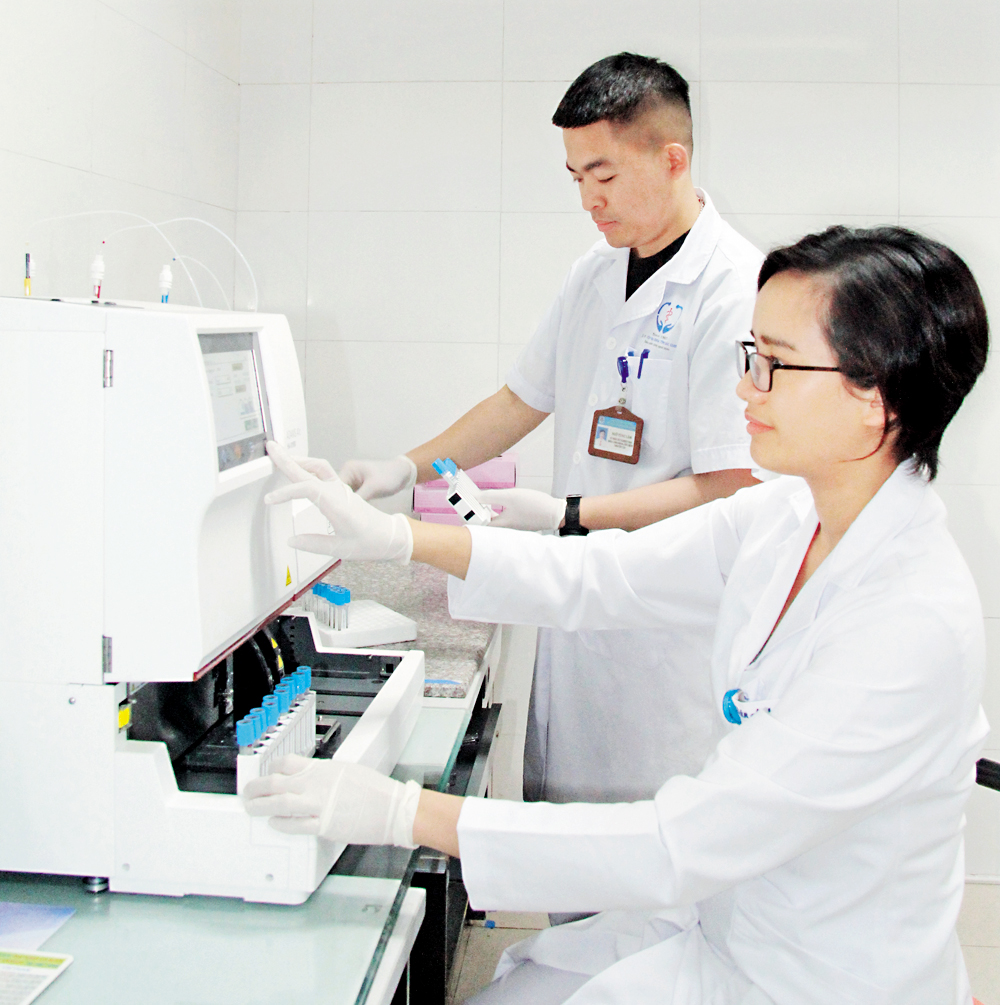 |
The provincial general hospital has a modern laboratory testing system. |
It is the spirit of harmony and benevolence, the essence of peace and tolerance, the subtle, flexible, and adaptable yet steadfast approach based on the principle of "maintaining constancy while adapting to change," all for the benefit of the nation. To date, our country has established official diplomatic relations with 194 countries and territories worldwide, and has comprehensive strategic partnerships with 12 countries, including Indonesia and Singapore, two of the five founding ASEAN nations, which upgraded their comprehensive strategic partnership with Vietnam in March 2025.
Half a century after national peace and reunification, while acknowledging the remaining difficulties and challenges, we have met the conditions to enter a new era, building our country to be "more dignified and more beautiful." On this national celebration day, we deeply appreciate the happiness of the people living in peace, harmony, and national reconciliation. What should each Vietnamese citizen think and do at this historic moment? The draft document for the 14th National Congress of the Party outlines major directions and specific tasks: "Striving to realize the aspiration for national development in the era of national progress."
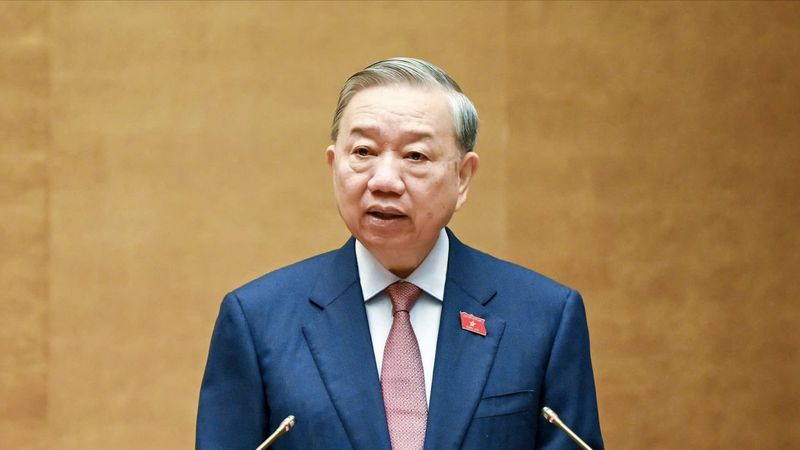
With a broad vision and a wide, open road ahead, even amidst steep mountain passes, our resolve remains firm and our hearts steadfast. Under the glorious banner of the Party, national unity, scientific and technological development, innovation, and digital transformation are the decisive factors in accelerating the progress of nations. As General Secretary To Lam said, this is the "golden key" to helping the country overcome the middle-income trap, avoid the risk of falling behind, and catch up with the times.
Source: https://baobacgiang.vn/ngan-rung-khat-vong-vuon-minh-postid416917.bbg






![[Photo] Prime Minister Pham Minh Chinh receives the Chinese Ambassador to Vietnam](https://vphoto.vietnam.vn/thumb/1200x675/vietnam/resource/IMAGE/2026/04/05/1775397481797_ndo_br_dsc-5512-jpg.webp)
































Comment (0)