One of the strictest laws for the Hmong people is the dress code: a Hmong girl must sew her own dress when she marries, and she must wear her traditional clothing when she dies so that her ancestors can recognize her descendants. It is this simple rule that has allowed the craft of linen weaving to persist in every home and village of the ethnic group to this day.
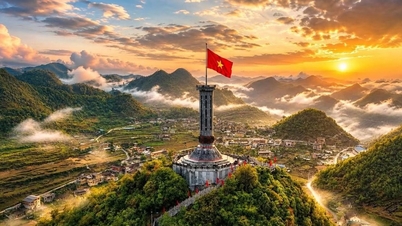
Ha Giang – the rocky plateau – attracts domestic and international tourists not only with its vast fields of buckwheat flowers, winding mountain passes, and charming terraced rice paddies during the harvest season and the shimmering waterfalls during the rainy season, and its majestic mountain ranges, but also with the rich and distinctive traditional culture of its ethnic communities.
For the Hmong people in Lung Tam commune, Quan Ba district, Ha Giang province, linen is a cultural symbol. The people here still preserve the traditional linen weaving craft using natural materials and handcrafted processes.
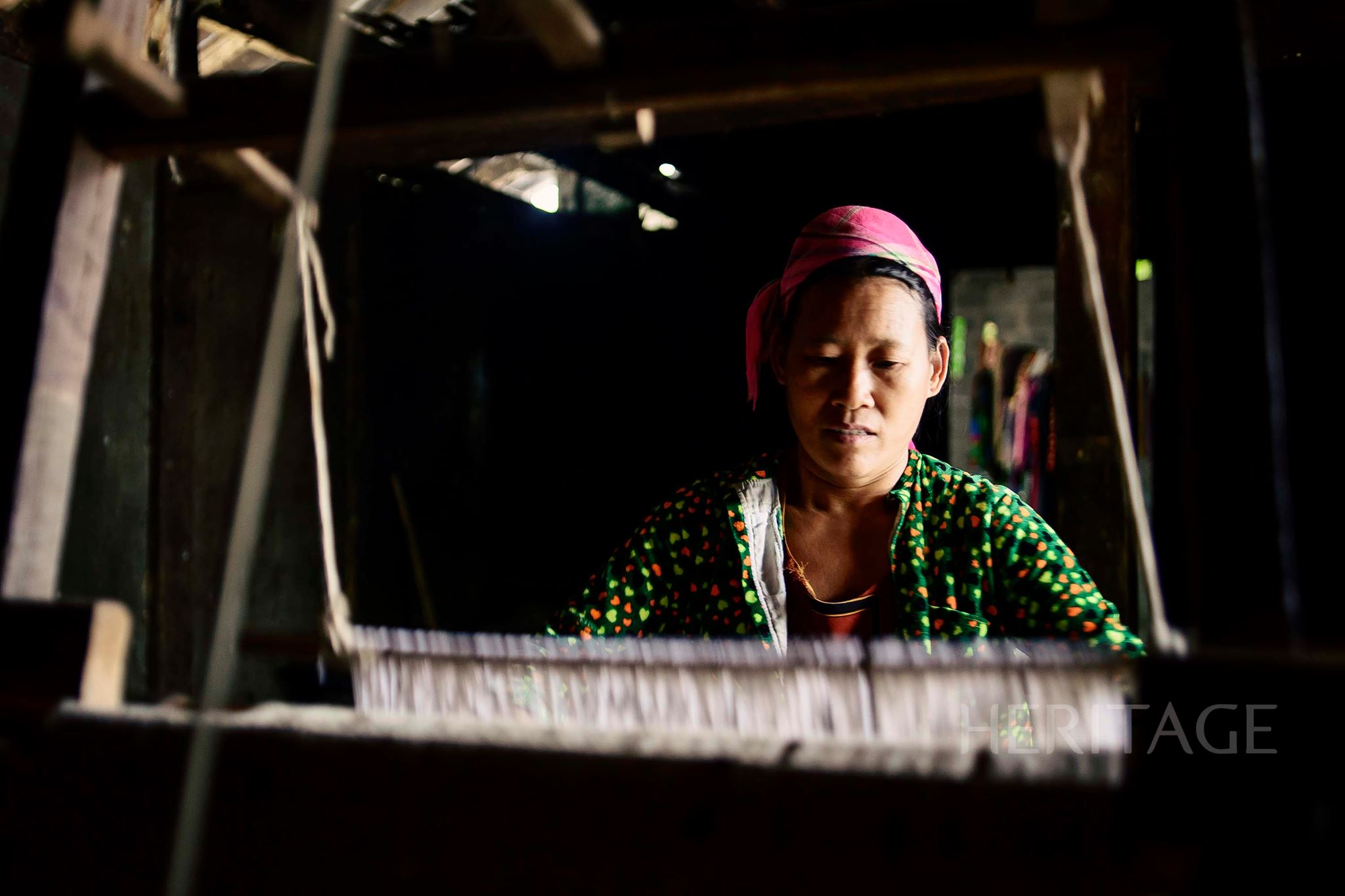
The Hmong people's linen weaving craft holds immense significance for their traditional culture, serving as a vivid testament to their diligence and resilience in overcoming all the hardships and challenges of nature to build an increasingly prosperous life.
According to local elders, when Hmong girls reach adulthood, their families give them land to grow flax. Before getting married, they must know how to weave linen. When they go to their husband's home, the mother-in-law will give the daughter-in-law a linen outfit. The new bride will then give her mother-in-law a linen outfit that she has woven and sewn herself.
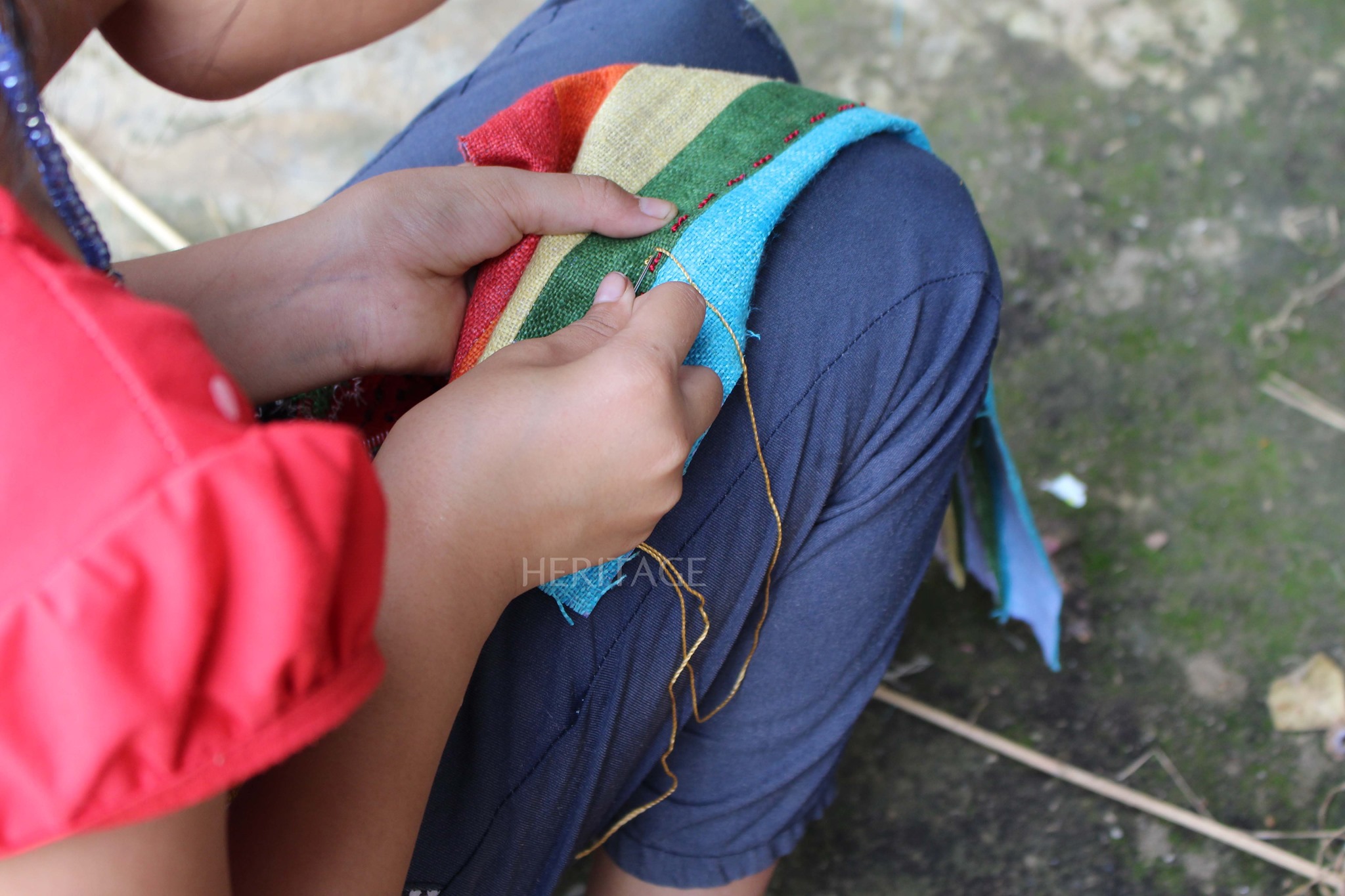


Weaving linen also demonstrates skill and diligence, and has become one of the criteria for evaluating a woman's talent and virtue. The Hmong people believe that linen helps to connect descendants with their ancestors.
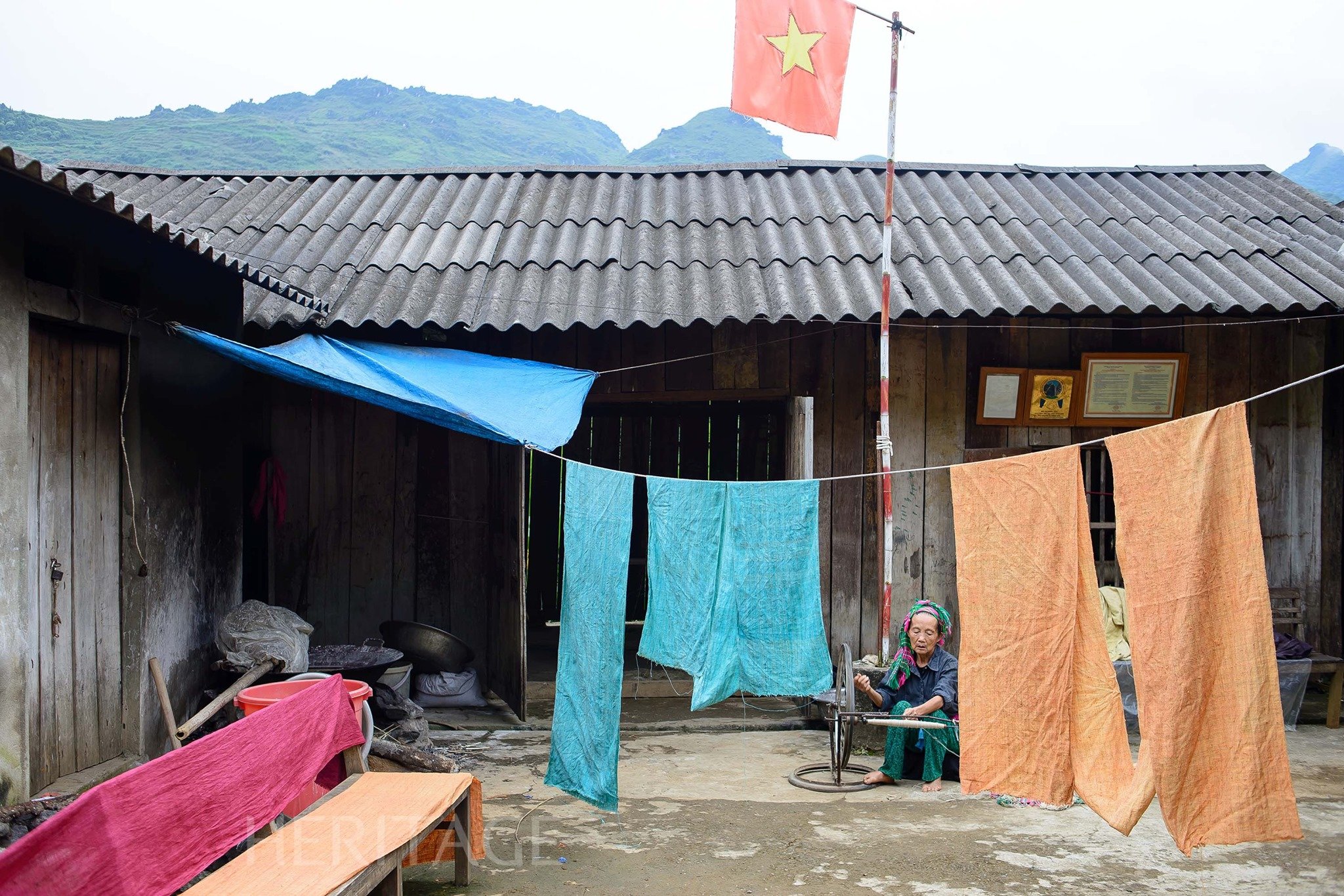
The main raw material for linen weaving is the flax plant. Flax plants are harvested after about two months of cultivation. If harvested early, the flax fibers will be strong. If harvested late, separating the flax fibers will be difficult. The flax fibers must be separated in a place protected from sun and wind to prevent them from sticking tightly to the plant stem.
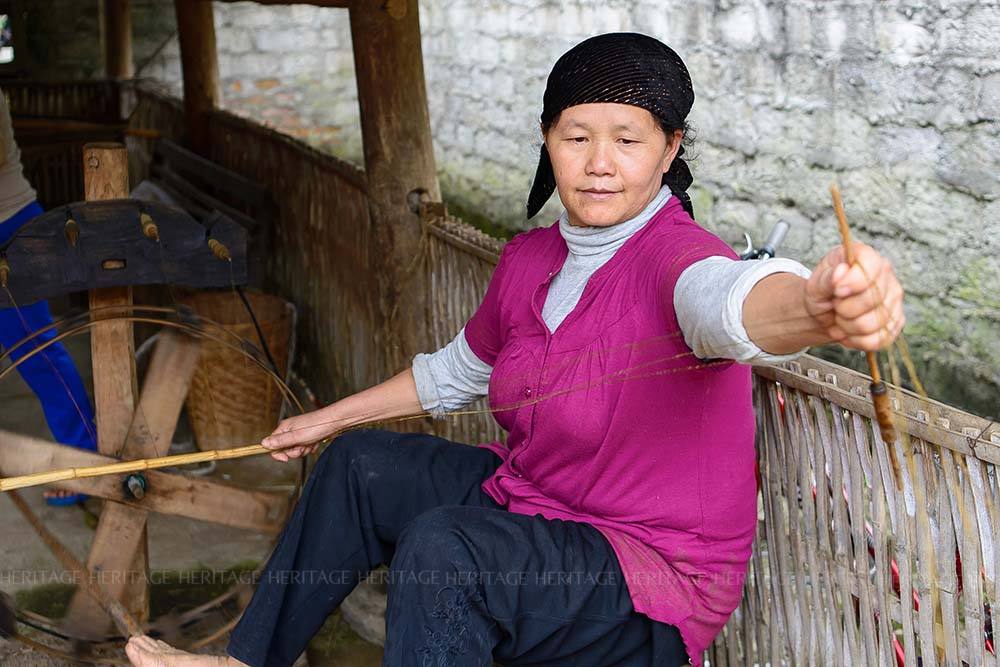
After separating the flax fibers, they are pounded in a mortar until they curl up. Then, the fibers are joined by directly winding them onto hands or wooden sticks, connecting the ends to ends and the roots to roots, ensuring that the joined sections are of equal width. After joining, the flax fibers are soaked in cold water for 15-20 minutes before being spun on a frame.
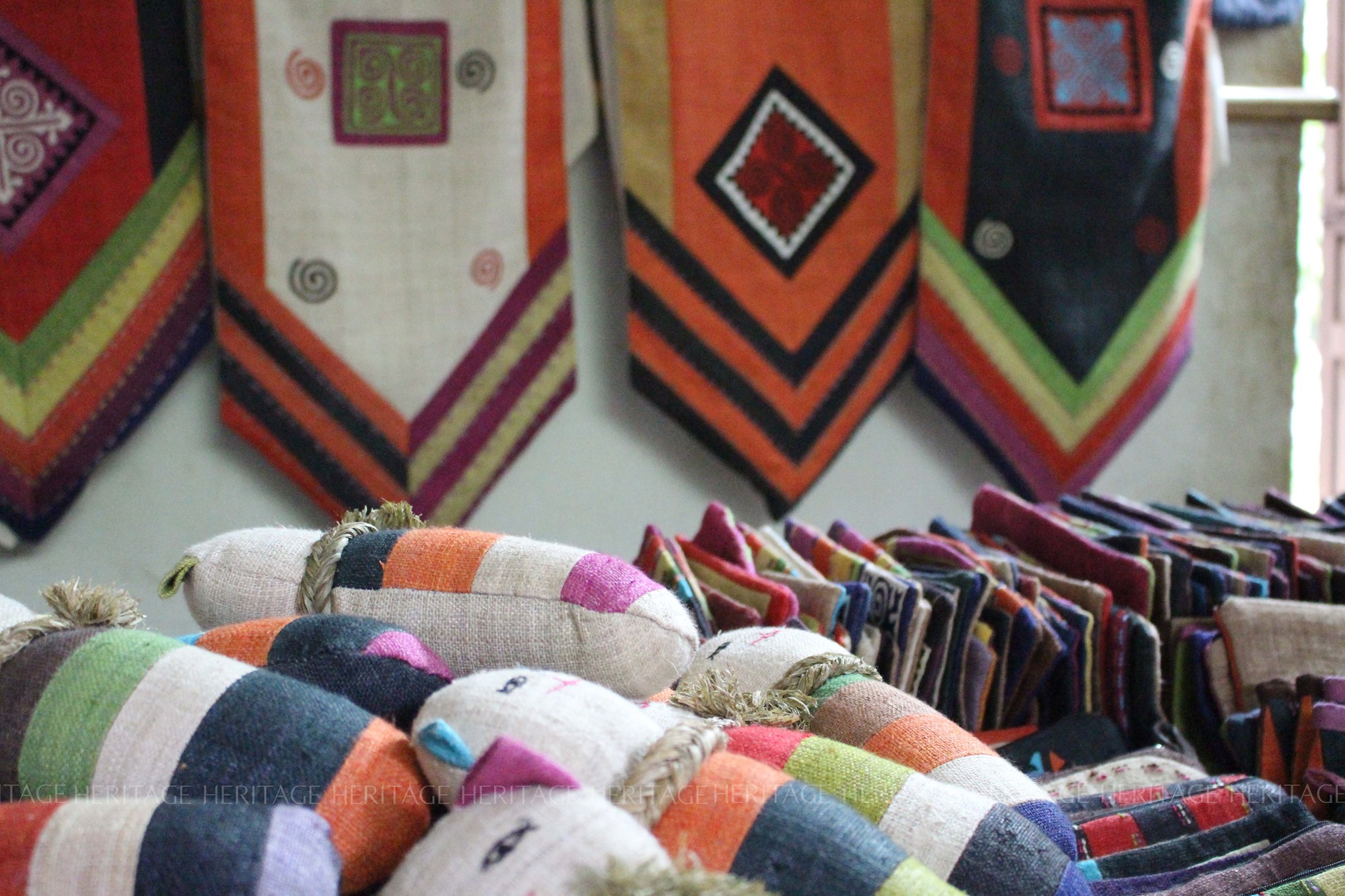
To create beautiful fabric, the craftsman must love their job, be patient and skillful. The flax fibers must be uniform from the very beginning of the stripping process; only then will the woven fabric be durable and beautiful. After stripping, the flax fibers are pounded to soften them, then joined together to create long threads. The Hmong people have also invented a tool for spinning yarn, using both hands and feet to spin four flax threads simultaneously.
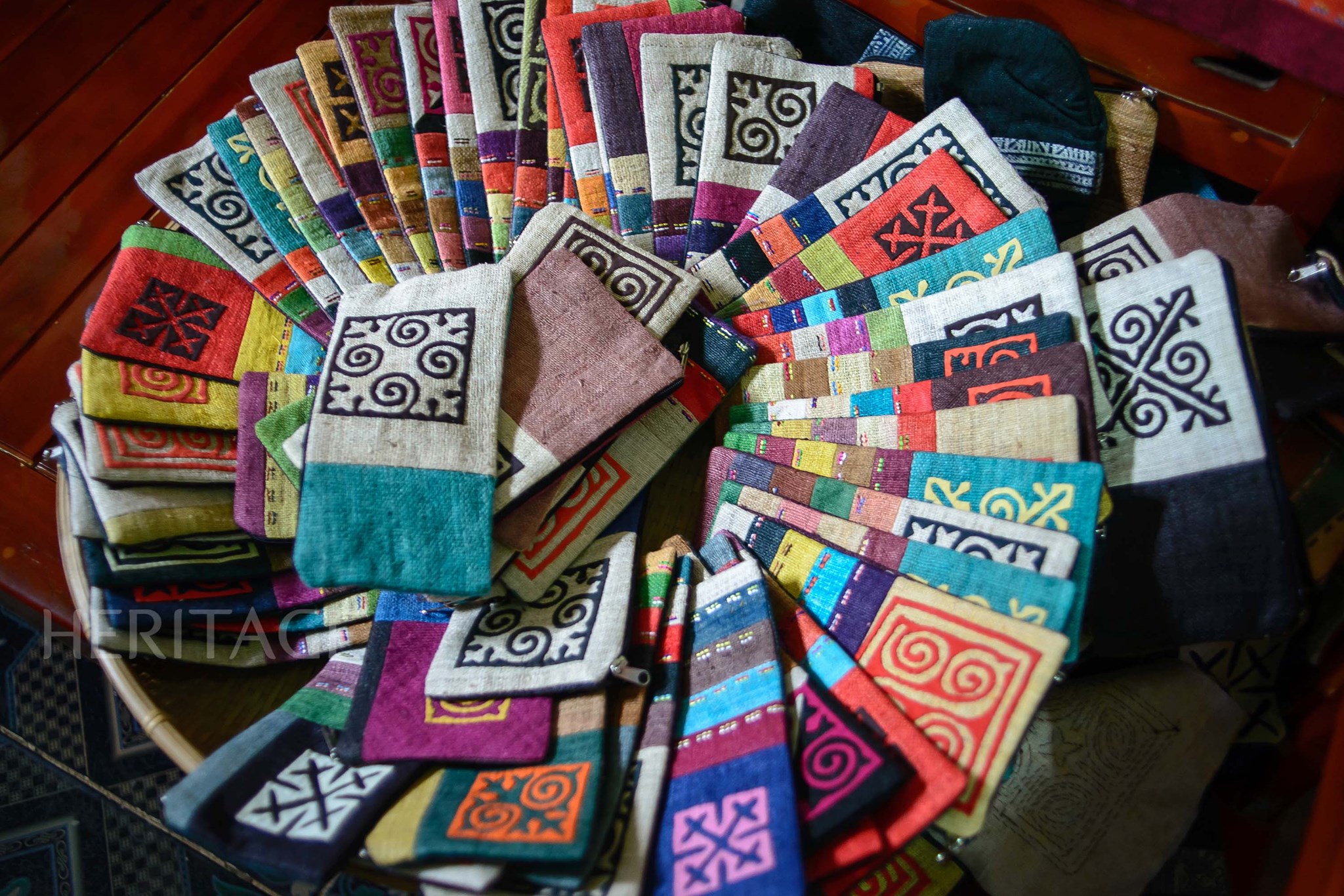
Then, the yarn is fed into a spinning frame to be unraveled and bundled into bunches, then boiled with wood ash, soaked, and washed. This process is repeated until the flax yarn is white, at which point it is dried and placed on a loom for weaving. When placing the yarn on the loom, the weaver accurately counts the number of threads depending on the width of the fabric.



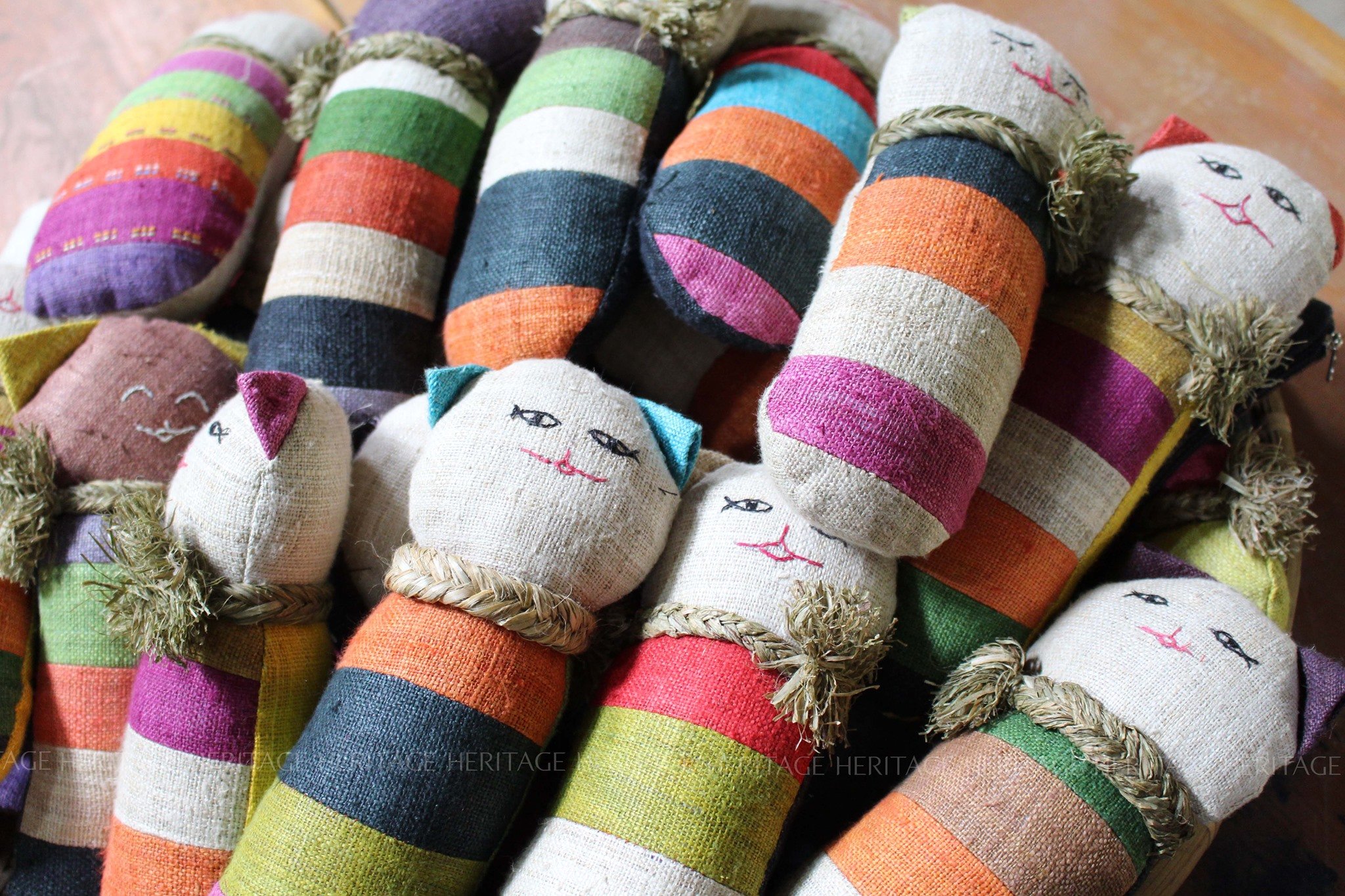
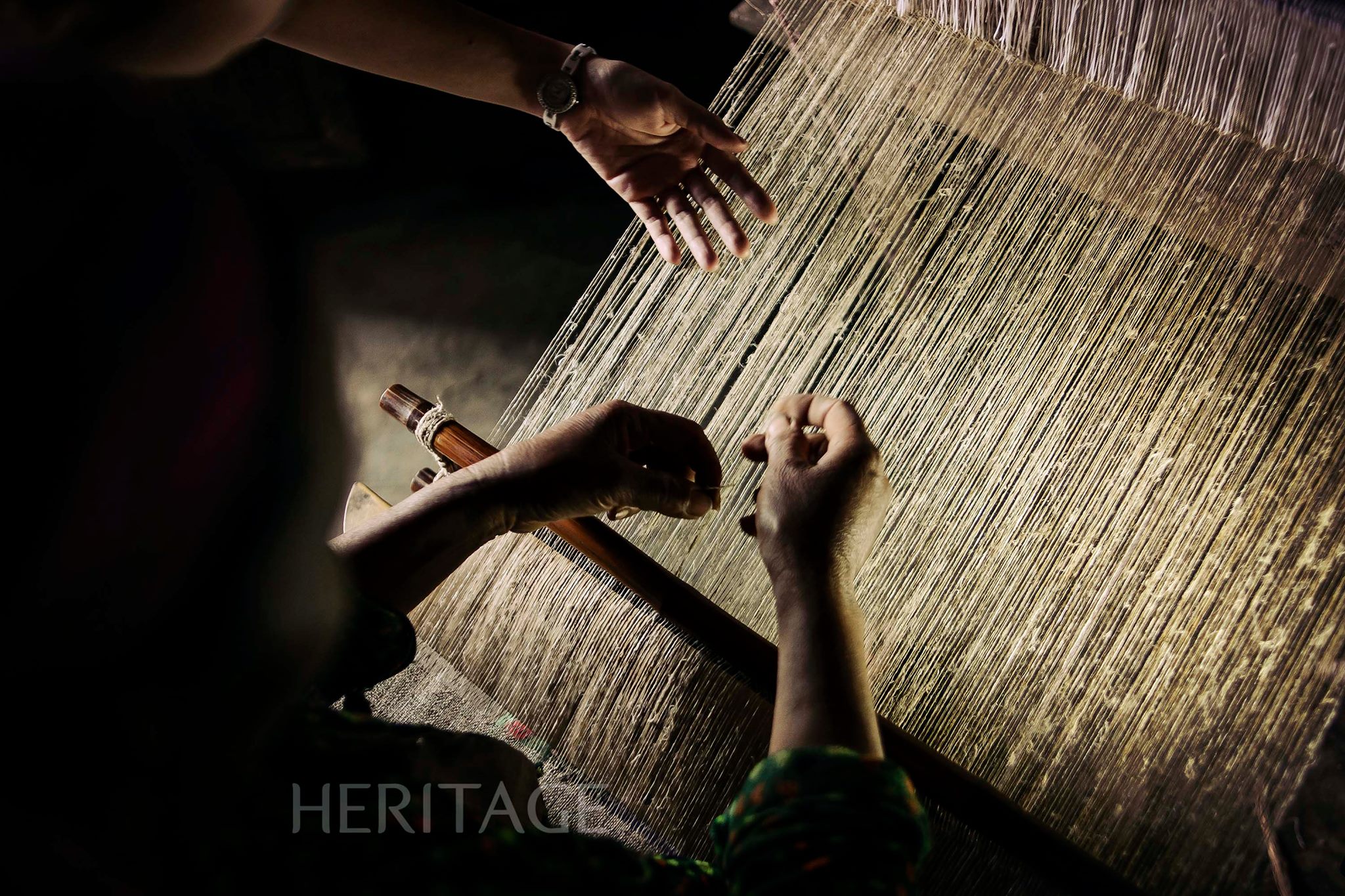
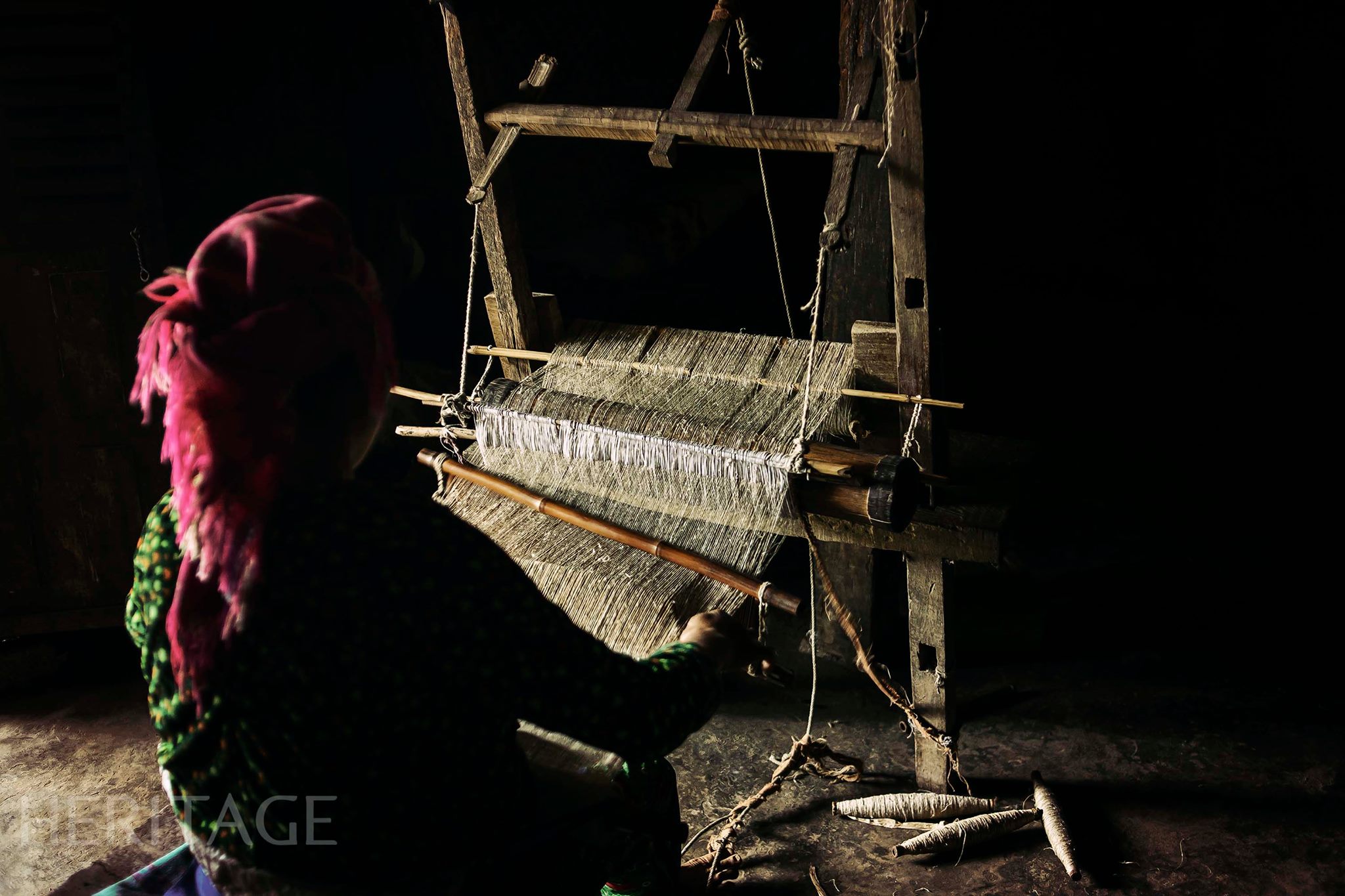
The Hmong people still weave cloth by hand using looms. The weaving process is usually undertaken by elderly artisans with extensive experience, who can handle broken or damaged threads.
The finished fabric is placed between a stone slab and a wooden post. The weaver stands on the stone slab and rolls it back and forth until the entire surface of the fabric is flattened, soft, and smooth. Only then is it soaked in wood ash for a week to whiten it before being dried. A beautiful linen fabric must have even, white, and smooth threads. Linen is durable and absorbent, so it feels cool and comfortable when worn.
Heritage Magazine



![[Image] National conference summarizing one year of operation of the overall organizational model of the political system, the three-tiered government model.](https://vphoto.vietnam.vn/thumb/1200x675/vietnam/resource/IMAGE/2026/07/01/1782882811691_ndo_br_1-jpg.webp)