By observing the food, its presentation, and how it's enjoyed, one can infer the culture, economy, and lifestyle of the person who prepared and consumed it. Besides the common Vietnamese dishes, each province and city in the Southeast region also has many unique dishes, unlike any other, closely linked to the local identity and OCOP (One Commune One Product) program.
Add more unique and delicious dishes.
For a long time, many people have been saying that when visiting Binh Duong, you must try dishes like banh beo bi (steamed rice cakes with pork skin), taro porridge, straw mushrooms, grilled beef on a tile, water hyacinth salad, chicken stewed with chili peppers, and Lai Thieu fruits… When asked, the locals in Binh Duong said, “That’s old news!” and confidently recommended their own amazing dishes such as bun rieu luoi (rice noodle soup with pork tongue), chicken salad with mangosteen, blood soup, and beef hot pot with fermented shrimp paste…
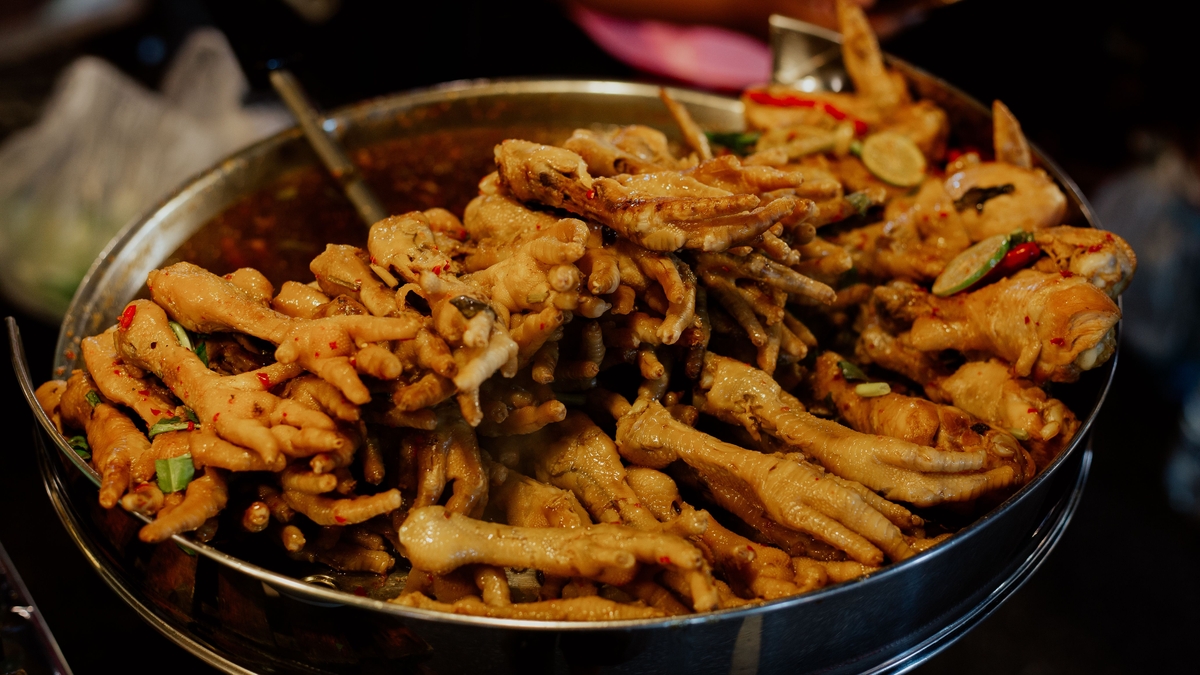
Thanks to media attention, chicken salad with mangosteen has become a culinary sensation, offering valuable lessons. The soup made with fresh, sweet, free-range pig's blood has a unique flavor. Beef dipped in fermented shrimp paste must be from Ben Cat, with the shank being the best. The deliciousness lies in the way the odor is removed, the meat's aroma is brought out, and the seasoning and broth are carefully chosen.
People in Dong Nai are proud of Tan Trieu pomelo, so they have many delicious dishes such as pomelo salads, pomelo sweet soup, pomelo wine, vegetarian pomelo spring rolls; chicken rice with salted fish, Long Khanh clay pot rice, and jackfruit... Recently, Dong Nai has become famous for dishes like steamed chicken with pomelo (free-range chicken), fried crickets with fish sauce, puffed fried sticky rice - chicken grilled over mangrove charcoal, fish from Tri An Lake, steamed fertilized duck eggs with coconut milk, and wild uoi seeds...
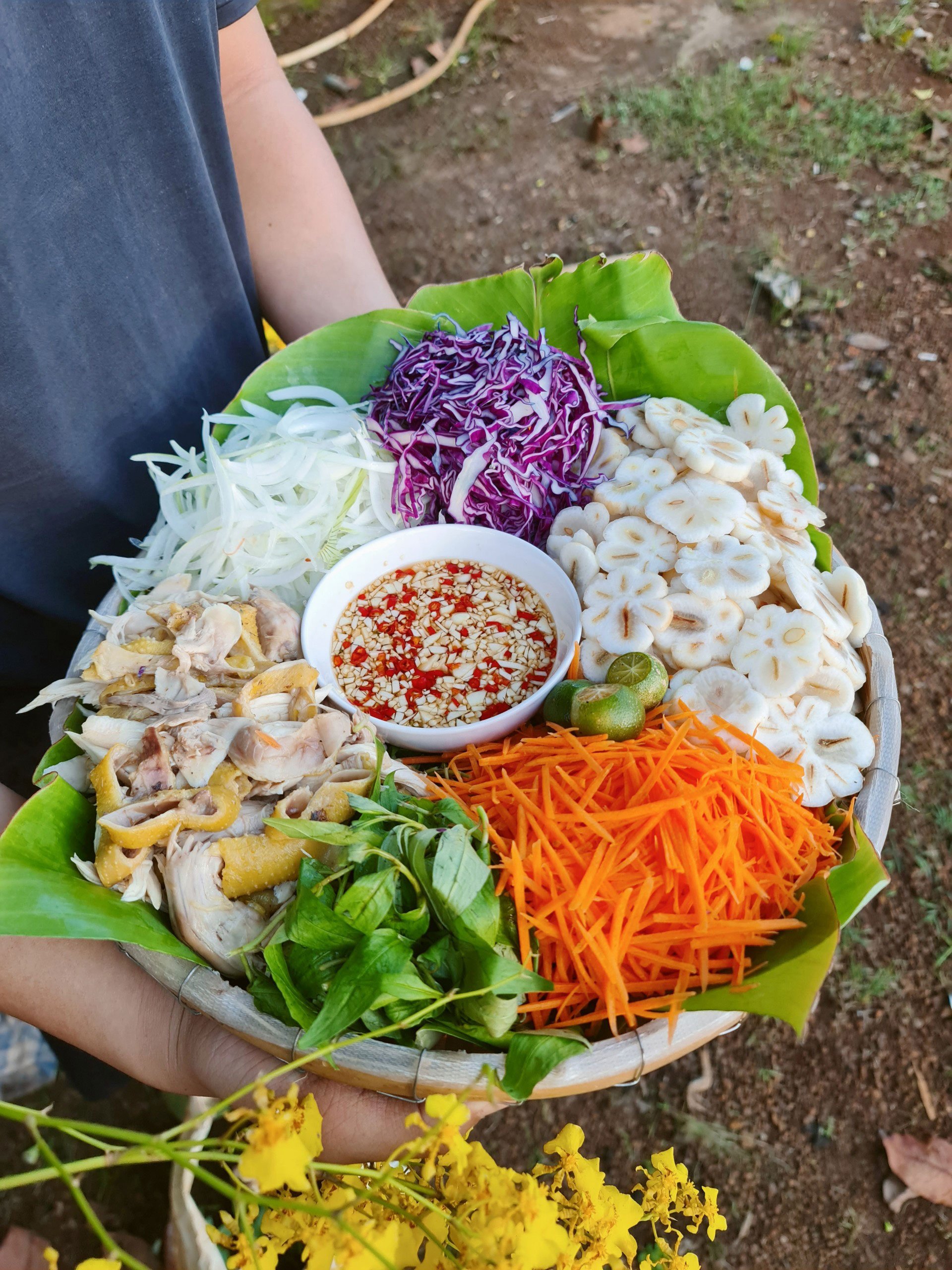
Chicken salad with mangosteen once became a culinary sensation on social media. Photo: XUAN LIEN
Join the fishermen on their boats to catch anchovies and needlefish on Tri An Lake. The fish, freshly caught and still wriggling, are fried until crispy on the spot – an indescribable taste. For the chicken stew with pomelo, it has to be Tan Trieu pomelo and free-range young chicken. The age of the pomelo and the chicken determine the dish's deliciousness, and of course, there are some special cooking secrets involved.
Binh Phuoc is the cashew capital, known for its dishes such as roasted salted cashews, cashew candy, cashew salad (with both kernels and gourd), cashew sticky rice, cashew sweet soup, cashew bamboo rice, free-range pork, cashew soup, grilled rattan shoots, etc. In recent years, Binh Phuoc has introduced many new and delicious dishes such as: chicken stewed with cashews, crispy fried cicadas, snakehead fish noodle soup with water spinach and rattan shoots, wild bitter melon, and dandelion.

"Rau nhíp," also known as "lá bép," was a staple green vegetable for the Trường Sơn soldiers in the past, used as a substitute for MSG or seasoning powder. In soups or hot pots, "lá bép" is sweeter than MSG. Dandelion greens can be used to make tea (fresh or dried), in hot pots, or in soups; they are crispier and sweeter than cabbage, and contain more vitamins. The delicious dishes of Bình Phước are always connected to the forest and the generous Mother Nature.
Tay Ninh is unique with its 3B2M. 3B stands for sun-dried rice paper, Trang Bang rice noodle soup, and young beef. 2M stands for custard apple and shrimp salt. Many new dishes have been created, such as mixed rice paper salad, Tay Ninh pizza, and two-bowl rice noodle soup… In addition, Tay Ninh also offers Hoa Thanh vegetarian rice and Ba Den snail dishes.
Tay Ninh has no coastline, but it's famous for its shrimp salt. Originally made from dried shrimp (dried shrimp mixed with salt), this shrimp salt originated in 1968 as a simple meal for the poor, but it has gradually been upgraded. High-quality shrimp salt must be made manually using coarse salt. Dew-dried rice paper was born from sun-dried rice paper, because a bride, caught up in the festivities, forgot to bring the rice paper inside in the evening. Custard apple trees bear fruit year-round thanks to little girls playing shopkeeper, each day stripping the tree bare of leaves. They splashed water from washing hands and dishes onto the tree, causing it to bud, bloom, and bear fruit out of season – a truly ingenious technical innovation.
Culinary identity in the era of globalization
Located in Vietnam's second-largest fishing ground, Ba Ria - Vung Tau boasts a wealth of delicious culinary delights. Food connoisseurs must try banh khot (miniature savory pancakes), salted duck egg sponge cake, jellyfish noodle soup, scad fish salad, squid with eggs, and pomfret. Con Son - Con Dao is also famous for its conch shells, elephant ear snails, moon crabs, shark salad, and Terminalia catappa nuts... But if you haven't tried crab noodle soup, crab noodle soup, and especially stingray hotpot, you're missing out big time. The stingray hotpot, served with a dipping sauce made from the salty fish sauce and crushed stingray liver, is incredibly delicious.
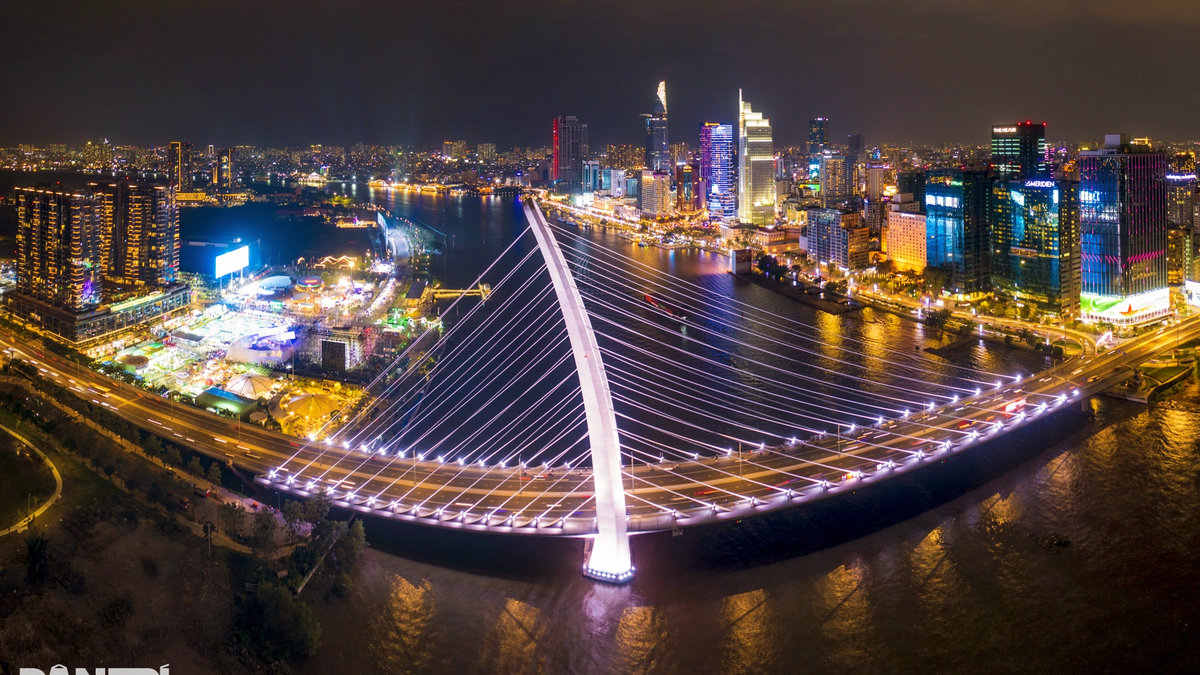
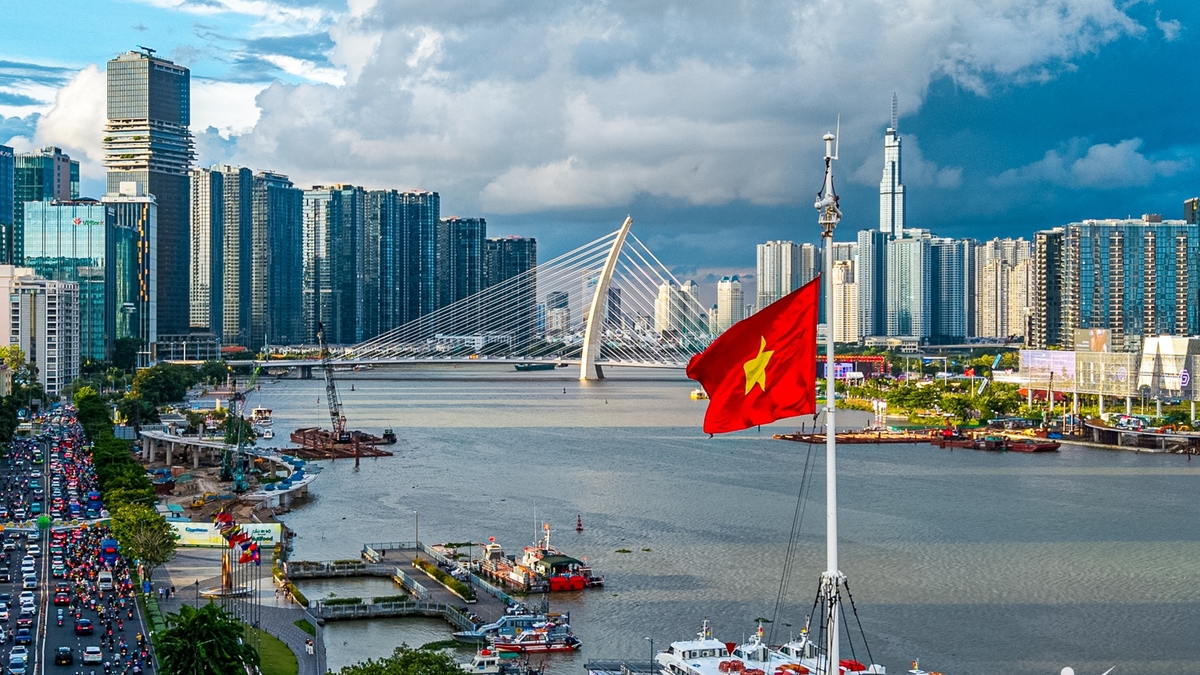
Ho Chi Minh City boasts a wide variety of delicious dishes from all three regions of Vietnam and almost the entire world. From Southern Vietnamese barbecue restaurants and specialties from the North, Central, and Central Highlands regions to exotic dishes from other countries, everything is adapted to local customs.
Many dishes have established their reputation, such as Cu Chi young beef, fish noodle soup, broken rice, fried dough, bread, and streets specializing in snakehead fish hotpot and snail dishes… The once-famous Thu Duc vegetarian spring rolls are being revived along with unusual dishes like bui leaves, red snakehead fish, and brackish water crabs… The variety of sweet soups and pastries in Ho Chi Minh City is also so extensive that no one has been able to compile a complete list.
Vietnamese people believe that "Eating is not just about chewing and swallowing, but also an art of simultaneously using all five senses: sight, touch, smell, hearing, and taste"; especially the space and psychology. Delicious local dishes must be eaten on the spot. Besides freshness and cleanliness, factors such as the soil, water, spices, and especially the chef are crucial. Understanding the ingredients and pouring heart and soul into a distinctive setting gives every delicious dish a soul.


In the context of integration, the cuisine of the Southeast region of Vietnam also needs to "separate the wheat from the chaff," eliminating unhygienic, unsafe dishes that harm the environment and wildlife that are prohibited from being hunted. It is necessary to abandon both the mindset and behavior of "serving food to guests" (which sometimes becomes forcing guests to eat); using separate dipping sauces for each person; and using shared spoons, forks, and chopsticks to serve individual food…
It's a pity that local areas haven't yet capitalized on this, connecting it into unique tourism tours that offer experiences and culinary delights of the Southeast region – a land with countless mouthwatering dishes. Not to mention, many delicious dishes are still hidden among the people, like a gold mine waiting to be exploited.
The delicious dishes of the Southeast region of Vietnam are always associated with expansive natural landscapes, so they require suitable settings, avoiding the confinement of these delicacies within four walls.
Source