

Air pollution has negative consequences for health.
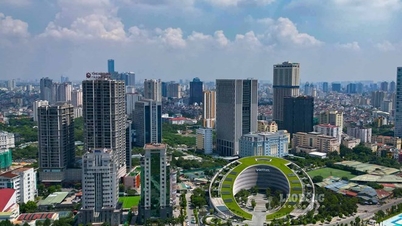
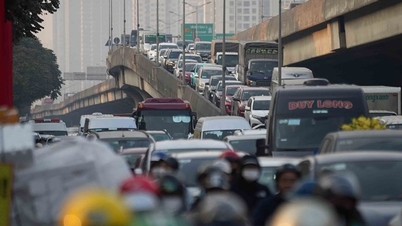
This morning, March 10th, the air quality monitoring application of the Ministry of Agriculture and Environment recorded air quality in the North generally at red and purple levels. Monitoring results at 9 AM, posted on the Hanoi Department of Agriculture and Environment's website, showed that one area had poor air quality: Xuan Mai town (Chuong My district), with an AQI index of 173.
There are 5 areas with poor air quality, including: Van Ha commune (Dong Anh district) with an AQI of 144, An Khanh commune (Hoai Duc district) with 138, Luu Quang Vu street, Trung Hoa ward (Cau Giay district) with 123, Minh Khai ward (Bac Tu Liem district) with 111, and Soc Son town (Soc Son district) with 105. Only area No. 50 Dao Duy Tu (Hoan Kiem district) has average air quality, with an AQI of 93.
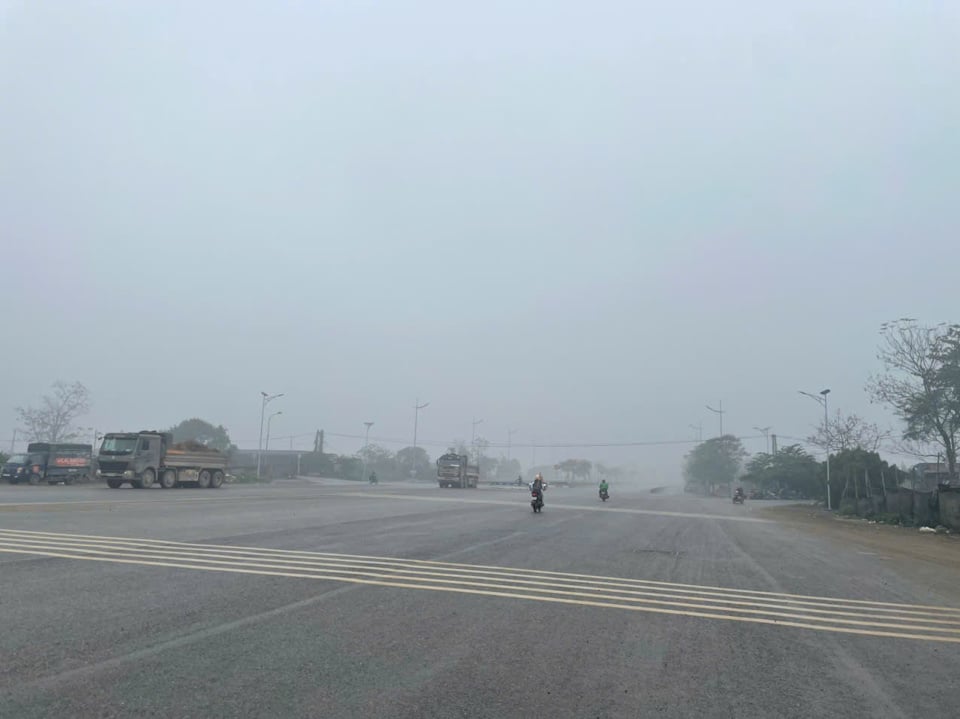
Compared to the previous three days, air quality today has seen an increase in pollution. Proactively monitoring air quality and implementing health protection measures is essential to minimize adverse impacts, especially for vulnerable groups such as children, the elderly, and those with chronic diseases.
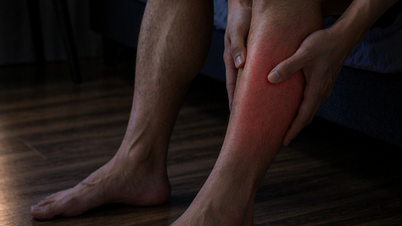
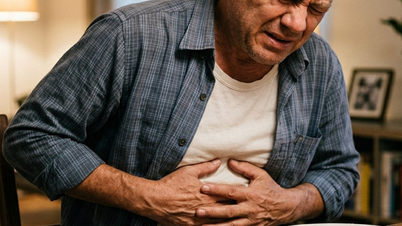
The World Health Organization (WHO) has consistently warned of the health threats posed by environmental pollution. The WHO has indicated that prolonged exposure to air pollutants can increase the risk of acute respiratory infections, chronic obstructive pulmonary disease (COPD), asthma, cardiovascular disease, and stroke. Air pollution can also cause skin damage, eye diseases, and negatively impact the nervous system, immune system, and mental health.
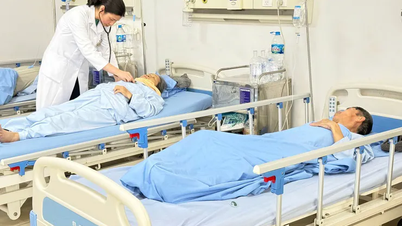
Regarding this issue, Dr. Bui Thu Huong from the Outpatient Department of the Central Lung Hospital stated that during periods of air pollution, the number of patients seeking medical attention increases by approximately 20%. Among these patients, the respiratory system is the first to be affected by air pollution.
"Harmful substances in the air affect the respiratory immune system, weakening its resistance. Especially in cold weather, the low temperatures make it difficult for the body to adapt, causing a reaction. Initially, it may be just coughing, but it can then lead to more serious consequences. This is especially true for people with chronic obstructive pulmonary disease and asthma, as it can easily worsen and trigger acute asthma attacks," warned Dr. Bui Thu Huong.
Health protection measures
Associate Professor Phan Thu Phuong, Director of the Respiratory Center at Bach Mai Hospital, stated that air pollution is silently causing illnesses that are not immediately apparent but will have long-term consequences for human health.
During periods of air pollution, hospitals often receive many patients with respiratory symptoms. This can trigger acute respiratory illnesses, which, upon entering the bloodstream, can affect the nervous system, cause cardiovascular diseases, skin conditions, and eye problems, among other issues.
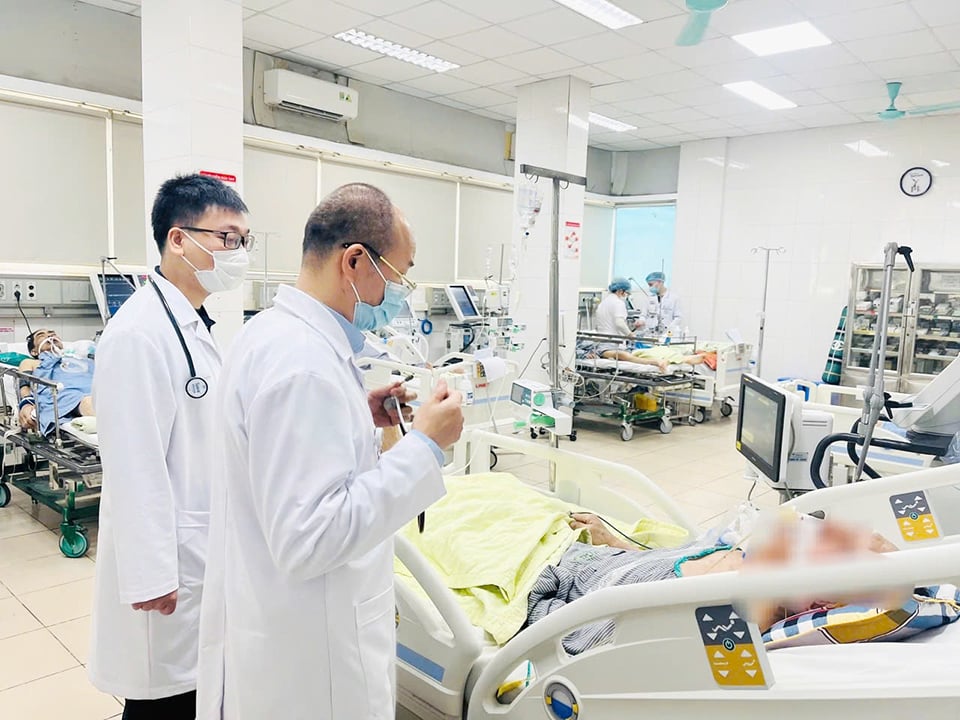
According to Dr. Vu Van Thanh, Head of the Chronic Lung Disease Department at the Central Lung Hospital, in Vietnam, epidemiological surveys of chronic obstructive pulmonary disease (COPD) show that COPD cases account for 4.2% of individuals aged 40 and above.
Patients with COPD often experience acute exacerbations, which are worsening episodes of respiratory symptoms such as coughing, phlegm production, and shortness of breath, commonly caused by infections or air pollution.
Dr. Vu Van Thanh noted that to prevent exacerbations, COPD patients need to keep warm when the weather turns cold; avoid exposure to polluted environments such as cigarette smoke, dust, and toxic chemicals; and maintain good health through exercises that restore lung function such as diaphragmatic breathing, pursed-lip breathing, and walking.
Given the increasing air pollution, Dr. Nguyen Huy Hoang, Head of the Vietnam-Russia Hyperbaric Oxygen Center, Ministry of National Defense , advises that when air quality is poor, people should limit their time outdoors.
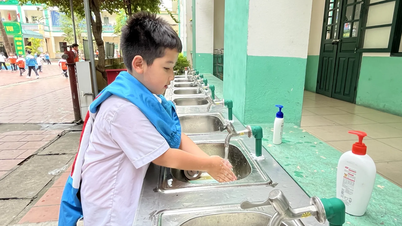
On the other hand, families should use air purifiers at home, at work, in cars, etc.; use saline solution for rinsing the mouth, rinsing the eyes, and rinsing the nose after returning home. In addition, they should increase physical activity according to their physical condition, engaging in gentle exercise indoors or outdoors when air quality is not too bad.
Health experts also advise people to regularly wear face masks and eye protection when traveling or in environments with a lot of smoke and dust; limit travel through areas with a lot of industrial smoke, and pay attention to protecting their health in these specific polluted conditions.
In addition, people focus on eating a balanced diet, with foods rich in antioxidants and fermented foods (natto, kombucha, kefir yogurt, etc.).
The Department of Disease Prevention, Ministry of Health, advises people to avoid exercising outdoors, close windows to avoid polluted outside air, wear masks when going outside, and use air purifiers.
In addition, families should increase cleaning and ventilation of their living spaces, use face masks and eye protection when cleaning if the air is polluted; limit the use of honeycomb charcoal and wood stoves; and replace them with electric, induction, or gas stoves to reduce pollutant emissions. Furthermore, everyone should have regular health checkups to detect diseases related to air pollution in a timely manner.
Source: https://kinhtedothi.vn/ha-noi-gia-tang-o-nhiem-khong-khi-nguoi-dan-chu-dong-phong-benh.html
![[Photo] Prime Minister Pham Minh Chinh receives the Chinese Ambassador to Vietnam](https://vphoto.vietnam.vn/thumb/1200x675/vietnam/resource/IMAGE/2026/04/05/1775397481797_ndo_br_dsc-5512-jpg.webp)























































































Comment (0)