

A new banking malware variant called Perseus is causing particular concern within the cybersecurity community as it directly targets Android users. Not only does it steal passwords, but this malware can also take control of devices and carry out unauthorized transactions, directly threatening users' financial accounts.
Sophisticated disguise, stealing information using "fake screens"
Perseus is often distributed as attractive applications such as free movie streaming, IPTV, or APK files outside of official app stores. After installation, the application requests deep system access permissions, especially Accessibility permissions.
Once it has the necessary privileges, the malware can:
- Monitor all actions performed on the phone.
- Record keyboard input.
- Read data from the screen and in notes.
The most dangerous technique is "overlay" – creating a fake interface layer:
- When a user opens their banking app, a fake login screen will appear.
- The entered information is sent to the hacker's server.
- The account could be compromised shortly afterwards.
In just a few minutes, hackers can log in and make money transfers without the user even realizing it.
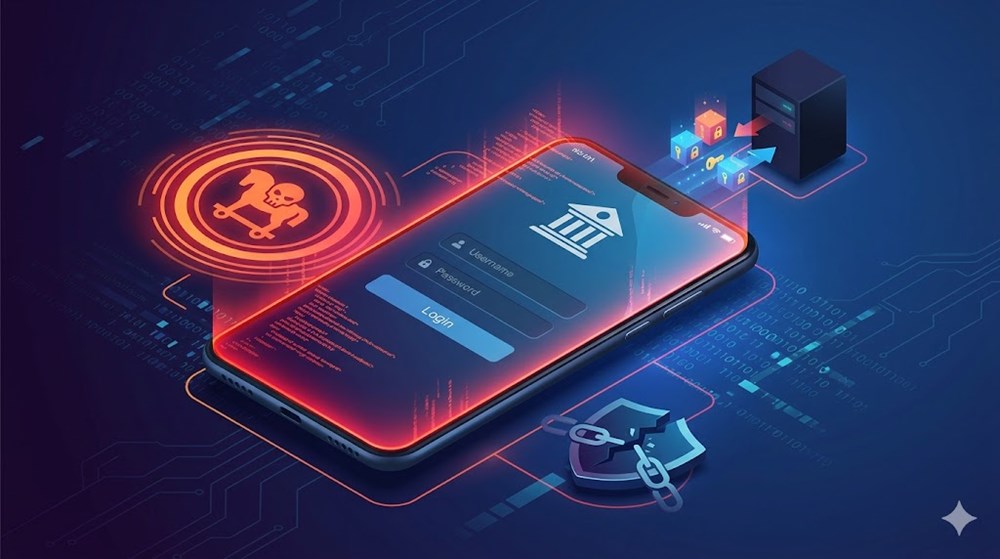
The risk of spreading is high, and Android users need to be especially vigilant.
The threat from Perseus is even more serious as many Android devices no longer receive security updates. This allows malware to exploit old vulnerabilities.
Here are some signs that your device may be infected with malware:
- A strange app with an unrecognizable name has appeared.
- Automatically enable Accessibility or administrator privileges.
- The screen displays an unusual message when opening the banking app.
- The phone is getting hot, and the battery is draining unusually fast.
Experts warn that Android malware is becoming increasingly sophisticated, combining multiple techniques to evade detection and enhance its attack capabilities.
How to protect yourself from Perseus malware
To minimize risks, Android users should:
- Only install apps from the official store.
- Never grant Accessibility permissions to apps from unknown sources.
- Do not download APK files from unfamiliar websites.
- Enable two-factor authentication for important accounts.
- Regularly update your operating system.
Additionally, you should avoid saving passwords in notes or unsecured applications, as this data is easily exploited.
Perseus serves as a clear warning about the increasing danger of malware on Android. Beyond simply stealing information, this type of malware can take complete control of a device and financial accounts.
In the context of increasingly sophisticated attacks, users need to proactively protect their devices. A careless action when installing an app or granting permissions can result in all data and money in the account being stolen in an instant.

Source: https://baovanhoa.vn/nhip-song-so/nguoi-dung-android-doi-mat-ma-doc-moi-cuc-nguy-hiem-214775.html


![[Image] 500 regional dishes introduced to the people of Ho Chi Minh City and tourists.](https://vphoto.vietnam.vn/thumb/1200x675/vietnam/resource/IMAGE/2026/03/27/1774576163392_001-jpg.webp)





























































































Comment (0)