

Mr. Ho Van Mia said that his family has six children, three of whom had to be hospitalized after eating fermented stream fish. This is a traditional way of preparing fish that the local people have been using for many years. After catching the stream fish, they are cleaned, salted, mixed with rice, and then put into jars to ferment naturally. After about a week, when the fish is soft and sour, they are taken out, mixed with chili and MSG, and eaten with rice.
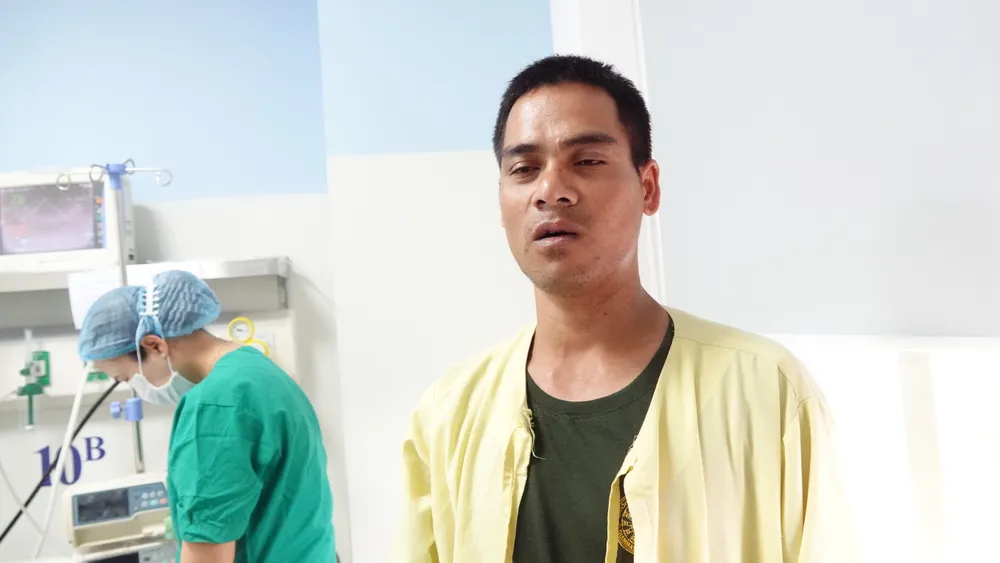
According to Mr. Mia, on the morning the incident occurred, his wife took fermented fish, pounded it with chili and MSG, and mixed it with rice for the children to eat. There were 4-5 people in the house eating, but only 3 young children showed symptoms.
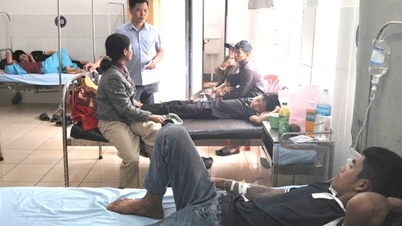
The following morning, upon seeing the children vomiting and feeling weak, the family immediately took them to a medical facility in Phuoc Son area and then transferred them to a higher-level hospital for treatment.
Dr. Tran Dinh Vinh, Director of Da Nang Obstetrics and Pediatrics Hospital, said that as soon as the hospital received information about three children suspected of food poisoning from eating fermented fish, it proactively prepared a plan for admission and treatment. One patient is being treated at the General Hospital of the Northern mountainous region of Quang Nam, while the other two patients have been transferred to Da Nang Obstetrics and Pediatrics Hospital for specialized treatment.
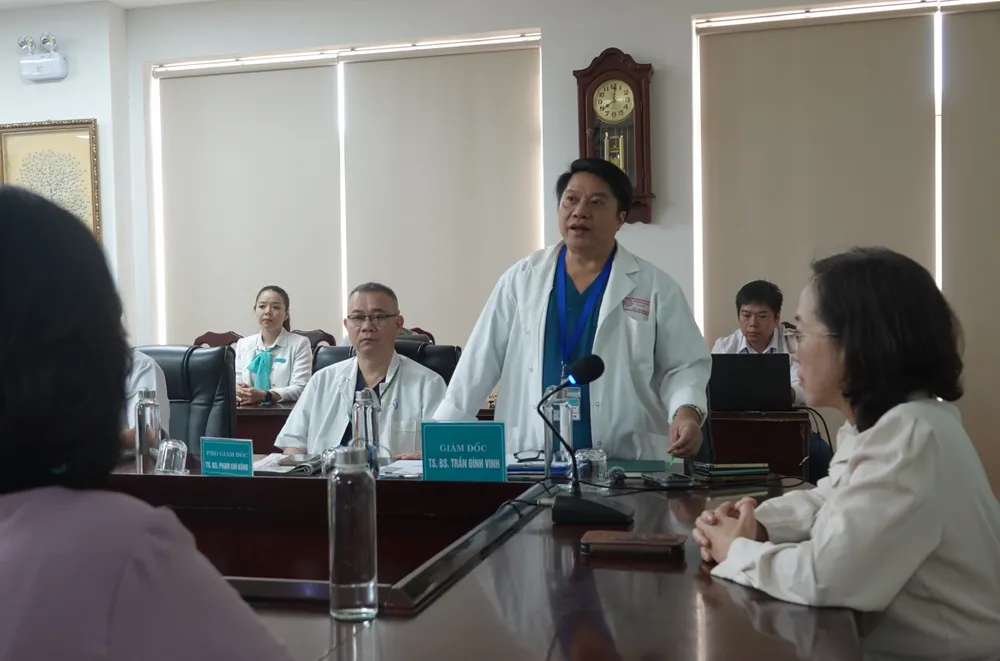
"The hospital has full resuscitation facilities, however, the key to treatment in this case is botulinum antitoxin, a drug that is currently very rare and not available in Vietnam," Dr. Vinh said.
In response to the emergency, the hospital reported the situation to the Da Nang Department of Health and the Ministry of Health to find a source of the specific antidote. Thanks to the urgent coordination and support of the World Health Organization (WHO), the antidote was transported to Da Nang on the evening of March 11th. As soon as the medication arrived, doctors in the Pediatric Intensive Care Unit quickly implemented the treatment protocol.
“Botulinum antitoxin is a rare drug, currently unavailable in Vietnam. Thanks to the swift support from various units, the hospital was able to administer the medication to the patients in a timely manner. For us, saving the children's lives is a joy no less significant than that of their families,” said Dr. Tran Dinh Vinh.
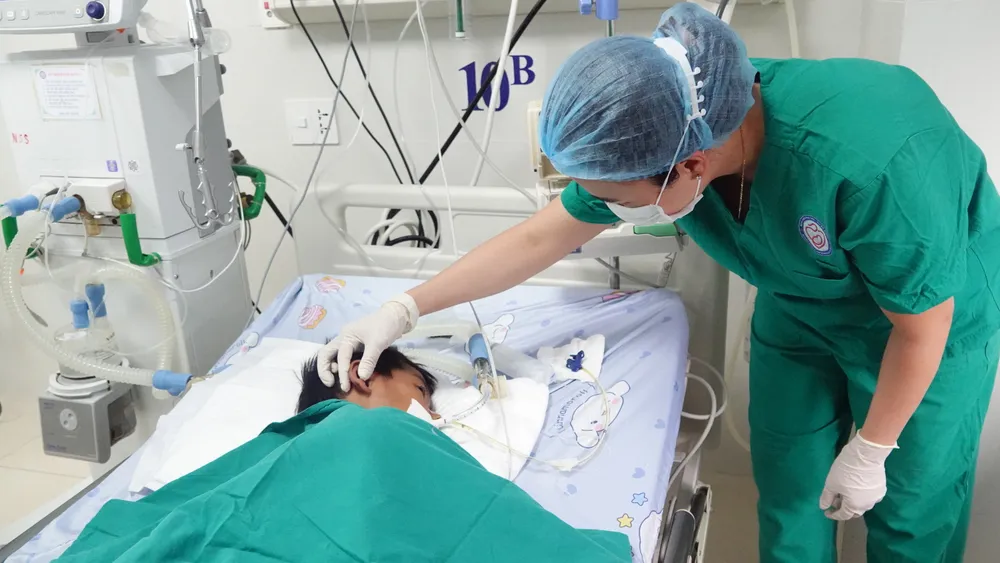
Currently, both children are showing positive signs of improvement, such as increased alertness, improved consciousness, and the ability to move their limbs. Other functions, including digestion and motor skills, are also being treated to gradually recover.
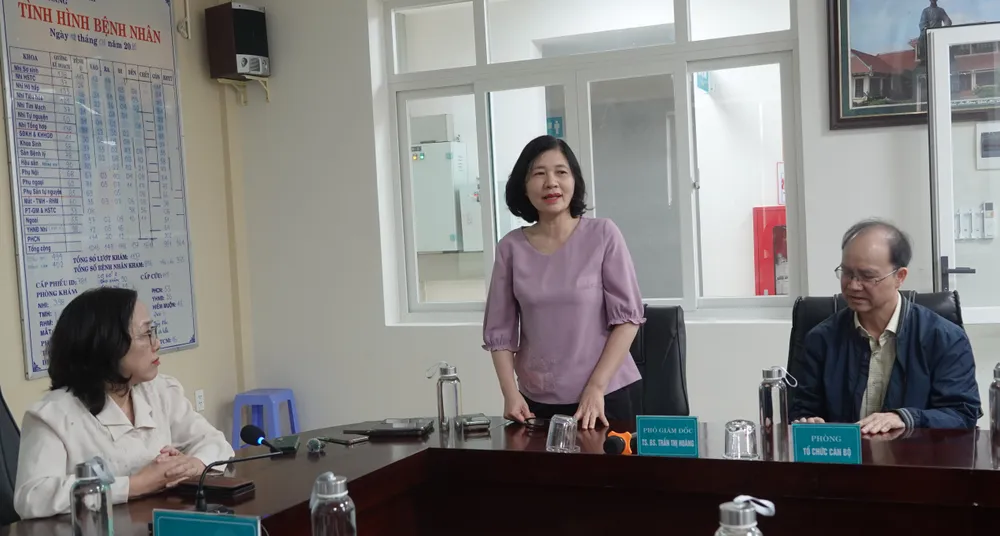
Proposal to stockpile botulinum antitoxin.
According to Dr. Nguyen Thi Phuc, representative of the World Health Organization (WHO) in Vietnam, as soon as they received information about three children suspected of botulinum poisoning in critical condition, WHO activated its emergency support mechanism. This process involved coordination from many units, from WHO headquarters in Geneva (Switzerland), the regional office in the Philippines to the WHO office in Vietnam, along with the Vietnamese Ministry of Health, especially the Drug Administration and the Food Safety Administration, the Da Nang Department of Health and relevant hospitals.
Immediately after receiving the official request, the WHO promptly transported botulinum antitoxin from Geneva to Vietnam. A WHO official personally carried the medication on a flight transiting through Istanbul (Türkiye) before arriving in Hanoi. The medication then underwent quarantine and customs procedures before being transported by air to Da Nang with the support of the Hanoi CDC, international health quarantine, customs, and Vietnam Airlines.
On the evening of March 11th, the antidote was delivered to Da Nang Obstetrics and Pediatrics Hospital for timely use in pediatric patients. However, a WHO representative also noted that this was not the first time suspected botulinum poisoning cases had occurred in the Phuoc Son area (Quang Nam). Therefore, the WHO recommended that the Vietnamese health sector consider building a reserve of botulinum antitoxin to proactively respond when similar cases occur.
Source: https://www.sggp.org.vn/nguy-co-ngo-doc-botulinum-tu-thuc-pham-u-chua-post842502.html


![[Photo] General Secretary and President To Lam meets with National Assembly delegates from ethnic minorities.](https://vphoto.vietnam.vn/thumb/1200x675/vietnam/resource/IMAGE/2026/04/20/1776696701056_a1-bnd-8331-3342-jpg.webp)

![[Image] National Assembly discusses the implementation of the socio-economic development plan.](https://vphoto.vietnam.vn/thumb/1200x675/vietnam/resource/IMAGE/2026/04/20/1776696707422_ndo_br_img-20260420-185419-jpg.webp)















































































Comment (0)