Vietnam.vn - Nền tảng quảng bá Việt Nam

Risks from Styrofoam containers

(TNTT>) The sight of pristine white styrofoam boxes used to hold food in large and small stores or street vendors has become familiar.

Báo Thanh niênBáo Thanh niên02/07/2009

Styrofoam boxes are made from hazardous plastic materials.

The plastic materials used to manufacture these styrofoam containers are PVC (Polyvinyl Chloride) and PS (Polystyrene), which are two of the most dangerous types of plastic currently on the market. Many countries worldwide have banned the use of these plastics for food-related purposes, but Vietnam still lacks specific regulations. In reality, styrofoam food containers are widely used due to their convenience.

Furthermore, recycled plastics can also be used to produce styrofoam containers. Most of these containers are produced in small-scale facilities with poor hygiene and technical conditions. These factors increase the danger to users because recycled plastic comes from many different sources, even from hospitals and landfills. Through rudimentary, manual, and unsanitary washing processes, this mixed waste plastic is crushed and heated to temperatures of 150-200°C to create new plastic granules. When using styrofoam containers made from recycled plastics, we face a higher risk of bacterial contamination because bacteria are not completely destroyed at these temperatures.

How do toxic chemicals enter the body?

Solutions when purchasing

Currently, Vietnam lacks specific regulations or sanctions to control the widespread production and use of styrofoam containers. Given this situation, the following measures may help you mitigate the risks associated with styrofoam containers:

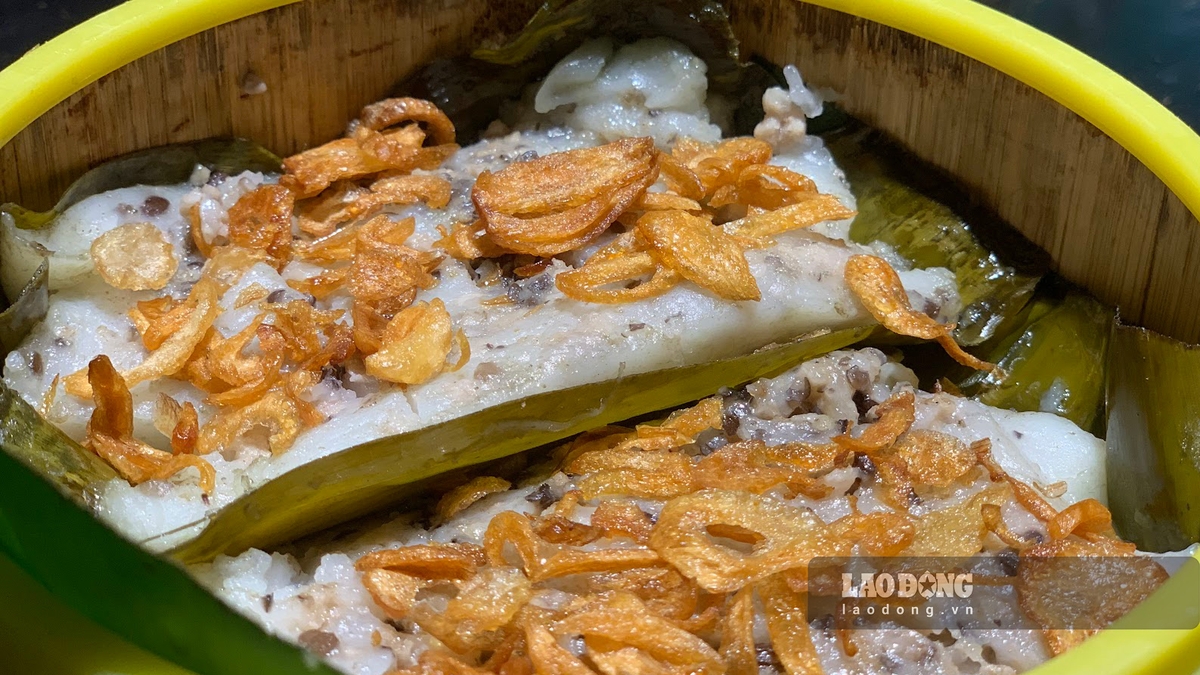
• For vendors, use clean leaves such as lotus leaves or banana leaves to wrap food like sticky rice and other dry foods instead of styrofoam boxes.
• Bring your own lunchbox when buying ready-made food.
• In unavoidable circumstances, when you buy food, you should immediately transfer it to a glass, ceramic, or porcelain bowl or plate before consuming it.

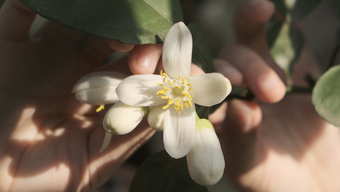
Numerous studies have shown that when plastic comes into contact with food, especially hot or acidic foods, toxic chemical molecules can leach into the food or drink. Specifically, at temperatures of only 70-80°C, some additives in plastic begin to dissolve into food; with acidic foods like tomato sauce or other sour foods, the acids present in the plastic create pressure on the chemicals, causing contamination of the food. You can conduct a small experiment at home to verify this yourself. Prepare a styrofoam box and half a lemon. The procedure is very simple: place the lemon upside down on the surface of the styrofoam box. After a short time (1-2 hours), the contact surface between the styrofoam box and the lemon will indent. After a longer time, the styrofoam box may puncture. This phenomenon demonstrates that a reaction has occurred between the acid in the lemon and the chemicals in the styrofoam box. If this container held food, the compound would have completely dissolved into the food and entered the body. These toxins will not harm health immediately, but they will accumulate in the body, causing dangerous diseases, including cancer.

Tien Le

Source: https://thanhnien.vn/nguy-co-tu-hop-xop-185208761.htm


Comment (0)

Please leave a comment to share your feelings!

Same category

The Christmas atmosphere is vibrant on the streets of Hanoi.
Enjoy the exciting night tours of Ho Chi Minh City.
A close-up view of the workshop making the LED star for Notre Dame Cathedral.
The 8-meter-tall Christmas star illuminating Notre Dame Cathedral in Ho Chi Minh City is particularly striking.

Same author

Heritage

Figure

Enterprise

The moment Nguyen Thi Oanh sprinted to the finish line, unrivaled in 5 SEA Games.

News

Political System
Destination

Product