

 Dat Mui commune in Ngoc Hien district is not only famous for its pristine natural beauty in the southernmost part of Vietnam, but also known for its strength in clam farming - one of the key economic sectors of the Mekong Delta region.
The "golden land" of clam farming.
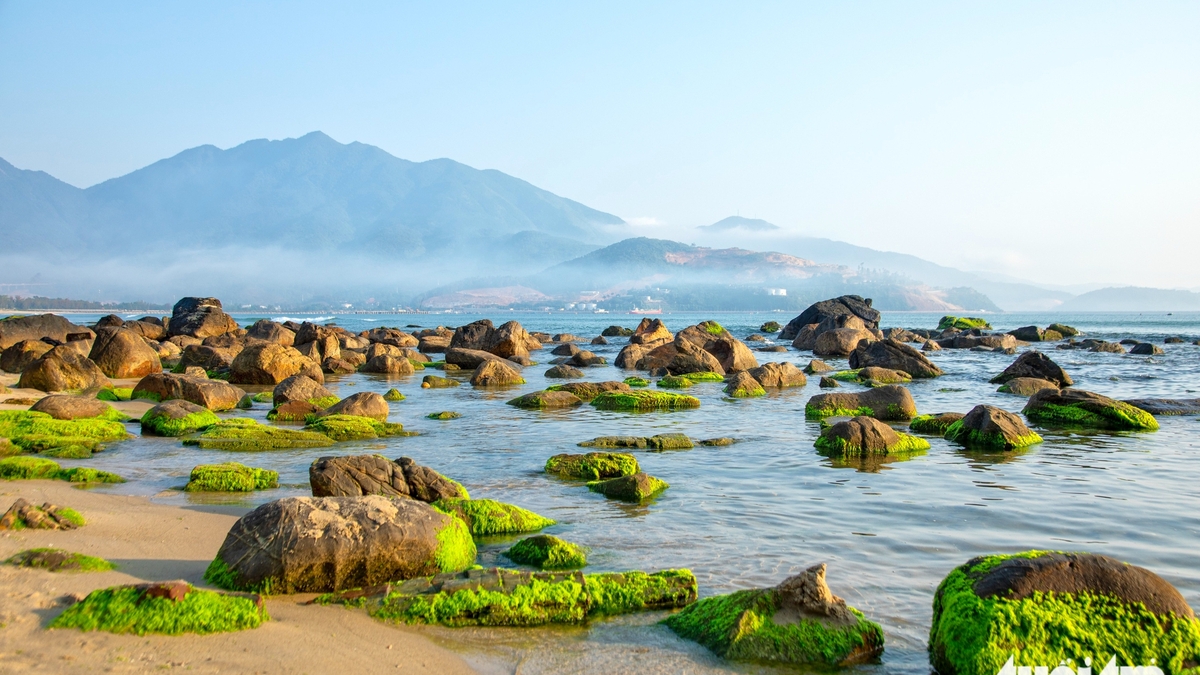
Located in the mangrove forest area of Dat Mui commune, Khai Long beach has become the "capital" of clam farming thanks to its ideal natural conditions and strict technical procedures.
Khai Long Beach boasts rare natural conditions: a vast tidal flat with a gentle slope, a sandy-mud bottom, stable salinity ranging from 15-30‰, a pH fluctuating from 7.5-8.5, and an abundant food source from the mangrove ecosystem. The area is influenced by an irregular semi-diurnal tidal regime, creating an ideal environment for clam growth. Another highlight is that this farming area is minimally affected by industrial pollution or domestic wastewater, ensuring clean, safe clams that meet the demands of both domestic and international markets.
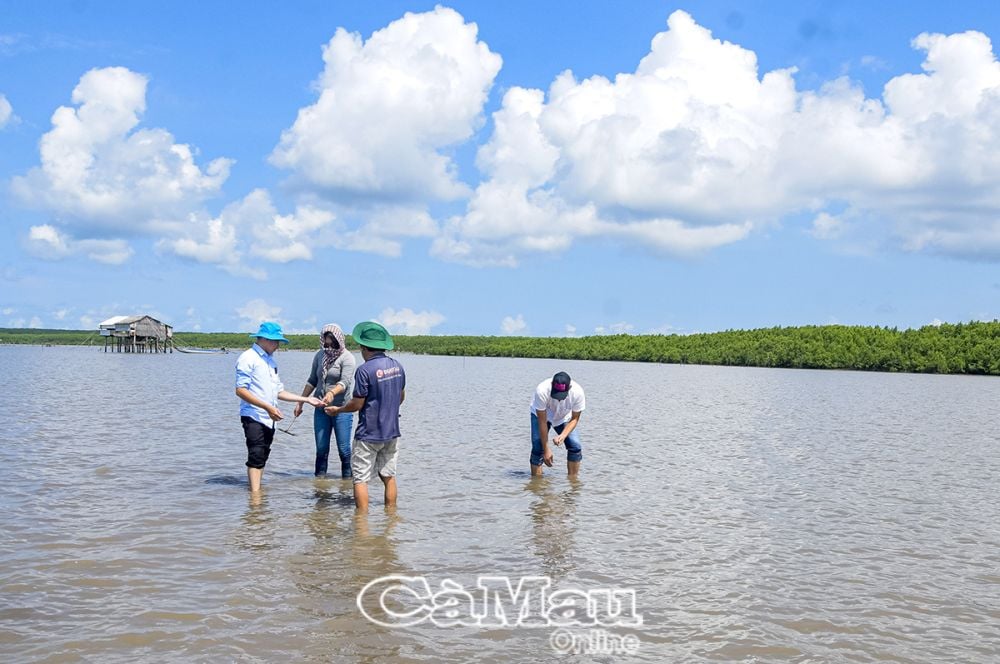
Khai Long beach is known as the "golden land" for clam farming.
Clam farming in Dat Mui is primarily organized under a cooperative model, enabling people to effectively manage everything from selecting seeds and caring for the clams to harvesting. The technical procedures are applied systematically and strictly adhered to, optimizing productivity while protecting the environment, creating a distinctive "brand" for Dat Mui clams.
Technical processes - The key to quality
To achieve its current reputation, clam farming in Dat Mui commune relies on a strict technical process from preparing the farming area to harvesting and preservation. First, selecting the farming area requires tidal flats with a transparency of 25-40 cm and gentle currents to provide oxygen and natural food for the clams. The farming area is thoroughly cleaned, removing waste and harmful organisms, and the seabed is improved to ensure a sand thickness of 10-15 cm, allowing the clams to easily bury themselves and grow.
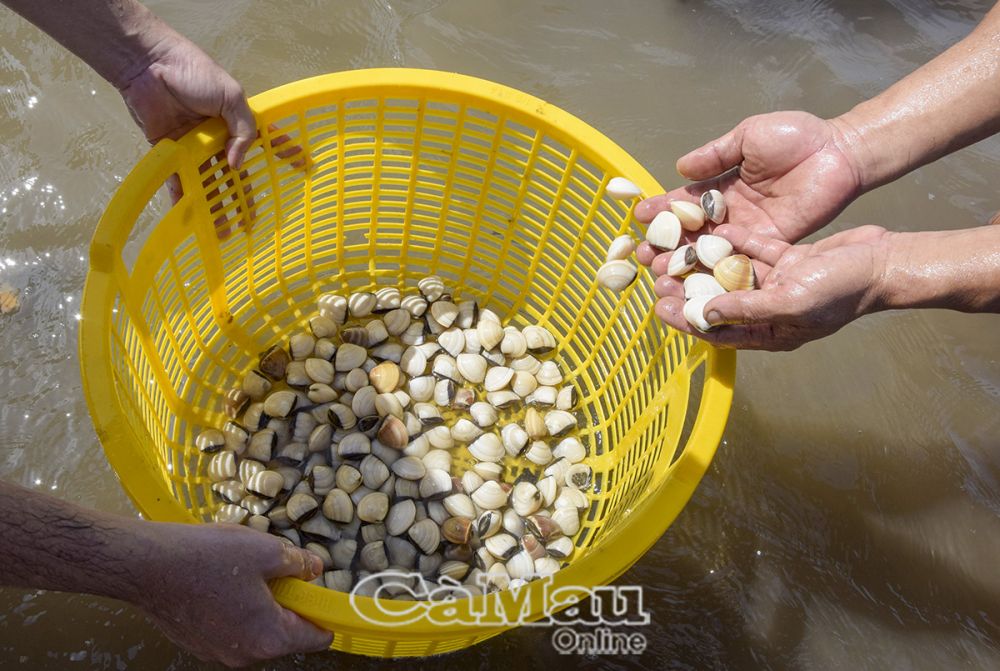
For effective clam farming, the clam spat must be of uniform size (2-3 thousand clams/kg), have shiny shells, be free from deformities, and be selected from reputable sources.
Engineer Tieu Minh Pho, from the Provincial Center for Information and Application of Science and Technology, said: "The stocking process is also carried out carefully. The clam spat must be of uniform size (2-3 thousand clams/kg), have shiny shells, and be free from deformities. They are selected from reputable establishments or harvested naturally in well-known areas such as Ben Tre , Tien Giang, and Can Gio. Stocking usually takes place at the beginning of the dry season (February-April) or at the end of the rainy season (August-October), with a density of 300-500 clams/m², depending on the conditions of the farming area. After stocking, people closely monitor the clams for the first 48 hours to ensure they adapt well to the environment."
The care process, including weekly inspections, is essential. Farmers observe growth rates, remove dead clams, clean the farming area, and control pests using manual or biological methods. Environmental factors such as salinity, pH, and water temperature are also regularly measured to allow for timely adjustments. Especially during the rainy season, management is intensified to protect the farming area from adverse impacts.
Towards sustainable development
Clams at Dat Mui are typically harvested after 10-12 months of cultivation, when they reach marketable size (40-50 clams/kg). Harvesting takes place at low tide, using hand rakes or specialized tools to avoid damaging the clams and the tidal flats.
After harvesting, clams are washed with seawater, sorted by size, and stored in a cool, well-ventilated place, kept moist in mesh bags or specialized sacks. If transported over long distances, the temperature is maintained between 5-10°C to ensure the clams remain fresh when they reach consumers.
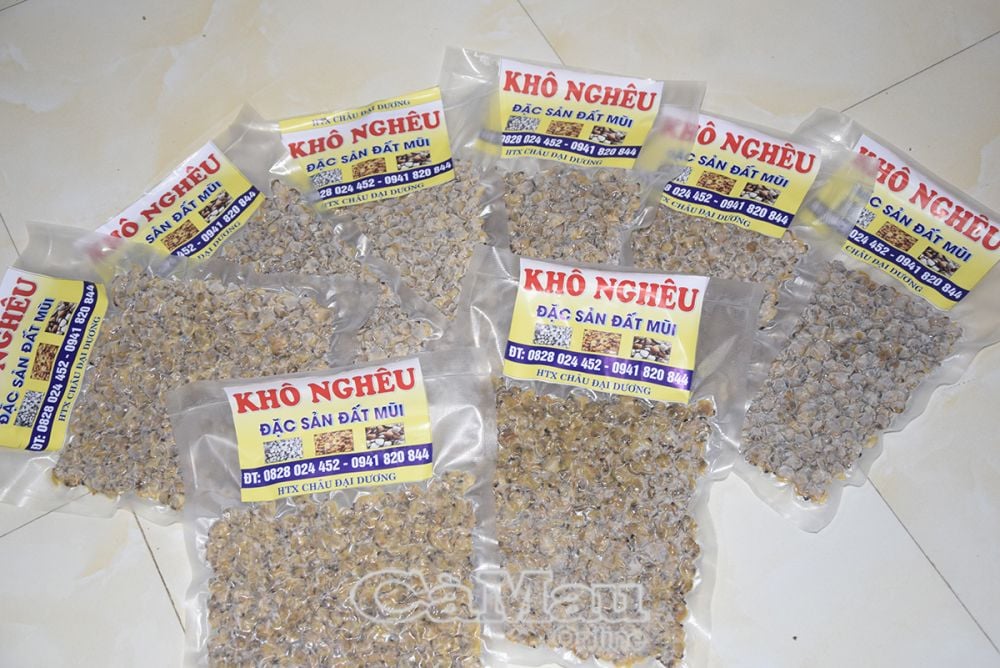
Dried clams are well-known to many people both inside and outside the province.
“Clam farming in Dat Mui commune is not only an important source of livelihood but also a testament to the harmony between economic development and environmental protection. Avoiding the use of chemicals, minimizing strong impacts on tidal flats, and coordinating with authorities to protect the ecosystem helps maintain the natural food source for clams while preserving product quality. This is a key factor in creating a ‘certified brand’ for Dat Mui clams, a brand that is not only famous domestically but will also reach international markets in the future,” Engineer Pho affirmed.
Thanks to the efforts of the authorities and the people, clam farming and harvesting in Dat Mui commune is increasingly asserting its position, becoming a source of pride for the people of Ca Mau and a model for sustainable development in Vietnam's fisheries industry.
Hoang Pho - Kim Cuong
Source: https://baocamau.vn/nhan-hieu-chung-nhan-cho-ngheu-dat-mui-a38379.html






























































Comment (0)