

 |
Brazil beat Japan 2-1 in the World Cup knockout round in a match that had all the elements of top-level football: intensity, emotion, tactics, character, and even ruthlessness. Japan took the lead, played a near-perfect first half, unsettled Brazil, and seemed poised to pull off one of the biggest upsets of the tournament.
But after the break, the game turned around. Brazil became calmer, more patient, increased the pressure at the right moments, and finished off their opponent with a late goal.
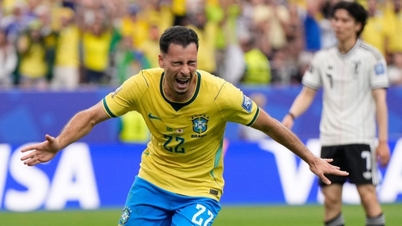
Japan beat Brazil in the first half.
Speaking to Tri Thức - Znews , coach Miguel Santos, the Portuguese manager who previously worked with Ruben Amorim, assessed this as the best match of the knockout round so far. According to him, Brazil and Japan created a match "worthy of the World Cup ," where two contrasting tactical systems were executed with high quality.
"This is why people want to watch the World Cup, and it's also why fans pay to go to the stadium to watch a football match," Santos said.
In the eyes of the Portuguese coach, the clash between Brazil's 4-3-3 formation and Japan's 3-4-3 offered many interesting layers of analysis. Brazil had more possession, more quality players, and entered the game as the superior team.
But Japan didn't enter the match as a team that just knew how to endure. They had a clear plan, selective pressing, disciplined defense, and very sharp counter-attacks.
Japan's opening goal came from exactly that scenario. Brazil controlled possession, but Japan were the better team at punishing the opposition's attacking moves. According to Santos, this goal not only changed the score, but also affected Brazil's morale, causing Ancelotti's team to lose their composure for the remainder of the first half.
"After conceding the goal, Brazil were clearly affected mentally. They couldn't play their best football in the first half. Conversely, Japan were very confident and very organized," Santos analyzed.
What impressed Santos most in Japan was the flexibility in their defensive approach. Coach Hajime Moriyasu's team didn't just set up a low block in front of the penalty area and wait for the ball to come to them. They changed the tempo of their pressure depending on the situation.
At times, Japan pushed their formation high, pressing deep into Brazil's half. At other times, they dropped back to a mid-range block, maintaining tight spacing. When needed, they switched to a low block, closing down the space in front of the penalty area and forcing Brazil to make more sideways passes.
That approach caused problems for Brazil. The South American team still had possession, but possession didn't equate to control of the game. They lacked cohesion in the final third, created few clear-cut spaces, and were often outplayed by Japan's patience.
Santos argued that Japan not only defended well, but also had periods of calm ball control that drew Brazil deep into their own half. This was crucial because against an opponent like Brazil, simply clearing the ball and dropping deep would only increase the pressure. Japan didn't fall into that trap in the first half. They knew when to break the press, when to move the ball out wide, and when to accelerate after regaining possession.
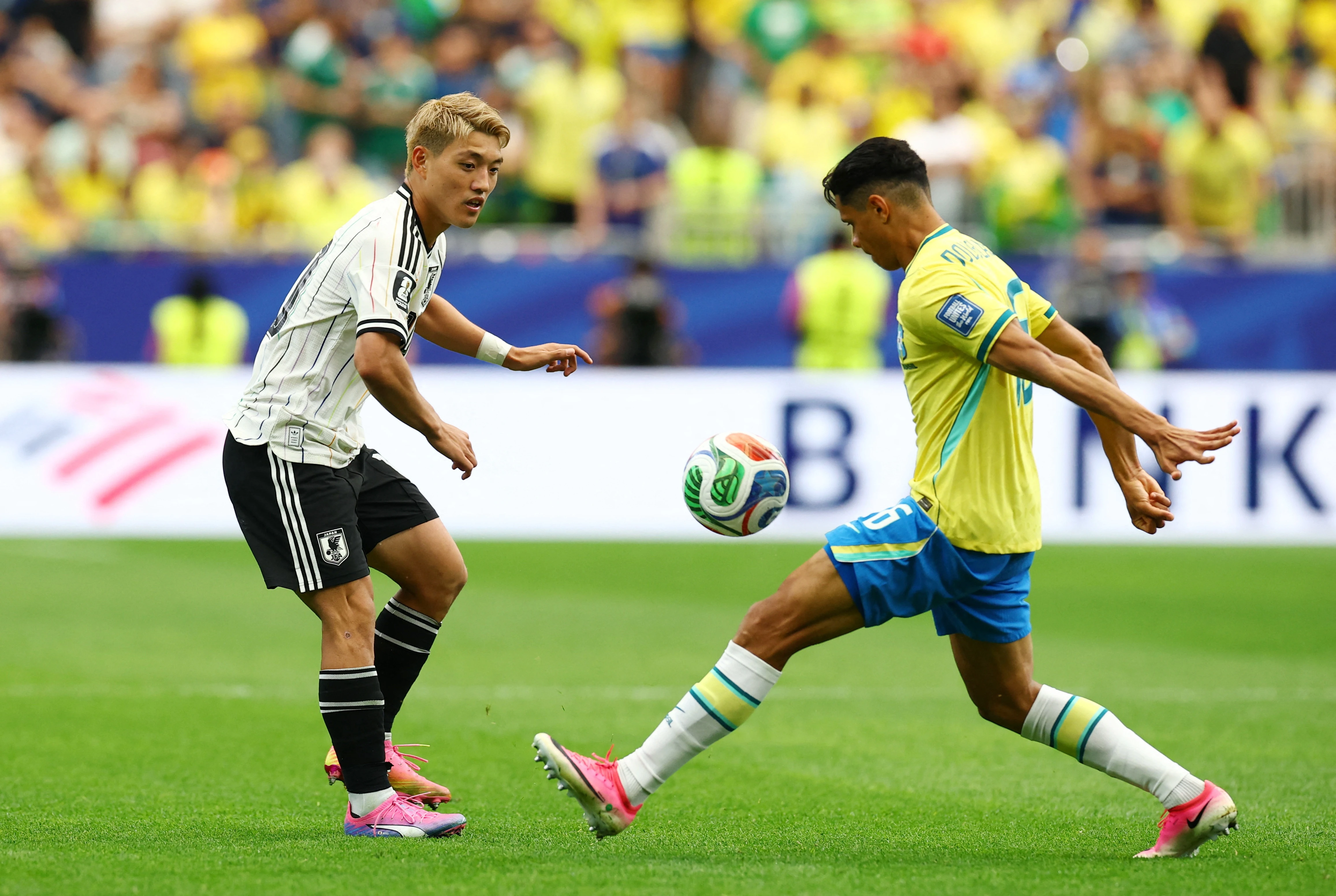 |
Brazil faced many difficulties against Japan, but their resilience and squad depth helped the South American representatives advance. |
That proactive approach allowed Japan to go into halftime with a lead. It wasn't a lucky advantage; it was the result of a well-prepared first half, where the players understood their roles in every play.
“Japan were brave, intense, defended well, and counter-attacked effectively. They also had moments of relentless attack. That shows the quality of the Japanese players, the coach, and the coaching staff,” Santos said.


But the World Cup knockout rounds aren't just about the team with the better first half. They're about the team that knows how to make the right changes at the right time. And that's where Brazil makes the difference.
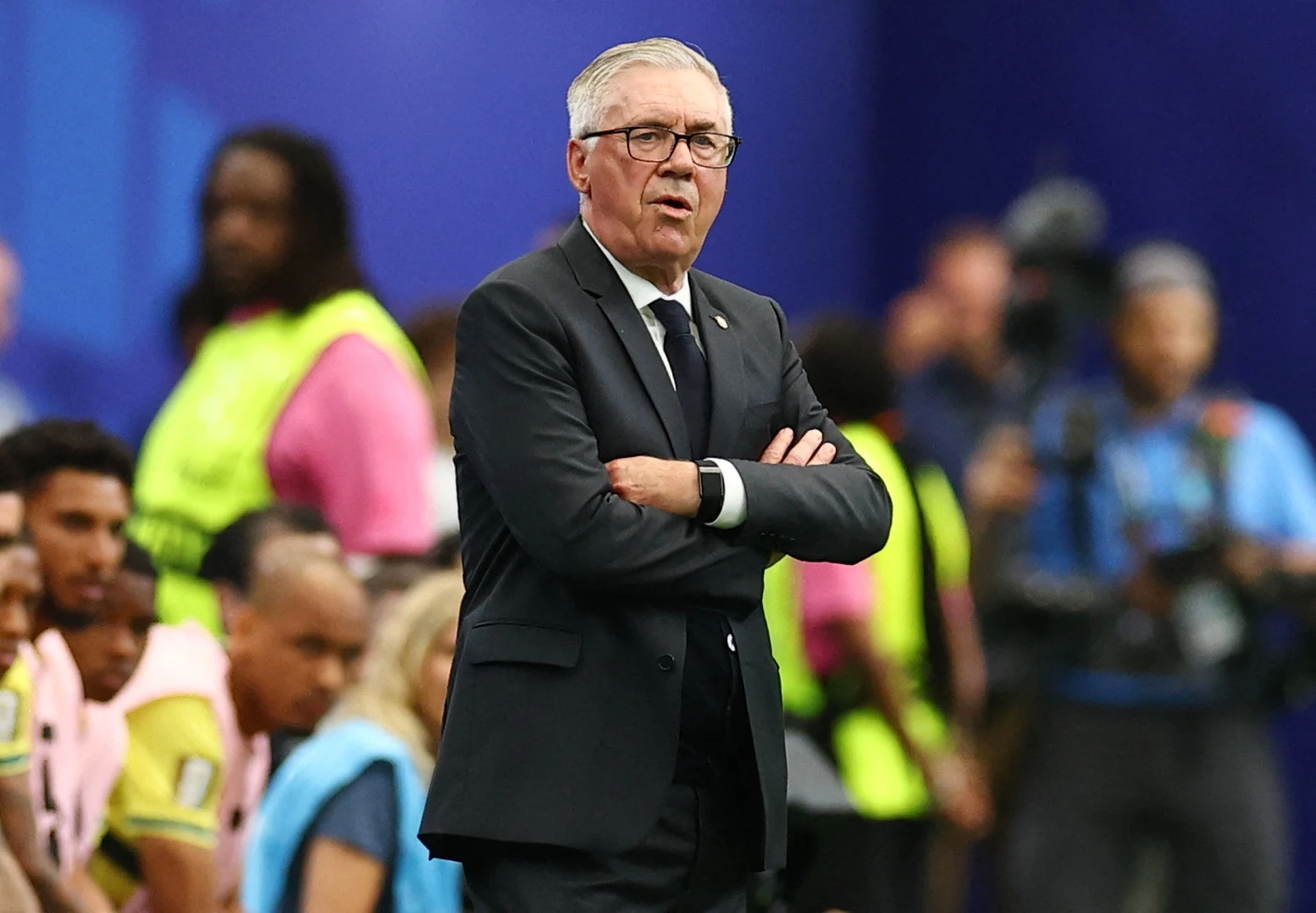
According to Santos, the biggest turning point of the match came at halftime. Ancelotti prevented Brazil from panicking. He helped the players regain their composure, reorganize the team, and bring the game back to a more favorable tempo for Brazil. Instead of attacking hastily, Brazil began playing with what Santos calls "patience in attack."
That was a crucial detail. Against Japan's low and organized defense, Brazil couldn't rely solely on individual inspiration. They needed to circulate the ball more consistently, stretch the opponent's defense, constantly change the direction of attack, and wait for gaps to appear. In the second half, Brazil didn't rush forward impulsively. They pressured Japan with persistence.
The 1-1 equalizer came as a consequence of that process. Once Brazil forced Japan into a deep defensive stance for an extended period, errors began to appear. Moriyasu's team maintained their organization, but no longer created enough incisive counter-attacks to relieve the pressure. From the moment the score was leveled, the match presented Japan with a difficult choice: continue with a safe structure or take more risks to find a second goal.
Japan chose the first option. And according to Santos, that's the detail that caused them to lose the chance to turn things around.
Differences from the coaching chair
Santos argued that coach Moriyasu's substitutions were primarily aimed at maintaining balance, rather than increasing attacking power. Japan continued to play with the same idea: solid defense, waiting for Brazil to leave gaps before counter-attacking. This approach worked when they were leading. But once the score was 1-1, it gradually pushed Japan into a passive position.
"Japan didn't want to control the game. They still wanted to defend and counter-attack. Meanwhile, Brazil made substitutions to strengthen their attack," Santos commented.
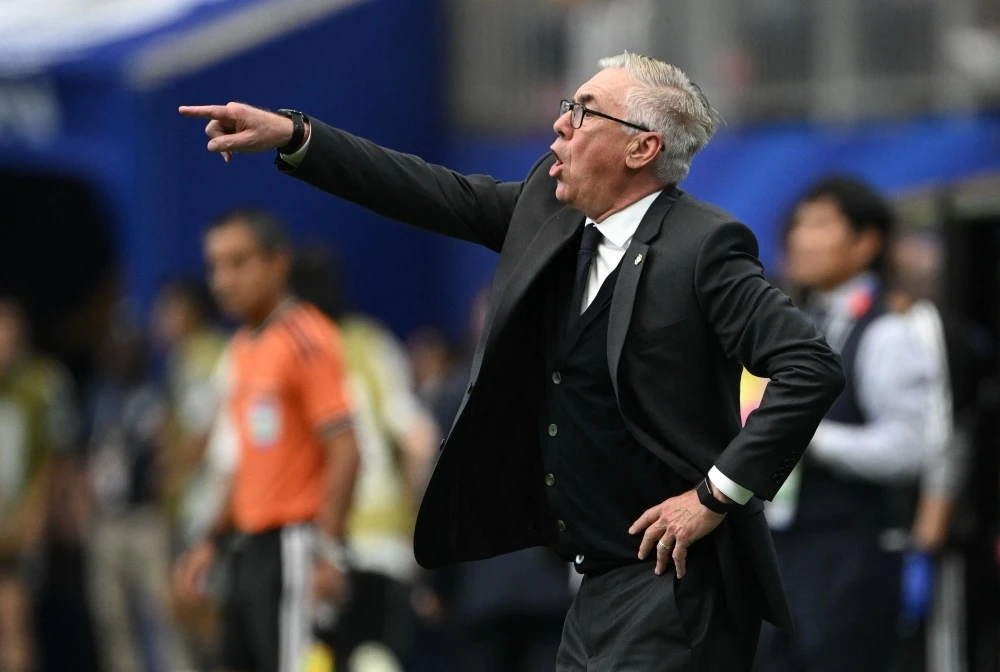 |
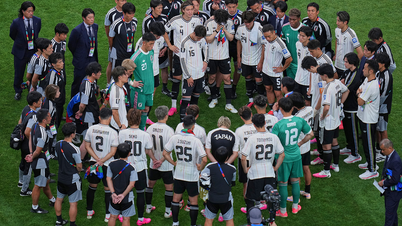
Coach Carlo Ancelotti made the difference with adjustments in the second half, helping Brazil come from behind to win against Japan. |
This was the biggest boundary of the match. Japan wanted to keep the game within a safe zone. Brazil wanted to break through that safe zone. Ancelotti understood that if the game continued at the same pace, Japan still had a chance to drag Brazil into extra time. Therefore, he brought on players capable of changing the pace and direction of attack.
Endrick and Gabriel Martinelli provided what Brazil needed: directness, speed, and the ability to penetrate defenses. They subjected the Japanese defense to a different kind of pressure compared to the first half.
When opponents are running out of steam, fast players are especially valuable. Japan remained disciplined, but couldn't maintain precision in every movement. Against Brazil, even a momentary lapse in timing could be punished.
The decisive late goal was therefore not a mere accident. It was the result of the game Brazil created in the second half. The South American team did more to find a second goal. They took greater risks, increased the pressure, and used their squad depth to wear down their opponents. Japan fought to the end, but as the game progressed, they became less likely to take the game out of their own half.
"Brazil deserved to win because they did more than Japan in their search for a second goal," Santos asserted.
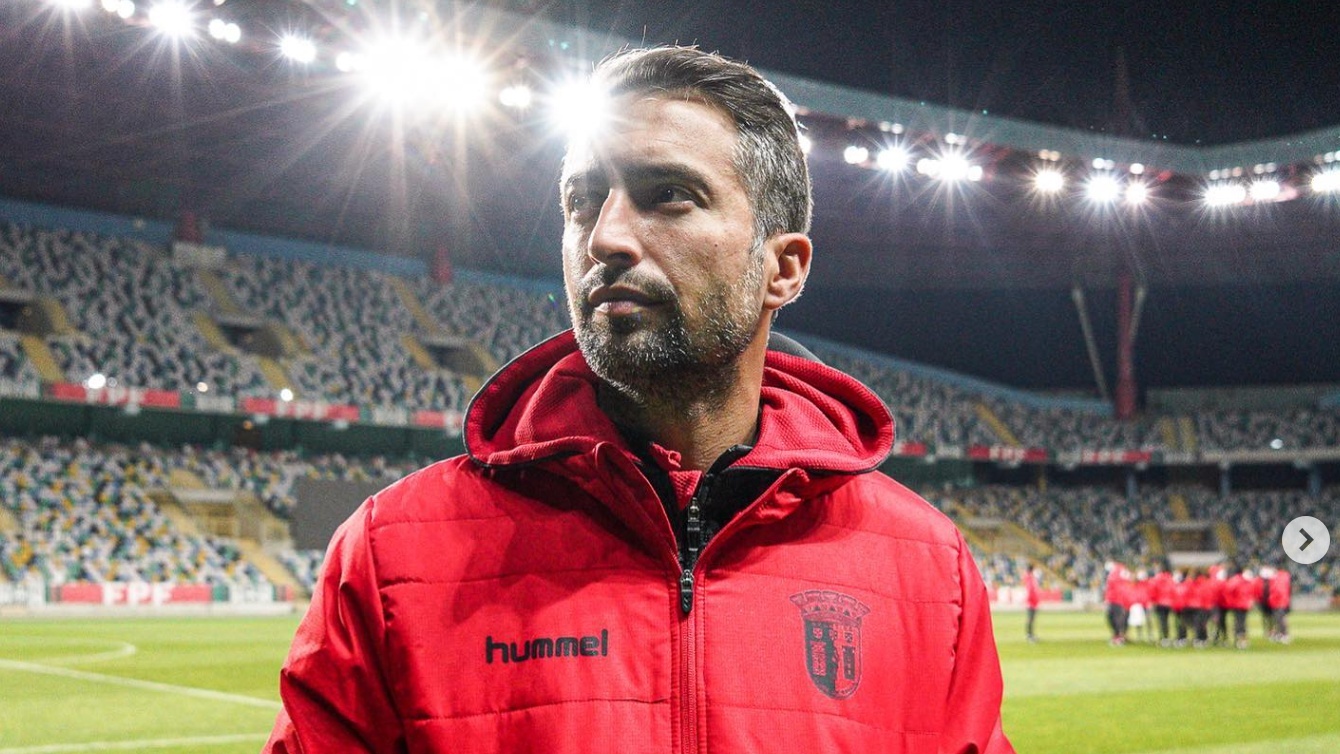 |
According to coach Miguel Santos, Brazil deserved the win because they did more than Japan in their search for the decisive goal. |
Another detail that demonstrates Ancelotti's influence is his Neymar selection. After the match, the Brazilian coach revealed that if the score remained 1-1 and the game went into extra time, Neymar would have been brought on. For Santos, this shows that Ancelotti doesn't react impulsively. He reads the game, prepares for various scenarios, and knows exactly which type of player he needs at each moment.



That's the value of an experienced coach. Brazil has many stars, but having many options doesn't automatically guarantee victory. The challenge lies in choosing the right player, at the right time, in the right context. Against Japan, Ancelotti did just that. He not only had better players, he used them better.
However, Brazil's victory doesn't diminish the value of Japan's performance. On the contrary, the fact that Brazil had to win so hard shows just how close Japan has come to the elite group. The Asian team is organized, disciplined, well-planned, and capable enough to force a title contender to adapt.
"It's not easy to play against Brazil. But it's also not easy for Brazil to play against Japan," Santos said.
That's accurate praise for Japan. They lost, but they didn't leave the tournament looking defeated. They made Brazil work hard. They forced Ancelotti to intervene. They made a star-studded team win through experience, depth, and composure at the decisive moment.
Japan left the World Cup with great regret, as they came so close to a historic result. But this defeat is not a sad end. It shows that Japanese football is strong enough to push top teams into difficult situations, has the composure to take the lead against Brazil in a knockout match, and possesses the quality to be remembered with respect.
Brazil advanced thanks to Ancelotti and moments of brilliance from their star players. Japan's journey ended because they couldn't improve after the 1-1 equalizer. One team had a coach who knew how to turn the game around at the right moment. The other played very well, but lacked the ruthlessness to finish off their opponent when the opportunity arose.
That is the thin but harsh line of top-level football.
Source: https://znews.vn/nhat-ban-hay-ancelotti-hay-hon-post1664471.html

![[Image] A look back at the capital's preparations for the century-long master plan.](https://vphoto.vietnam.vn/thumb/1200x675/vietnam/resource/IMAGE/2026/06/29/1782750453122_quy-hoach-100-nam-minh-duy-1-2118-jpg.webp)

![[Photo] General Secretary and President To Lam works with the Party Committee of the Government on the work of preventing and combating storms, floods, extreme natural disasters and climate change.](https://vphoto.vietnam.vn/thumb/1200x675/vietnam/resource/IMAGE/2026/06/29/1782729441945_a1-bnd-0385-9454-jpg.webp)