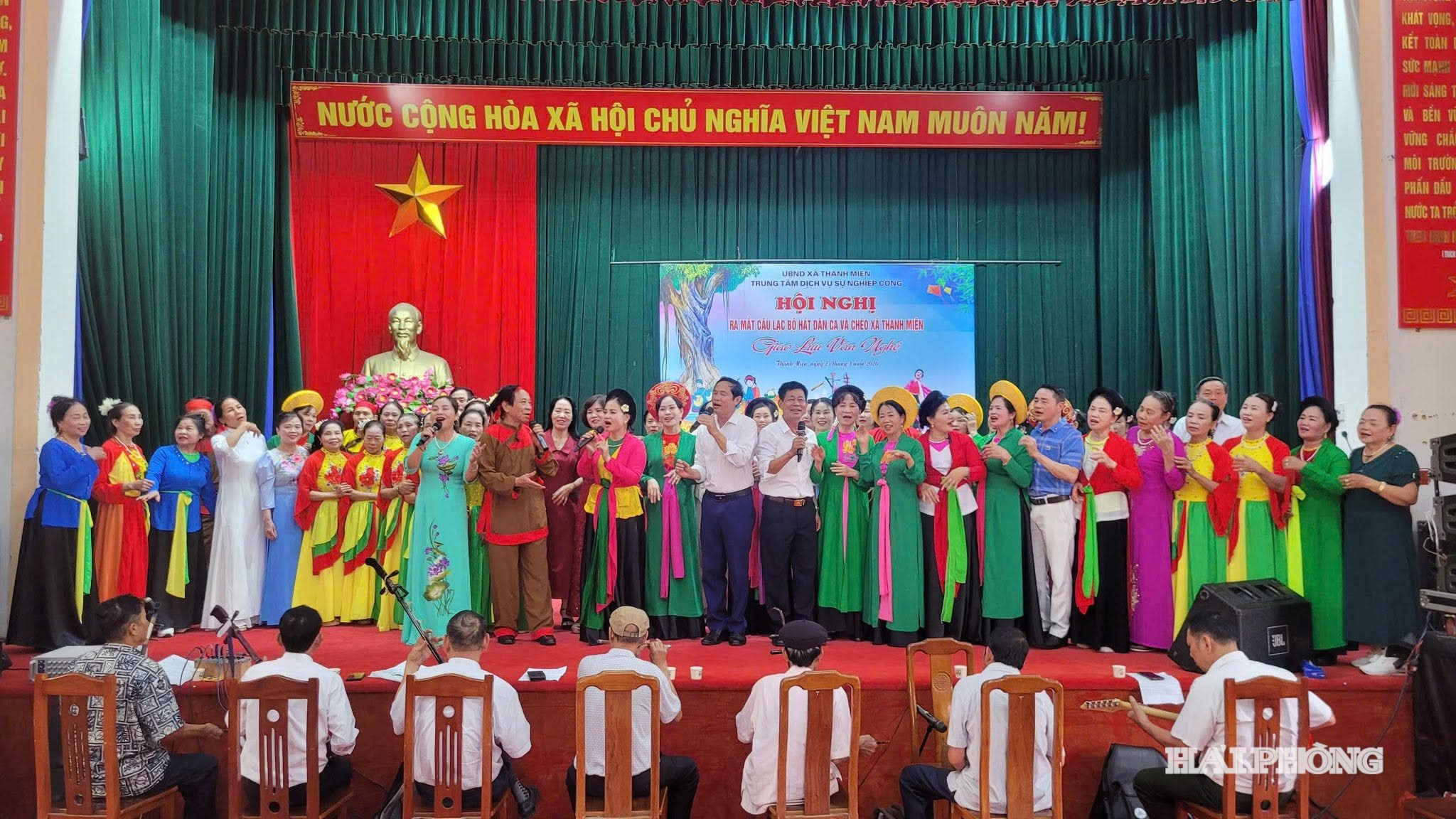
The cultural center becomes a meeting place.
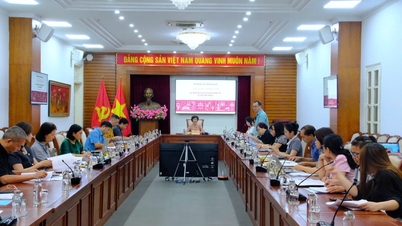
As evening falls, many community cultural centers become more lively. After a day's work, people come here to practice arts, sports , chat, or participate in communal activities.
These once familiar structures are gradually becoming more integrated into daily life. Beyond simply being venues for meetings, community centers are becoming spaces for gatherings and connecting generations within the community.
According to a review by the Hai Phong City People's Committee, the city currently has 2,321 cultural centers and 853 sports complexes. This is an important foundation for organizing activities to improve the spiritual life of people at the grassroots level.
In Hoa Binh ward, the "keeping the community center lit" model has brought more vitality to the residential areas. Mr. Do Van Ky from Dong Mon residential area said that previously, the community center mainly served planned meetings and activities, but now it is regularly used by people to participate in social activities, arts and culture events, and health training.
According to Mr. Ky, when the community centers are regularly open, people have more places to meet, share, and bond with each other. Currently, all 30 community centers in the residential areas of the ward are still operating.
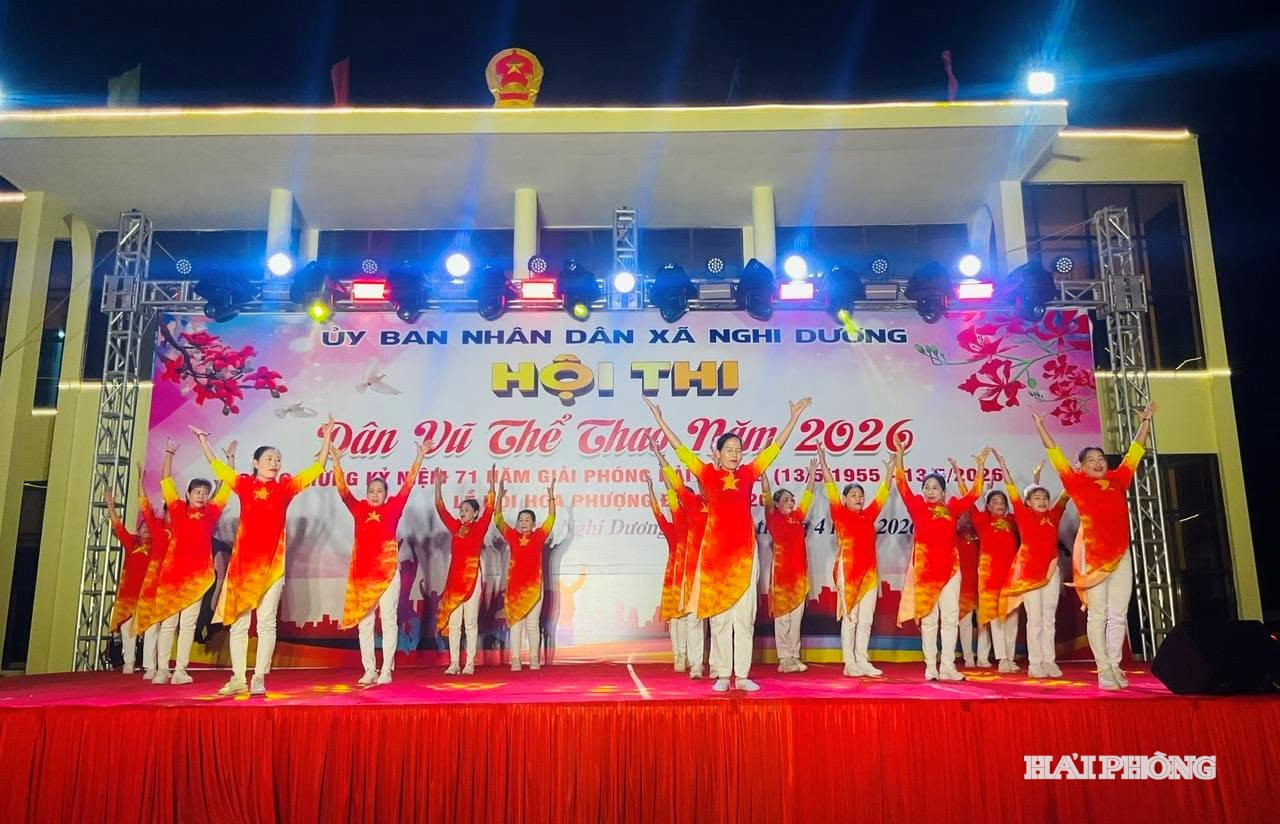
In rural areas, hobby clubs also contribute to adding color to village life. In Nghi Duong commune, folk dance clubs have become a familiar activity for many residents. Regular practice sessions not only help people improve their health but also create a joyful and friendly atmosphere in the community. Ms. Nguyen Thi Thu, a member of the Folk Dance Club in Hamlet 2, Du Le, said that since maintaining the club's activities, people have had more space for socializing after work, thus getting to know each other better and building a community movement.
In Thanh Mien commune, within the cultural center, the sounds of clappers and traditional Vietnamese opera (cheo) still resonate during the rehearsals of the folk song and cheo club. The members not only prepare performances but also work together to preserve melodies that have been cherished by generations.

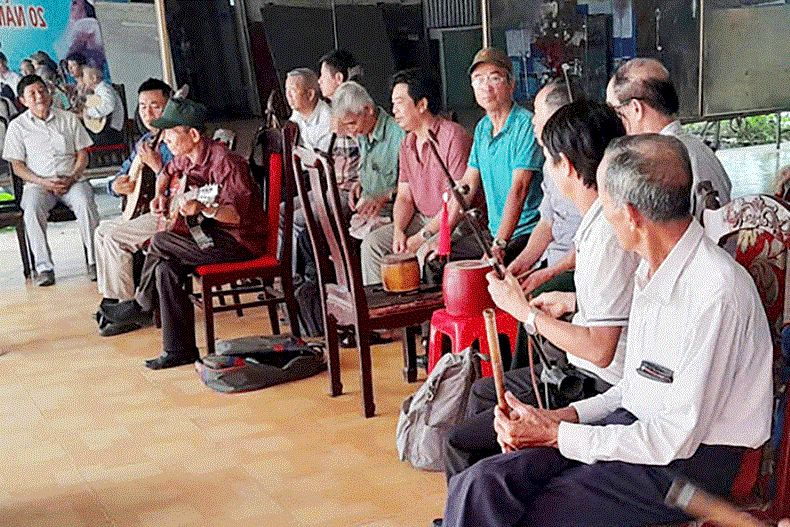
Ms. Nguyen Thi Hoa, a member of the club, shared that each practice session is an opportunity for members to meet, exchange experiences, and together preserve the art of Cheo (traditional Vietnamese opera), while also hoping to bring this art form closer to the younger generation.
From those simple training sessions, rural cultural life gradually took shape from the daily habits of the people, as clubs were regularly maintained and familiar activities became a part of the daily rhythm of life in the countryside.
Sowing the seeds for the movement
For cultural institutions to function effectively, in addition to investing in infrastructure, there needs to be competent people to organize, connect, and maintain activities. Based on this requirement, the Department of Culture, Sports, and Tourism of Hai Phong is strengthening the training of core personnel at the grassroots level through professional training courses, while also supporting the activities of local performing arts groups and clubs.
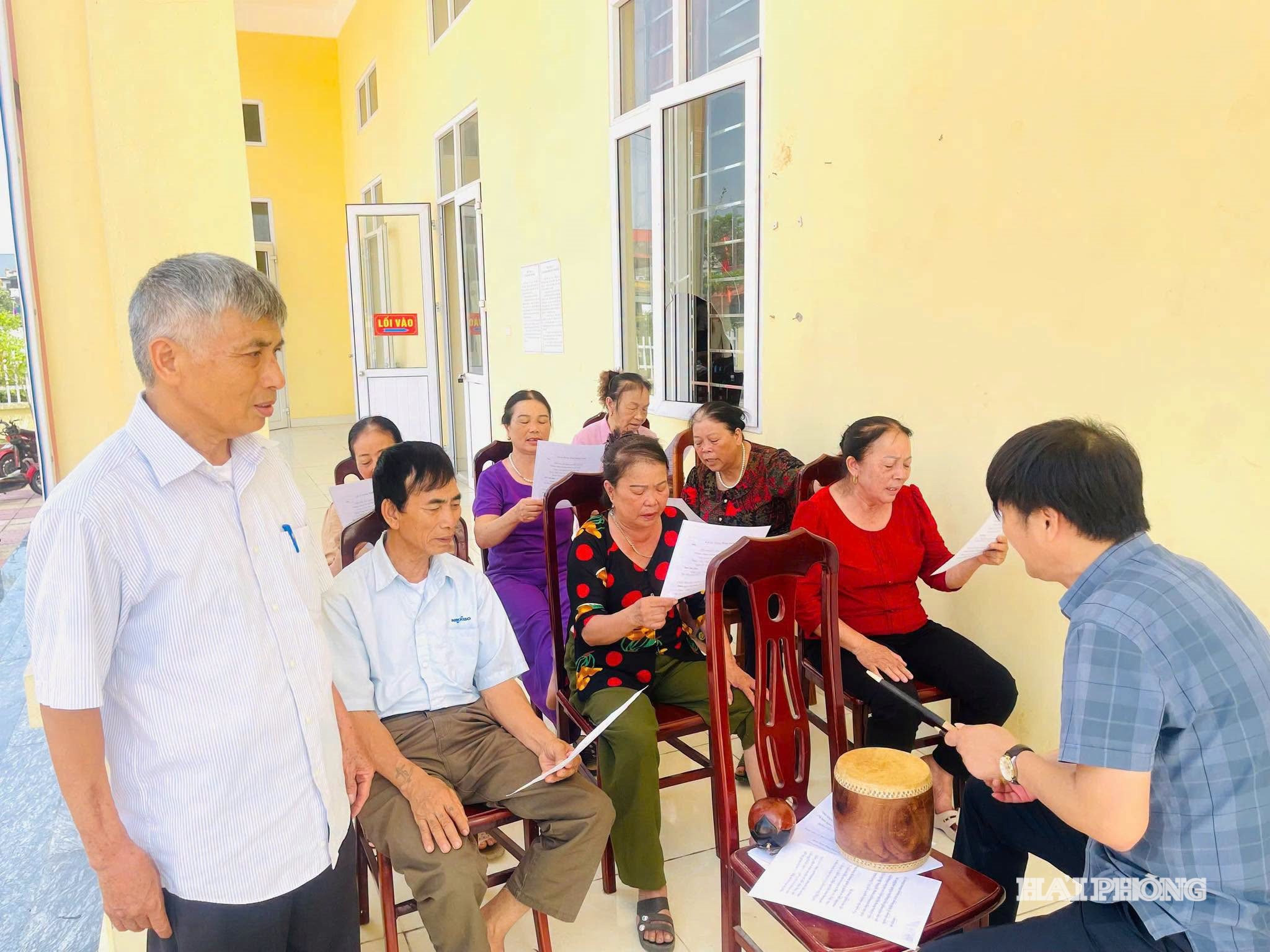
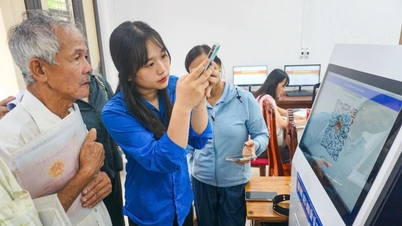
In 2026, the Hai Phong City Center for Culture, Cinema and Exhibitions will implement pilot training courses on grassroots cultural and artistic activities in many localities. At the Bai Ha village cultural house (Gia Phuc commune), the course attracted nearly 70 participants, including members of traditional opera, folk dance, sports clubs, amateur art troupes, and representatives of various organizations.
During their studies, trainees are not only guided in practicing and staging performances, but also equipped with skills in program development, organizing activities, and maintaining long-term movements in their local areas.
In Mao Dien commune, after nearly two weeks of training, the trainees held a concluding performance featuring various dances, songs, folk dances, and musical instrument performances. These stage performances not only showcased their skill progress but also demonstrated how traditional values are being continued in forms that are more relevant to modern life.
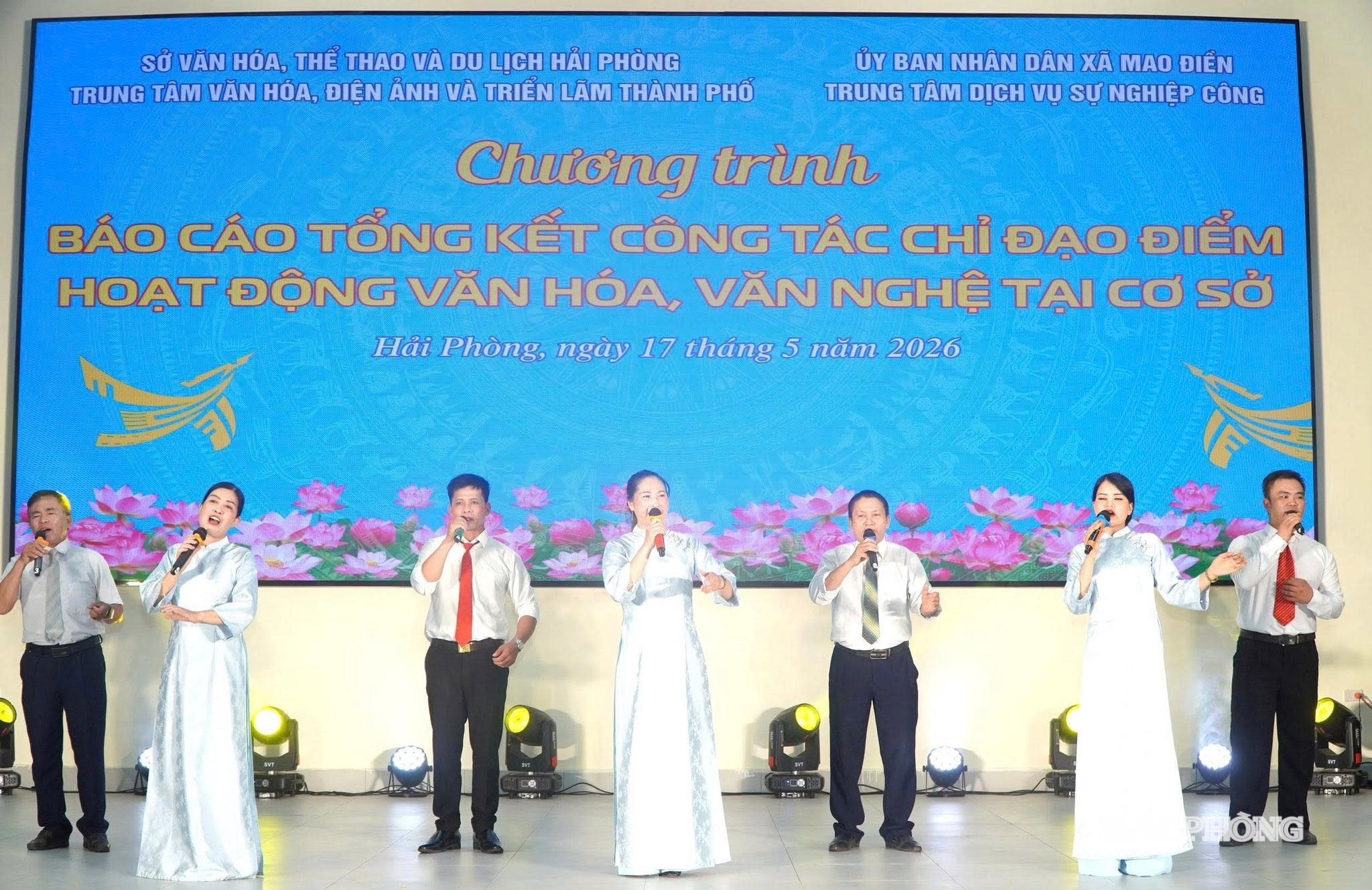
According to Mr. Nguyen Xuan Dam, Deputy Director of the Hai Phong City Center for Culture, Cinema and Exhibitions, the pilot training courses are organized to improve the quality of mass cultural and artistic activities, while contributing to the preservation and promotion of traditional artistic values in people's lives.



According to Mr. Nguyen Xuan Dam, through these programs, many talented individuals in arts and culture have received further training, enabling them to continue their activities in clubs and residential areas, and to spread the movement more widely.
Mr. Vu Van Tho, Deputy Director of the Mao Dien Commune Public Service Center, commented that the knowledge and experience gained from the course will help trainees be more confident in organizing activities that suit the needs of the people, creating more healthy recreational activities in the locality.
After a year of consolidation, Hai Phong has more opportunities to connect rural areas with diverse cultural colors. When people become the main actors in these activities, these spaces are not just places for living, but also become a foundation for fostering cohesion, consensus, and an increasingly civilized appearance of the countryside.
Source: https://baohaiphong.vn/nhip-song-moi-o-lang-que-hai-phong-546360.html