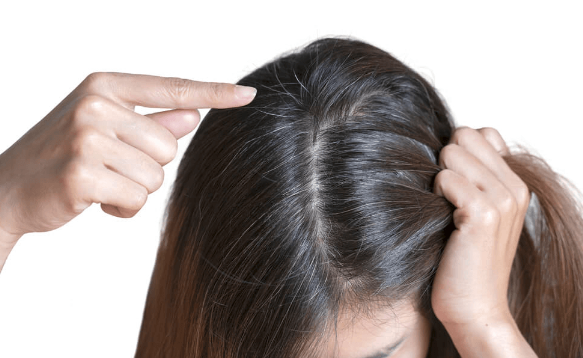
Regularly plucking hair can cause premature graying - Illustration: retouchme.com
The first gray hairs typically appear at any age between 20 and 50. People usually gray their hair fastest around the ages of 50-60. Men typically begin graying at the temples and sideburns, while women begin graying from the roots, often at the bangs.
Each hair strand grows from a hair follicle. These follicles contain two types of stem cells: keratinocytes—which produce the protein keratin used to create and repair hair—and melanocytes—which produce melanin, the pigment that gives hair and skin their color.
As we age, cells become less active. This means that stem cells in hair follicles produce less melanin, leading to gray hair, and also less keratin, causing hair to thin and fall out.
Hair that lacks pigment (melanin) will appear gray, white, or silver (collectively called gray hair) depending on how light reflects off the keratin (which is light yellow). Gray hair is usually thicker, coarser, and stiffer than pigmented hair. This is because the stem cells in the hair follicles change as they age.
Interestingly, but sadly, gray hair grows back faster than pigmented hair.


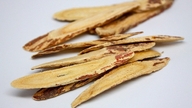
Stress can cause hair to turn gray. Oxidative stress—an imbalance between free radicals and antioxidants in the body—damages hair follicles and stem cells, causing them to stop producing melanin.
Oxidative stress can be caused by psychological stress, emotional stress, or autoimmune diseases. Environmental factors such as UV exposure and pollution, smoking, and certain medications may also play a role.
Melanocytes are more vulnerable than keratinocytes due to the complexity of the melanin production process. Therefore, aging and stress often cause hair to turn gray before it falls out.
According to Theresa Larkin, associate professor of medical science at the University of Wollongong (Australia), stem cells in the hair follicles of young people still produce melanin, so the color can revert back to its original pigmentation after a stressful event has passed.
Regular hair plucking can cause premature graying if the melanin-producing cells are damaged or exhausted from having to regrow too much hair to compensate for what has been plucked.
Specifically, our hair cannot turn white overnight due to stress, as melanin in the hair shaft is chemically stable, meaning hair cannot change color instantly.
On the other hand, temporary or semi-permanent hair dyes won't cause hair to gray prematurely because they only coat the hair strands without altering the hair's structure. However, permanent hair dyes will cause a chemical reaction with the hair. Their accumulation in the hair follicles can damage melanocytes and keratinocytes, leading to graying and hair loss.
Premature graying of hair can be avoided.


Each person's genetic characteristics determine when their hair begins to gray. However, we can avoid premature graying by maintaining good health, reducing stress, and avoiding smoking, excessive alcohol consumption, and exposure to ultraviolet rays.
A healthy diet rich in vitamin B12, copper, iron, calcium, and zinc also positively affects melanin production and hair pigmentation.
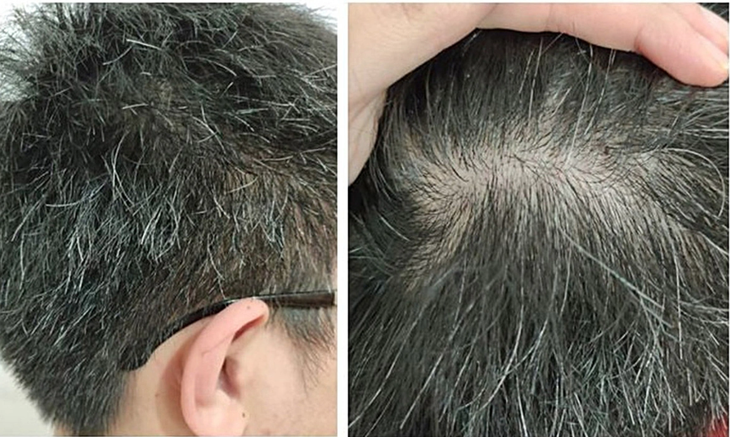 Can acupressure treat gray hair and hair loss?
Source: https://tuoitre.vn/nho-toc-nhuom-toc-lam-toc-bac-som-20241014143625395.htm