

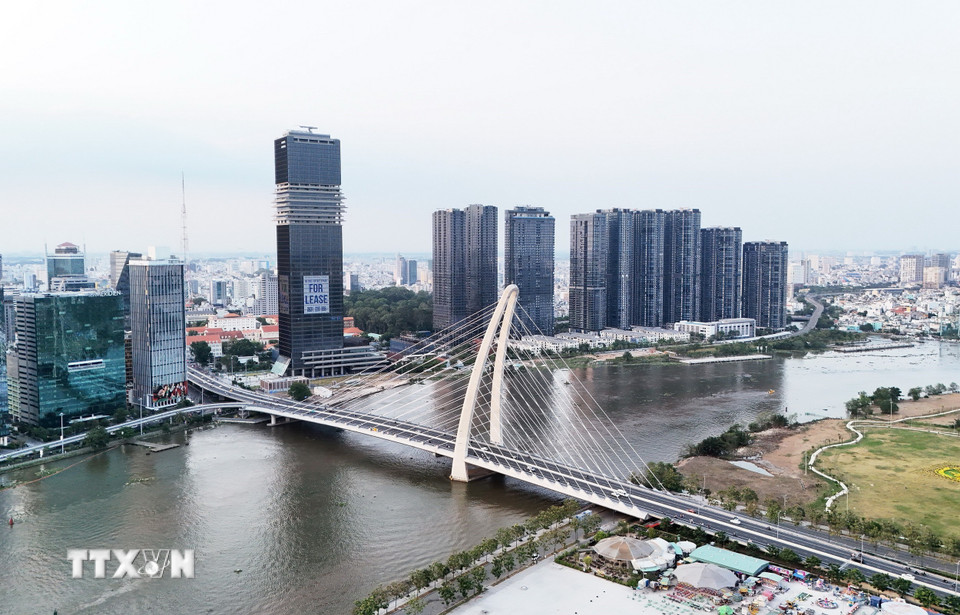
The Ba Son Bridge (formerly known as Thu Thiem 2 Bridge), with an investment of over 3,000 billion VND, connects the Thu Thiem Urban Area, Thu Duc City, and District 1. (Photo: Hong Dat/TTXVN)
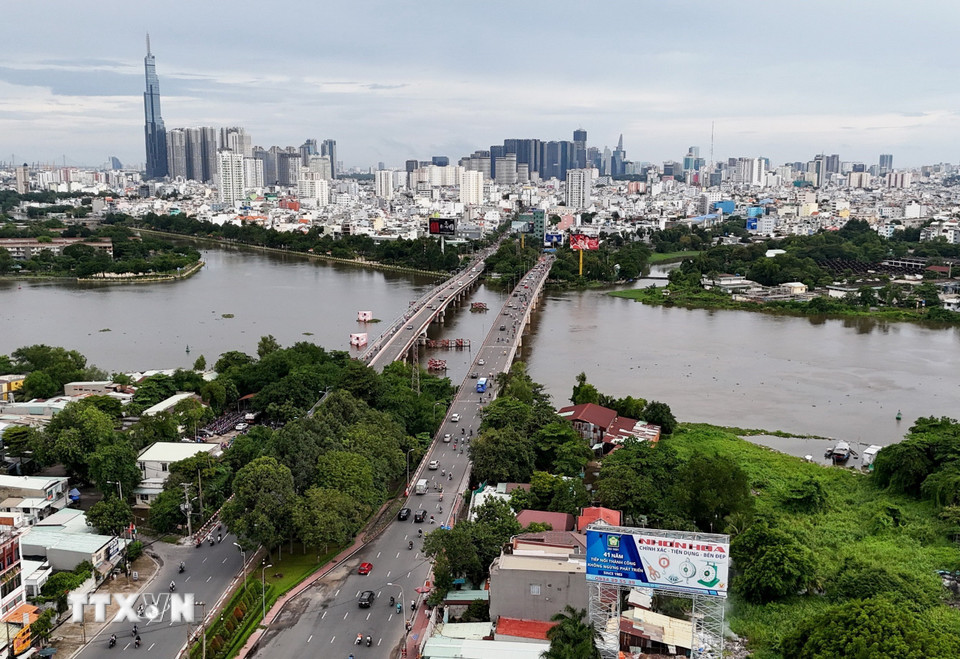
Binh Trieu Bridge 1 and 2 span the Saigon River, connecting the old Eastern Bus Station to Binh Duong , Binh Phuoc provinces, and the Central Highlands along National Highway 13. (Photo: Hong Dat/TTXVN)
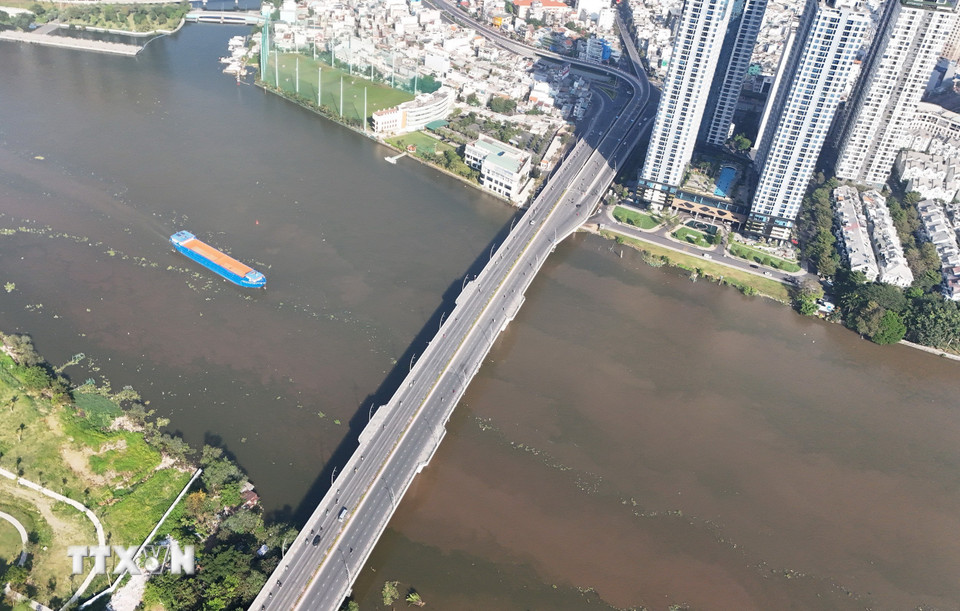
The Thu Thiem Bridge, opened in 2008, marked a significant development in Ho Chi Minh City's transportation network, connecting the city center with the Thu Thiem urban area. (Photo: Hong Dat/VNA)
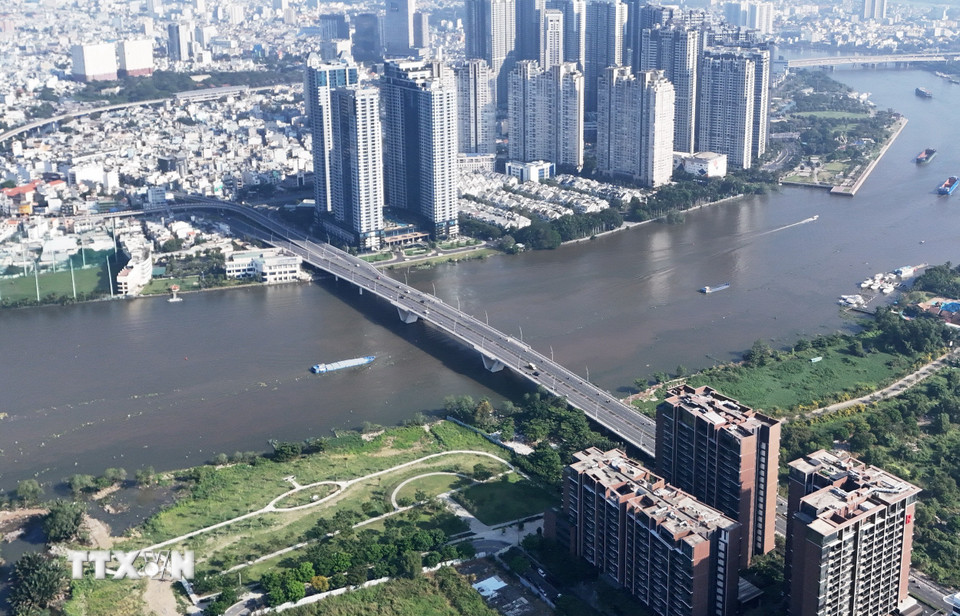
The Thu Thiem Bridge connects Binh Thanh District and the Thu Thiem New Urban Area in Thu Duc City. (Photo: Hong Dat/VNA)
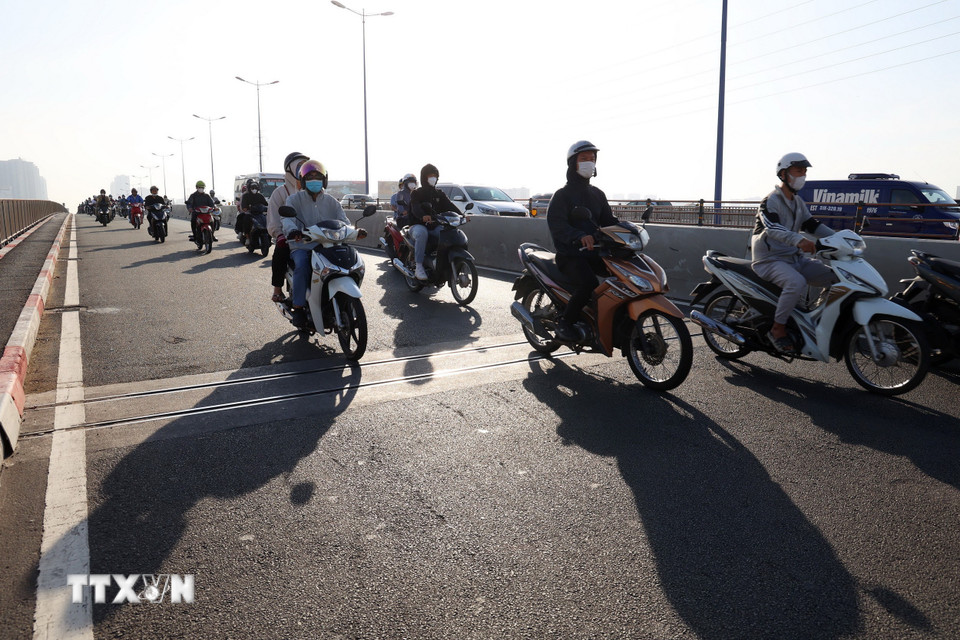
Vehicles travel on the Saigon Bridge towards the center of Ho Chi Minh City. (Photo: Hong Dat/VNA)
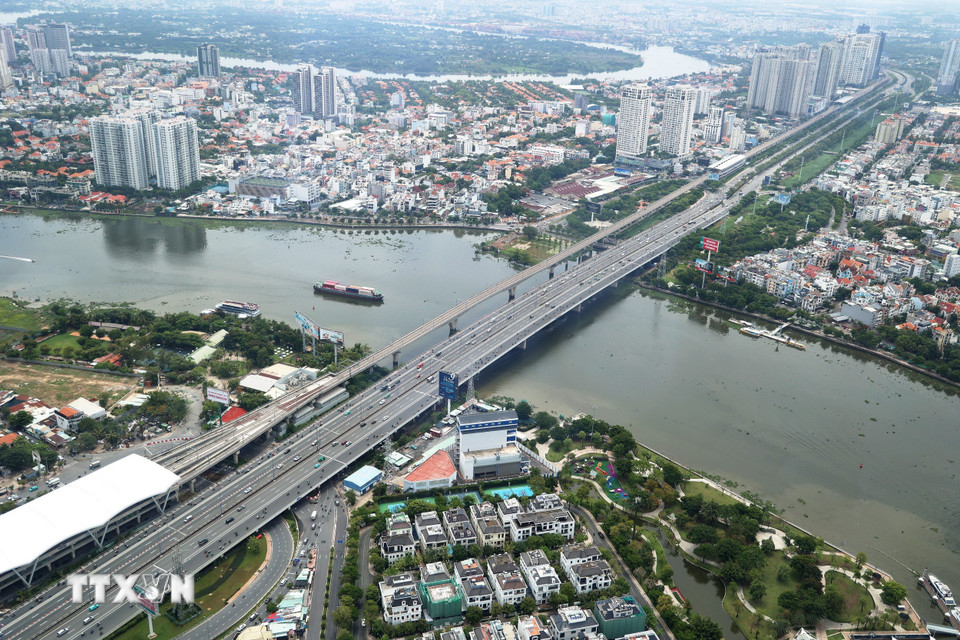
The Saigon Bridge, built before 1975, is a historical witness to the revolutionary army's march to liberate Saigon on April 30, 1975. (Photo: Hong Dat/VNA)
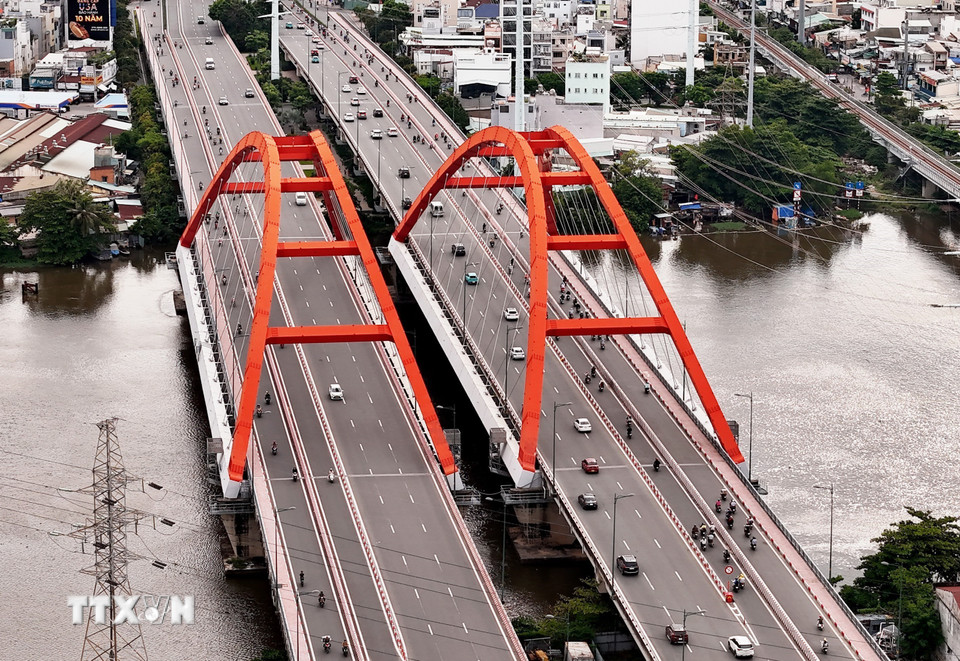
The new Binh Loi Bridge is located on Pham Van Dong road, connecting Thu Duc City and Binh Thanh and Go Vap districts - an important gateway to Tan Son Nhat airport. (Photo: Hong Dat/TTXVN)
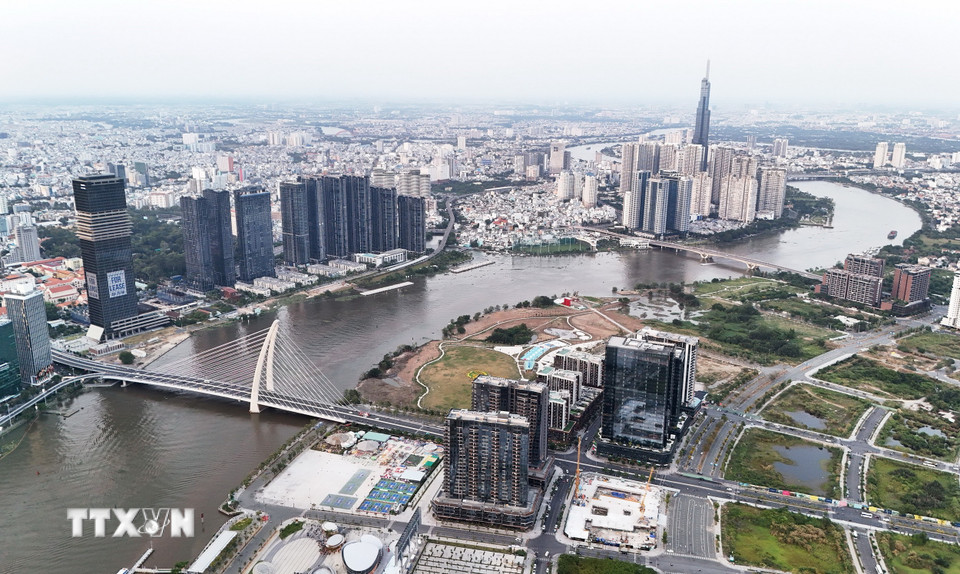
Ba Son Bridge, Thu Thiem Bridge, and Saigon Bridge – three bridges spanning the Saigon River in succession in the city center, connecting to Thu Duc City. (Photo: Hong Dat/VNA)
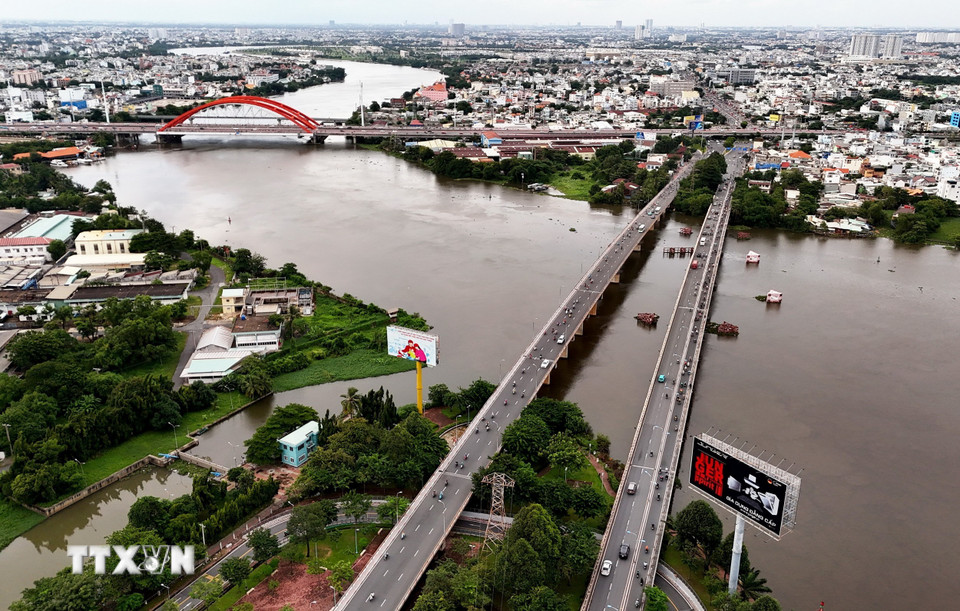
Binh Trieu Bridge 1 and 2 and Binh Loi Bridge span the Saigon River, intersecting National Highway 13 and Pham Van Dong Road at the Binh Trieu intersection, all heading towards the southeastern provinces. (Photo: Hong Dat / VNA)
Vietnamplus.vn
Source: https://www.vietnamplus.vn/nhung-cay-cau-gan-lien-qua-trinh-hinh-thanh-va-phat-trien-cua-tp-ho-chi-minh-post1019700.vnp


![[Photo] Prime Minister Pham Minh Chinh presides over the conference announcing the establishment of the International Finance Centre in Vietnam.](/_next/image?url=https%3A%2F%2Fvphoto.vietnam.vn%2Fthumb%2F1200x675%2Fvietnam%2Fresource%2FIMAGE%2F2025%2F12%2F21%2F1766309817714_ndo_br_dsc-3400-jpg.webp&w=3840&q=75)


![[Photo] Prime Minister Pham Minh Chinh presides over a meeting on private sector economic development.](/_next/image?url=https%3A%2F%2Fvphoto.vietnam.vn%2Fthumb%2F1200x675%2Fvietnam%2Fresource%2FIMAGE%2F2025%2F12%2F20%2F1766237501876_thiet-ke-chua-co-ten-40-png.webp&w=3840&q=75)






![[Photo] Prime Minister Pham Minh Chinh presides over the conference announcing the establishment of the International Finance Centre in Vietnam.](https://vphoto.vietnam.vn/thumb/402x226/vietnam/resource/IMAGE/2025/12/21/1766309817714_ndo_br_dsc-3400-jpg.webp)
















































Comment (0)