Photo: Tran Nhat Linh
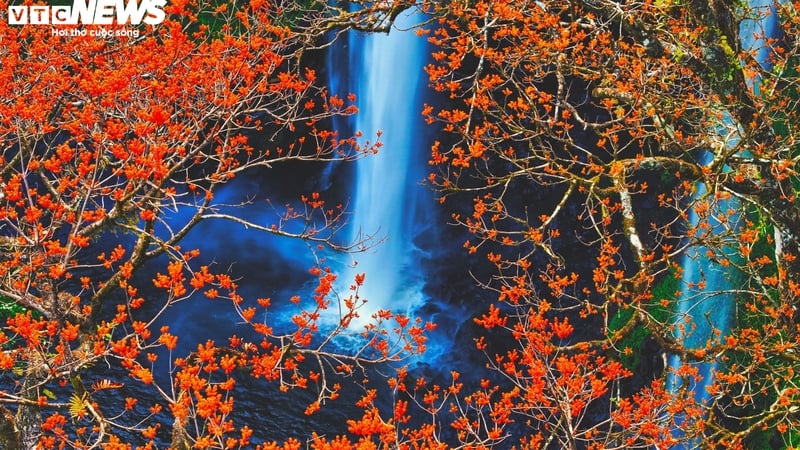
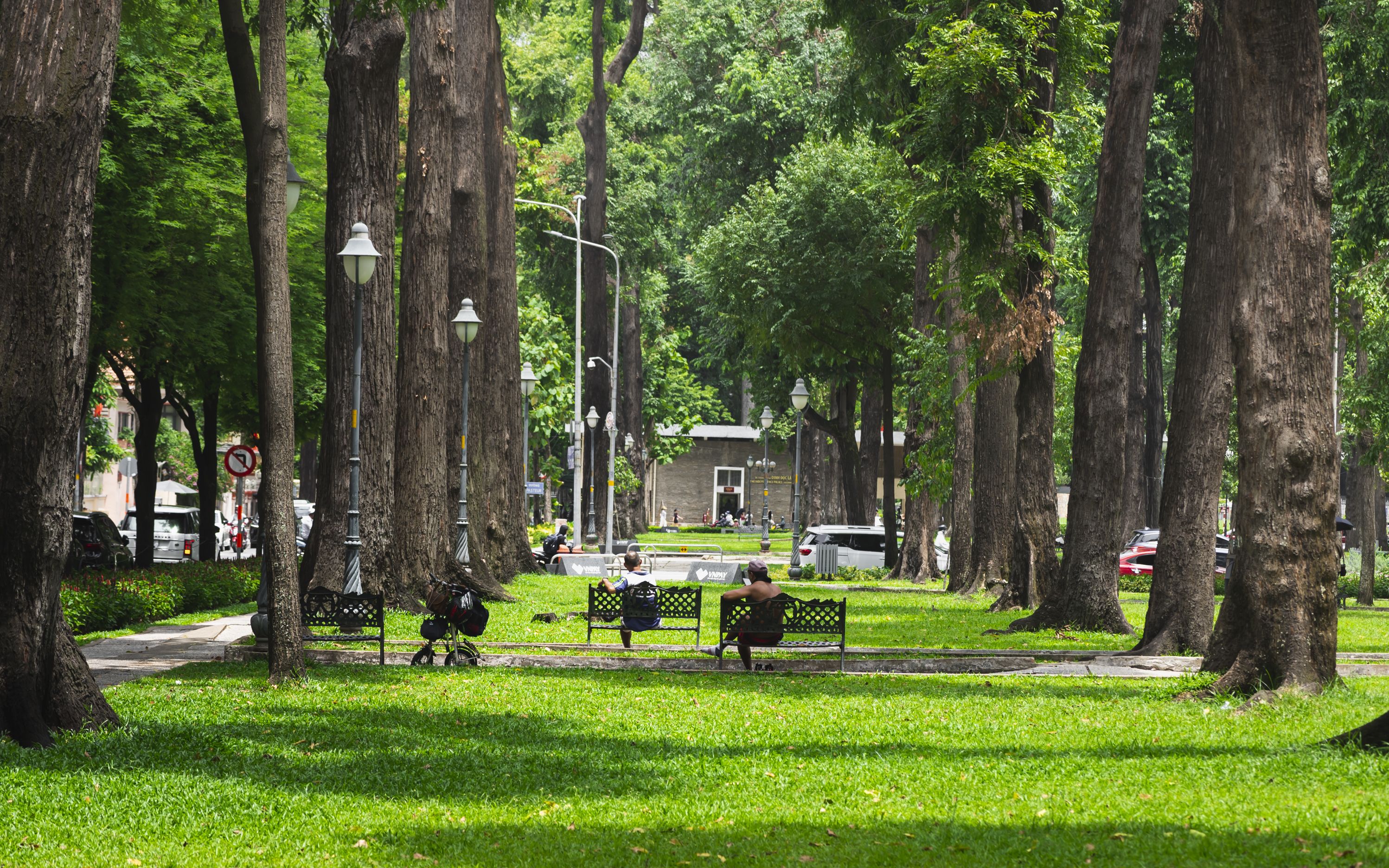
During scorching hot days, when the pavements are burning and the heat-absorbing concrete makes the urban air stifling, many people realize the value of seemingly familiar green spaces. These include the sprawling tree canopies along a street, the vines covering a small courtyard, the green-covered awnings, or structures designed to reduce heat radiation. They are like giant "green umbrellas," silently providing shade and making the city breathe easier.


Photo: Tran Nhat Linh

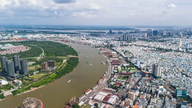
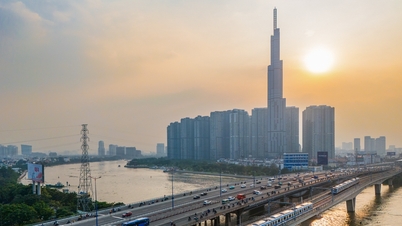
In many large cities, outdoor temperatures on peak days can vary significantly between areas with abundant greenery and those lacking shade. A row of mature trees not only provides a pleasant feeling for pedestrians but also helps reduce the urban heat island effect – a phenomenon that makes cities hotter than suburbs due to the high density of concrete, asphalt, and traffic. Green roofs, green walls, and buildings using heat-reducing materials are also gradually becoming climate change adaptation solutions in many places.


Photo: Tran Nhat Linh
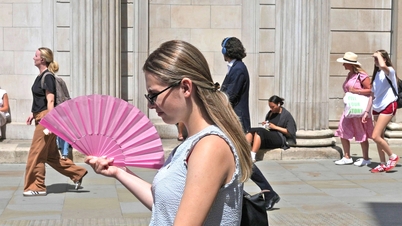
However, in the whirlwind of urban development, in many places, these "green umbrellas" are gradually shrinking. The space allocated for trees is becoming scarce, and many streets lack shade, forcing people to seek refuge from the sun in awnings, pedestrian underpasses, bus shelters, or shopping malls. In the hustle and bustle of urban life, not everyone has the opportunity to stop and find shade; many still have to travel under the scorching sun and face health risks.





Photo: Tran Nhat Linh
Source: https://vtv.vn/nhung-chiec-o-xanh-trong-thanh-pho-100260623094525029.htm