Long holidays with lavish meals, disrupted routines, and a tendency to neglect health can cause many people to overlook unusual signals from their bodies. Meanwhile, cancer is a silently progressing disease, and the earlier it is detected, the greater the advantage in treatment. Therefore, recognizing warning signs of cancer, especially atypical symptoms, is essential for timely prevention and treatment.
- Why are cancer symptoms easily overlooked after long holidays?
- When should I see a doctor?
One of the first and most noticeable signs that many people easily overlook is unexplained weight loss. If you lose more than 5% of your body weight within 6–12 months without changing your diet or exercise, this could be a sign of cancer, especially stomach, lung, or pancreatic cancer.
Premature weight loss is often confused with "fat loss" after a holiday of overeating high-calorie foods, but if this persists and is accompanied by fatigue and lethargy, a doctor should be consulted immediately.
Common fatigue can be caused by staying up late or poor eating habits after extended holidays. However, if fatigue persists for weeks without improvement after rest, it could be a sign of cancer. Cancers such as leukemia, colon cancer, and stomach cancer can cause this condition because cancer cells consume a large amount of energy and create chronic inflammation in the body.
Cancer fatigue differs from post-work fatigue. Patients often feel drained of energy even after deep sleep and experience a loss of concentration.

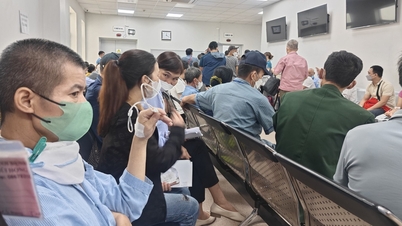
Unexplained weight loss and persistent fatigue are early warning signs of cancer that many people often overlook - Illustration
A cough lasting more than 3–4 weeks or a persistent hoarse voice of unknown cause are also warning signs of cancer, especially lung cancer and thyroid cancer.
Many people experience coughing due to changes in weather, but if the cough doesn't subside despite treatment, and is accompanied by coughing up blood, chest pain, or shortness of breath, it requires prompt medical attention.



The skin is the largest organ in the body and is highly sensitive to internal conditions. Changes in the size or color of moles, slow-healing sores, and new skin lesions should be noted. These could be signs of skin cancer, especially melanoma – a dangerous type of skin cancer.
Don't assume that "this small spot is harmless." Monitoring these changes over time can help detect skin cancer early.
Unexplained bleeding, such as nosebleeds, blood in the stool or urine, or vaginal bleeding outside of your menstrual cycle, are strong signs that require immediate medical attention. These symptoms may be related to colorectal cancer, bladder cancer, or gynecological cancer.
Particularly in women over 40, postmenopausal vaginal bleeding is a symptom that should not be ignored and requires early medical diagnosis.
The discovery of new lumps under the skin or persistently swollen lymph nodes are signs that many people overlook. Meanwhile, swollen lymph nodes, especially in the neck and armpits, can be related to lymphoma or breast cancer. Hard, immobile lymph nodes accompanied by weight loss and fatigue are serious warning signs.
Changes in bowel movement frequency, persistent abdominal pain, bloating, or alternating loose stools and constipation can be early signs of colorectal cancer. Many people overlook these symptoms due to high-fat diets or digestive disorders, but if they persist for more than a few weeks, a medical check-up is necessary.
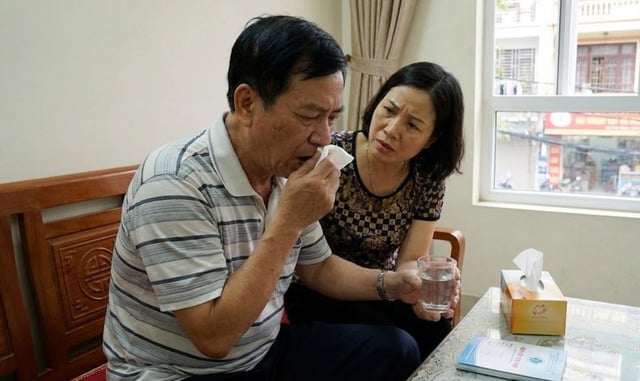
Persistent cough, voice changes, and unusual bleeding are warning signs of cancer that require early examination - Illustration
Why are cancer symptoms easily overlooked after long holidays?
Most people focus on weight gain, disrupted routines, and mood swings after a long holiday, leading them to overlook their body's signals. Furthermore, many early cancer symptoms are vague and easily confused with digestive issues, a cold, or stress. This causes people to delay seeking medical attention until symptoms become very noticeable.



Many oncology experts in Vietnam and internationally advise that symptoms such as persistent fatigue, weight loss, and a persistent cough should not be taken lightly, especially when they last for more than a month and have no clear cause. Proactive screening and early recognition of these signs will help increase the success rate of treatment.
When should I see a doctor?
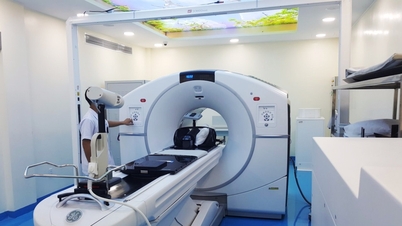
If you experience one or more of the above symptoms for more than 4–6 weeks without improvement, seek medical attention for a thorough examination. Your doctor may order blood tests, imaging tests such as ultrasound, CT scan, MRI, or endoscopy to determine the cause. Regular screening based on age and individual risk factors is also an important strategy for early cancer detection.
Source: https://suckhoedoisong.vn/nhung-dau-hieu-ung-thu-de-bi-bo-qua-169260226165618928.htm