

 |
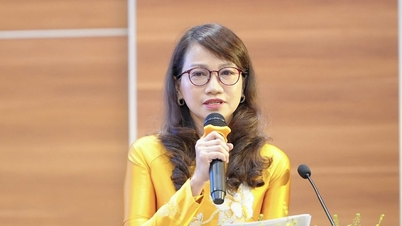
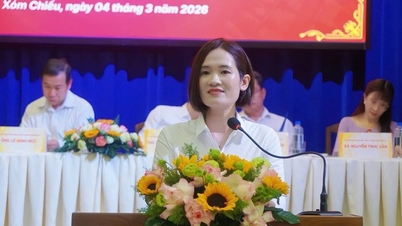
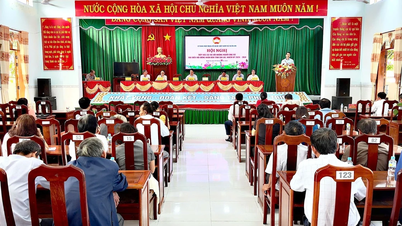
| Ms. Dao Thi Lung (Cam My commune), a respected figure among ethnic minorities in Dong Nai province, discusses matters with other respected figures in the ethnic minority communities of Dong Nai province. Photo: Van Truyen |
Their contributions are quiet but crucial in preserving traditional culture and developing the socio -economic conditions of ethnic minority regions.
Examples of people overcoming difficulties in the community.
Among the respected women in the ethnic minority communities of Dong Nai province, many are Party members, currently holding various positions and contributing to society in many ways. They have become role models and sources of motivation for young people to follow, striving to succeed in life.
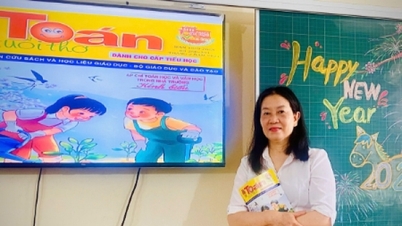
Party member Nguyen Hong Nu, currently a teacher at Nguyen Khuyen Primary School and a respected figure among ethnic minority communities in Xuan Thanh commune, Dong Nai province, said: Previously, studying was not easy for her, but thanks to her own efforts, encouragement from her family, and the preferential policies of the State for children of ethnic minorities, she had the opportunity to attend university and, after graduation, return to work in her local area. Through her hard work, she was admitted to the Party in 2014.
Drawing from her own experience, Ms. Nu strives to inspire a love of learning in each student, especially ethnic minority students, and to influence parents to pay more attention to their children's education. For students with poor academic results, she focuses on supporting them at her home. As a result, many ethnic minority students have achieved better academic results, the number of ethnic minority students dropping out of school has decreased compared to before, and more and more of them are going on to attend college and university.
When she first got married, Mrs. Thi Nhuong's family (of the S'tieng ethnic group, Tan Quan commune) always struggled financially. Thanks to hard work and government support policies, her family's life has gradually improved. She has also gained the trust of the local government and community to assume the role of a respected figure among ethnic minorities. Associated with this role and responsibility is the support of the Party, the State, and Dong Nai province for respected figures and village elders: she receives a monthly allowance of 800,000 VND; assistance with health insurance; and visits during holidays and Tet (Lunar New Year)... She always reminds everyone in the community to strive hard to build a prosperous life for themselves and their children.
Another example is Ms. Dieu Thi Ut (63 years old, of the Choro ethnic group, Thanh Son commune). Currently, every day, she and her children go to the fields to take care of the crops. Ms. Ut believes that it is a habit that also provides income and labor, making her feel useful in life. Through this, she also reminds her children, grandchildren, and young people in the community to work hard to proactively build a better life, avoiding the mentality of waiting and relying on government policies.
Besides the 31 women recognized by the Provincial People's Committee as influential figures among ethnic minority communities, the province has 4 women recognized by the Provincial People's Committee as village elders of Dong Nai province, including: Quach Thi Nam (in Thien Hung commune), Nong Thi Dung (in Dong Tam commune), Luu Thi Viet and Vi Thi Phuc (in Tan Loi commune).
Contributing to maintaining peace in the village.
Along with striving for excellence in work and education, these influential women from ethnic minority communities in Dong Nai province also effectively play a bridging role between the Party committees, the government, and the ethnic minority communities; fostering community cohesion for peace and tranquility in their villages.
Ms. Dao Thi Lung is one of the respected figures among the ethnic minority communities in Dong Nai province. Currently, she represents 113 Chơro households, 63 Khmer households, and several other ethnic minority groups in Cam My commune.
Ms. Lùng said: This is the second year she has served as a respected figure among ethnic minority communities. During her time as a community representative, she has learned valuable lessons from elders in the hamlet and respected figures in neighboring communes, truly becoming a voice representing the people and a channel for disseminating the Party's guidelines and the State's policies and laws to the community.
According to Ms. Lùng, conflicts between families in the residential area are unavoidable. Thanks to her long-standing relationship with the residents and the trust they place in her, whenever disagreements arise, they contact her to resolve them. When she intervenes, they listen, and although it sometimes requires multiple meetings, everything is always resolved afterward.
Meanwhile, Ms. Hoang Thi Sao, representing over 200 Tay ethnic households and some other ethnic minority families in Tan Tien commune, said: The place where she lives is one of the eight border communes of Dong Nai province, so in addition to the usual daily life stories like in inland communes, the community here also upholds the spirit of solidarity and works together to maintain security and order and protect the border line.
In order to work with the Party Committee and the government to consolidate and build national unity, Ms. Sao disseminated information to the people about the preferential policies of the Party, the State, and Dong Nai province dành for ethnic minorities, especially in border communes and particularly difficult communes. She explained in detail any questions the people had, and for issues beyond her capabilities, she contacted the authorities for clarification. This helped the people understand and feel secure in building their lives, contributing to the province's development, and maintaining national unity.
Literature
Source: https://baodongnai.com.vn/dong-nai-cuoi-tuan/202603/nhung-doa-hoa-uy-tin-d212c42/
































































Comment (0)