

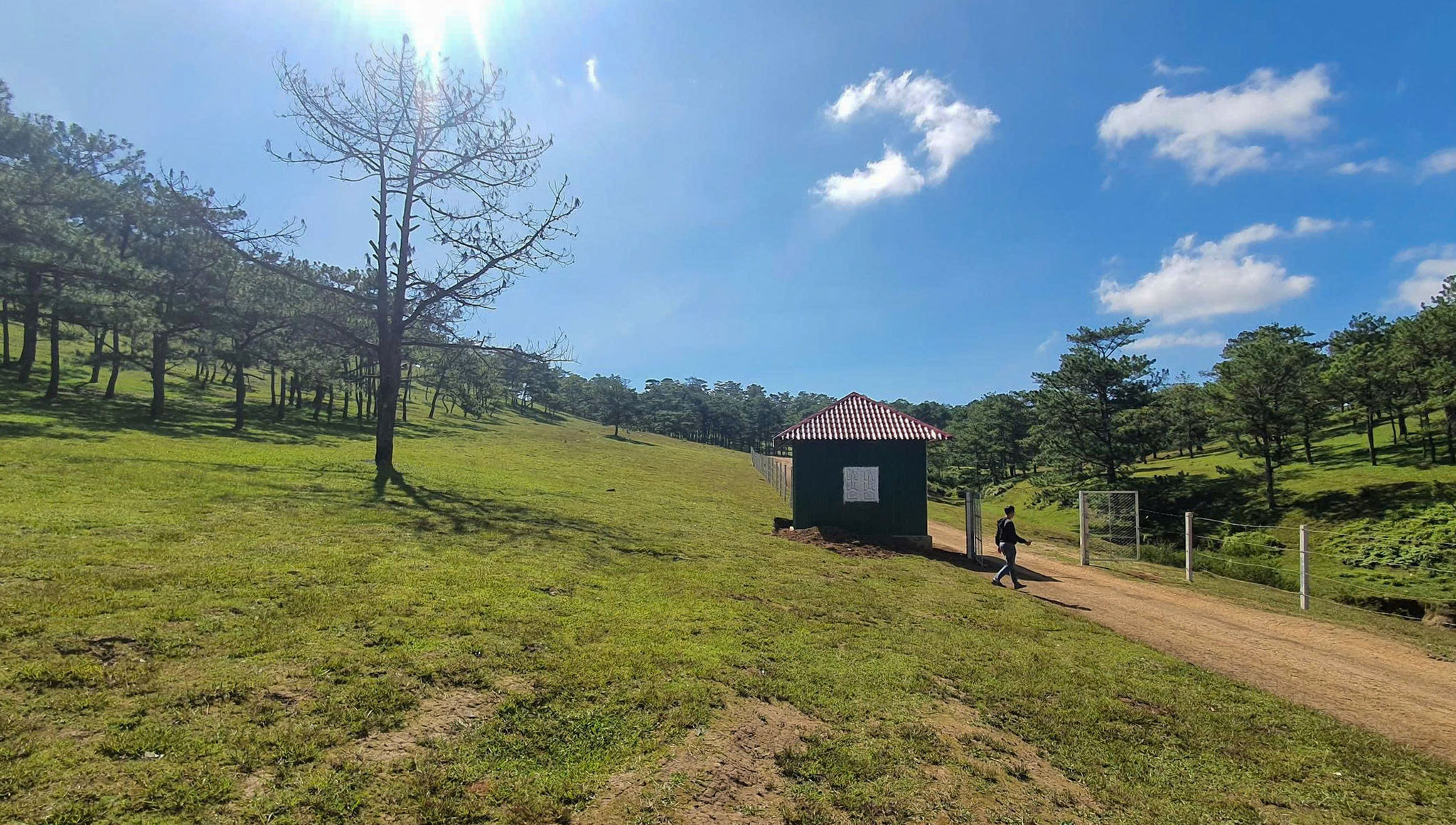
6 special task forces
The issue of stalled off-budget projects is not new, but the extent of the backlog is truly thought-provoking. What's concerning is that while approximately 63% of projects have completed some of their components, the majority remain in a state of limbo, resulting in a huge waste of resources.
According to Ton Thien San, Director of the Department of Finance, the province has more than 300 non-budgetary projects facing difficulties and obstacles that need to be resolved. He believes that if these bottlenecks can be removed to bring the remaining projects into operation, the local budget revenue will be enormous.
To address this situation, the Chairman of the Provincial People's Committee signed Decision No. 1963/QD-UBND establishing six special task forces. Each task force is headed by a Vice Chairman of the Provincial People's Committee, who is responsible for overseeing the review and finding solutions for each specific group of projects.
Task Force No. 1 monitors 70 projects in the energy, mineral, and agriculture/forestry sectors. To date, 4 projects have been completely resolved, and 54 projects are currently under review based on specific bottlenecks. Task Force No. 2 focuses on residential areas, urban development, and infrastructure, and has resolved 15 out of 41 projects. Task Force No. 4 is currently handling 106 projects and has successfully resolved 22 projects. Meanwhile, Task Force No. 5 monitors 55 projects related to tourism and medicinal plants. Task Force No. 6 monitors 35 projects (both inside and outside industrial zones), and Task Force No. 3 is currently monitoring 48 projects.
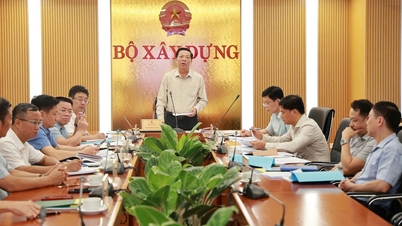
For the past six months, the working groups have not only sat in meeting rooms but have also gone directly to the field to conduct on-site inspections and cross-check documents. The general guiding principle was "Do the easy things first, then the difficult ones." The innovation also lies in the fact that the groups have divided projects by field and difficulty level, specifying each task to help provincial leaders gain an overall view and closely monitor the progress of each project under the purview of each department, sector, and locality.
Expectations from the efforts
Although the province has only resolved 59 projects after more than six months of operation, the progress made by the special task forces has helped to clearly identify the obstacles hindering investment resources. These obstacles relate to overlapping planning, land and forest issues, investment procedures, legal violations, etc.
Specifically, statistics from the task forces show that there are 41 projects with unresolved planning issues and 45 other projects overlapping with mineral resource plans such as titanium and bauxite; 10 projects facing difficulties with procedures for leasing forest land and changing land use purposes; 34 projects encountering challenges when converting from long-term land leases to annual payments; and 32 projects facing difficulties with regulations on auctions, bidding, and schedule adjustments. Notably, 33 projects remain unresolved due to land and construction violations that have been previously investigated and concluded, and 36 projects are simultaneously facing two or more difficult issues, making the handling process extremely complex legally.
To truly penetrate the barriers, the Department of Finance has proposed groundbreaking solutions, namely decentralization of authority. Accordingly, the department proposes that the People's Committees of communes and wards approve detailed functional zoning for projects facing planning obstacles. For projects that no longer have obstacles but the investors lack commitment, the department suggests that the province resolutely revoke the licenses and remove them from the list of projects to be resolved early. And for projects that have exceeded their extension period without implementation, the land should be reclaimed and operations terminated.
The fact that the task forces have set clear deadlines for processing, weekly reports, and publicly identify individuals and groups responsible for unjustified delays is a decisive step. This move shows that the province is not only working to unlock capital but is also striving to strengthen investor confidence when choosing Lam Dong as an investment destination.
Member of the Central Committee of the Communist Party of Vietnam, Deputy Secretary of the Provincial Party Committee, and Chairman of the Provincial People's Committee, Ho Van Muoi, has repeatedly affirmed that the province is determined to eliminate the "request-and-grant" mechanism, replacing it with the proactive role of the government in accompanying and supporting businesses. With the spirit of "removing obstacles for businesses is also removing obstacles for the government," special task forces are creating strong momentum within the government apparatus. Although initial results still fall short of expectations, the decisive and thorough approach provides a basis for believing that bottlenecks will soon be resolved.
Source: https://baolamdong.vn/nhung-mui-khoan-tu-cac-to-cong-tac-dac-biet-437750.html




































































![[INFOGRAPHICS] 25 targets and groups of targets that Can Tho City strives for by 2030](https://vphoto.vietnam.vn/thumb/402x226/vietnam/resource/IMAGE/2026/05/25/1779688983034_1779688951.webp)











Comment (0)